
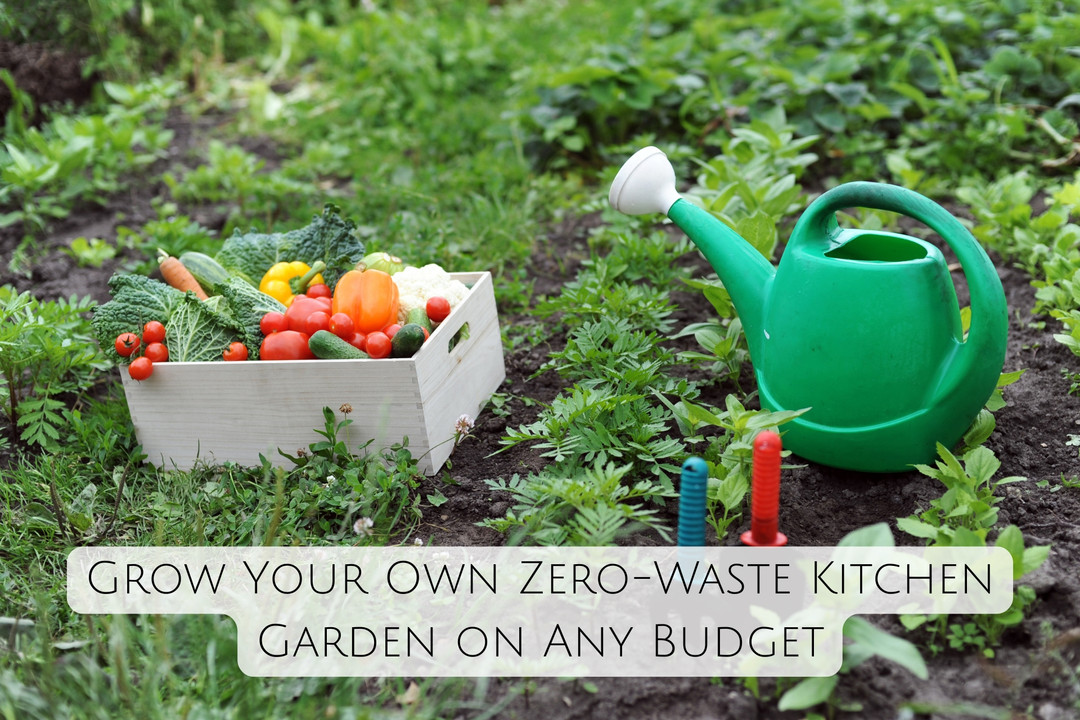
Grow Your Own Zero-Waste Kitchen Garden on Any Budget
Introduction: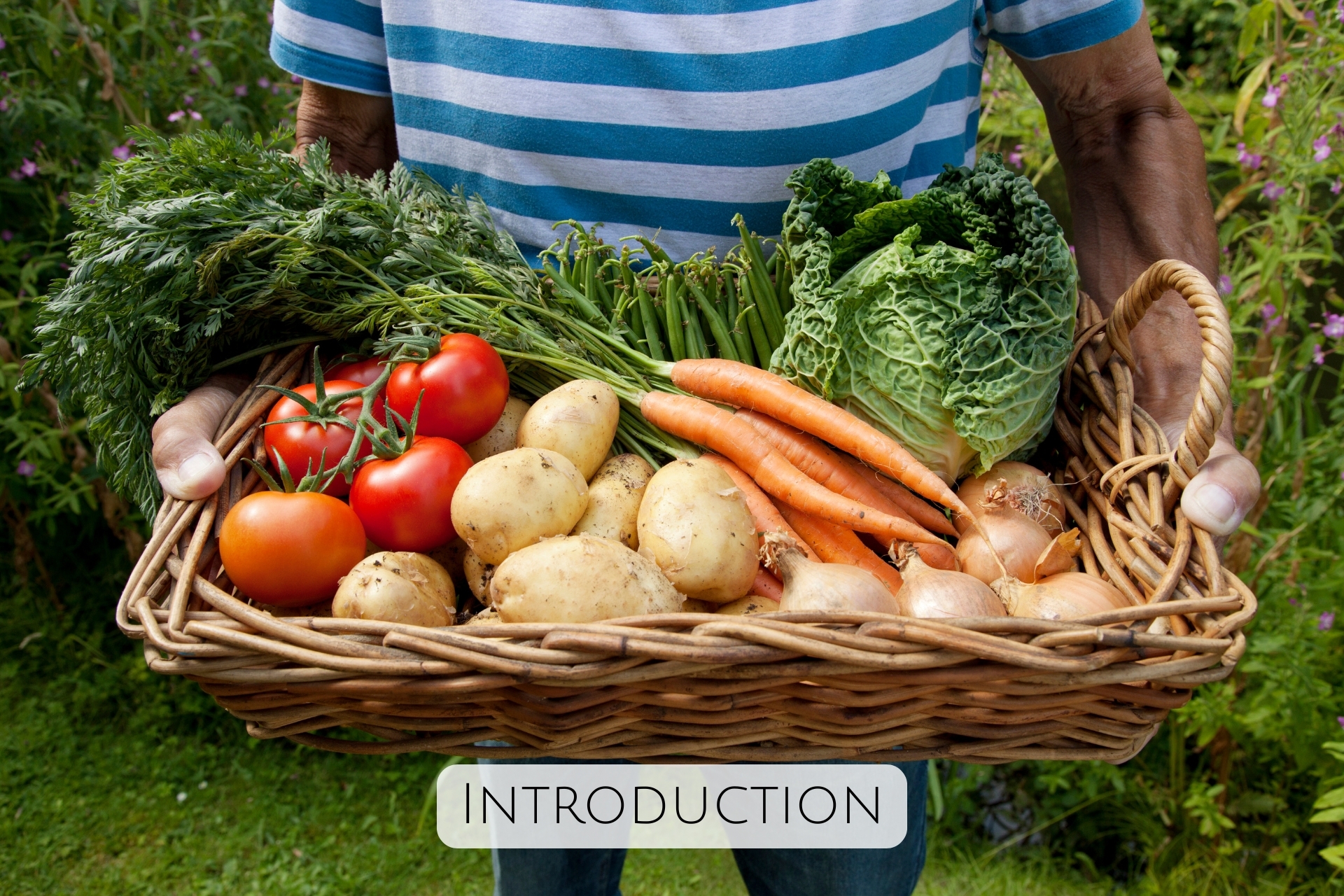
In an era where food security, environmental consciousness, and health awareness converge, the sustainable kitchen garden has emerged as a powerful solution for modern Indian households. Creating a zero-waste kitchen garden is an increasingly popular approach to sustainable living that combines environmental responsibility with practical gardening. Regardless of your budget or available space, growing your own fruits, vegetables, and herbs can significantly reduce waste while providing fresh, organic produce right at your doorstep. This blog will guide you through essential steps and cost-effective strategies to establish a zero-waste kitchen garden, helping you embrace sustainability without compromising on quality or convenience.
Assessing Your Space and Sunlight Availability:
The foundation of any successful kitchen garden begins with understanding your available space and its relationship with sunlight. Vegetables and herbs require a minimum of 4-6 hours of direct sunlight daily, with fruiting plants like tomatoes, peppers, and brinjal performing best with 6-8 hours. Carefully observe your potential garden area over several days, noting when sunlight arrives, its intensity, and any shadows cast by buildings or trees. South and east-facing balconies typically receive optimal morning light, while west-facing spaces may expose plants to harsh afternoon sun requiring shade management.
For apartment dwellers, balconies, window sills, and even indoor spaces near large windows can host productive container gardens. Terrace gardens offer more expansive possibilities but require structural assessment—ensure your roof can support the weight of wet soil and containers before proceeding. Urban terraces must be properly waterproofed to prevent seepage into living spaces below, and adequate drainage systems are essential to channel excess monsoon water.
Even north-facing spaces with limited sunlight can grow shade-tolerant crops like spinach, lettuce, mint, and coriander, allowing every home to participate in kitchen gardening regardless of orientation. The key is matching plant selection to your specific conditions rather than fighting against nature's constraints.
Selecting Appropriate Containers and Growing Systems: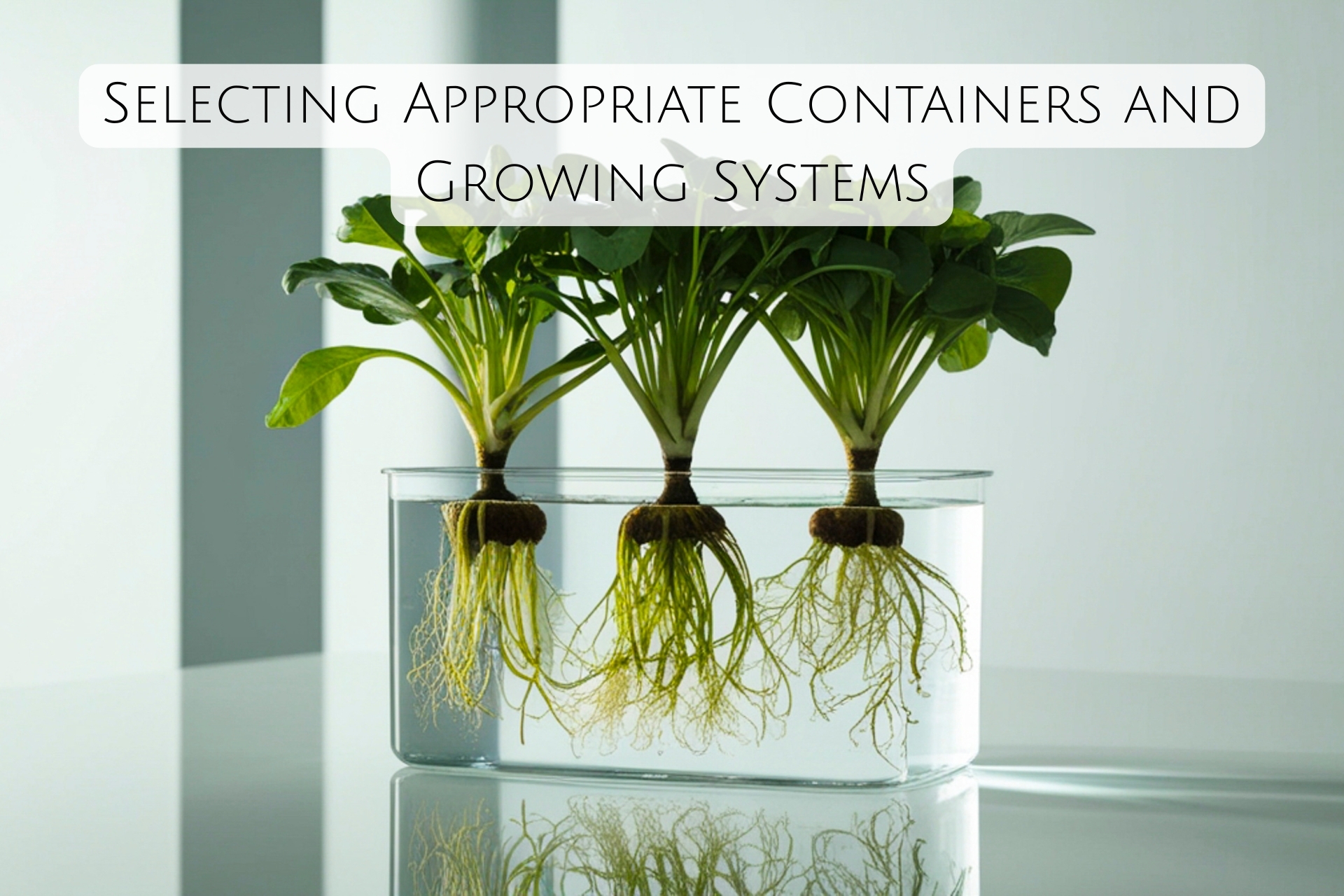
Container selection profoundly impacts plant health, water management, and garden aesthetics. For urban gardeners, containers offer flexibility, portability, and the ability to optimize growing conditions independent of native soil quality.
Container Types and Their Applications:
- Terracotta pots: Traditional, porous, and excellent for drainage—ideal for herbs and plants sensitive to waterlogging.
- Grow bags: Lightweight, affordable, and fabric versions promote air pruning of roots for healthier plants.
- Recycled containers: Buckets, drums, wooden crates, and repurposed bottles provide eco-friendly, budget-conscious options.
- Vertical planters: Maximize limited space by growing upward—perfect for herbs, strawberries, and trailing plants.
- Raised beds: For terrace or backyard gardens, raised beds provide excellent drainage, ergonomic access, and soil control.
Preparing Nutrient-Rich, Sustainable Soil: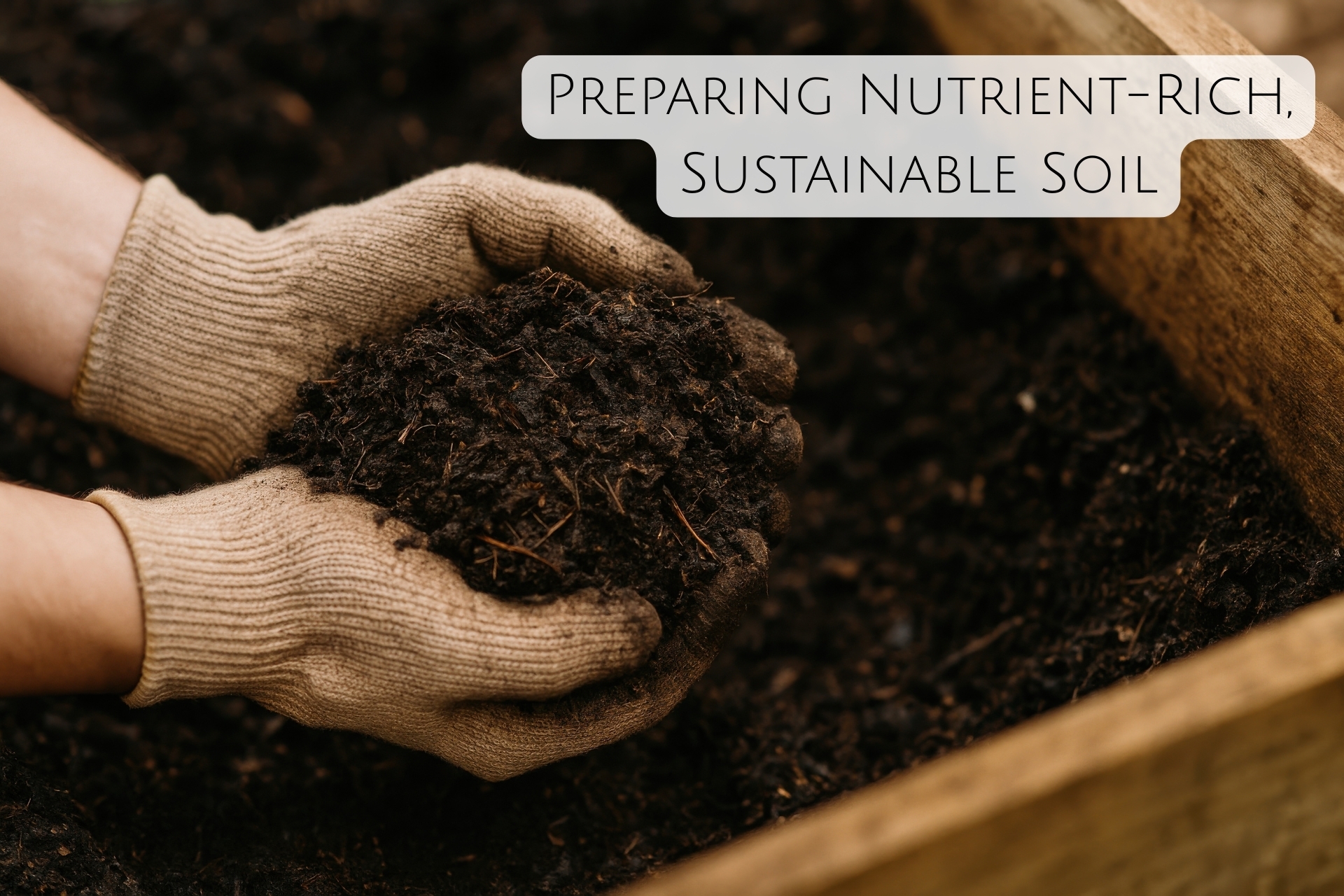
Sustainable soil is the foundation of a sustainable garden. Test your soil or observe its texture: good garden soil should be loose, crumbly and well-drained. If you have sandy or clay soil, enrich it by working in organic matter (compost, aged manure, leaf mold) several weeks before planting. Organic matter improves nutrient content and water-holding capacity, which means plants stay hydrated during dry spells. Mulching with straw or leaves also locks in moisture and cools the soil. Aim for a slightly acidic to neutral pH (around 6.0–7.0) so nutrients are available to plants. Testing kits or local extension services can help adjust soil health if needed. Turn the soil lightly and incorporate amendments at planting time to give young roots a nutrient-rich start.
Sustainable Watering Practices: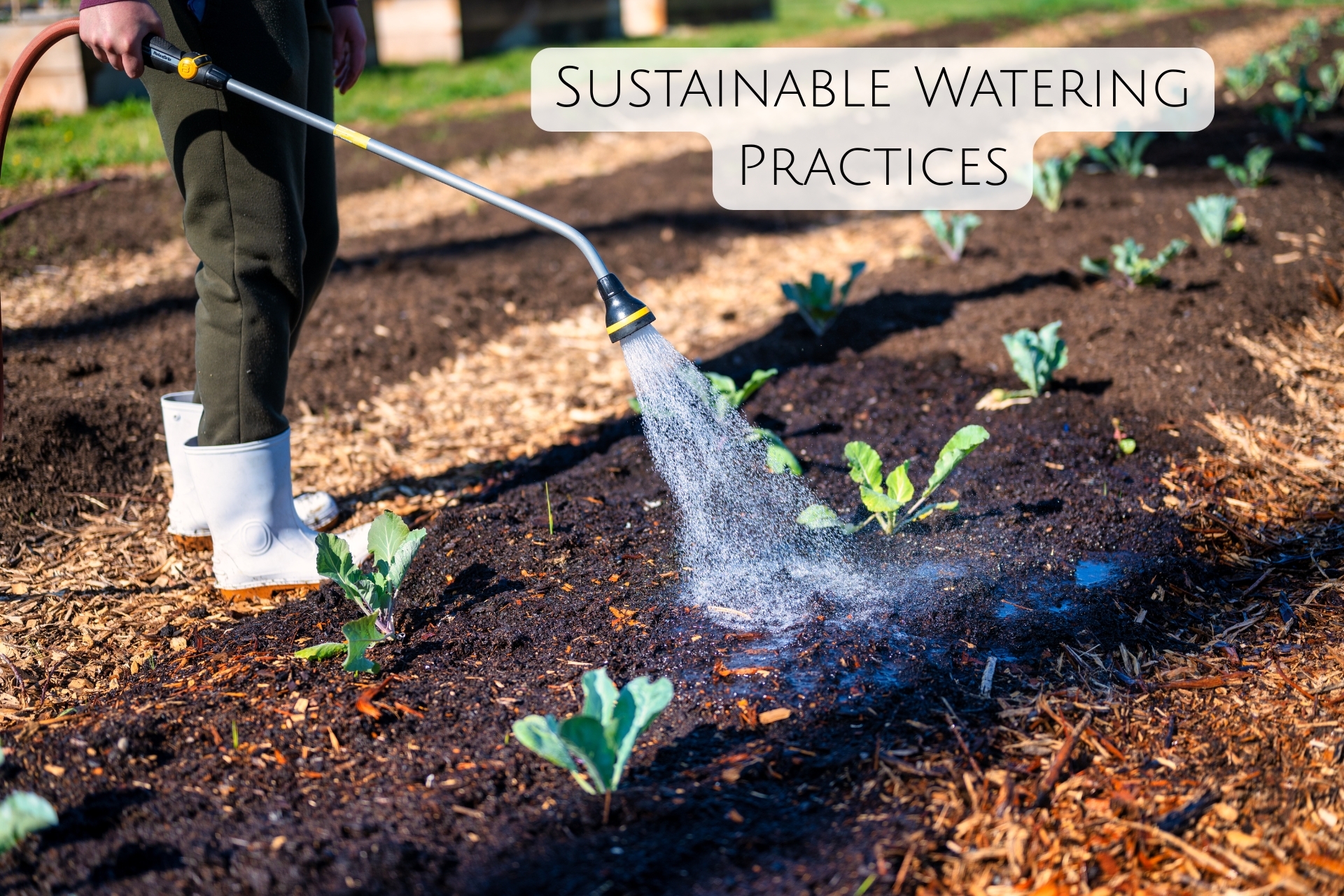
Water your garden efficiently to align with sustainability and save money. Water in the cool part of the day (early morning or evening) so less evaporates. Aim water at the soil and root zone rather than splashing foliage – overhead watering can promote disease on leaves, while soaking roots keeps plants happy. Mulch bare soil under plants (with straw, wood chips, or dried grass) to reduce evaporation and regulate temperature. Properly mulched beds use water more efficiently. If rainfall is scarce, use drip irrigation or soaker hoses to deliver water slowly to roots instead of spraying overhead. Collecting rainwater in barrels is also eco-friendly: it saves tap water and reduces runoff. Finally, group plants with similar moisture needs together so you can water more precisely. By combining mulching, proper timing and targeted irrigation, you can grow a lush garden with minimal water waste.
Choosing the Right Plants and Diversity:
Choose plants suited to your climate, season and space. For a “kitchen” garden focus on vegetables, herbs and small fruits that you use often. Popular easy-grow vegetables include lettuce, spinach, radishes, tomatoes, beans and peppers. Herbs like basil, parsley, mint, rosemary, thyme and cilantro add flavor and usually need little space. Pick varieties adapted to your region (cold-hardy greens for cool climates, heat-tolerant peppers for warm areas). If you have limited ground space, use containers or raised beds to control soil and drainage. Vertical gardening (trellises for beans, cucumbers or peas) can boost yield in a small footprint.
Aim for plant diversity: mixing crops together (intercropping) can confuse pests and make better use of space. Include some perennials if possible – such as chives, asparagus, rhubarb or citrus (depending on climate) – which come back each year and save replanting. Companion planting (like basil with tomatoes, marigolds to deter nematodes) can improve pollination and pest resilience. Research your hardiness zone or local climate: for example, cool-season crops (lettuce, kale, peas) thrive in spring/fall, while warm-season crops (tomatoes, squash, okra) belong in summer. By planning a mix of seasonal plantings, you’ll have something growing almost year-round and a more resilient garden overall.
Organic Pest Management: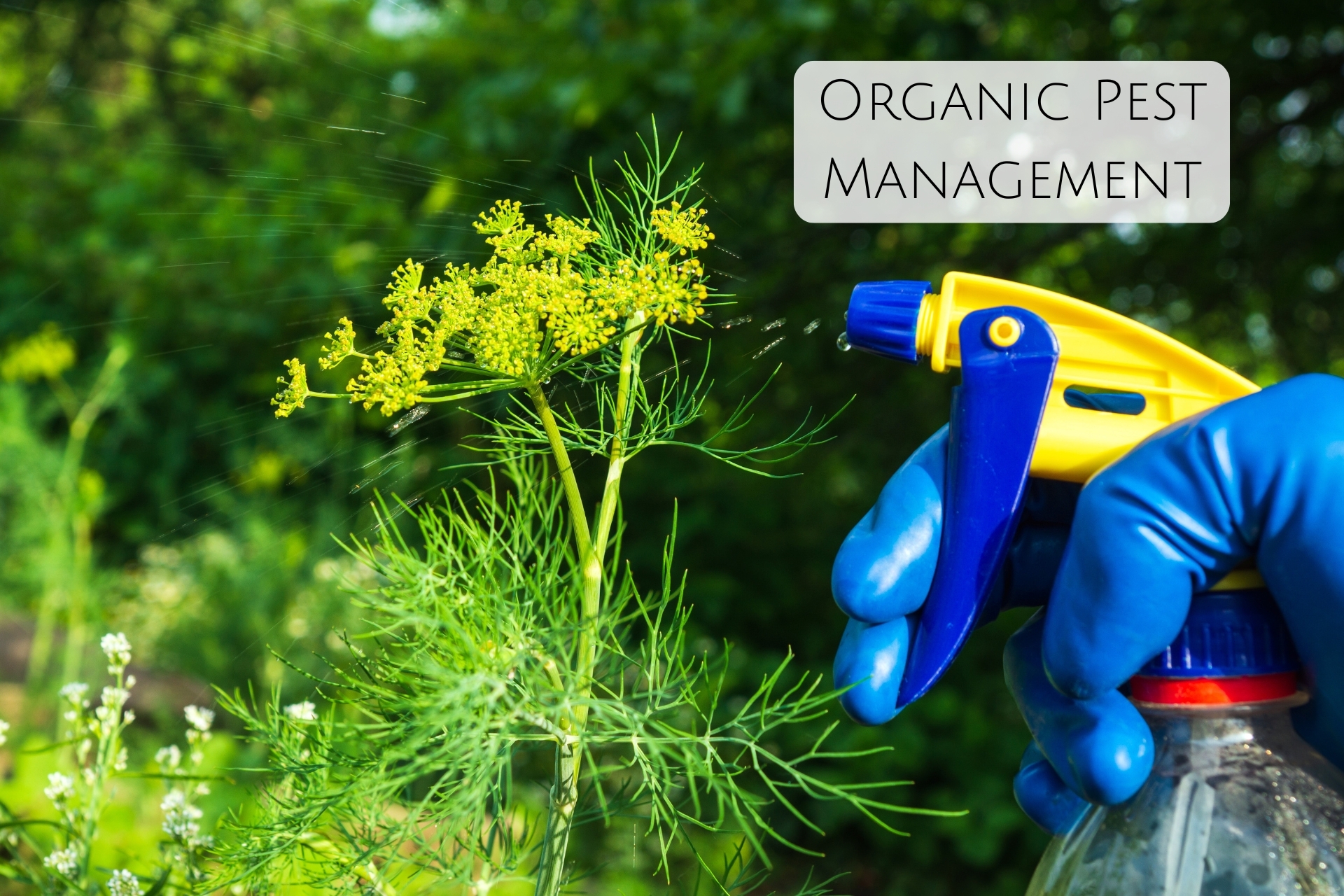
A healthy sustainable garden avoids synthetic pesticides and harnesses natural pest control. First, encourage beneficial insects: ladybugs, lacewings and bees help pollinate and eat pests. Planting flowers (e.g. marigolds, nasturtiums, calendula) at garden edges attracts pollinators and predators. Hand-pick pests when you see them (remove tomato hornworms or beetles) or hose them off. Floating row cover fabric or garden mesh makes a physical barrier to insects without chemicals. For example, covering young lettuce or cabbage plants with fine netting can block cabbage moths and aphids.
If pests appear, use organic treatments: neem oil, insecticidal soap or Bt (Bacillus thuringiensis) target caterpillars and other bugs with minimal harm to beneficials. Practice good sanitation: clear away plant debris and weeds where pests overwinter. Healthy plants resist pests better, so keep plants nourished with compost rather than high-nitrogen synthetic feeds. Crop rotation from year to year (changing plant families in each bed) also interrupts pest life cycles. Remember: pesticides kill pollinators and helpful bugs along with pests. By using barriers, companion plants, manual removal and organic sprays as needed, you can maintain a productive garden in harmony with nature.
Harvest and Enjoy Your Homegrown Food: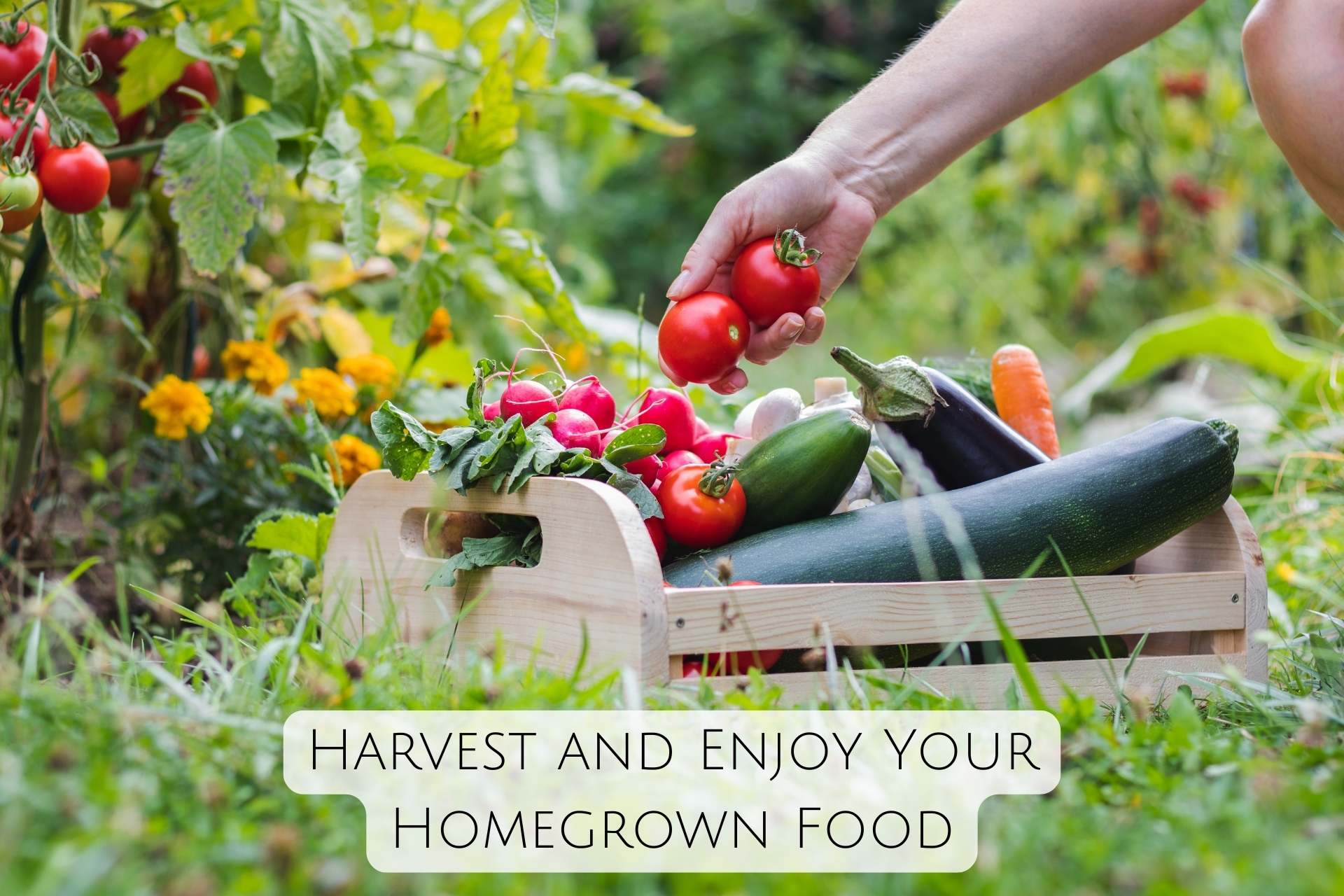
Harvest produce at its peak for flavor and continued productivity. Pick leafy greens frequently – “cut-and-come-again” harvesting outer leaves to encourage new growth. Harvest root vegetables (carrots, beets) at the size you prefer before they get woody. For fruits (like tomatoes, peppers or squash), pick when fully colored and firm, letting others continue to ripen on the vine. Removing ripe produce promptly can also spur plants to yield more (i.e., if a tomato is left on the vine too long, it stops setting new fruit). Use sharp scissors or knives rather than tugging, so you don’t damage stems. Handle all harvests gently – bruised veggies spoil faster – and store them properly (cool and dry for root crops, refrigerated for greens).
Celebrate your harvest! Cooking a meal with home-grown ingredients connects you to the cycle of food and reduces waste. If you have an abundance, preserve it by freezing, canning or drying. Share extras with neighbors or friends – community swapping spreads the benefits. Remember that growing your own food also gives you educational and personal rewards: you’ll learn what each plant needs, gain gardening skills, and enjoy the satisfaction of eating truly fresh, homegrown produce.
Practical Tips for Maintaining a Sustainable Garden: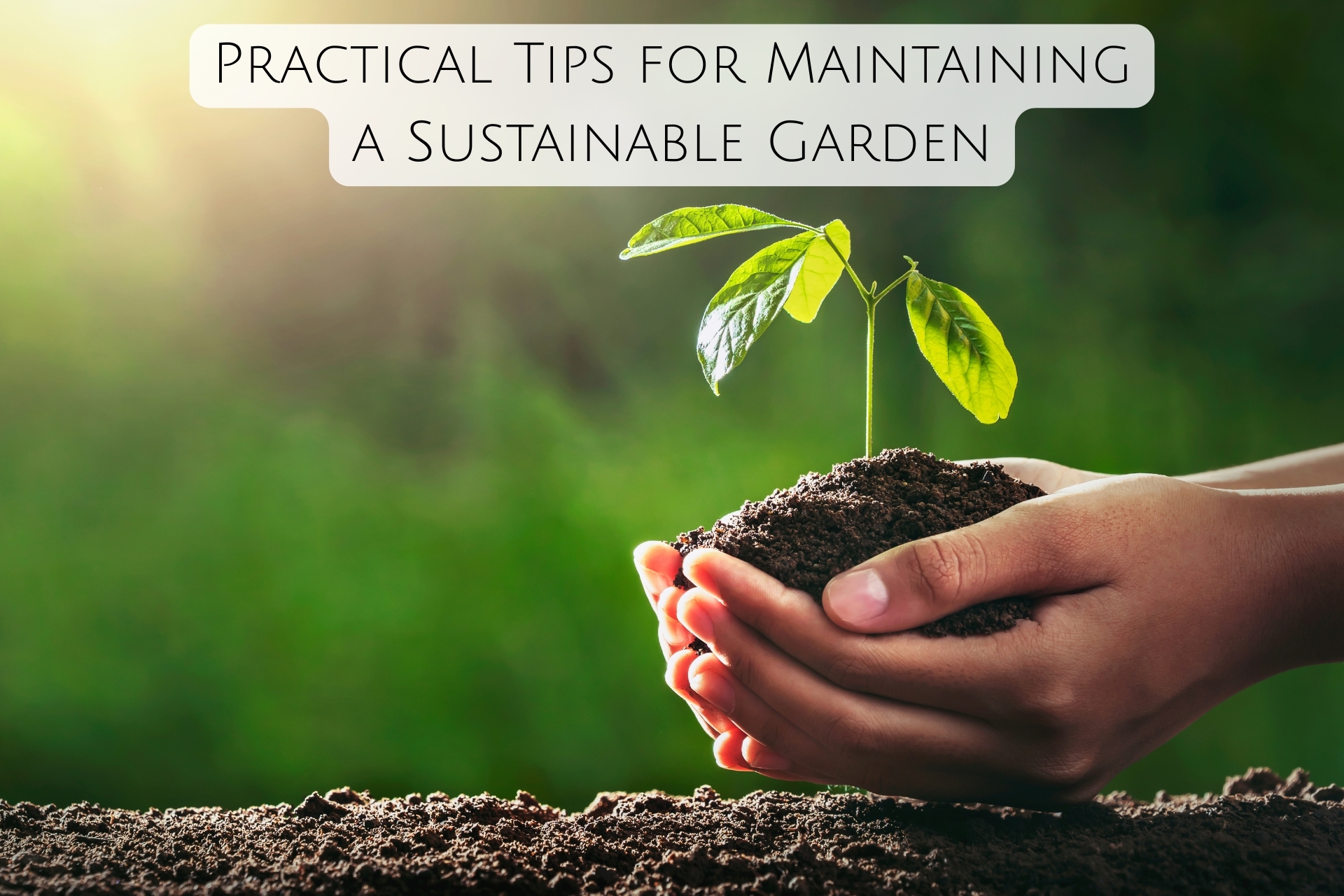
Maintaining a sustainable garden involves consistent, mindful practices that promote plant health and resource efficiency. Begin with composting kitchen scraps and garden waste to create nutrient-rich soil amendments, reducing reliance on synthetic fertilizers. Implement rainwater harvesting to conserve water and minimize runoff. Regularly prune and thin plants to prevent overcrowding, ensuring optimal growth and reducing disease risk. Employ natural pest control methods, such as introducing beneficial insects or using homemade organic sprays, to avoid chemical pesticides. Finally, practice crop rotation and companion planting to maintain soil fertility and deter pests naturally. These strategies collectively foster a resilient, thriving zero-waste kitchen garden that nurtures both your plants and the environment.
Smart, Eco-Friendly Living with Chimiya:
Building a sustainable kitchen garden can be easier with the right tools. Chimiya is a global lifestyle e-commerce platform offering affordable, thoughtfully selected home and garden products. In Chimiya’s Garden & Outdoor section, you’ll find items like planters and grow bags, compost bins and accessories, watering tools, irrigation kits, and solar-powered garden lights to brighten your yard sustainably. For example, they carry 2-in-1 watering nozzles for easy rainwater irrigation and even LED solar pathway lights to safely light up your garden at night.
Chimiya’s mission is to bring quality, budget-friendly products from around the world to your doorstep. By shopping for garden tools and eco-living products through Chimiya, you support smarter, greener living – they work with international partners to source innovative items (like collapsible planters or efficient rain barrels) at good value. Easy online ordering and global shipping means even urban gardeners anywhere can access supplies to grow clean, green. In short, Chimiya can help make your sustainable garden ambitions more accessible and fun, whether you need a new compost bin, seed-starting pots, or solar lights to extend your harvesting hours.
Conclusion: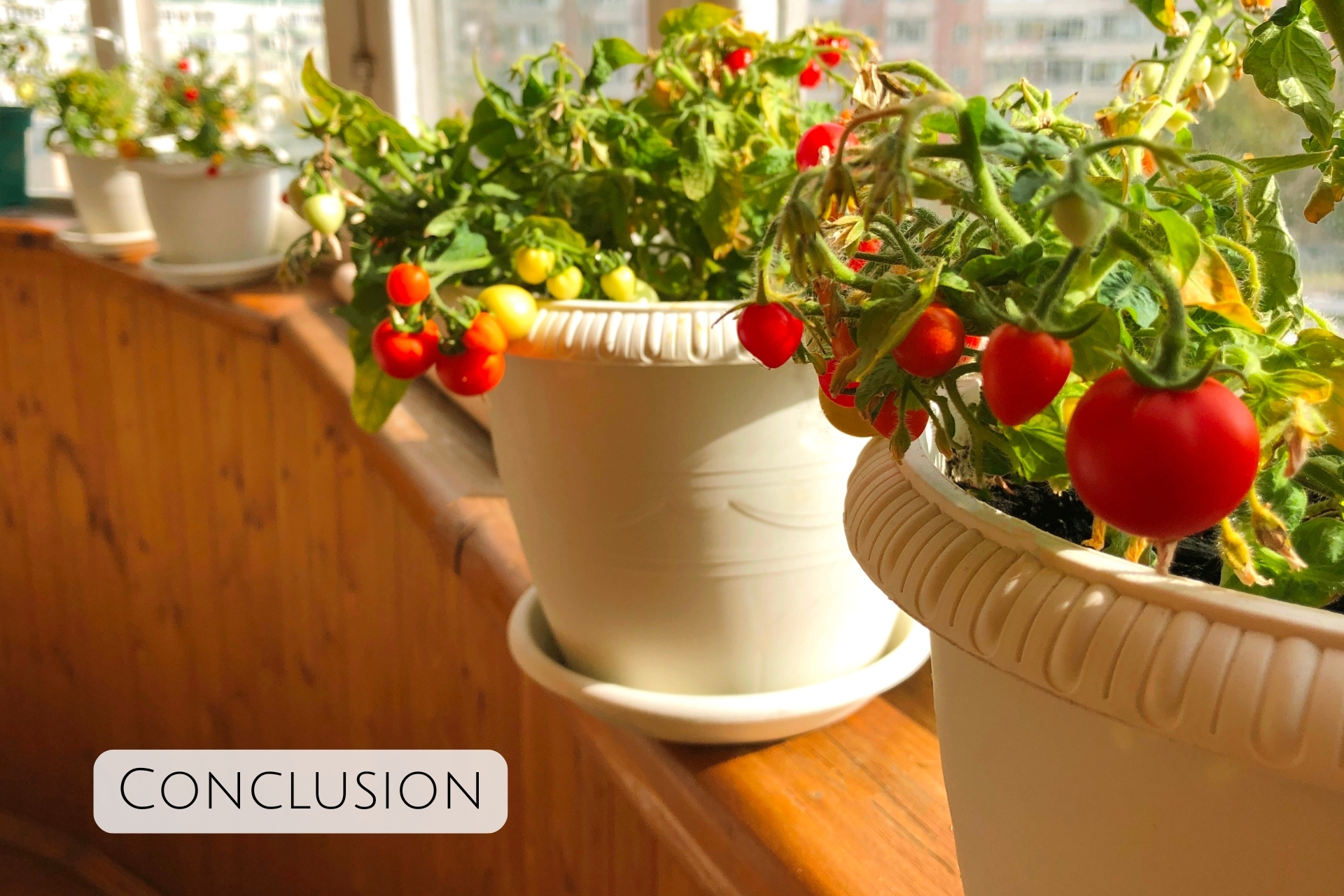
Creating a zero-waste kitchen garden is more than a cost-effective hobby; it is a meaningful step toward environmental responsibility. By utilizing limited space wisely, practicing composting, and selecting suitable plants, you contribute to reducing waste and promoting biodiversity. Growing your own food is immensely rewarding. A sustainable kitchen garden not only delights with fresh flavors, but also benefits the planet by cutting food miles, conserving resources and enriching biodiversity. Each seed you plant is a step toward self-reliance, health and a greener lifestyle. As one gardening guide notes, designing and cultivating a kitchen garden “is an immensely rewarding and empowering experience… By growing your own food, you contribute to sustainability, reduce your carbon footprint, and enjoy fresh, organic produce”. So roll up your sleeves and start planting – you’ll soon taste the joy of homegrown harvests and the positive impact they bring.
Knowledge Hub

700W vs 1000W Mixer Grinder: What the Wattage Actually Buys You — and When It Doesn't
Stand in any appliance aisle in India and you'll see the same little ritual. Someone picks up a mixe...
7 Kitchen Gadgets Indians Actually Use Every Day
Open any Indian kitchen drawer and you'll find at least one appliance still in its box, bought durin...

Air Fryer vs OTG: Which One Makes More Sense for an Indian Kitchen?
Your mother-in-law swears by the OTG she's used for fifteen years. Your Instagram feed insists you n...

How to Choose Nonstick Bakeware That Actually Lasts
Introduction: Most people don't think much about bakeware until something goes wrong — a cake that w...

Choosing the Right Kitchen Knife Set for Your Home
Introduction: Walk into most Indian kitchens and you'll find the same story: a drawer full of knives...

Pack Smart for Your Next Fly Fishing Adventure: The Essential Tackle & Backpack Guide
Introduction: A successful fly fishing trip starts long before you cast your first line. Whether you...