
Eco-Lawn Care: How to Maintain a Healthy Lawn While Saving Water

Introduction:
In a country where water scarcity increasingly threatens urban and rural areas alike, maintaining a lush green lawn often feels like a contradiction to environmental responsibility. Yet India's vibrant garden culture remains deeply rooted in the dream of verdant lawns and thriving green spaces. The challenge lies not in choosing between beauty and sustainability, but in understanding how to achieve both through intelligent, water-conscious lawn management. By adopting strategic practices tailored to India's diverse climates—from the scorching summers of Delhi to the humid monsoons of Mumbai and coastal regions—homeowners can nurture beautiful, resilient lawns while simultaneously conserving precious water resources. This guide explores scientifically-proven techniques and practical solutions that transform lawn maintenance from a water-intensive luxury into a sustainable, eco-friendly practice that works in harmony with nature rather than against it.
Understanding Your Lawn's Water Needs:
One of the most destructive myths about lawn care is that lawns require daily watering to remain healthy. In reality, this belief wastes enormous quantities of water while creating weaker, more disease-prone grass. The truth is that a well-established lawn needs only 1-1.5 inches of water per week—whether from rainfall or irrigation—to thrive. The key to water efficiency lies in how you deliver this water, not how frequently you irrigate.
Shallow, frequent watering creates shallow root systems that make grass vulnerable to drought, disease, and insect pests. When grass is watered lightly every day, roots remain in the upper soil layers where evaporation rapidly depletes moisture. This forces you into a cycle of constant watering to keep the grass from wilting. Conversely, deep, infrequent watering (2-3 times per week) encourages roots to grow deeper into the soil, accessing moisture reserves even during dry periods. A lawn with deep roots becomes inherently drought-tolerant, requiring less frequent irrigation and remaining green even when water restrictions are imposed.
Key Benefits of Eco-Lawn Care for Water Conservation and Environmental Health:
Implementing eco-lawn care practices significantly contributes to water conservation and environmental sustainability. By selecting drought-tolerant grass species and reducing irrigation frequency, homeowners can cut water usage by up to 50%, alleviating pressure on local water supplies. Additionally, healthy, well-managed lawns improve soil structure and promote natural water infiltration, minimizing runoff and erosion. Eco-friendly fertilization and pest control methods reduce chemical runoff, protecting nearby waterways and biodiversity. Beyond environmental advantages, these practices foster resilient lawns better equipped to withstand drought and disease, ultimately lowering maintenance costs. Adopting eco-lawn care is a responsible approach that benefits both personal property and the broader ecosystem.
Choose Drought-Tolerant Grasses and Plants:
- Select low-water turf: Opt for fine fescue or tall fescue turf in cool regions; use bermuda, zoysia, buffalo or bahia grasses in warm regions. These grasses go dormant under extreme drought yet bounce back when moisture returns.
- Mix in natives: Include native flowering perennials and groundcovers that are adapted to your rainfall. Native plants require far less water and fertilizer. They support local ecology and often look more natural than exotic turf.
- Limit traditional lawn: Replace fringe lawn areas with mulch beds, gravel walks or decorative hardscapes. Even small xeriscaped garden beds with drought-tolerant shrubs (sage, lavender, ornamental grasses) save gallons of water.
Smart Irrigation Technologies: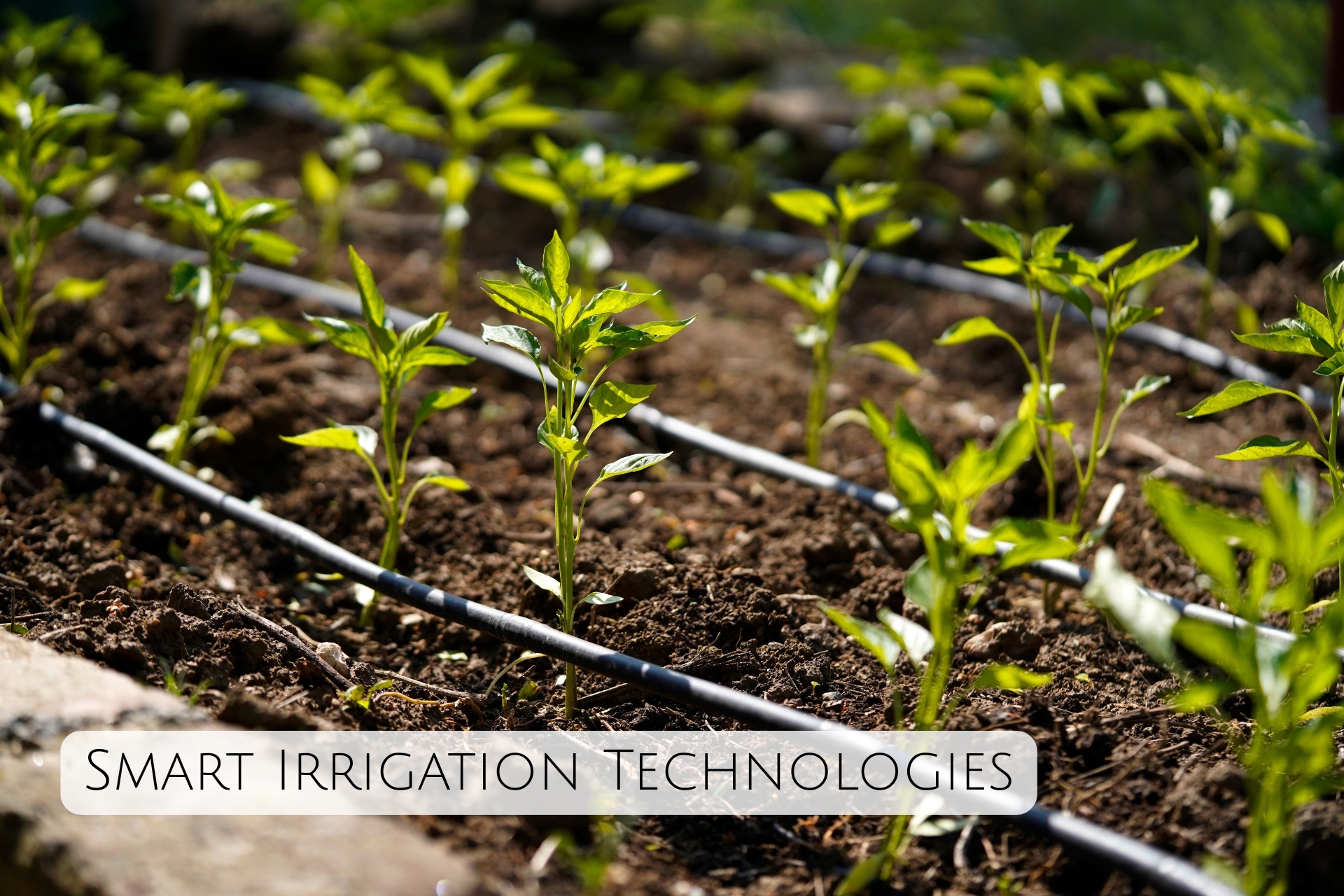
- Use smart controllers: Modern irrigation systems can link to weather data or soil sensors to fine-tune watering. EPA notes that upgrading to a smart irrigation controller can cut watering by up to 30%. These “smart” systems postpone watering during rain or damp periods and ensure plants get just the right amount.
- Install rain/soil sensors: Simple add-ons like rain shutoff switches and tensiometers pay for themselves by preventing waste. For example, the Angolalark self-watering drip kit sold on Chimiya uses adjustable spikes to deliver water directly to plant roots, minimizing waste. Drip emitters or soaker hoses use 20–50% less water than sprinklers because they eliminate evaporation.
- Pick efficient heads: If you have a sprinkler system, use nozzles and heads designed for efficiency (e.g. pressure-regulated, matched precipitation rates). Consider cycling watering (split into multiple short runs) to avoid runoff and allow absorption.
Effective Techniques for Reducing Water Consumption in Lawn Care:
Water consumption in lawn care represents one of the largest discretionary uses of residential water in urban India. While average household water use per capita stands at 135 liters daily for essential needs (drinking, cooking, sanitation), lawn irrigation often adds 50-100+ additional liters, particularly during summer months when evaporation peaks. Understanding and implementing evidence-based water reduction techniques can cut lawn irrigation needs by 40-70% while maintaining or improving grass health.
1. Soil Assessment and Preparation: The Foundation of Water Efficiency: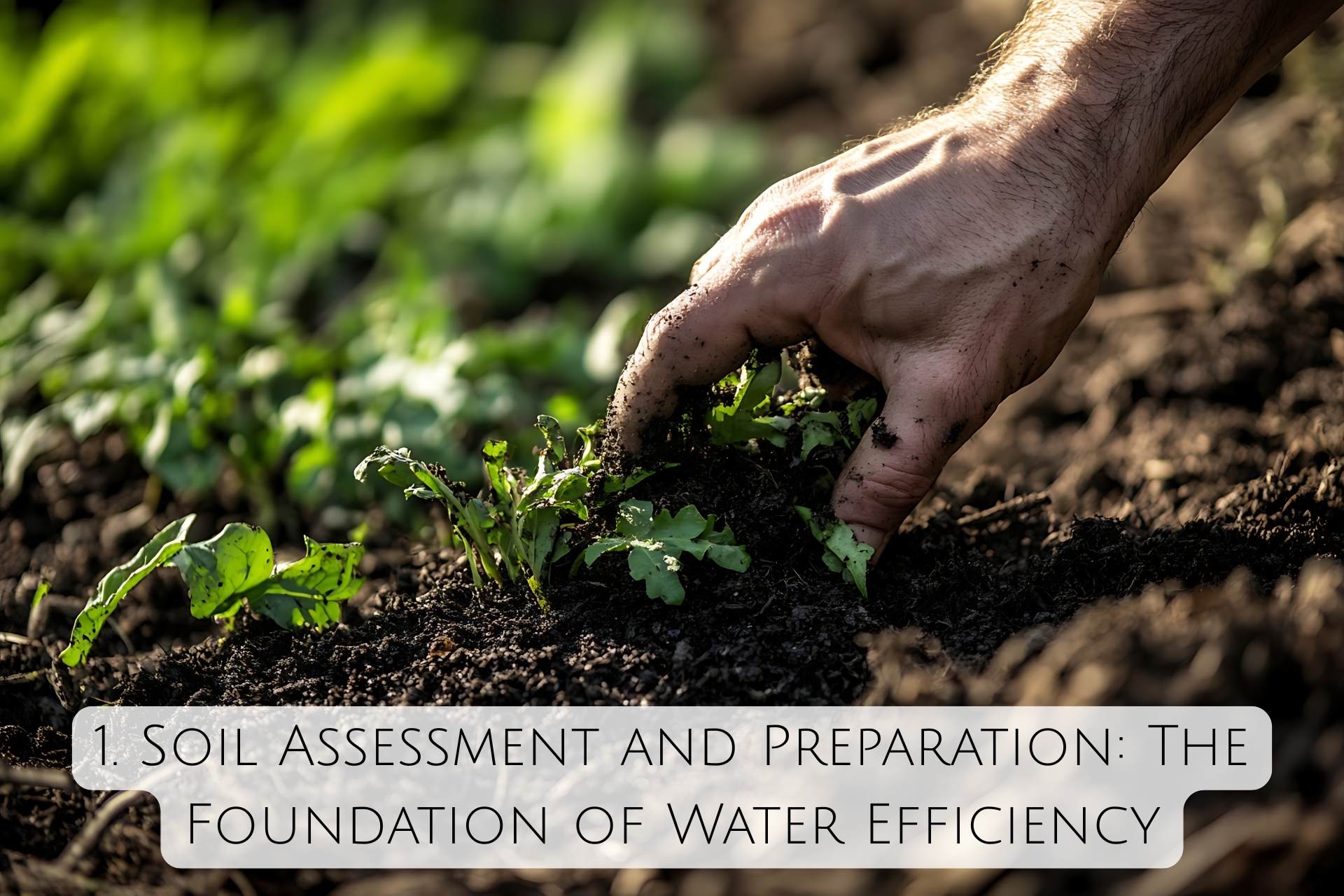
Before implementing any water-saving technique, understanding your soil's inherent water-holding capacity is essential. Soil type—whether sandy, loamy, or clay—dramatically influences how much water it retains. Sandy soils, common in many Indian regions, drain rapidly and cannot hold moisture effectively; clayey soils retain water but often suffer from poor drainage and compaction issues.
A simple soil assessment involves taking samples from multiple lawn areas at 4-6 inch depth, feeling the texture, and observing water infiltration rates. Sandy soils feel gritty and drain water almost immediately (within seconds); loamy soils feel slightly moist and crumbly with moderate drainage (5-15 seconds); clay soils feel sticky and drain very slowly (30+ seconds). This assessment reveals whether your lawn needs drainage improvement or moisture retention enhancement.
2. Deep Watering Protocol: Retraining Turf Grass Roots: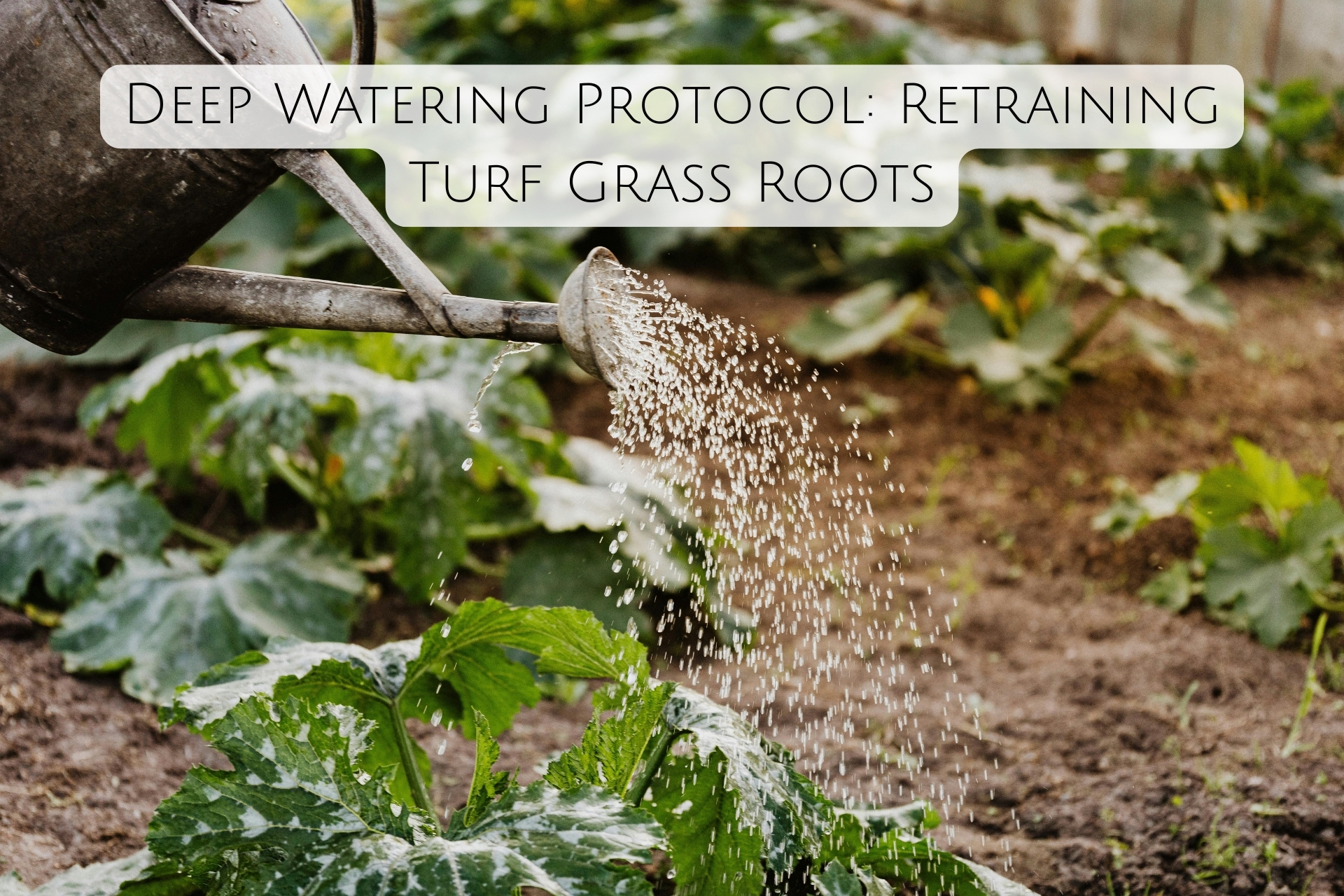
The most impactful water-saving technique involves fundamentally changing how you water lawns. Instead of shallow daily sprinkling, implement the "deep watering protocol"—less frequent but more thorough watering that encourages deep root development.
The protocol: Water for 30-45 minutes, 2-3 times weekly (depending on season), aiming to deliver 1.5 inches of water per week total. This depth—equivalent to watering until soil 6-8 inches below the surface becomes moist—forces grass roots to extend downward seeking moisture, developing the robust root systems that characterize drought-tolerant lawns.
3. Mulching as Primary Water Conservation Strategy: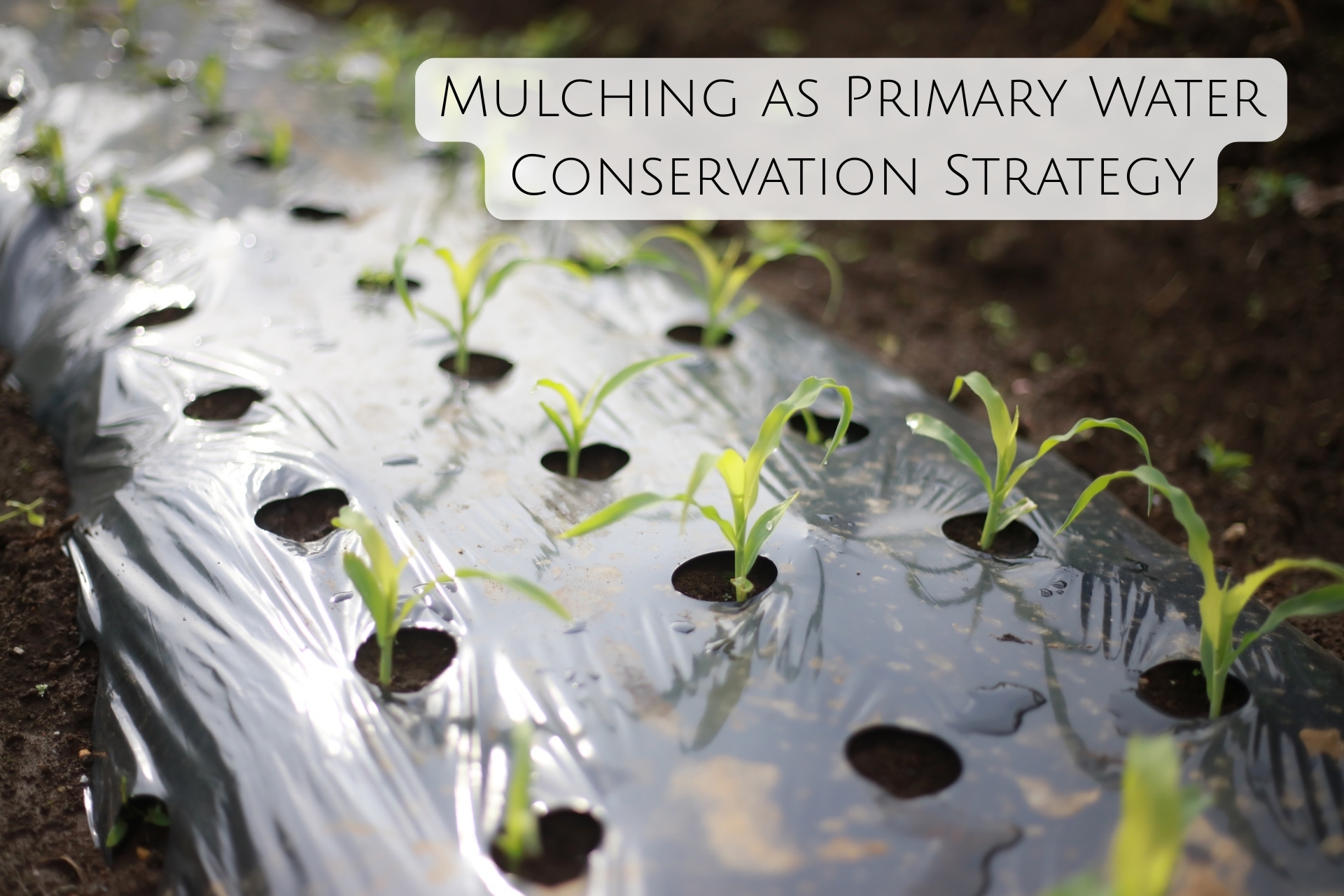
Organic mulch represents perhaps the single most effective water-conservation tool in landscape management. A 3-4 inch layer of mulch around trees, shrubs, and at lawn margins reduces soil evaporation by 50-75%, dramatically decreasing irrigation frequency.
Types of Mulch for Indian Climates:
- Wood chips and shredded bark: Ideal for Indian gardens; take 2-3 years to decompose, providing extended moisture retention. As they decompose, they enrich soil with organic matter.
- Compost: Enriches soil while retaining moisture; more suitable for garden beds than extensive lawn areas due to cost.
- Grass clippings: From mulching mowers, these recycle nutrients while improving moisture retention. Stack clippings 2-3 inches deep around plant bases.
- Straw or hay: Effective but can introduce weed seeds; use weed-free straw obtained from specialty suppliers.
- Leaf litter: Free mulch from composting fallen leaves; excellent for native plant areas.
Selecting Drought-Resistant Grass Varieties for Sustainable Lawns:
Selecting drought-resistant grass varieties is a pivotal step toward sustainable lawn care. These grasses have evolved to thrive with minimal water, making them ideal for eco-friendly landscapes. Popular options include Bermuda, Buffalo, and Zoysia grasses, which exhibit deep root systems and enhanced heat tolerance. Choosing native or adapted species further ensures resilience in local climate conditions. By incorporating drought-resistant grasses, homeowners can significantly reduce irrigation needs without compromising lawn quality. This approach not only conserves water but also decreases reliance on fertilizers and pesticides, promoting an environmentally balanced ecosystem. Ultimately, selecting the right grass variety complements water-saving practices and fosters a vibrant, sustainable lawn year-round.
Common Challenges in Eco-Lawn Care and Strategies to Overcome Them:
While eco-lawn care offers numerous benefits, it also presents specific challenges that require mindful management. Common issues include weed invasion, pest pressure, and soil compaction, which can affect the health of drought-resistant grasses. To address weeds, implementing proper mowing heights and promoting dense turf growth helps suppress unwanted plants naturally. Integrated pest management (IPM) techniques prioritize biological controls and minimize chemical use. Aeration and organic soil amendments improve soil structure, enhancing water infiltration and root development. Regular monitoring and timely interventions ensure the lawn remains resilient. By proactively addressing these challenges with sustainable strategies, homeowners can maintain a robust, eco-friendly lawn that conserves water and supports biodiversity effectively.
How Chimiya Transforms Your Lawn Care into an Effortless, Water-Conscious Practice:
Chimiya equips eco-conscious gardeners with an exceptional array of water-efficient lawn and garden tools, smart irrigation systems, and sustainable maintenance products that make water-conscious lawn care practical and accessible. From precision drip irrigation kits with adjustable emitters that deliver water directly to plant roots while reducing evaporation by up to 50%, to the revolutionary smart moisture meter with digital display that removes guesswork from irrigation decisions, Chimiya provides the foundation for intelligent water management.
The store's extensive garden and outdoor collection includes professional-grade mulch spreaders for easy, consistent mulch application, ergonomic soil aerators and compost tumblers for building soil organic matter, and rain gauge kits enabling precise measurement of water delivery. Whether you need cordless electric lawn mowers with mulching blades that recycle clippings while operating quietly and eco-consciously, long-reach weeding tools reducing the need for chemical herbicides that contaminate groundwater, or sustainable garden hose alternatives made from recycled materials, Chimiya delivers quality products with free shipping across India.
By shopping at Chimiya, you're not just investing in lawn maintenance tools—you're embracing a comprehensive ecosystem of water-efficient solutions that transform garden care from resource-intensive labor into an elegant, sustainable practice where every drop of water is honored and maximized for optimal plant health and environmental stewardship.
Conclusion:
In conclusion, adopting eco-friendly lawn care practices is essential for creating a healthy, resilient lawn that conserves water and supports the environment. By selecting drought-tolerant grass varieties, optimizing watering schedules, and employing sustainable maintenance techniques such as proper mowing, aeration, and integrated pest management, homeowners can achieve a thriving lawn with reduced resource consumption. These practices not only preserve water but also promote soil health and biodiversity, contributing to a balanced ecosystem. Embracing eco-lawn care requires commitment and regular attention but ultimately yields long-term benefits for both the landscape and the community. Prioritize sustainability today to enjoy a lush, green lawn that reflects environmental stewardship.
Knowledge Hub

How to Choose Nonstick Bakeware That Actually Lasts
Introduction: Most people don't think much about bakeware until something goes wrong — a cake that w...

Choosing the Right Kitchen Knife Set for Your Home
Introduction: Walk into most Indian kitchens and you'll find the same story: a drawer full of knives...

Pack Smart for Your Next Fly Fishing Adventure: The Essential Tackle & Backpack Guide
Introduction: A successful fly fishing trip starts long before you cast your first line. Whether you...

The Complete Pet Supplies Guide: Everything You Need for Every Kind of Pet
Introduction: Do you have a pet at home? Maybe you have a dog, a cat, a bird, a fish, or even a hors...

Gear Up for Adventure: A Beginner's Essential Camping Packing Guide
Introduction: Camping is an exciting way to connect with nature, but a little planning goes a long w...

Microphone Quality Matters: Why a Good Mic Is Essential in Gaming Headsets
Gaming headsets have become a staple for serious players, offering immersive sound and the ability t...