
Grooming Glove vs. Deshedding Rake vs. Vacuum Attachment
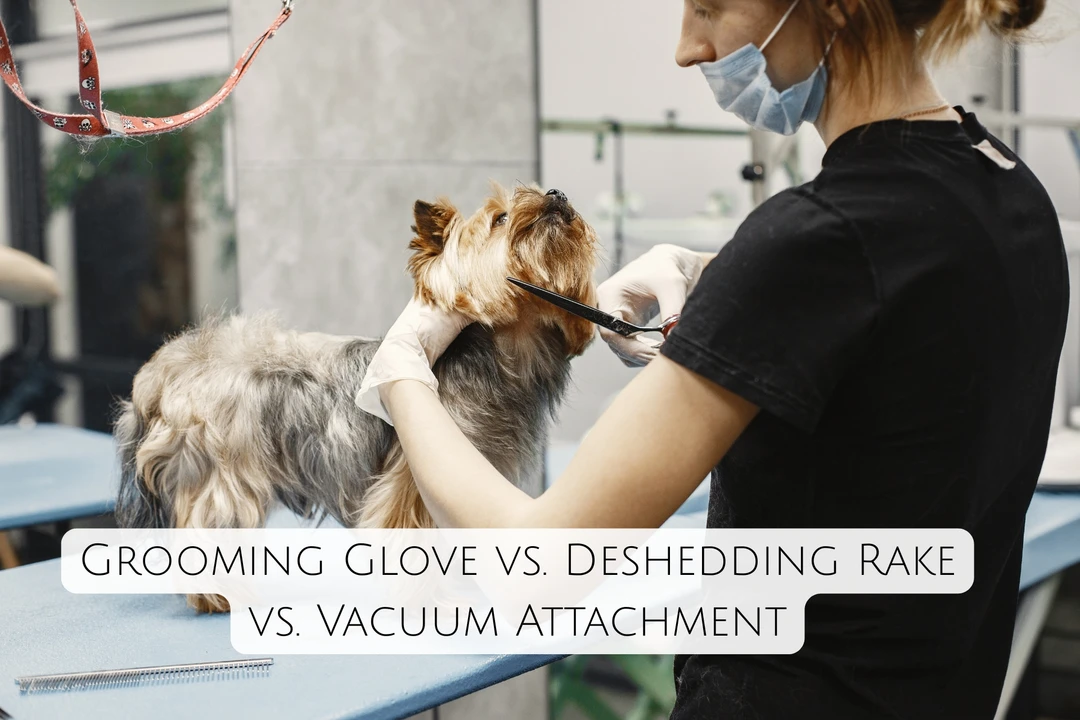
Somewhere around March, your sofa starts looking like it's grown its own fur coat. Tufts on the curtains. A fine dusting on every dark t-shirt you own. Your dog or cat isn't shedding more because something's wrong — they're doing exactly what their body is built to do before the heat properly sets in.
The deshedding tool debate — grooming glove versus deshedding rake versus vacuum attachment — isn't really about which one is "best." It's about which one actually matches your pet's coat type, because using the wrong tool wastes your time and, in the case of a rake used carelessly, can genuinely irritate skin that's already dealing with Indian summer heat.
This isn't a minor distinction either — the wrong tool on the wrong coat isn't just inefficient, it can leave a pet actively dreading grooming sessions, which makes every future session harder than it needs to be.
Quick answer: Grooming gloves suit short, single-coated pets and sensitive groomers who dislike brushes. Deshedding rakes are built for double-coated breeds with heavy undercoat, like Golden Retrievers, Huskies, and Spitz mixes, during peak shedding season. Vacuum attachments work best for quick maintenance and picking up loosened fur between deeper sessions, not as a primary deshedding tool.
01 WHY INDIAN SUMMER TRIGGERS HEAVY SHEDDING:
Pets, especially double-coated breeds, shed their dense winter undercoat as temperatures climb — a process groomers call "blowing coat." In India, this typically intensifies from February through April, well before peak summer heat actually arrives.
Humidity compounds the problem. Loose undercoat trapped against skin in humid weather mats faster, traps heat against the body, and can contribute to hot spots or skin irritation if it isn't cleared out regularly during shedding season.
02 THE GROOMING GLOVE: GENTLE, BUT LIMITED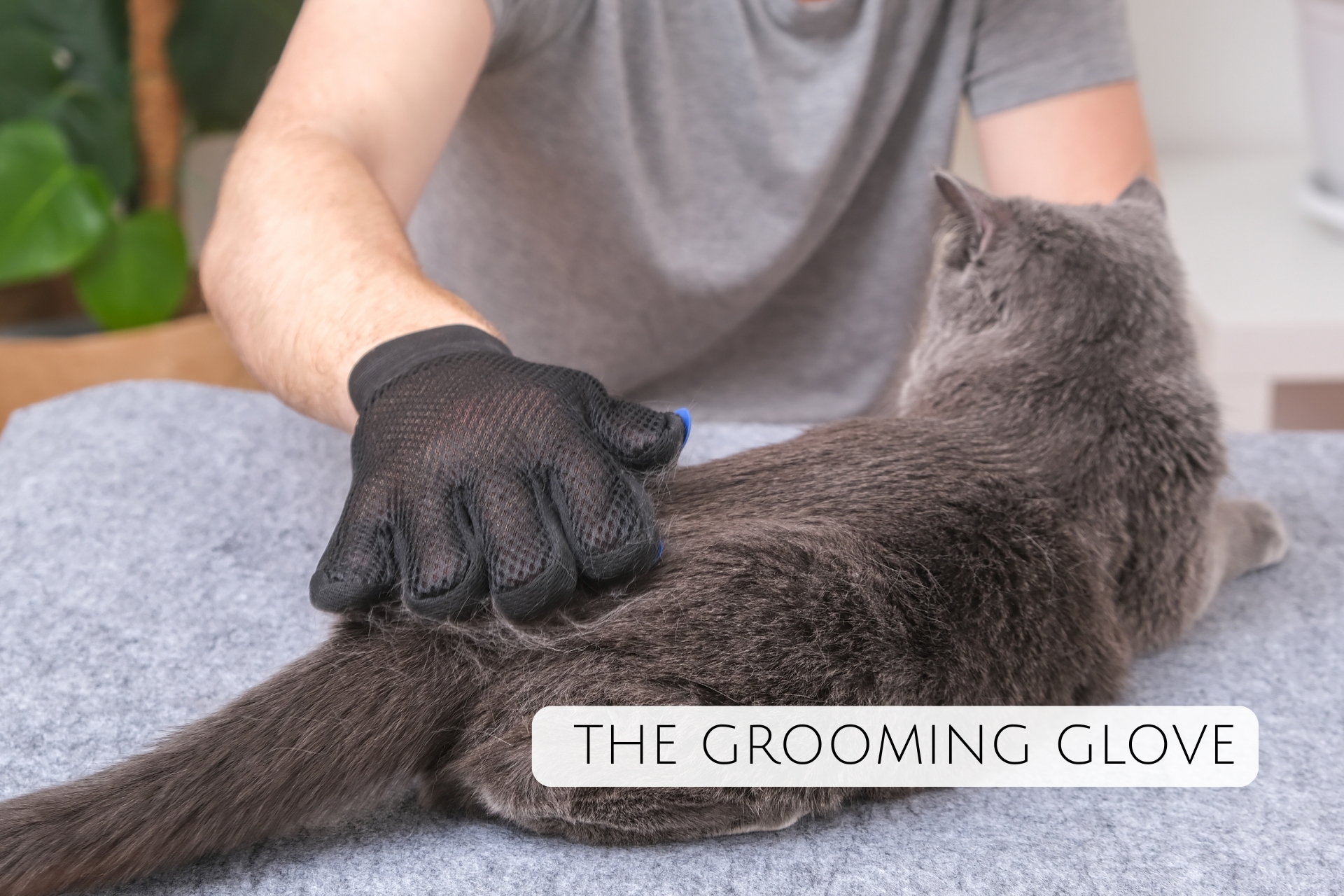
A grooming glove is essentially a mitt with rubber or silicone nubs on the palm, worn like an actual glove so petting and deshedding happen simultaneously.
Where It Genuinely Works:
- Short, single-coated breeds — indie dogs, Beagles, Boxers, most short-haired cats — respond well, since there's no dense undercoat layer to fight through.
- Anxious or brush-averse pets often tolerate a glove far better than a rake or slicker brush, since it feels like petting rather than grooming.
- Daily light maintenance between deeper sessions, catching loose surface hair before it ends up on furniture.
Where It Falls Short:
- Heavy undercoat is mostly untouched. A glove works the surface layer; it doesn't reach the dense underlayer double-coated breeds blow out each season.
- It's slow going for a pet shedding heavily — expect to spend meaningfully longer than with a purpose-built deshedding tool.
03 THE DESHEDDING RAKE: BUILT FOR THE UNDERCOAT
A deshedding rake — the category most people know by the brand name Furminator — uses fine, closely spaced teeth designed to reach through the topcoat and pull loose undercoat hair out without cutting the guard hairs above it, when used correctly.
Where It Genuinely Works:
- Double-coated breeds — Golden Retrievers, Labradors, Huskies, German Shepherds, Spitz and Spitz-mix dogs common across Indian households — are exactly what this tool is designed for.
- Peak shedding season is where a rake earns its keep, pulling out weeks' worth of loose undercoat in a single thorough session.
- Two to three sessions weekly during heavy shedding months keeps fur volume manageable without overdoing it.
Where It Falls Short — and the Real Caution:
- Wrong coat type, real damage. Used on a single-coated breed or a cat with thin fur, a rake can scrape skin or thin out the coat unnecessarily — this tool is coat-specific, not universal.
- Overuse causes irritation. Daily raking, especially on already-hot, humid skin, can cause redness or discomfort — shedding season calls for consistency, not daily aggression.
- Matted coats need pre-work. Running a rake through mats without loosening them first can pull painfully at skin — a wide-tooth comb should handle mats before the rake comes out.
"The tool that clears the most fur fastest isn't automatically the right one for your pet's coat."
04 THE VACUUM ATTACHMENT: MAINTENANCE, NOT DEEP DESHEDDING: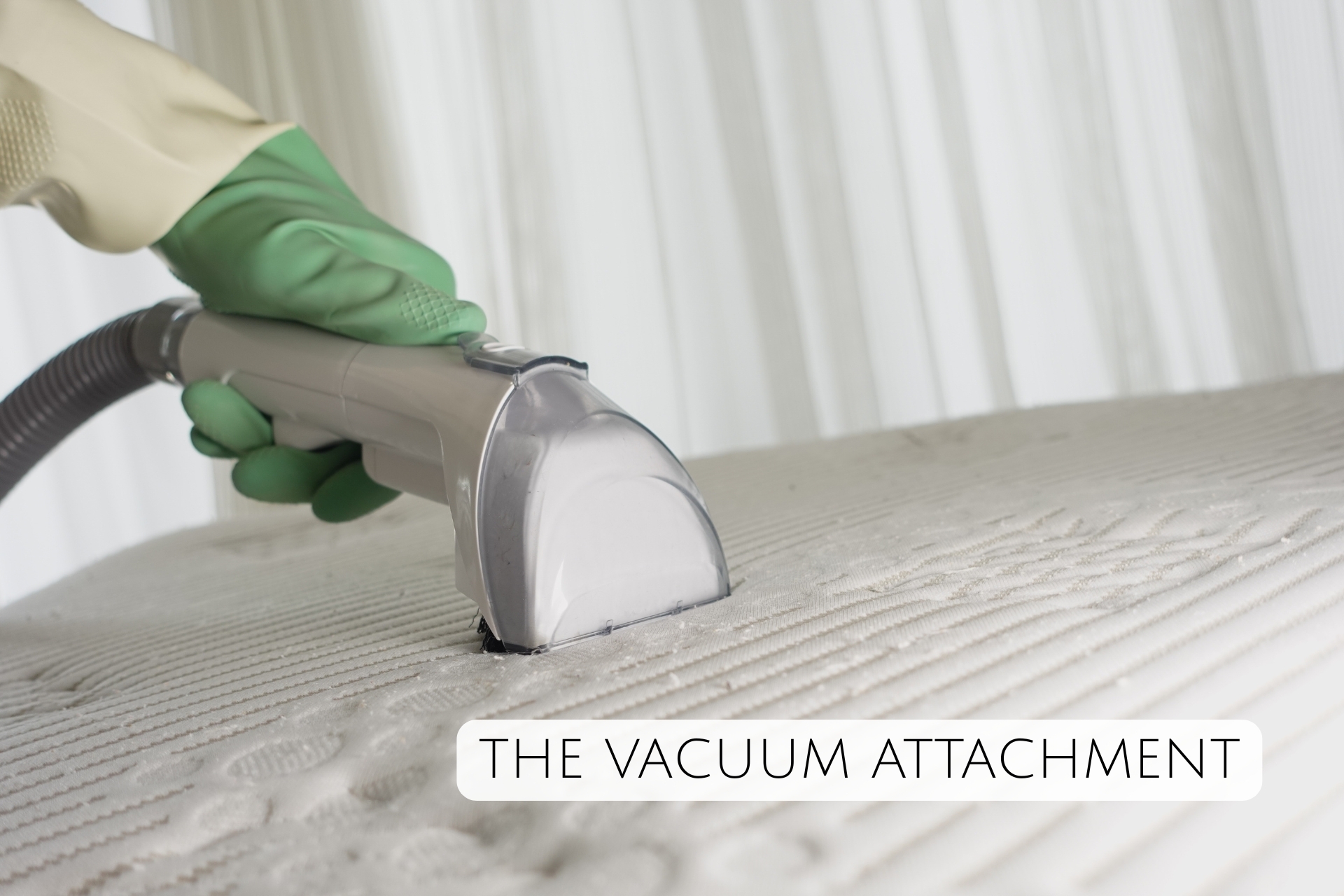
Pet-specific vacuum attachments — brush heads designed to run directly over a pet's coat while connected to a vacuum — have grown popular for their instant cleanup factor, sucking up loose fur as it's removed rather than leaving it to scatter.
Where It Genuinely Works:
- Quick maintenance between sessions, especially useful for picking up surface fur without a full grooming routine each time.
- Reduced airborne fur and dander, a real benefit for allergy-sensitive households, since loose hair goes straight into the vacuum rather than floating around the room.
- Pets who tolerate the vacuum's noise and vibration sometimes respond better to this than a rake, particularly cats who dislike the pulling sensation of raking.
Where It Falls Short:
- It's not a substitute for undercoat removal on heavily double-coated breeds during peak shedding — think of it as cleanup, not the primary deshedding step.
- Noise sensitivity is common. Many pets need gradual desensitization to the vacuum sound before they'll tolerate it anywhere near their body.
05 MATCHING THE TOOL TO YOUR PET'S COAT TYPE:
- Short, single coat (indie dogs, Beagles, Boxers, most cats): grooming glove for regular maintenance; rake generally unnecessary.
- Double coat, heavy undercoat (Golden Retriever, Labrador, Husky, GSD, Spitz mixes): deshedding rake 2-3x weekly during shedding season, glove for daily light upkeep between sessions.
- Long, silky coat (Shih Tzu, Lhasa Apso, long-haired cats): skip the rake — it risks damaging delicate long hair. A slicker brush and wide-tooth comb are the safer combination.
- Cats generally: a glove or cat-specific deshedding tool works better than a dog-oriented rake, since feline skin is more sensitive to aggressive raking.
06 TECHNIQUE TIPS THAT ACTUALLY MATTER:
- Bathe before a deep deshedding session when possible — a bath genuinely loosens dead undercoat, making the rake or glove noticeably more effective afterward.
- Always brush in the direction of hair growth, never against it, to avoid skin irritation regardless of which tool you're using.
- Stop if you see redness or the pet showing discomfort. No deshedding session should cause visible skin stress — that's a signal to switch tools or technique, not push through.
07 A COMMON MYTH WORTH RETIRING:
Shaving a double-coated dog to "help with the heat" is one of the most persistent, well-intentioned mistakes in Indian pet care. That undercoat isn't just insulation against cold — it also regulates body temperature and protects skin from direct sun.
Shaving it off removes that protection entirely, leaving skin exposed to sunburn and, in some cases, permanently damaging the coat's ability to regrow properly. Deshedding, not shaving, is the actual solution for a double-coated pet struggling through Indian summer.
08 WHERE DIET FITS INTO THE SHEDDING CONVERSATION:
Coat health isn't purely a grooming-tool problem — nutrition plays a genuine role in how much a pet sheds and how healthy that coat looks between shedding cycles.
- Omega-3 fatty acids, commonly found in fish oil supplements, support skin barrier health and can noticeably reduce excessive shedding over several weeks of consistent use.
- Protein quality matters more than most pet owners realize — a diet low in quality protein shows up in coat condition before almost anything else.
- Hydration affects skin condition too, particularly relevant in Indian heat where pets can run mildly dehydrated without obvious symptoms, which shows up as a duller, more brittle coat.
None of this replaces a proper deshedding routine, but a genuinely well-fed pet generally sheds less dramatically and regrows coat more evenly than one on a lower-quality diet.
09 COMMON MISTAKES WORTH AVOIDING:
- Only grooming during visible peak shedding. Light, consistent maintenance year-round keeps shedding manageable; waiting until the sofa is covered in fur means starting from a much harder position.
- Skipping the undercoat entirely and only brushing the topcoat, which looks like progress but leaves the actual source of heavy shedding untouched.
- Using human hairbrushes instead of pet-specific tools — the tooth spacing and material genuinely matter for both effectiveness and your pet's comfort.
- Ignoring indie and mixed-breed coat variation. A huge share of Indian pets are indie or mixed breed with genuinely unpredictable coat types — assess the actual coat in front of you rather than assuming based on general breed appearance.
10 INTRODUCING A NEW TOOL TO A RELUCTANT PET:
A lot of deshedding tools get abandoned in a drawer after one bad first session, not because the tool was wrong, but because it was introduced too fast for a pet that had never felt anything like it before.
- Let them sniff and inspect the tool first, away from any grooming context, so it doesn't immediately register as something to brace against.
- Start with short, one-to-two-minute sessions on a calm day, building duration gradually rather than attempting a full deshedding pass on day one.
- Pair sessions with a treat or genuine praise so the association builds positively — this matters more for rakes and vacuum attachments than for gloves, which usually need less convincing.
- Watch body language, not just tolerance. A pet that goes still and rigid isn't necessarily calm — it may be freezing rather than relaxing, worth distinguishing before continuing.
11 ADJUSTING FREQUENCY FOR YOUR SPECIFIC CLIMATE:
India's climate diversity means shedding season doesn't look identical everywhere, and grooming frequency should flex accordingly rather than following one generic national schedule.
- Coastal, high-humidity cities like Mumbai or Chennai see faster matting and more consistent shedding pressure year-round, not just a sharp seasonal spike — slightly more frequent light sessions help here.
- Drier northern regions tend to show a more concentrated, intense shedding window around the spring transition, where a more aggressive rake schedule for a few weeks makes more sense than year-round intensity.
- Homes with regular AC use can actually see somewhat reduced shedding intensity compared to non-AC homes, since consistent indoor temperature reduces the seasonal trigger — though it doesn't eliminate the natural cycle entirely.
12 THE BOTTOM LINE
There's no single winner in the grooming glove vs deshedding rake vs vacuum attachment debate — each earns its place for a specific coat type and situation. A rake for double-coated breeds during peak shedding season, a glove for short coats and daily maintenance, a vacuum attachment for quick cleanup and allergy-conscious households.
Match the tool to your pet's actual coat, not to whichever gadget has the most convincing demo video. Get that match right, and shedding season stops being a war against your sofa and starts being a manageable, twice-weekly routine.
Knowledge Hub

Grooming Glove vs. Deshedding Rake vs. Vacuum Attachment
Somewhere around March, your sofa starts looking like it's grown its own fur coat. Tufts on the curt...

Drawer Dividers vs. Rolling Carts vs. Door Organizers: Match the Organizer to the Mess, Not the Room
Why the “kitchen organizer” you bought is failing in the kitchen — and the 30-second test that fixes...

Do Vegetable Choppers Really Save Time, or Just Move It to Cleanup? An Honest Minutes-Per-Meal Breakdown
It's 7:40 pm. The pressure cooker is hissing, someone's asking what's for dinner, and you're standin...

Do Garden Grow Bags Actually Work Better Than Pots?
You're scrolling through a gardening page, and there it is again — another post insisting grow bags...

Cast Iron, Stainless Steel & Non-Stick
Every Indian kitchen ends up with some combination of all three — a heavy iron kadhai from your gran...
Cast Iron vs Stainless Steel vs Non-Stick: When to Use Each
Every Indian kitchen ends up with some combination of all three — a heavy iron kadhai from your gran...