
How to Pick an Aquarium Starter Kit Without Wasting Money

You've probably seen the same story play out in someone's house — a colorful aquarium starter kit bought with excitement, three dead fish in the first month, and now it's either sitting empty on a shelf or been sold off at half price.Nobody sets out to fail at fishkeeping. Most people just get sold the wrong kit.
Picking an aquarium starter kit without wasting money isn't about finding the cheapest box on the shelf — it's about understanding which components actually matter for keeping fish alive, and which ones are just packaging filler designed to make a kit look more complete than it needs to be.
Let's go through exactly what makes a starter kit worth buying, what to skip, and how to avoid the mistakes that turn a fun hobby into an expensive lesson in what not to do.
Quick answer: A good aquarium starter kit needs a properly sized tank (at least 20 litres for beginners), a working filter, a heater if you're keeping tropical fish, and a basic water test kit. Skip kits that bundle unnecessary gravel colors, decorative gimmicks, or undersized tanks — these add cost without improving your fish's actual survival odds.
Why Most Aquarium Starter Kits Are a Trap
Walk into any pet store and you'll see brightly packaged "complete" aquarium kits promising everything you need in one box. Most of them are built around one goal: looking appealing on a shelf, not keeping fish healthy long-term. The tanks are frequently too small, the filters are often underpowered for the tank size they're paired with, and the included accessories are usually more decorative than functional.
This isn't a conspiracy — it's just how retail packaging works. A kit that looks impressive and costs less sells better than one that's actually appropriately sized and equipped. The problem is that the difference shows up a few weeks in, usually as cloudy water, stressed fish, or a tank that's already too small for anything except a single unhappy goldfish.
What an Aquarium Starter Kit Actually Needs
Tank Size: Bigger Is Genuinely Easier, Not Harder
This is the single most counterintuitive thing about starting an aquarium: smaller tanks are harder to maintain, not easier. Water quality swings faster in a small volume of water — a slight overfeeding mistake or a missed water change hits a 5-litre bowl far harder than a 40-litre tank.
- Aim for at least 20 litres, even for a beginner setup — this gives enough water volume to buffer against the small mistakes everyone makes when they're new to the hobby.
- Avoid bowl-shaped tanks and "betta bowls" entirely, despite how commonly they're marketed for beginners. The curved shape reduces surface area for oxygen exchange and makes filtration difficult to fit properly.
- Rectangular tanks with a flat top are easier to fit a proper filter and lid onto, and they're the standard shape for a reason — practicality, not just tradition.
Filtration: The Non-Negotiable Component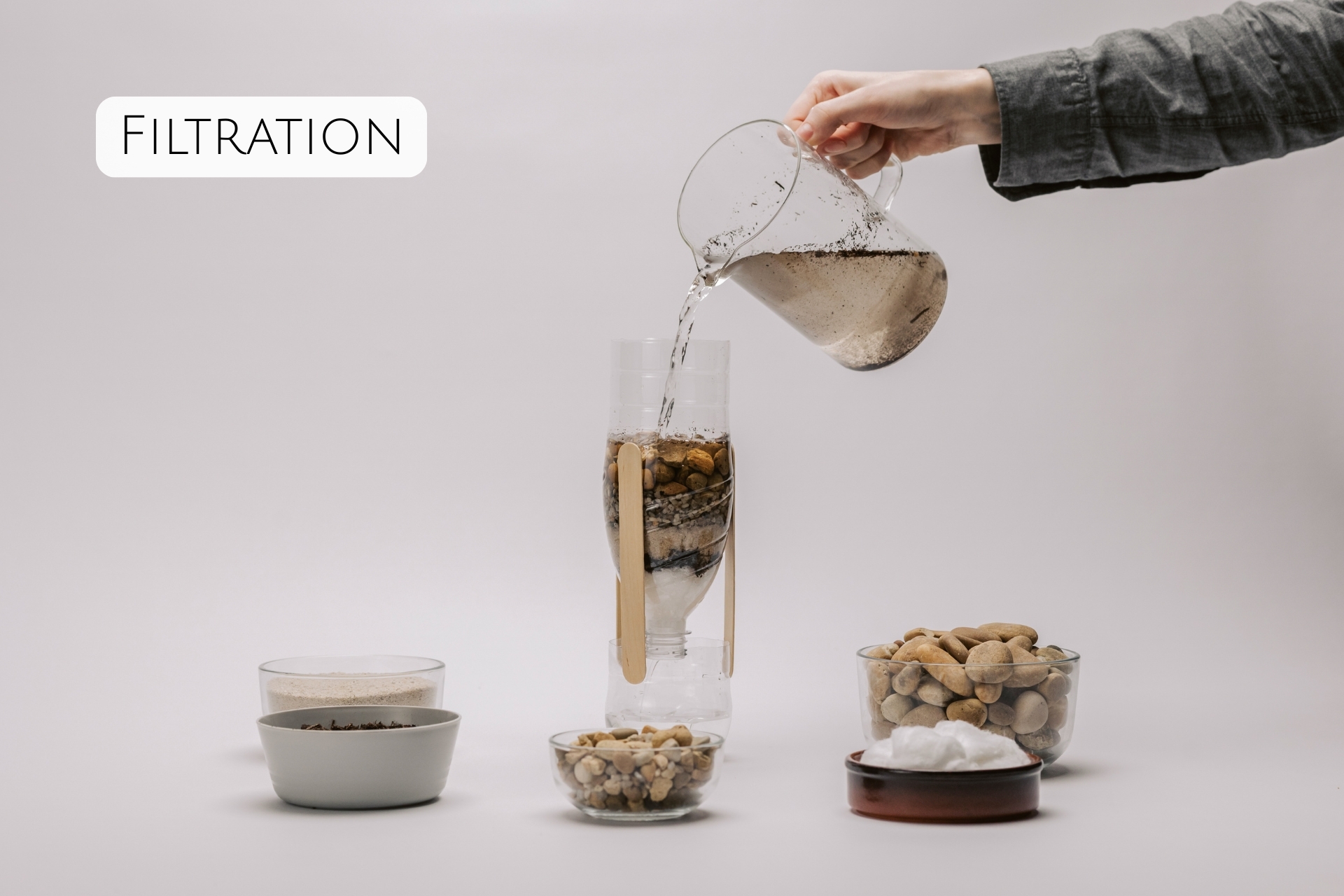
If there's one thing worth spending real money on, it's the filter. This is what keeps ammonia and waste from building up to lethal levels, and it's the single most common point where cheap starter kits cut corners.
- Match filter capacity to tank size, and ideally go slightly above the tank's rated volume rather than exactly matching it — a filter working at its limit constantly is one that fails faster.
- Sponge or hang-on-back filters are both beginner-friendly and easy to maintain, unlike more complex canister filters that are better suited to experienced hobbyists.
- Don't trust the "filter included" label at face value. Some bundled filters are genuinely underpowered for the tank they're sold with — check the filter's own rated capacity separately from the kit's marketing.
Heating: Not Optional for Tropical Fish
Most popular beginner fish — guppies, tetras, mollies — are tropical species that need stable water temperatures, typically between 24-28°C. India's climate might feel warm enough to skip a heater, but that assumption causes more beginner fish deaths than almost anything else on this list.
- Room temperature isn't stable enough, even in a warm Indian city — nighttime drops, air conditioning, and seasonal shifts all create temperature swings that stress tropical fish.
- A basic adjustable heater with a thermostat is a small cost relative to the fish it protects, and it's genuinely one of the most skippable-looking, most important items on this entire list.
- Cold-water species like goldfish are the exception — they don't need a heater, but they do need considerably more space than most starter kits provide, which is its own common mismatch.
Water Testing: Cheap Insurance Against Dead Fish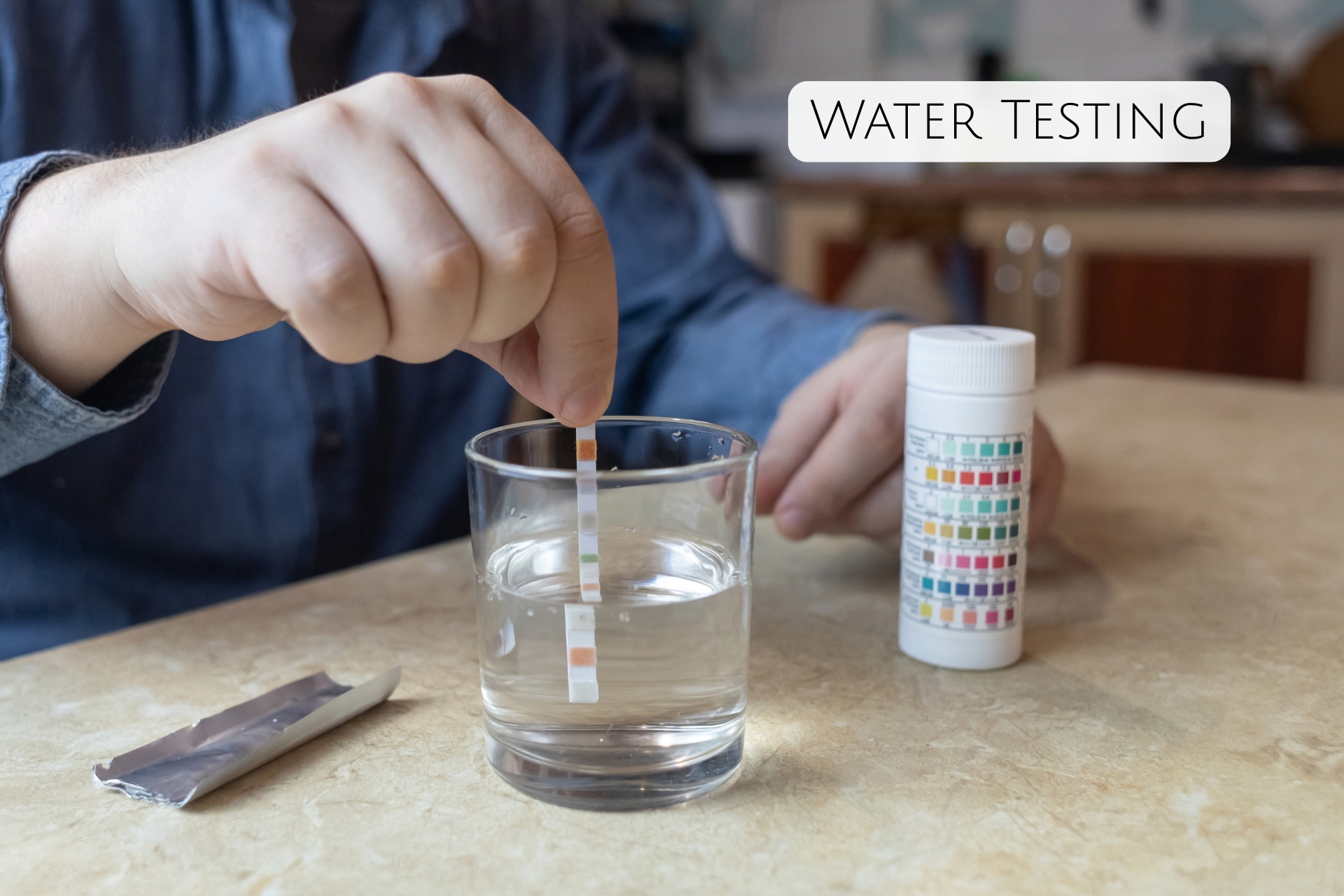
A basic liquid test kit for ammonia, nitrite, nitrate, and pH costs a fraction of what a single lost batch of fish costs, and it's the difference between guessing and actually knowing what's happening in your tank.
- Skip the cheap strip tests if possible, they're less accurate and harder to read precisely than liquid drop test kits.
- Test weekly during the first two months, since this is when the tank is going through "cycling" — the process of beneficial bacteria building up to process fish waste safely.
Placement Matters More Than Most Kits Admit
Where you put the tank affects nearly everything else on this list, yet it's rarely mentioned in starter kit marketing. Direct sunlight causes algae blooms fast, especially in warmer Indian climates, and placing a tank near a window that gets strong afternoon sun is one of the quickest ways to turn clear water green within days.
- Avoid direct sunlight entirely, and keep the tank away from heating or cooling vents that could cause rapid temperature swings.
- Choose a stable, sturdy surface — a filled 20-litre tank weighs significantly more than it looks, and an unstable stand is a genuine hazard, not just an inconvenience.
What You Can Skip in a Starter Kit
- Colored gravel and plastic decorations add cost without any functional benefit — plain gravel or sand works just as well and doesn't inflate the kit price for no reason.
- Fish food included in "complete" kits is often low-quality filler — a decent-quality food bought separately is usually cheaper per feeding and better for the fish anyway.
- Automatic feeders are genuinely unnecessary for a beginner tank with a handful of fish — they're a convenience item for established, larger setups, not a starter necessity.
- Elaborate lighting systems with multiple color modes look nice in a demo but add cost that doesn't improve fish health — a basic light on a timer is all a beginner tank actually needs.
The Real Cost of Cycling a New Tank
Here's something most starter kit marketing conveniently leaves out: you can't just add fish to a brand-new tank on day one and expect them to survive. New tanks need to "cycle" — building up beneficial bacteria that process fish waste — and this takes roughly 4-6 weeks before it's genuinely safe to add a full stock of fish.
- Fishless cycling using a small amount of fish food or a bottled bacteria starter is the safer, more humane approach, rather than using a few "sacrificial" fish to kickstart the process, which was common advice years ago but isn't necessary anymore.
- Rushing this step is the single most common reason beginner aquariums fail in the first month — impatience here costs far more in dead fish and frustration than the few weeks of waiting ever would.
Choosing the Right Starter Fish
Even a perfectly set up tank can go wrong with the wrong fish choices. Some genuinely beginner-friendly species handle the inevitable early mistakes better than others.
- Guppies and platies are hardy, tolerate minor water quality swings reasonably well, and breed easily, which is either a fun bonus or a mild nuisance depending on your perspective.
- Zebra danios are active, resilient, and genuinely good at signaling early water quality problems through visible stress before things get critical.
- Avoid delicate species like discus or certain shrimp as first fish — they demand more stable, precisely controlled conditions than most beginner setups can consistently provide.
Common Mistakes That Waste Money Down the Line
Beyond the initial kit purchase, a few recurring habits are responsible for most of the money beginners end up wasting on this hobby.
- Overstocking the tank too early, adding far more fish than the tank or filter can actually support, is probably the single most common mistake — and it usually ends in a wave of fish deaths that gets blamed on "bad luck" rather than the actual cause.
- Overfeeding is a close second; uneaten food breaks down and spikes ammonia levels, and most beginners feed far more than a small fish actually needs in a day.
- Chasing every new gadget marketed for aquariums — automatic top-off systems, elaborate CO2 setups, specialty lighting — before mastering the basics is how a simple, cheap hobby turns into an expensive one without actually improving fish survival rates.
- Skipping regular partial water changes in favor of relying entirely on the filter is another common shortcut that catches up with people eventually — a filter processes waste, it doesn't replace the need for fresh water entirely.
Budgeting for an Aquarium Starter Kit Realistically
A genuinely functional beginner setup — appropriately sized tank, real filter, heater if needed, basic test kit — typically costs more upfront than the flashiest "complete" kits on the shelf, and that's honestly the right trade-off. Spending a bit more on the components that actually matter costs far less over time than replacing dead fish and cheap equipment repeatedly.
- Budget roughly ₹3,000-6,000 for a genuinely solid beginner setup with a 20+ litre tank, proper filter, heater, and basic test kit — prices vary by brand and region, but this range reflects functional equipment, not premium gear.
- Resist the urge to buy the biggest, most elaborate setup immediately. A well-run smaller tank beats an overambitious larger one you don't yet have the experience to maintain properly.
A Realistic Weekly Maintenance Routine
Part of avoiding wasted money is avoiding the situation where neglect forces an expensive emergency fix later. A beginner tank doesn't need daily attention, but it does need a consistent, unglamorous routine.
- Feed once or twice daily, only what fish can finish within 2-3 minutes — anything left over is just future ammonia.
- Do a 10-20% water change weekly, using dechlorinated water, rather than waiting until the water visibly looks bad — by then, water quality has already been poor for a while.
- Check the filter monthly for clogging, and rinse filter media in tank water (not tap water) to avoid killing off the beneficial bacteria living in it.
- Test water parameters periodically, even after the initial cycling period, especially if you notice fish behaving unusually — early detection is what keeps a small problem from becoming an expensive one.
The Bottom Line: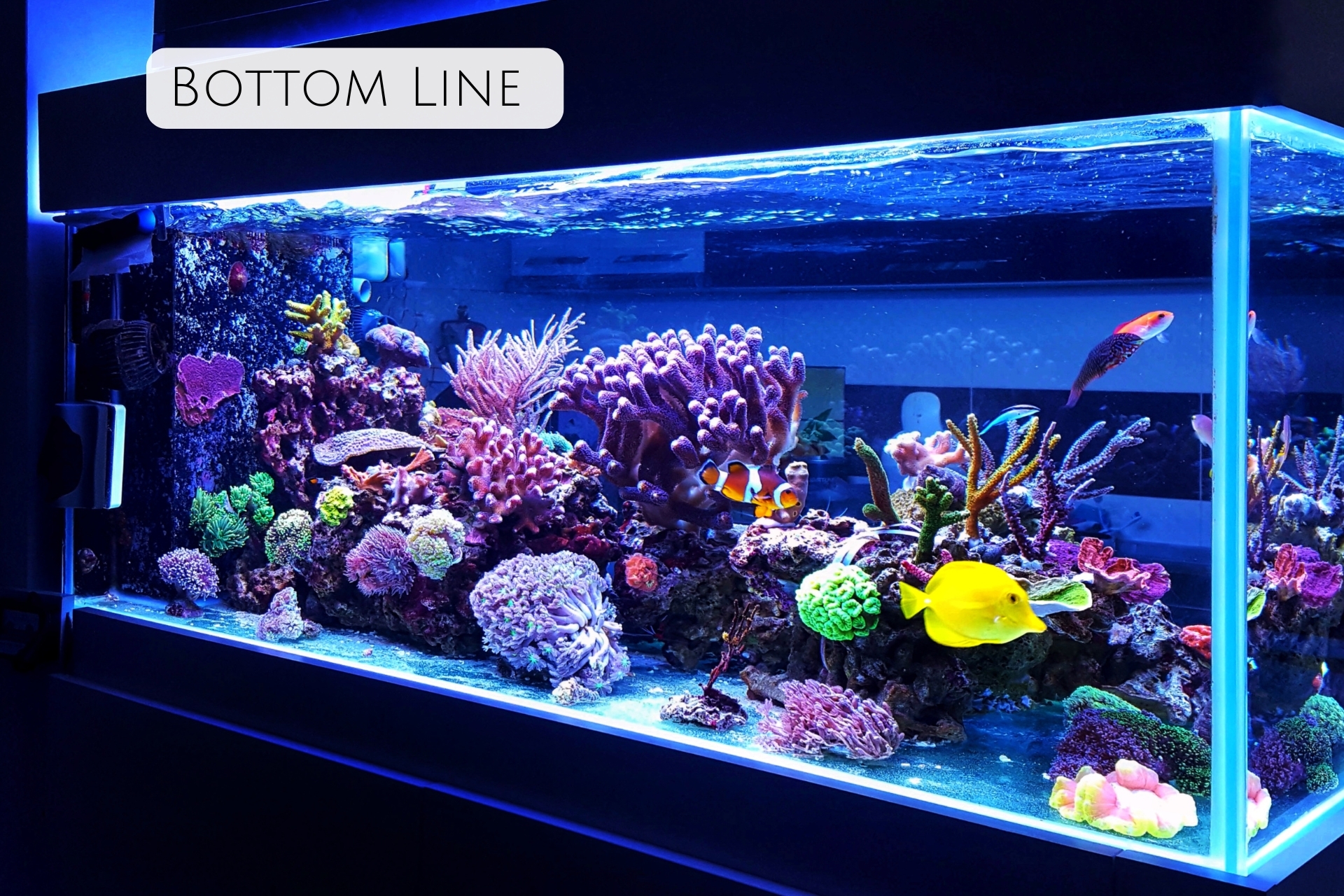
The aquarium starter kits that look most complete on the shelf are often the ones setting beginners up to fail. A properly sized tank, a real filter matched to that tank's volume, a heater for tropical species, and a basic water test kit — that's the actual foundation, and everything else is optional at best.
Don't get talked into decorative extras or a bundled kit just because it looks like better value in the box. Spend on the boring, functional pieces first — tank size and filtration especially — and your fish, and your wallet, will both be better off for it a few months down the line.
Knowledge Hub
How to Pick an Aquarium Starter Kit Without Wasting Money
You've probably seen the same story play out in someone's house — a colorful aquarium starter kit bo...

How to Choose Ride-On Toys by Floor Type and Flat Size: Why the Wrong Wheels Ruin It in an Indian Apartment
It's 7:40 pm. Your two-year-old is doing victory laps of the hall on a shiny new push car, and every...
Grooming Glove vs. Deshedding Rake vs. Vacuum Attachment
Somewhere around March, your sofa starts looking like it's grown its own fur coat. Tufts on the curt...
Drawer Dividers vs. Rolling Carts vs. Door Organizers: Match the Organizer to the Mess, Not the Room
Why the “kitchen organizer” you bought is failing in the kitchen — and the 30-second test that fixes...
Do Vegetable Choppers Really Save Time, or Just Move It to Cleanup? An Honest Minutes-Per-Meal Breakdown
It's 7:40 pm. The pressure cooker is hissing, someone's asking what's for dinner, and you're standin...

Do Garden Grow Bags Actually Work Better Than Pots?
You're scrolling through a gardening page, and there it is again — another post insisting grow bags...