
Do Garden Grow Bags Actually Work Better Than Pots?
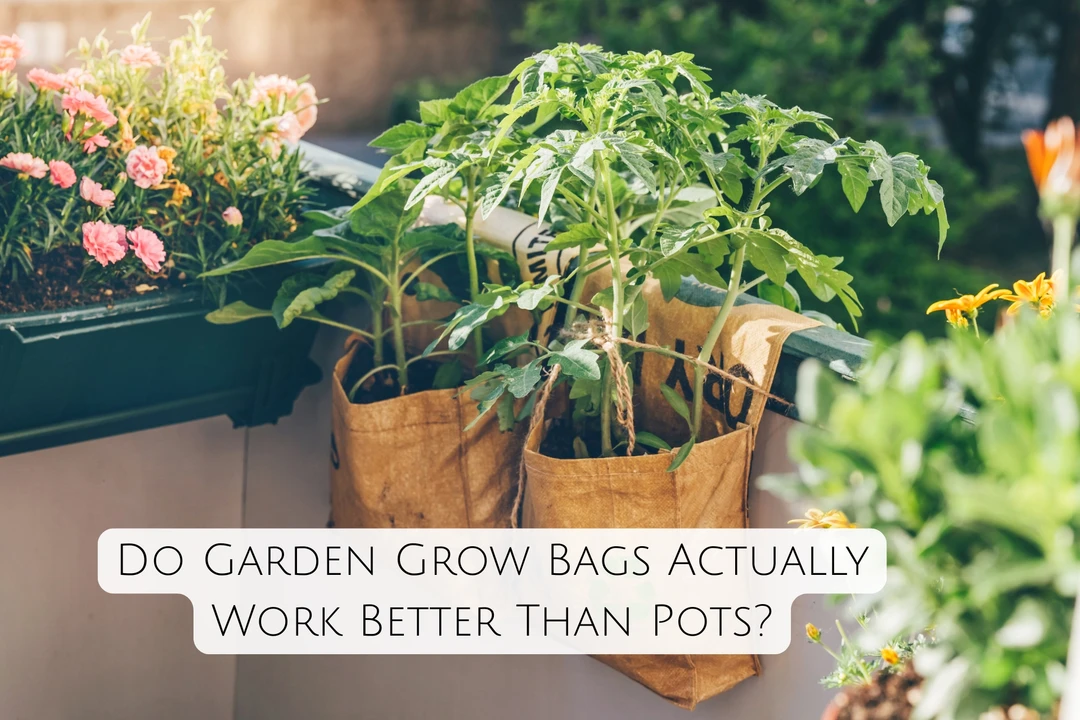
You're scrolling through a gardening page, and there it is again — another post insisting grow bags are the secret every home gardener is missing. Meanwhile, your terrace is lined with the same clay and plastic pots your family has used for years, and your tomatoes are doing just fine. So, grow bags vs pots — is this an actual upgrade, or just another gardening trend dressed up as a breakthrough?
The honest answer isn't a straightforward yes or no, and anyone who tells you otherwise is probably trying to sell you something. This post breaks down what grow bags genuinely do better, where pots still win, and which one actually makes sense for your specific balcony, terrace, or backyard setup.
Quick answer: Grow bags generally outperform pots for root health and drainage, thanks to a process called air pruning that prevents roots from circling. Pots win on stability, reusability, and aesthetics. For most home gardeners in India, a mix of both works better than committing entirely to one.
Grow Bags vs Pots: What's Actually Different Between Them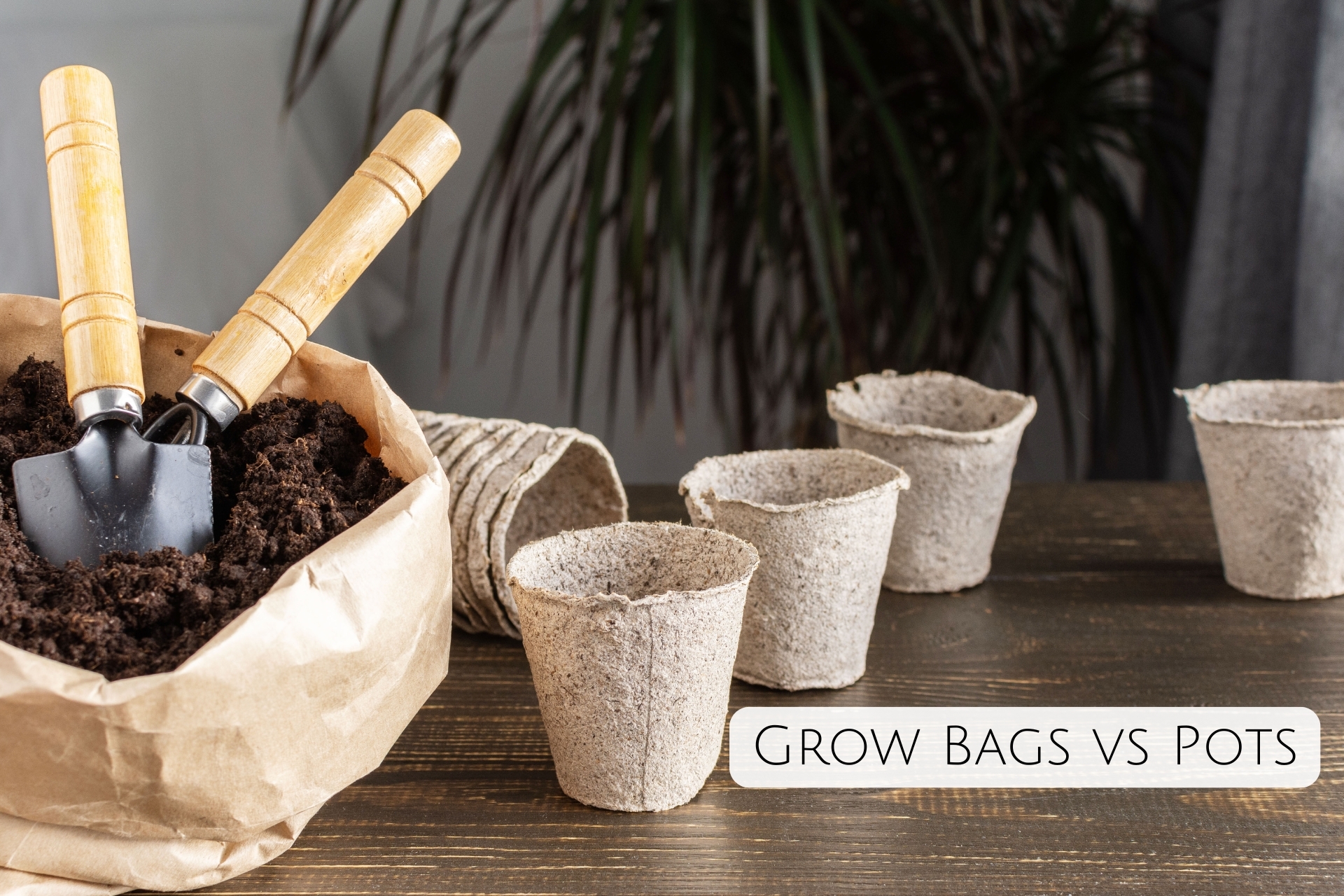
Grow bags are typically made of breathable, non-woven fabric, while pots are rigid containers made of clay, plastic, ceramic, or terracotta. That single material difference is behind almost every practical difference between them.
Fabric grow bags let air and moisture pass through their walls. Pots, especially plastic ones, don't. That difference sounds minor until you understand what it actually does to a plant's root system over the course of a growing season.
Cost is another factor worth mentioning upfront. A basic fabric grow bag typically costs a fraction of an equivalent-sized ceramic or terracotta pot, which makes grow bags an easy, low-risk way to expand a garden without a big upfront investment.
Why Grow Bags Are Winning Over Serious Gardeners?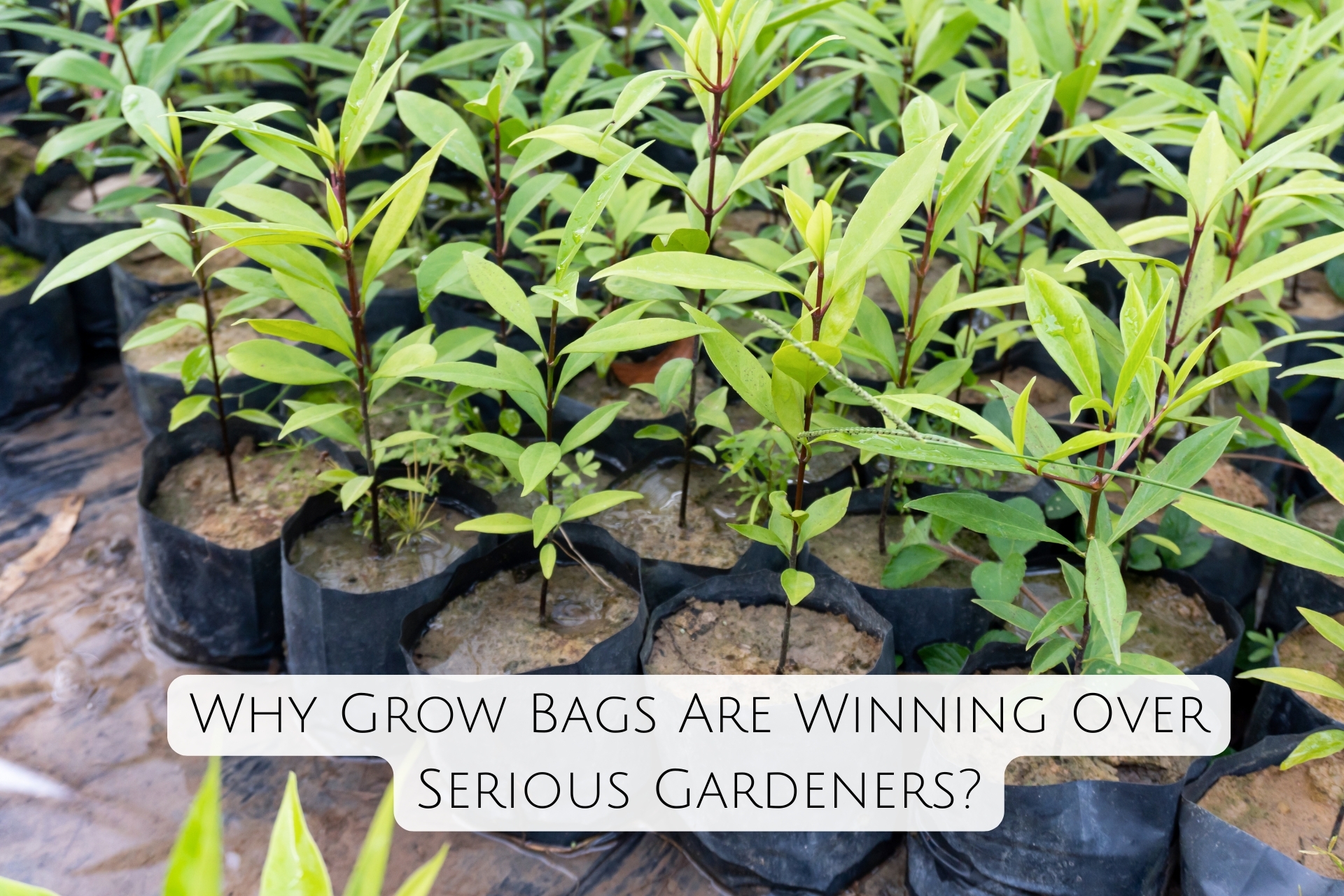
Air Pruning Solves a Problem Most Gardeners Don't Know They Have:
In a solid pot, plant roots hit the container wall and start circling around the inside, a condition called root-bound growth. This restricts nutrient uptake and can quietly stunt a plant for months without an obvious cause.
- How grow bags fix this: When a root reaches the fabric wall of a grow bag, exposure to air causes the root tip to stop growing and instead branch out into new feeder roots, a process called air pruning.
- The result: A denser, healthier root system that absorbs nutrients more efficiently, which often translates into visibly stronger plant growth.
Better Drainage Means Fewer Overwatering Disasters:
Overwatering is one of the most common ways home gardeners in India accidentally kill their plants, especially during humid months when soil in a solid pot stays wet for far too long.
- Fabric breathability: Grow bags allow excess water to drain and evaporate through the entire surface, not just the drainage holes at the bottom.
- Reduced root rot risk: Less standing moisture around the roots directly lowers the chances of fungal issues and root rot, a common problem in India's humid coastal regions.
Better Temperature Regulation for Root Systems:
Roots are surprisingly sensitive to temperature swings, and this is where grow bags have a real edge over dark plastic pots that heat up fast under direct Indian sun.
- Cooler root zones: Fabric breathes and doesn't trap heat the way solid plastic does, keeping root temperatures more stable during peak summer afternoons.
- Less thermal stress: Plants under less root-zone heat stress generally show better resilience and more consistent growth through hot months.
Where Pots Still Beat Grow Bags:
Durability and Reusability:
A good terracotta or plastic pot can last for years, sometimes decades, with minimal care. Fabric grow bags degrade faster, especially under constant sun exposure, and typically need replacing every two to three growing seasons.
- Long-term cost: Pots have a higher upfront cost but a much longer lifespan, which can make them cheaper over several years compared to repeatedly replacing worn-out grow bags
Stability for Taller or Top-Heavy Plants:
Grow bags are lightweight and flexible, which is great for portability but genuinely risky for tall plants like tomatoes or okra that can tip over in strong wind, especially on an open terrace.
- Weighted stability: A heavier ceramic or clay pot provides a stable base that a soft fabric bag simply can't match for top-heavy plants.
Aesthetic and Design Flexibility:
This one's subjective, but worth being honest about: pots offer far more visual variety for a terrace or balcony garden meant to look good, not just function well.
- Design options: Painted terracotta, patterned ceramic, or sleek modern planters give a curated look that plain fabric grow bags don't really offer.
Grow Bags vs Pots: Which Should You Actually Choose?
- For leafy greens and herbs: Grow bags work well here, since these plants benefit from the improved drainage and don't need much structural stability.
- For root vegetables like carrots or potatoes: Grow bags are genuinely excellent, since the air-pruning effect supports healthier, straighter root development.
- For tall or top-heavy plants: Stick with a sturdy pot, or use a grow bag placed inside a supportive outer container for the best of both.
- For a terrace meant to double as a sitting or entertaining space: Pots generally look more intentional and finished than a row of fabric bags.
What Gardening in Indian Heat and Humidity Does to Your Skin:
Here's the part most gardening content skips entirely: an hour of repotting, weeding, and watering under direct Indian sun is genuinely tough on your skin, whether you're using grow bags, pots, or both. Sweat, soil, and prolonged UV exposure all add up during a typical gardening session.
Indian skin tones can develop pigmentation, dryness, and dullness from repeated sun exposure during gardening, even on cloudy or overcast days when it's easy to assume protection isn't necessary. Add in the drying effect of soil and constant handwashing afterward, and hands especially take a real hit over a gardening season.
A Quick Chimiya Note:
Chimiya's approach fits naturally into a gardening routine here — a lightweight, Ayurveda-backed sunscreen for exposed skin before you head out, and a nourishing hand cream for afterward, when soil and repeated washing have stripped moisture from your hands. Turmeric and almond oil-based formulations work well for exactly this kind of quick, practical need.
It's not about adding another elaborate step to your day. It's about the same two minutes before and after gardening that protect your skin from quietly absorbing weeks of sun and soil exposure without you noticing.
Practical Tips for Using Grow Bags or Pots Successfully:
- Choose the right size: Whichever container you pick, undersizing is the most common mistake — roots need genuine room to develop, not just enough space for the current plant size.
- Check drainage regardless of container: Even grow bags can develop poor drainage if placed directly on a solid surface without airflow underneath — elevate them slightly with bricks or a stand.
- Rotate grow bags every season: Since they degrade faster than pots, checking fabric condition each season prevents a mid-growing-season tear or collapse.
- Don't mix and match randomly: Group plants by their specific needs — root vegetables in grow bags, tall or ornamental plants in pots — rather than choosing containers purely by what's available.
Common Mistakes People Make With Grow Bags:
Overwatering Out of Habit:
A lot of gardeners switch to grow bags and keep watering on the exact same schedule they used for pots. Since grow bags drain and evaporate moisture faster, that habit often leads to underwatering instead, not the overwatering problem you might expect.
- Check the soil, not the calendar: Stick a finger an inch into the soil before watering rather than following a fixed daily schedule, since grow bags dry out at a different rate than solid pots.
Placing Grow Bags Directly on Hot Surfaces:
A fabric grow bag placed directly on a concrete terrace floor in peak Indian summer can actually heat up faster from below than a pot would, undoing some of the temperature benefits it offers above ground.
- Use a stand or bricks: Elevating grow bags even slightly improves airflow underneath and prevents heat from a hot floor transferring directly into the root zone.
Ignoring Fabric Degradation:
Fabric grow bags left in direct sun year-round break down faster than most people expect, sometimes tearing mid-season and dumping soil and roots everywhere.
- Inspect seams regularly: A quick check every few weeks catches early fraying before it becomes a collapsed bag and a genuinely frustrating mess to clean up.
How to Decide Between Grow Bags and Pots for Your Space:
If you're still unsure which way to go, the decision usually comes down to what you're growing and how much you're willing to maintain versus how much you want a low-effort, long-lasting setup.
- Renters or frequent movers: Grow bags are lightweight and easy to relocate, which matters if you're not settled into one home long-term.
- Gardeners who forget to water regularly: Pots retain moisture longer, which can be more forgiving for anyone prone to inconsistent watering schedules.
- Balcony gardens with weight restrictions: Grow bags filled with soil are typically lighter than an equivalent-sized ceramic or ceramic-look pot, which matters on upper-floor balconies.
- Anyone starting out for the first time: A small mix of both is a reasonable way to figure out your own preferences before committing heavily to one system.
Common Questions About Grow Bags vs Pots:
Do grow bags need holes for drainage?
No, and this is a common point of confusion. The fabric itself is breathable enough that additional drainage holes usually aren't necessary, unlike solid pots which rely entirely on bottom holes.
Can grow bags be reused season after season?
Yes, for a couple of seasons at least, as long as you clean them out and check for tears between uses. Just don't expect the multi-year lifespan you'd get from a solid ceramic or plastic pot.
Are grow bags suitable for balcony gardens with limited space?
Generally yes — grow bags are lightweight, easy to arrange in tight spaces, and don't add unnecessary weight to a balcony that may already have load restrictions.
Bottom Line
The grow bags vs pots debate doesn't really have one universal winner. Grow bags genuinely outperform pots for root health, drainage, and temperature regulation, especially for leafy greens, herbs, and root vegetables. Pots still win on durability, stability for taller plants, and overall visual appeal for a finished-looking garden space.
Most home gardeners in India will get the best results from a mix of both, matched to what they're actually growing, rather than picking a side out of trend-following. And while you're out there repotting and watering under the Indian sun, don't forget your own skin needs a couple of minutes of protection too — something as simple as Chimiya's sunscreen and hand cream can quietly save you from the damage a good gardening session leaves behind.
Knowledge Hub

Grooming Glove vs. Deshedding Rake vs. Vacuum Attachment
Somewhere around March, your sofa starts looking like it's grown its own fur coat. Tufts on the curt...

Drawer Dividers vs. Rolling Carts vs. Door Organizers: Match the Organizer to the Mess, Not the Room
Why the “kitchen organizer” you bought is failing in the kitchen — and the 30-second test that fixes...

Do Vegetable Choppers Really Save Time, or Just Move It to Cleanup? An Honest Minutes-Per-Meal Breakdown
It's 7:40 pm. The pressure cooker is hissing, someone's asking what's for dinner, and you're standin...
Do Garden Grow Bags Actually Work Better Than Pots?
You're scrolling through a gardening page, and there it is again — another post insisting grow bags...

Cast Iron, Stainless Steel & Non-Stick
Every Indian kitchen ends up with some combination of all three — a heavy iron kadhai from your gran...
Cast Iron vs Stainless Steel vs Non-Stick: When to Use Each
Every Indian kitchen ends up with some combination of all three — a heavy iron kadhai from your gran...