
Perfect Coffee Starts Here:The Art and Science of Perfect Home Coffee Brewing

Introduction: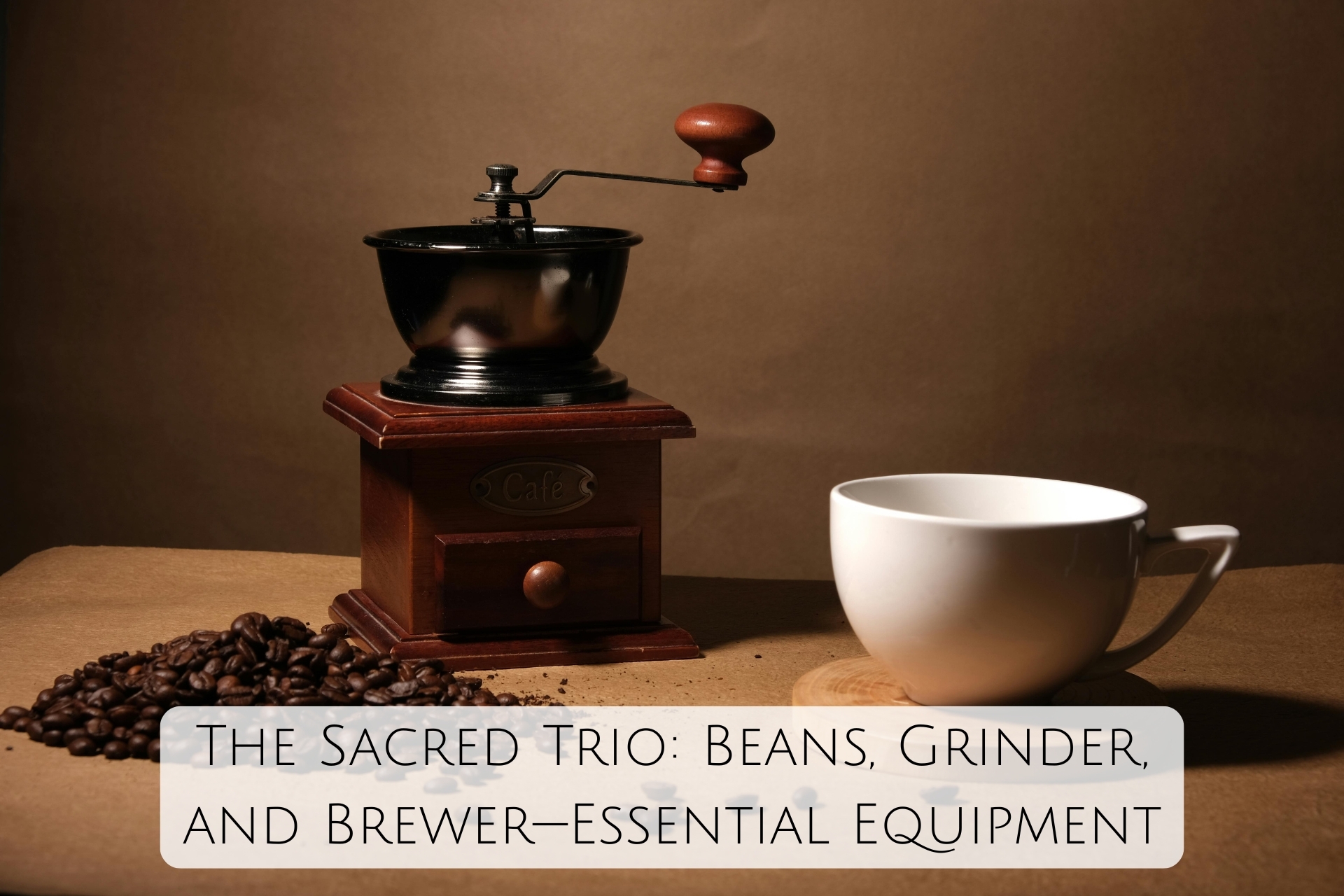
Coffee is more than just a drink; it’s a daily ritual that awakens the senses and inspires many. For both the casual drinker and the dedicated connoisseur, brewing coffee at home becomes an art in itself. In fact, achieving “the perfect cup” is a journey marked by precision, passion, and the right equipment. Brewing the perfect cup of coffee at home is both an art and a science that requires an understanding of various factors, from bean selection to brewing techniques. As more coffee enthusiasts seek to elevate their daily ritual, mastering these elements has become essential for achieving café-quality results without leaving the kitchen. This article explores the key principles and best practices that form the foundation of perfect home coffee brewing, helping you unlock richer flavors and a more satisfying coffee experience.
The Importance of Quality Ingredients: Choosing the Right Coffee Beans:
The foundation of outstanding coffee begins with selecting high-quality beans. Freshness, origin, roast level, and bean variety significantly influence the flavor profile of your brew. Opt for freshly roasted beans from reputable sources, ideally purchased within two weeks of the roast date. Single-origin beans often offer distinct flavor nuances, while blends provide balanced tastes. Understanding how different roast levels—from light to dark—affect acidity, body, and aroma can help tailor your coffee to your preference. Remember, even the finest brewing technique cannot compensate for inferior beans. Investing time in choosing the right coffee beans is the first crucial step toward achieving the perfect cup at home.
Understanding Coffee Extraction: The Science Behind Your Perfect Cup:
Extraction is the fundamental principle distinguishing coffee mastery from coffee mediocrity. When hot water meets ground coffee, it dissolves soluble compounds—sugars, acids, oils, and countless aromatic molecules—creating the complex flavor profile of your finished brew. However, extraction is not simple: it's a delicate balance where too little time produces sour, underdeveloped flavors, while too much time yields harsh, over-extracted bitterness.
The Extraction Sweet Spot:
Specialty coffee experts recommend targeting 18-22% extraction—the percentage of coffee's soluble compounds dissolved into your cup. Achieving this "sweet spot" requires balancing five interrelated variables:
- Grind Size: Finer grounds provide greater surface area, accelerating extraction; coarser grinds slow extraction. The relationship is not linear—extremely fine grinds can create uneven extraction zones where water flows preferentially through some areas, causing simultaneous under- and over-extraction.
- Water Temperature: Higher temperatures accelerate extraction dramatically. Specialty coffee standards recommend 90-96°C (195-205°F). Too-cool water results in insufficient extraction and weak, sour coffee; too-hot water over-extracts and emphasizes bitter compounds.
- Brew Time: Longer contact between water and grounds increases extraction. French press (4-5 minutes) extracts differently than espresso (25-30 seconds), necessitating corresponding grind size adjustments.
- Coffee-to-Water Ratio: The standard starting ratio is 1:16 (one gram coffee to 16 grams water), though ratios from 1:15 to 1:18 work within acceptable parameters. Ratios are recipes—adjustable based on personal preference.
- Water Quality: Minerals in brewing water are essential for extraction. Distilled water (zero minerals) produces weak, flat coffee; mineral-rich water (150 TDS recommended by Specialty Coffee Association) enables full-bodied extraction. However, excessive minerals over 300 TDS can cause over-extraction and muddied flavors.
The Sacred Trio: Beans, Grinder, and Brewer—Essential Equipment:
Perfect extraction requires three foundational elements working synergistically. Neglecting any compromises results; excelling in all three produces exceptional coffee.
1. Fresh, Whole Bean Coffee—Starting Material Matters: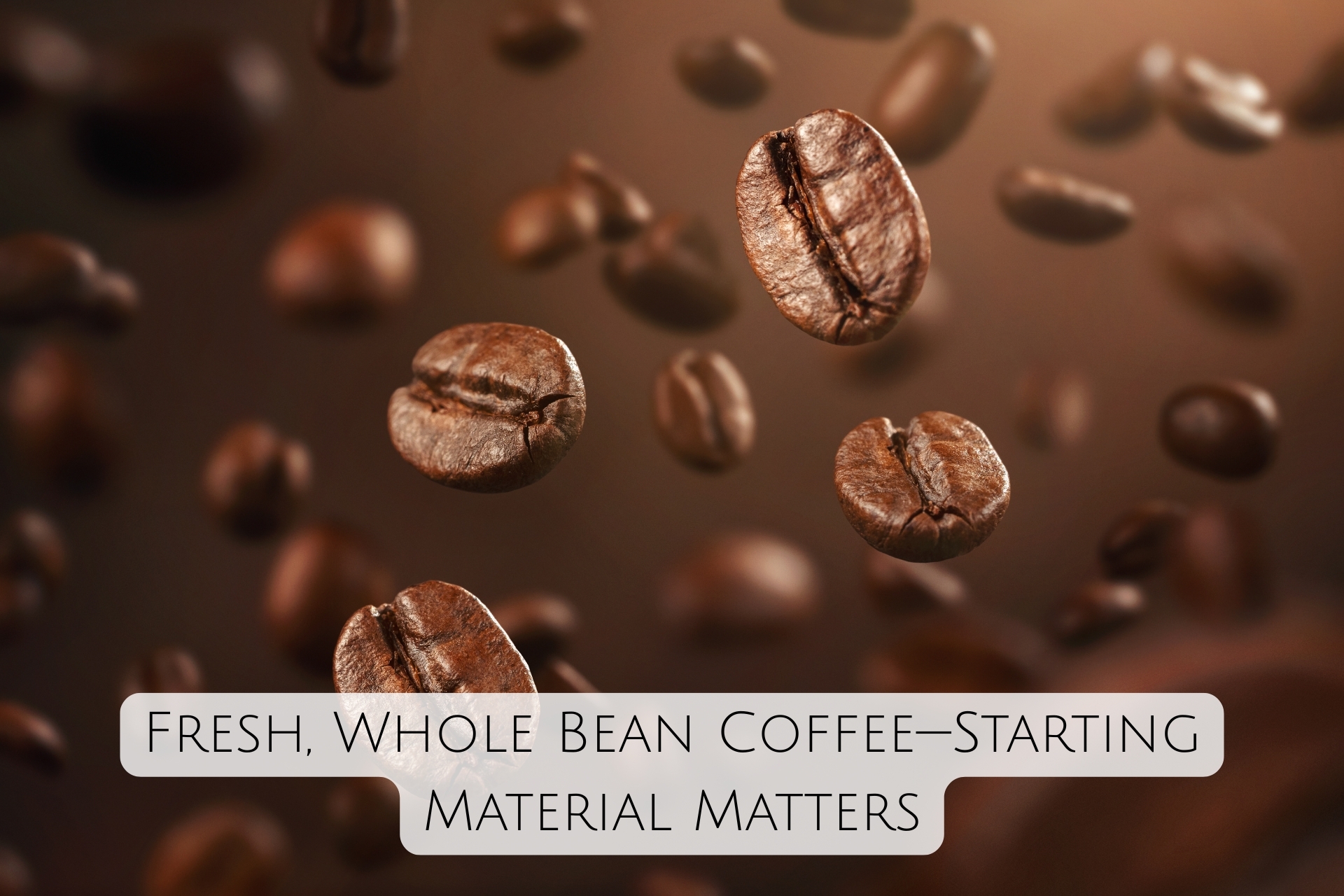
Bean freshness profoundly impacts your final cup. Unlike shelf-stable products, coffee beans enter a deterioration process immediately after roasting.
The Freshness Timeline:
- 0-3 days post-roast: Beans are extremely fresh but still "gassy" from CO₂ release, potentially causing uneven extraction and sharp flavors.
- 3-14 days post-roast: Peak freshness window where degassing has stabilized but aromatic oils remain vibrant. Flavor is balanced, acidity bright, sweetness prominent, aroma fully developed.
- 14-30 days post-roast: Still excellent but gradually losing brightness and aromatic complexity.
- 30+ days post-roast: Noticeable flavor deterioration. Coffee becomes flat, dull, with muted aromatic complexity.
2. Quality Burr Grinder—Consistency is Everything: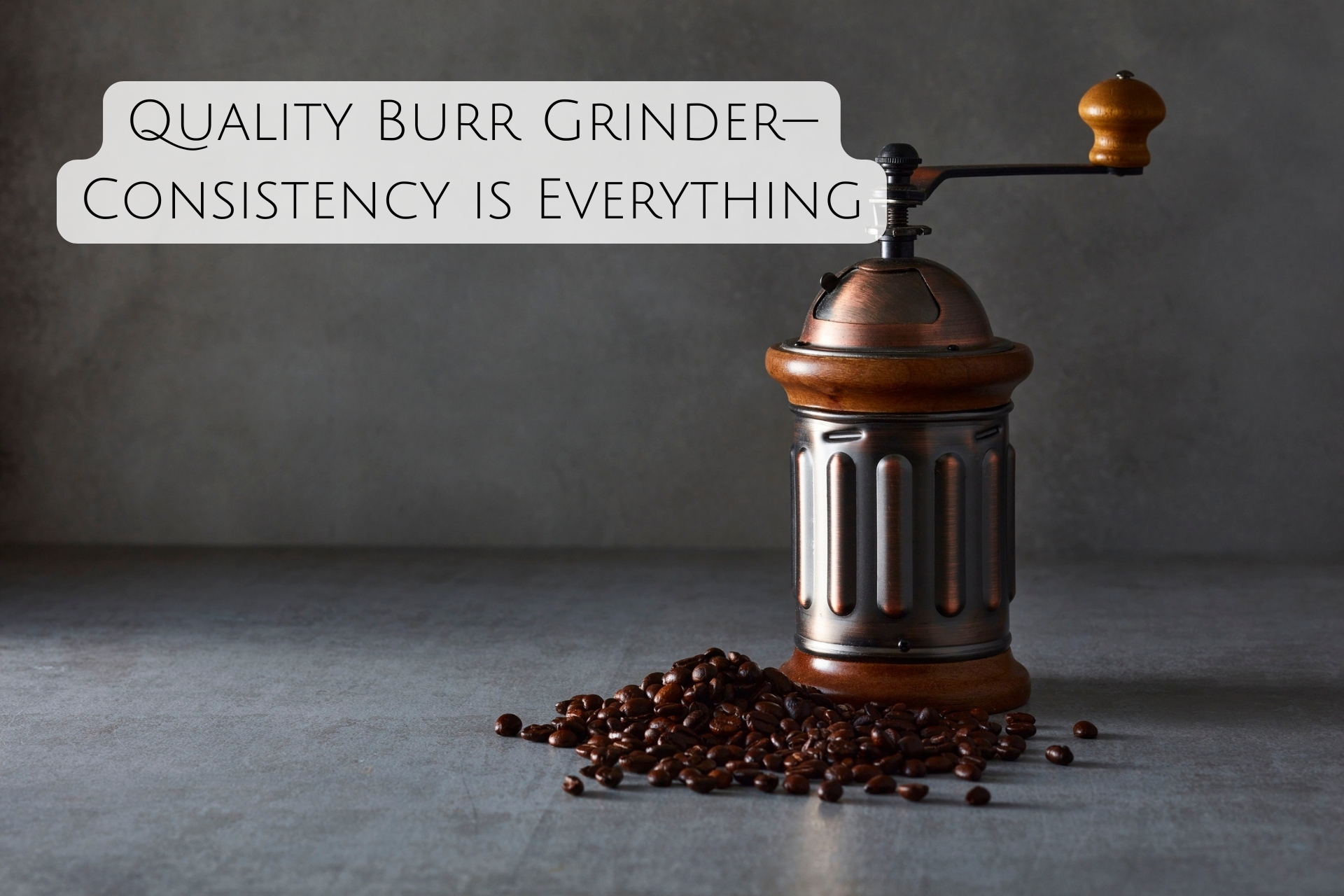
Grinding consistency fundamentally determines extraction evenness. The best beans cannot compensate for poor grind inconsistency; conversely, good beans combined with consistent grinding produce exceptional results.
Burr Grinders vs. Blade Grinders:
Blade grinders chop coffee randomly, producing inconsistent particle sizes ranging from fine powder to large chunks. This inconsistency guarantees uneven extraction—fine particles over-extract (harsh bitterness), large particles under-extract (sour weakness), with both present simultaneously in your cup.
Burr grinders mechanically crush beans between two rough surfaces called burrs, producing uniform particle sizes enabling consistent extraction. The space between burrs determines grind size; adjusting this gap enables precise selection of fine grounds (espresso), medium (pour-over), or coarse (French press).
Key Burr Grinder Advantages:
- Uniform particles: Each ground has similar size, enabling even extraction.
- Precise adjustability: 20-40 grind settings accommodate any brewing method.
- Superior flavor: Consistent grinding produces cleaner, more balanced cups with enhanced aromatics.
- Grind preservation: Crushing rather than blade-cutting preserves cellular structure, preventing fines generation that causes over-extraction.
Burr Types—Flat vs. Conical:
- Flat burrs: Two horizontal burrs (one stationary, one rotating) crush coffee uniformly; excellent for espresso requiring precise fine grinds.
- Conical burrs: Cone-shaped burrs rotating within a stationary cone; slightly more forgiving of grind size variation; excellent for most brewing methods.
3. Brewing Equipment—Method Matching Your Preferences:
Beyond the grinder and beans, the brewing method determines your final cup's characteristics. Different methods excel at different flavor profiles; selecting method-appropriate equipment maximizes your beans' potential.
Major Brewing Methods and Their Characteristics:
Pour-Over (Chemex, V60, Kalita Wave):
- Best for: Single-origin clarity, appreciating subtle floral and fruity notes
- Extraction: 1:16-1:17 ratio, medium-fine grind, 3-5 minute brew, 93°C water
- Cost: ₹500-3,000 for dripper + kettle
French Press:
- Best for: Full-bodied, bold flavors; coffee purists; travel
- Extraction: 1:15-1:17 ratio, coarse grind, 4 minutes, 90-96°C water
- Cost: ₹300-1,500
AeroPress:
- Best for: Versatility, travel, experimenting with brewing variables
- Extraction: 1:16-1:17 ratio, medium grind, 1-2 minutes, 90°C water
- Cost: ₹1,000-2,000
Espresso Machine:
- Best for: Creating café-style drinks (lattes, cappuccinos, espresso shots)
- Extraction: 18-20g coffee, fine grind, 25-30 seconds, 90-96°C, 9 bars pressure
- Cost: ₹8,000-50,000+ (plus quality grinder ₹5,000-15,000)
Moka Pot (Stovetop Espresso):
- Best for: Italian-style strong coffee without espresso machine investment
- Extraction: Fine grind, 3-5 minutes stovetop heating
- Cost: ₹300-1,500
Drip/Filter Coffee Maker:
- Best for: Batch brewing, office/group settings, consistency
- Extraction: Automatic timing, medium grind, 5-10 minutes, 90-96°C water
- Cost: ₹1,500-8,000 for quality machines
How Chimiya Elevates Your Coffee Expertise: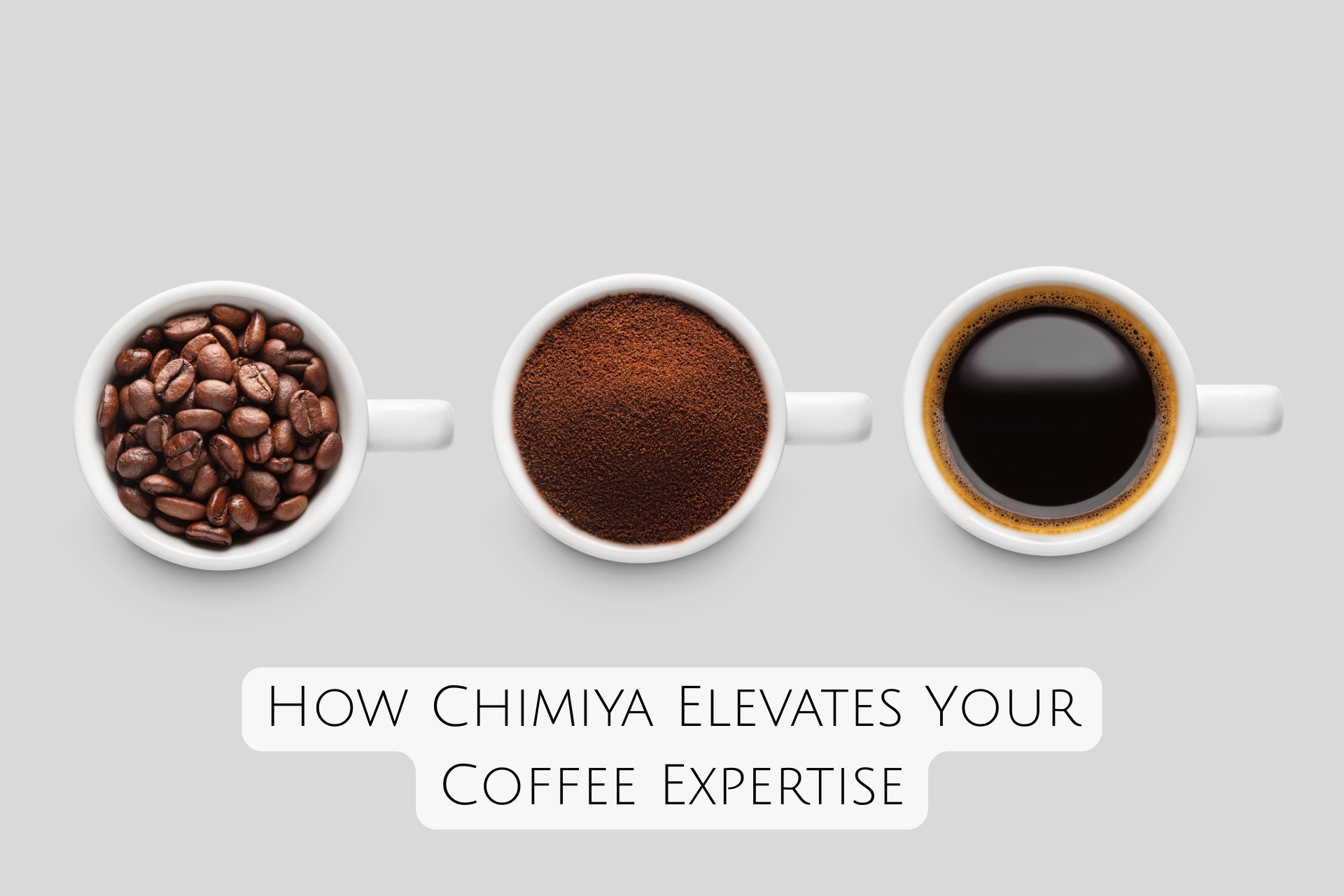
Chimiya makes exceptional home coffee accessible, offering a curated collection of premium brewing equipment. From precise burr grinders for espresso to French press, to optimal pour-over systems (V60, Chemex) for clean extractions, Chimiya provides the tools to elevate your coffee. Explore precision kettles, coffee scales, versatile AeroPress brewers, and premium French presses.
Whether you seek espresso's intensity, pour-over's clarity, or manual brewing's simplicity with Moka pots, Chimiya transforms coffee expertise into daily practice. Our selection combines quality, value, and accessibility, ensuring enthusiasts at every level invest in equipment that enhances brewing, not clutter. Shop in Chimiya to access a complete coffee ecosystem, from bean advice to extraction control, transforming your coffee ritual into a moment of pleasure, mastery, and sensory appreciation.
Conclusion:
Mastering home coffee brewing is both an art and a science, requiring attention to detail and a commitment to quality. By understanding the variables—bean selection, grind size, water temperature, and equipment cleanliness—you can consistently produce exceptional coffee tailored to your taste. With those qualities and the right equipment (many of which you can find at Chimiya), any coffee lover can elevate their morning routine. So embrace the journey: experiment with beans and techniques, invest in a good grinder and brewer, and let the aromas and flavors unfold. Your next cup might be the best one yet.
Knowledge Hub

How to Choose Nonstick Bakeware That Actually Lasts
Introduction: Most people don't think much about bakeware until something goes wrong — a cake that w...

Choosing the Right Kitchen Knife Set for Your Home
Introduction: Walk into most Indian kitchens and you'll find the same story: a drawer full of knives...

Pack Smart for Your Next Fly Fishing Adventure: The Essential Tackle & Backpack Guide
Introduction: A successful fly fishing trip starts long before you cast your first line. Whether you...

The Complete Pet Supplies Guide: Everything You Need for Every Kind of Pet
Introduction: Do you have a pet at home? Maybe you have a dog, a cat, a bird, a fish, or even a hors...

Gear Up for Adventure: A Beginner's Essential Camping Packing Guide
Introduction: Camping is an exciting way to connect with nature, but a little planning goes a long w...

Microphone Quality Matters: Why a Good Mic Is Essential in Gaming Headsets
Gaming headsets have become a staple for serious players, offering immersive sound and the ability t...