
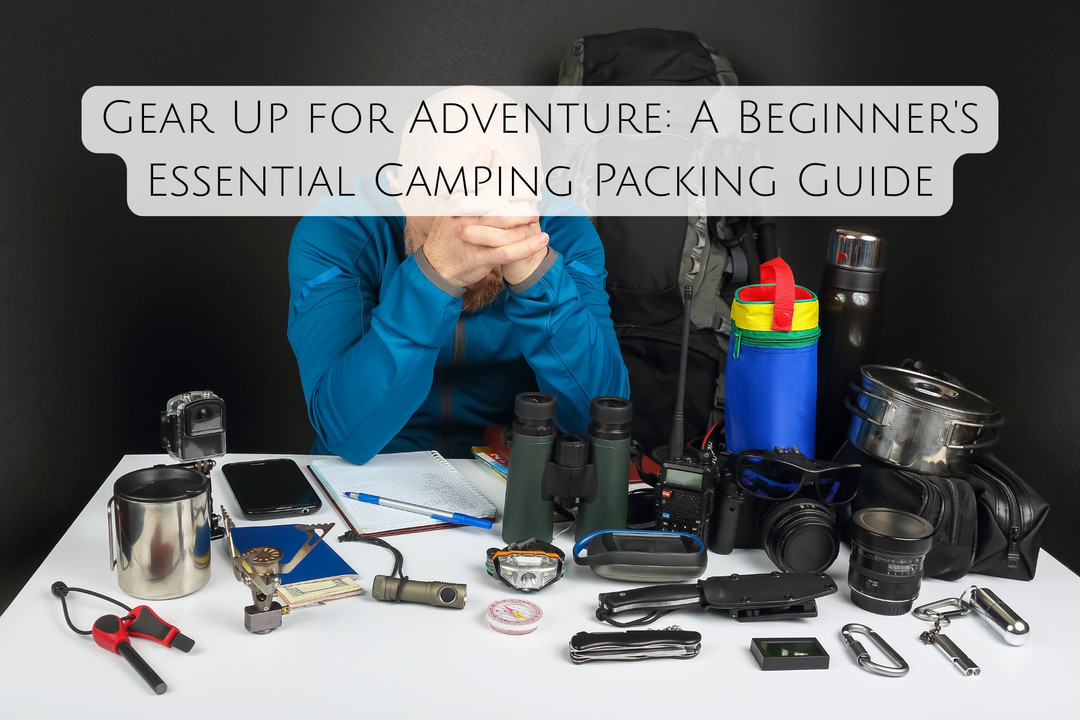
Gear Up for Adventure: A Beginner's Essential Camping Packing Guide
Introduction: 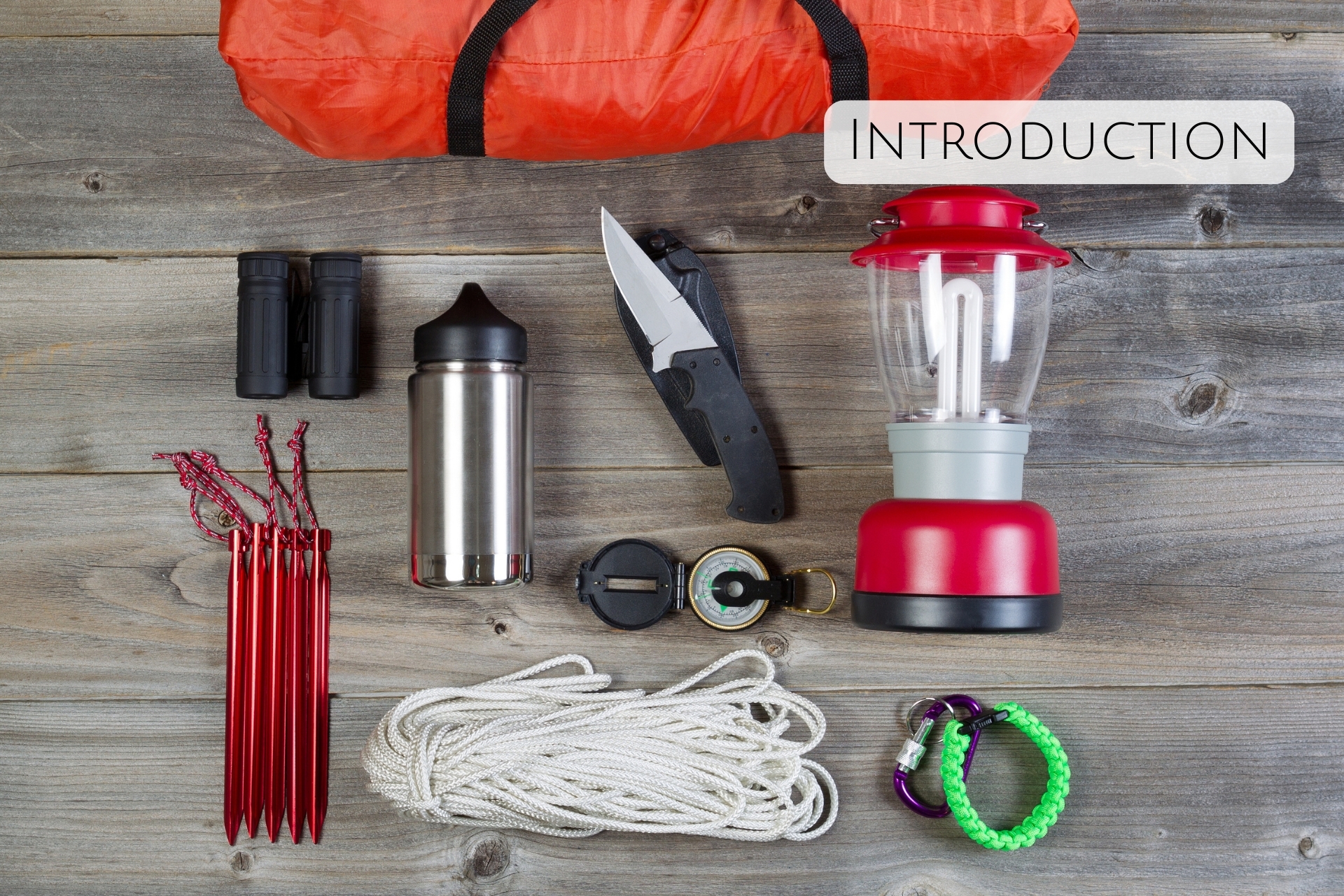
Camping is an exciting way to connect with nature, but a little planning goes a long way toward a fun and safe trip. For first‑timers, packing the right gear ensures comfort and safety under the stars. A well-chosen set of essentials can protect you from weather and wildlife, keep you nourished, and light up the night. In this guide we’ll walk through 10 must‑have items to pack for your first camping adventure – everything from sturdy shelter and warm sleeping gear to reliable lighting and kitchen tools. Following these tips will help you focus on enjoying the outdoors instead of worrying about missing gear.
Assessing Your Camping Needs: Types of Adventures and Duration: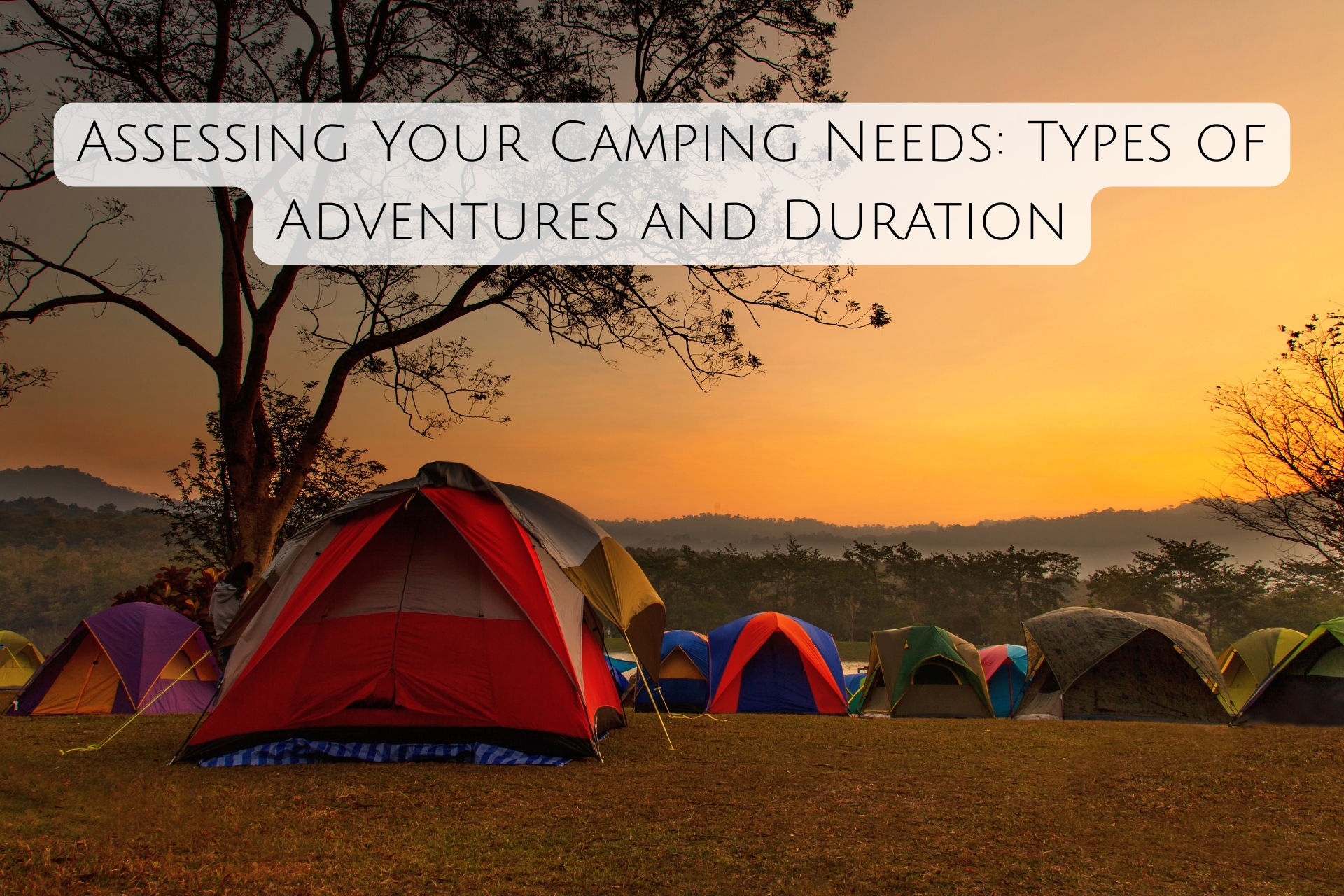
Understanding the nature and duration of your camping trip is vital in determining the appropriate gear. Whether you’re planning a weekend getaway in a nearby forest or an extended backcountry expedition, your packing list will vary significantly. Consider the environment, weather conditions, and planned activities—hiking, fishing, or simply relaxing—to tailor your equipment accordingly. Shorter trips may demand lighter loads and simpler setups, while longer adventures require more comprehensive provisions. By assessing these factors beforehand, you ensure your gear meets your specific needs, optimizing both comfort and safety throughout your outdoor experience.
Weather-resistant tent: Your reliable home away from home: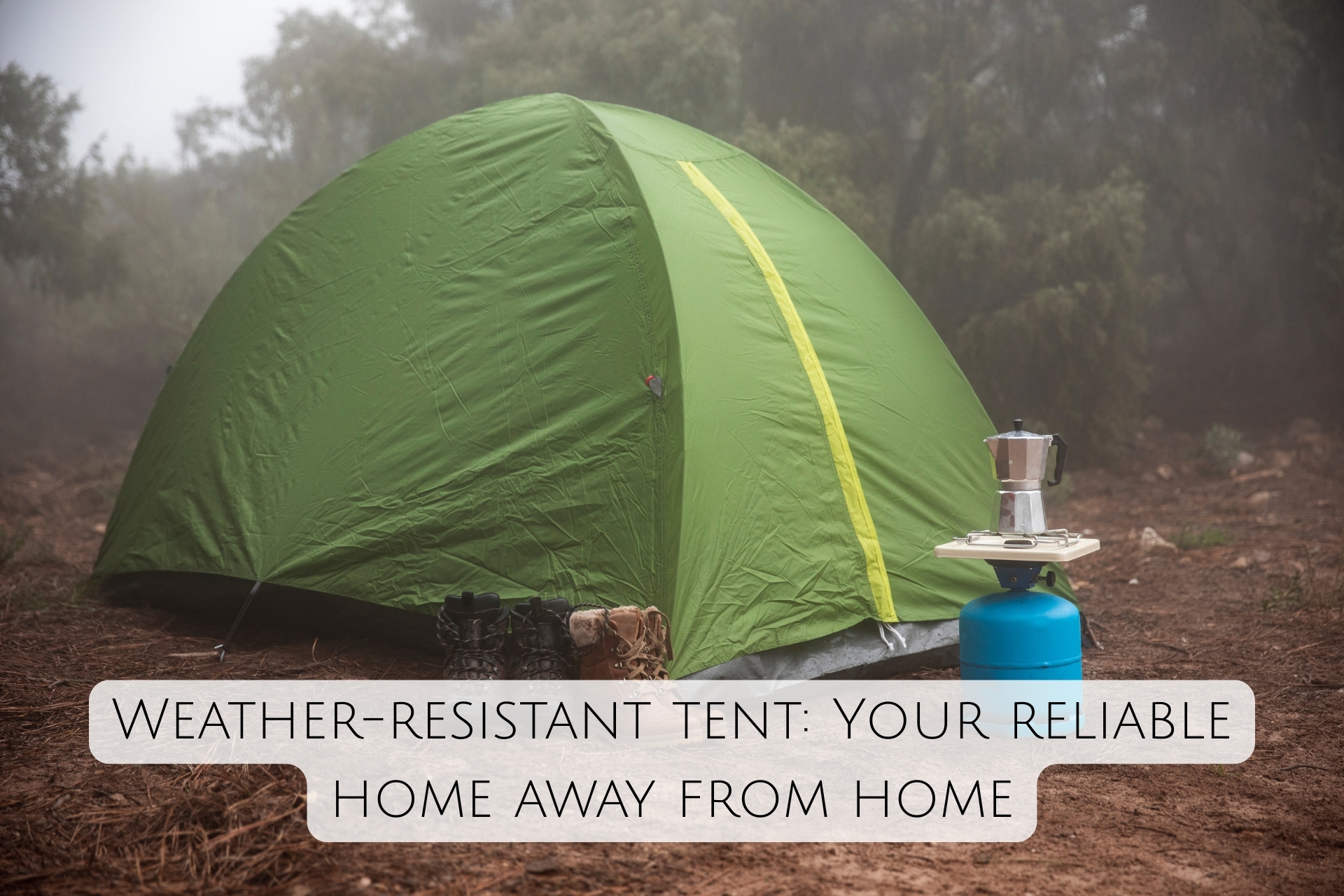
The tent is your sanctuary in nature, protecting you from rain, wind, insects, and unexpected temperature drops. A poor-quality tent leads to a miserable experience; a quality tent transforms your camping trip.
What Makes a Tent "Quality":
- Weather resistance: A waterproof tent with sealed seams remains dry during unexpected downpours. Look for tents with hydrostatic head ratings of at least 1,500mm for reliable waterproofing.
- Appropriate size: Choose a tent 1 person-size larger than your group. A 4-person tent for 3 people provides space for gear storage, comfort, and emergency shelter.
- Easy setup: First-time campers benefit from freestanding tents (requiring no ground stakes for basic stability) with color-coded poles and simple assembly.
- Ventilation: Quality tents feature mesh windows and vents reducing condensation buildup that creates damp interiors.
- Durability: Ripstop nylon and quality stitching ensure tents withstand multiple camping seasons.
A Sleeping System—Sleeping Bag Plus Sleeping Pad: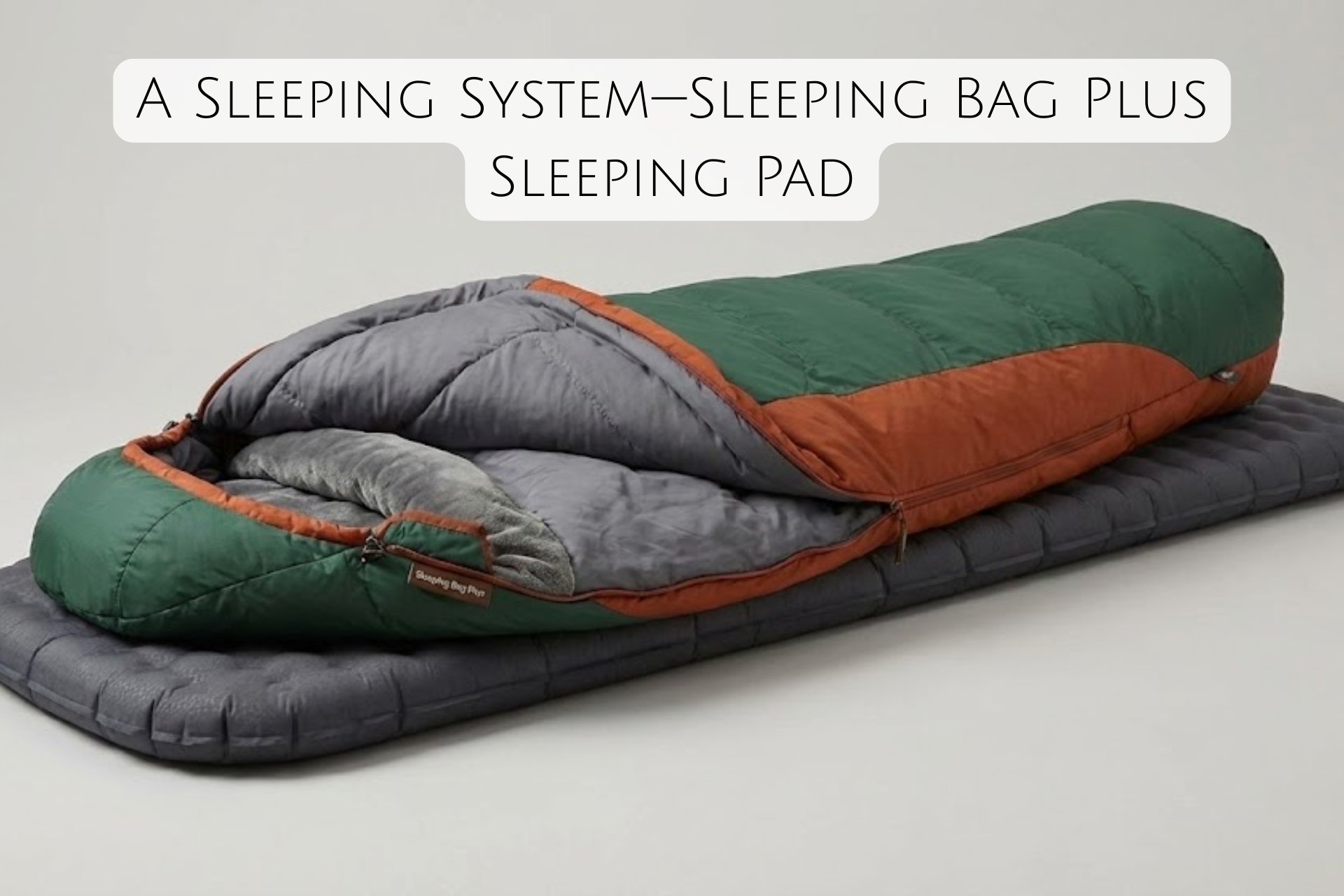
Quality sleep transforms camping experiences. Poor sleep setup leaves you cold, uncomfortable, and miserable, regardless of other preparations. A complete sleeping system includes both a sleeping bag and sleeping pad.
Sleeping Bags:
Sleeping bags are rated by temperature—the lowest temperature where a person can sleep comfortably. Research your destination's lowest expected temperature and select a bag rated 5-10°F (3-5°C) below that temperature for safety margin.
- Summer camping (India's coastal/plains regions): 15°C-rated bags provide adequate warmth
- Monsoon camping: 10°C-rated bags handle unexpected cold spells
- High-altitude camping (Himalayan regions): -5°C to 0°C-rated bags provide necessary insulation
Sleeping bag materials affect comfort and weight:
- Down-filled bags: Lighter weight, superior insulation, but moisture-sensitive (avoid in humid/monsoon regions)
- Synthetic-filled bags: Heavier, water-resistant, ideal for humid Indian camping
Sleeping Pads:
Equally important as sleeping bags, sleeping pads provide critical functions:
- Insulation: Ground-to-body heat loss exceeds air-to-body heat loss; pads prevent this drain
- Cushioning: Pads absorb ground irregularities (rocks, roots), enabling quality sleep
- Moisture barrier: Pads prevent ground moisture absorption into sleeping bags
Pad options:
- Air mattresses: Lightweight, compact, provide superior cushioning; require manual or mechanical inflation
- Foam pads: Durable, water-resistant, require no inflation; heavier than air mattresses
- Self-inflating pads: Hybrid systems combining foam and air chambers
Beginner error: assuming sleeping bags alone provide adequate warmth/comfort. Sleeping pads are equally essential; sleeping without them on cold ground leads to poor sleep and body discomfort.
Lighting—Headlamp and Lantern for Night Navigation and Ambiance: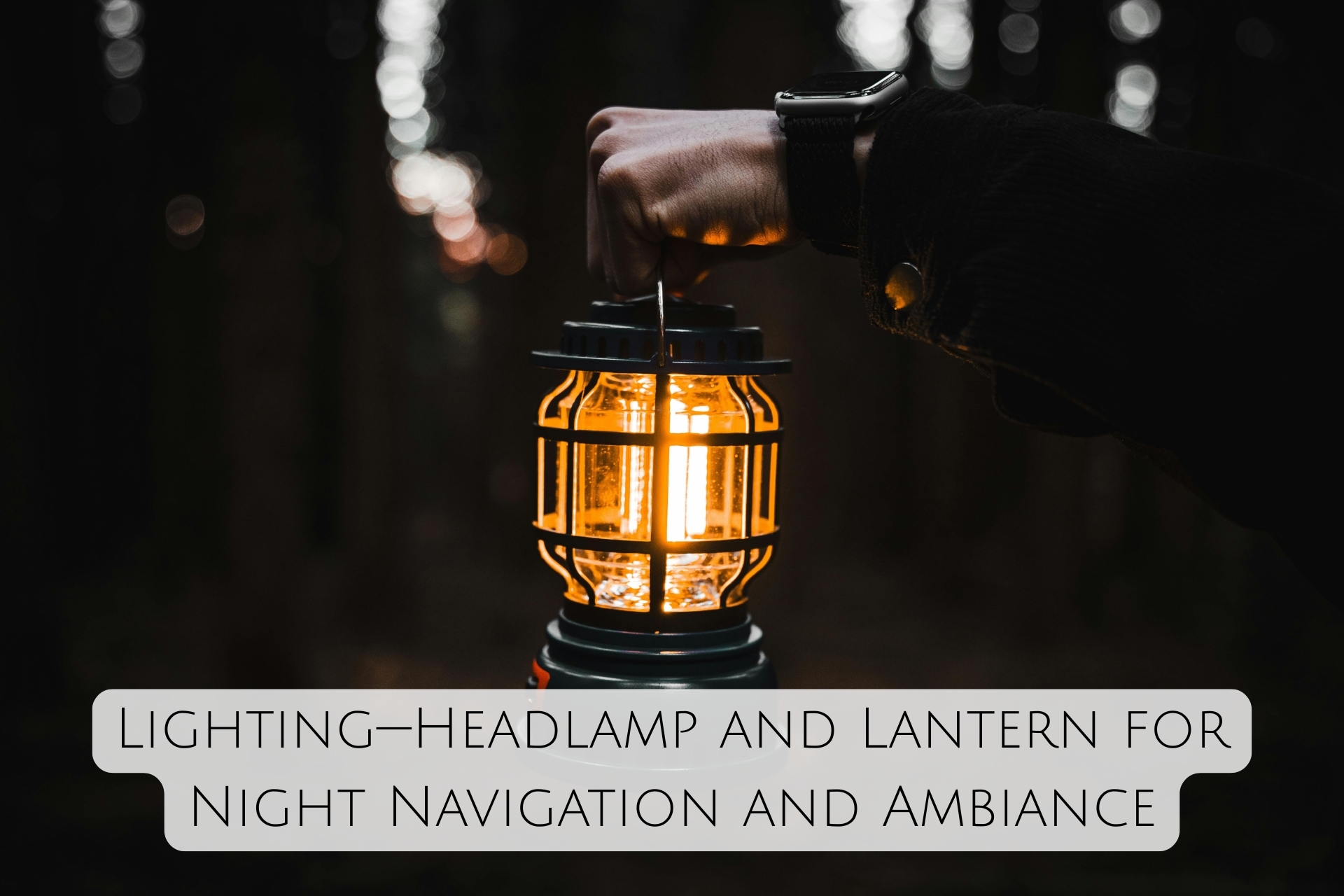
Darkness at campsites arrives suddenly and completely—far darker than city dwellers typically experience. Quality lighting prevents accidents, enables safe navigation, and improves campsite functionality.
Headlamp:
A headlamp (flashlight worn on the forehead) is essential for hands-free nighttime movement—finding your way to bathrooms, fetching water, and emergency situations.
Headlamp features to prioritize:
- Brightness: 200-500 lumens suits most camping; brighter headlamps aid hiking at night
- Battery life: 15+ hours of continuous use from standard batteries
- Red light mode: Preserves night vision, essential for campsite navigation minimizing light pollution
- Durability: Water resistance and impact resistance enable rough outdoor handling
Rechargeable headlamps eliminate battery replacement; solar headlamps (charging during daytime) provide unlimited operation.
Camp Lantern:
Lanterns provide ambient light for entire campsites, enabling cooking, socializing, and activities after dark.
Lantern options:
- Battery-powered LED lanterns: Safe, durable, no fuel required
- Fuel-based lanterns: Brighter illumination but require fuel, involve fire safety considerations
- Solar lanterns: Charge during day, provide 4-8 hours evening illumination without fuel
Pack extra batteries for both headlamps and lanterns—remote campsites lack backup battery sources.
Cooking Equipment—Portable Stove, Fuel, and Cookware: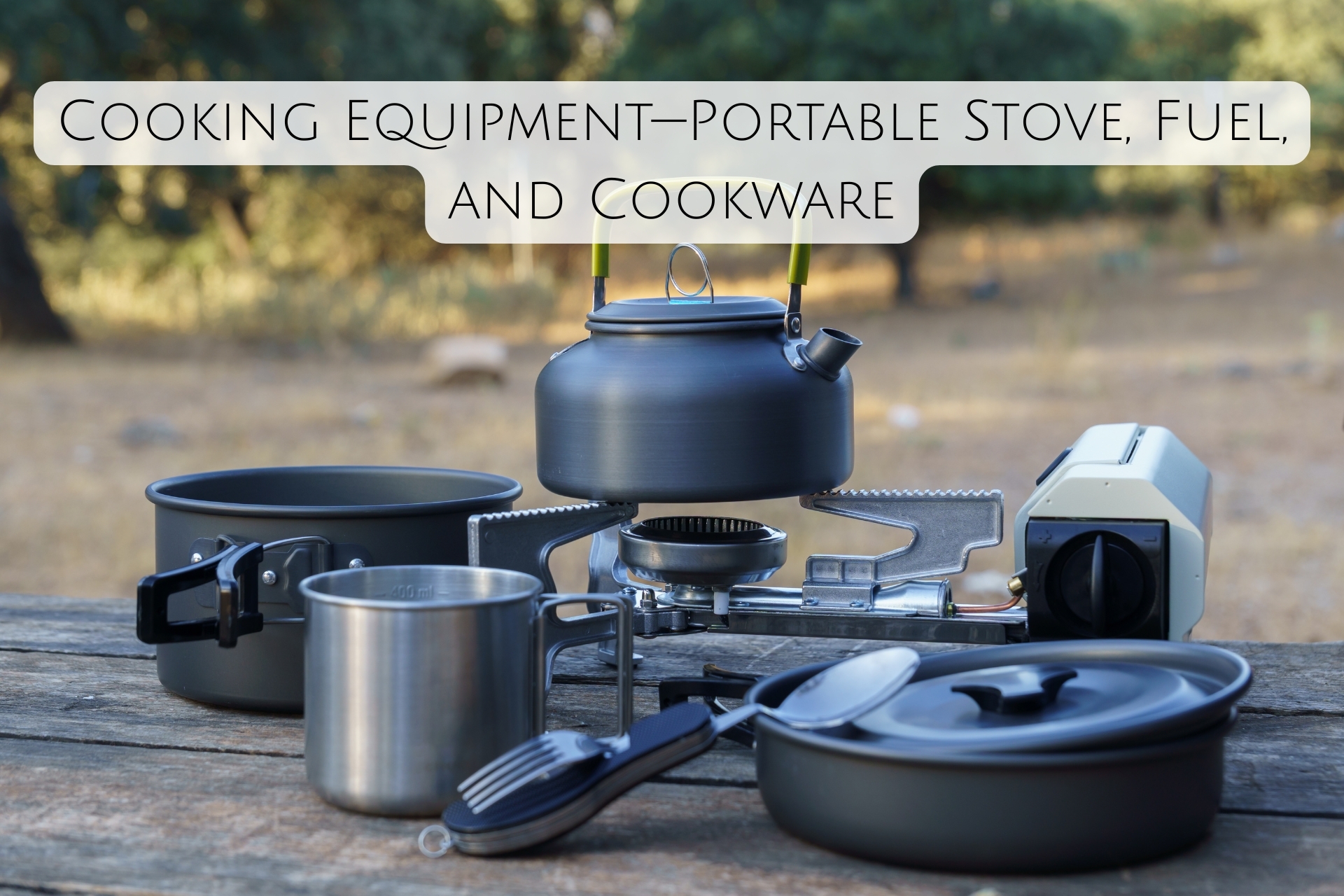
Self-catering at campsites requires a complete portable cooking system. Quality cooking equipment enables hot meals—critical for morale and nutrition.
Portable Camp Stove:
Multiple stove types suit different camping scenarios:
- Canister stoves: Lightweight, compact, attach directly to fuel canisters; ideal for backpacking
- Liquid fuel stoves: Heavier, bulkier, function in cold weather where canister stoves fail; suited for extended expeditions
- Propane/butane stoves: Portable, reliable, require separate fuel containers; good for car camping
Cooking Fuel:
- Butane cartridges: Lightweight, convenient; perform poorly in cold weather
- Propane cartridges: Better cold-weather performance; slightly heavier than butane
- Liquid fuel (white gas): Superior cold-weather performance; requires careful handling and storage
Cookware:
Pack lightweight, durable cookware:
- Camping cookware set: 2-3 nesting pots/pans, utensils, plates fitting into compact storage
- Non-stick coating: Simplifies cleaning with limited water at campsites
- Stainless steel or aluminum construction: Durable, lightweight options
- Utensils: Cooking spoon, spatula, knife, can opener; multi-tools combine multiple functions
Essential Cooking Supplies:
- Water containers: Collapsible containers hold cooking/drinking water, reducing bulk
- Matches or lighter: Waterproof, kept in accessible location for emergency fire starting
- Salt, oil, spices: Pack minimal seasonings; dried spices enable flavorful meals
- Biodegradable soap: Essential for cleaning dishes without contaminating water sources
Beginner error: attempting to cook on open campfires without proper equipment. Portable stoves provide controlled, safe cooking unavailable with fire-only approaches.
Appropriate Clothing—Layering for Variable Outdoor Conditions: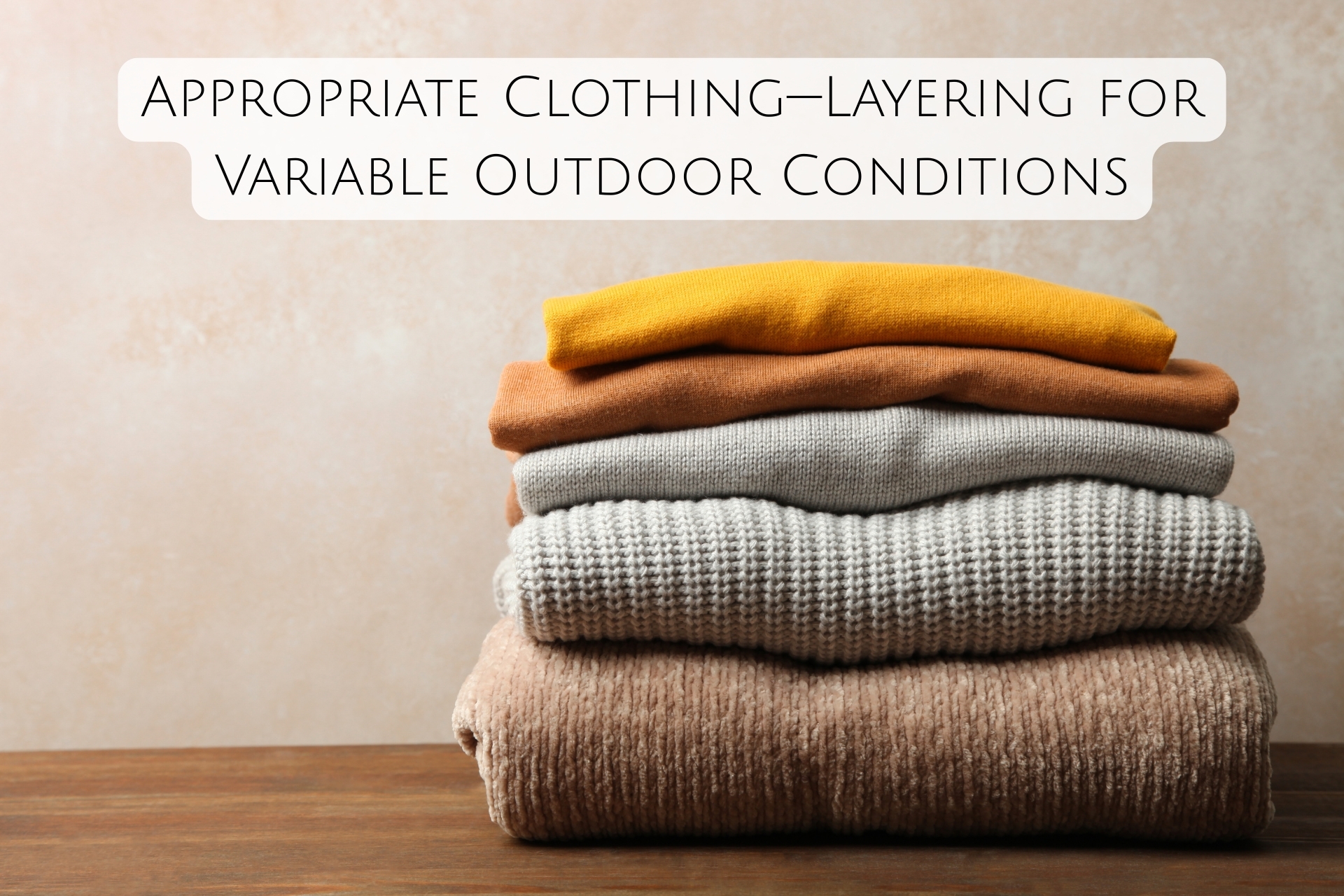
Clothing can’t be forgotten. Dress in layers so you can adjust to changing conditions. Even in summer, temperatures drop at night – bring a warm fleece or down jacket. Rain is common, so pack a waterproof rain jacket and rain pants or poncho (waterproof boot covers too, if needed). A warm hat and gloves can make a big difference in cold weather. Synthetic or wool fabrics are best (they dry faster than cotton). Also pack extra socks – if your feet get wet, fresh dry socks can prevent blisters. Proper footwear is a must: sturdy hiking boots or trail shoes with good tread. Remember, it’s easier to enjoy the outdoors when you stay warm and dry, so don’t skimp on rain gear and insulation.
Safety and First Aid Tips: Ensuring a Secure Camping Experience: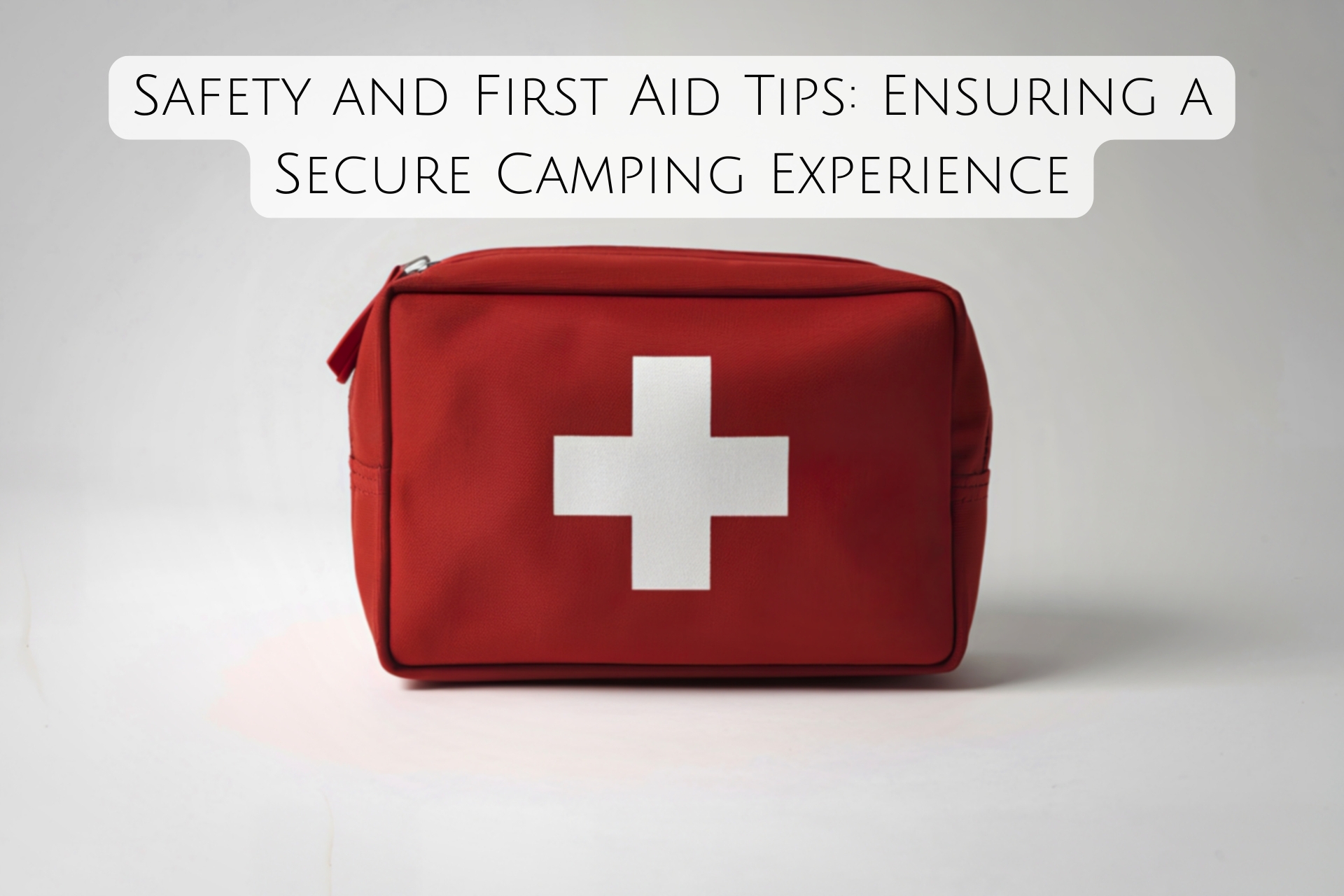
Safety should be a top priority when preparing for your camping trip. Carry a well-stocked first aid kit that includes bandages, antiseptics, pain relievers, and any personal medications. Familiarize yourself with basic first aid procedures, such as treating cuts, burns, and insect bites. Additionally, bring a multi-tool or knife for emergencies and pack a whistle for signaling help. Inform someone of your itinerary and expected return time. Always check weather forecasts and be prepared for sudden changes. By integrating these safety measures into your packing list, you can confidently navigate the wilderness and address unexpected situations effectively.
Personal Hygiene Items and Sanitation Supplies:
Sanitation at campsites impacts health and campsite acceptability. Proper hygiene prevents disease transmission and maintains dignity/comfort.
Essential Hygiene Items:
- Biodegradable soap: Breaks down naturally; leave-no-trace principle compliance
- Toilet paper and waste bag: Pack out all solid waste; portable camping toilets manage waste in remote areas
- Hand sanitizer: Enables hand cleaning when water unavailable
- Toothbrush and paste: Biological toothpaste biodegradable options available
- Sunscreen and lip balm: Essential for sun protection in remote areas with no SPF protection
- Insect repellent: Prevents mosquito and tick-borne illness exposure
- Feminine hygiene products: Additional waste management considerations for female campers.
How Chimiya Equips Your Camping Adventure with Premium Gear and Smart Solutions:
Chimiya transforms camping from overwhelming to exciting by offering a comprehensive collection of high-quality camping essentials and outdoor adventure gear that enables both beginners and experienced campers to experience nature safely, comfortably, and memorably. From professional-grade weather-resistant tents with color-coded poles and easy setup technology, to premium sleeping bags with temperature ratings for India's diverse climates and cushioned sleeping pads ensuring restful nights, Chimiya provides the foundational sleeping systems that distinguish great camping from miserable experiences. The store's extensive camping category includes portable camp stoves, lightweight cookware sets, water purification systems with filter bottles, and organized cooking supply kits enabling hot, nutritious meals at remote campsites.
Beyond cooking, Chimiya offers bright LED headlamps and solar-powered camp lanterns, first-aid kits, multipurpose tools and Swiss knives, emergency shelter blankets, rope and carabiners, and complete camping accessory collections addressing every scenario. Whether you're a first-time camper assembling your initial kit or an experienced adventurer upgrading specific gear, Chimiya delivers quality products through an intuitive, user-friendly website with detailed product descriptions enabling informed selection. By shopping at Chimiya, you're not just purchasing camping gear—you're investing in transformative outdoor experiences where every essential is optimized for safety, comfort, and enjoyment, enabling you to embrace nature with confidence and create unforgettable memories under the stars.
Conclusion:
Camping offers something increasingly rare in modern life: genuine disconnection from technology (though safely maintained), immersion in natural beauty, physical challenges that build confidence, and restoration through nature's restorative rhythms. First-time campers often discover that the challenges they feared—sleeping on the ground, cooking over flames, navigating in darkness—become the highlights of their experience, sources of pride and self-discovery.
Packing these essentials will set you up for a successful and enjoyable camping trip. As a beginner, covering the basics – shelter, sleep gear, food, water, light, tools, and safety items – means you’ll be comfortable and prepared. Remember that camping is about adapting to nature: having the right items in your pack means you can relax and take in the scenery instead of worrying about missing gear. Whether it’s a peaceful solo outing or a fun group adventure, the right planning makes all the difference. Enjoy the great outdoors, and happy camping!
Knowledge Hub
Do Garden Grow Bags Actually Work Better Than Pots?
You're scrolling through a gardening page, and there it is again — another post insisting grow bags...
Cast Iron, Stainless Steel & Non-Stick
Every Indian kitchen ends up with some combination of all three — a heavy iron kadhai from your gran...
Cast Iron vs Stainless Steel vs Non-Stick: When to Use Each
Every Indian kitchen ends up with some combination of all three — a heavy iron kadhai from your gran...
700W vs 1000W Mixer Grinder: What the Wattage Actually Buys You — and When It Doesn't
Stand in any appliance aisle in India and you'll see the same little ritual. Someone picks up a mixe...
7 Kitchen Gadgets Indians Actually Use Every Day
Open any Indian kitchen drawer and you'll find at least one appliance still in its box, bought durin...
Air Fryer vs OTG: Which One Makes More Sense for an Indian Kitchen?
Your mother-in-law swears by the OTG she's used for fifteen years. Your Instagram feed insists you n...