
Illuminating Your World: The Art and Science of Modern Lighting Design

Introduction:
Light is not merely functional—it is transformative. Lighting design plays a crucial role in shaping the environments where we live, work, and interact. The quality, color, intensity, and placement of light fundamentally shapes how we experience our homes, influencing mood, productivity, comfort, and well-being in ways we rarely consciously acknowledge. Yet for decades, Indian home design has treated lighting as an afterthought, relegated to a single overhead bulb or basic ceiling fixture that floods rooms with harsh, unflattering illumination. Today, a lighting revolution is unfolding, driven by advances in LED technology, the rise of smart home systems, and a growing understanding that intentional lighting design is as important as furniture, color, and architecture. This comprehensive guide explores how modern lighting transforms spaces, the science behind ambient illumination, and how you can illuminate your home with style, efficiency, and purpose.
The Evolution of Lighting Design: From Ancient Techniques to Modern Innovations: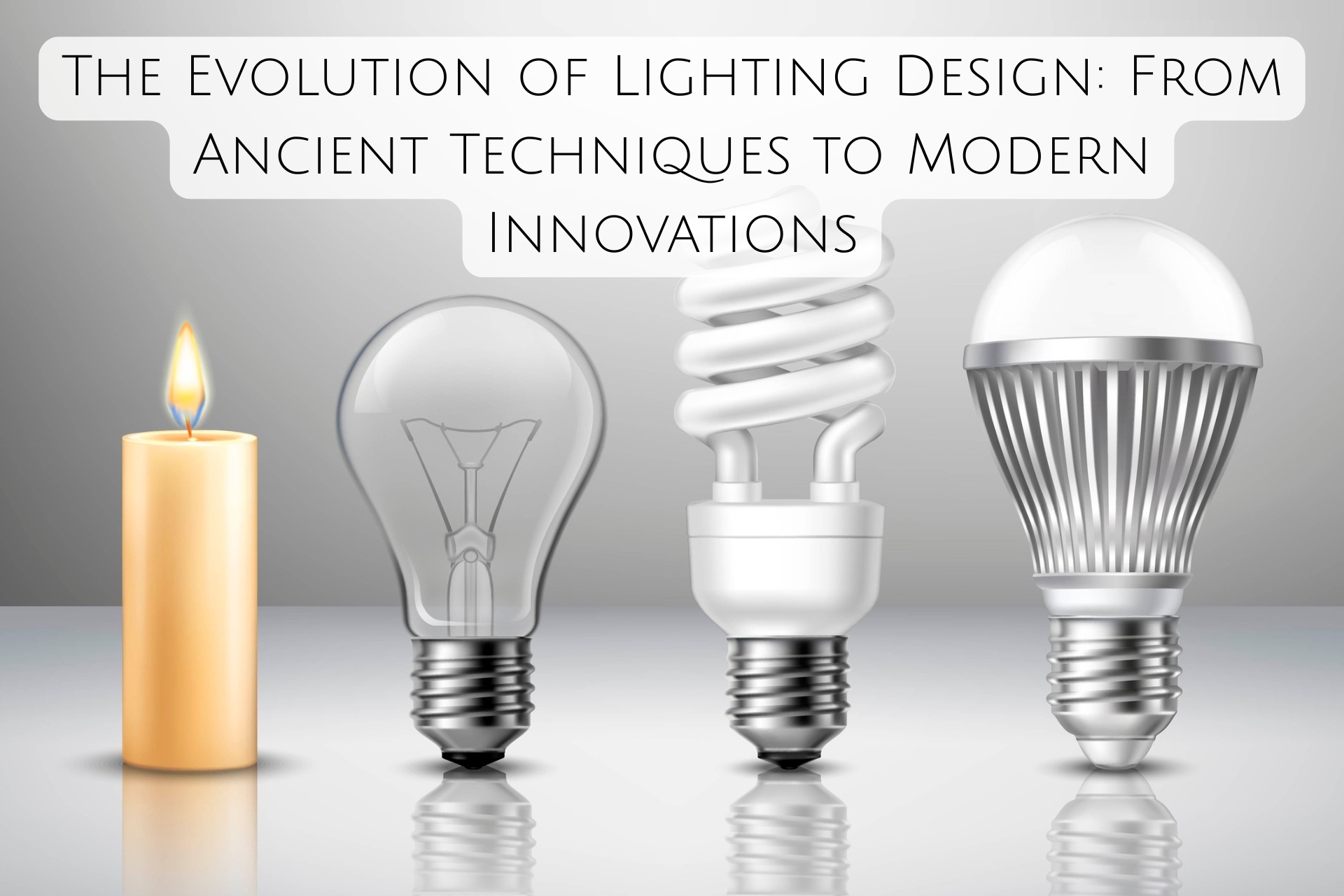
The evolution of lighting design reflects humanity’s continuous quest to control and enhance light for comfort and productivity. From the flickering flames of ancient oil lamps to the invention of the incandescent bulb, each innovation has redefined how we illuminate spaces. Modern advancements, such as LED technology and smart lighting systems, offer unprecedented control, efficiency, and customization. These breakthroughs not only improve energy consumption but also enable dynamic environments that respond to user needs and moods. Understanding this progression underscores the significance of integrating traditional principles with cutting-edge technologies to achieve lighting solutions that are both functional and inspirational.
The Psychology and Science of Light: Why Illumination Matters Beyond Visibility:
Humans are fundamentally light-dependent creatures. Our circadian rhythms—the biological clocks governing sleep, alertness, and hormone regulation—are primarily synchronized by light exposure. Yet modern indoor lighting, traditionally designed merely for visibility, often undermines these natural rhythms, contributing to sleep disruption, reduced productivity, and diminished well-being.
The color temperature of light profoundly influences our psychological state and physiological responses. Warm light (2,700K-3,000K), mimicking sunset and sunrise, triggers melatonin production and promotes relaxation—ideal for bedrooms, living rooms, and evening spaces. Cool, bright light (4,000K-6,500K), resembling midday sunshine, enhances alertness, focus, and productivity—optimal for workspaces, kitchens, and study areas. Yet traditional lighting approaches ignore these distinctions, applying uniform illumination regardless of time, activity, or space function.
Research demonstrates that human-centric lighting—systems that adapt color temperature and intensity throughout the day—improves sleep quality by 23%, enhances cognitive performance by 25%, and increases mood and alertness compared to static lighting. In 2025, this science is finally being integrated into home design, with tunable LED systems that shift from cool morning light to warm evening illumination, aligning artificial lighting with our natural biological preferences.
Understanding Layered Lighting: The Three-Pillar Foundation of Modern Illumination:
Professional lighting designers employ a three-layer approach to create balanced, functional, beautiful spaces. Each layer serves specific purposes, and together they create comprehensive illumination that adapts to different activities and moods.
Layer 1: Ambient (General) Lighting: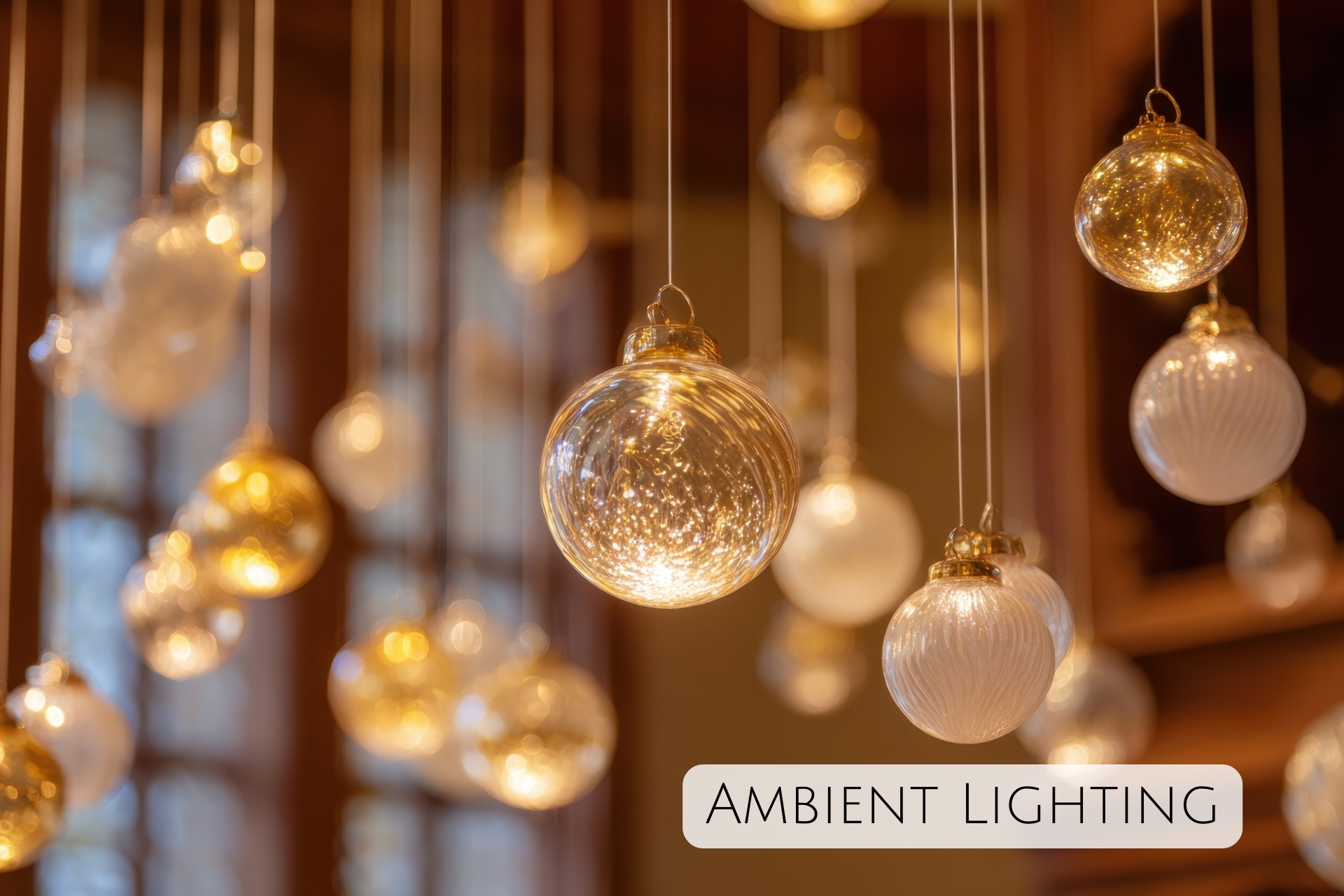
This foundational layer provides overall illumination, allowing safe navigation and comfortable visibility throughout a room. Ambient lighting should be soft, diffused, and shadow-free, creating an even glow without harsh spotlighting. Modern ambient lighting avoids the traditional overhead fixture approach in favor of distributed sources: recessed ceiling lights, cove lighting (hidden strips along ceiling edges), wall sconces, or integrated LED panels that distribute light evenly.
The shift toward ambient lighting reflects a fundamental re-evaluation of home design priorities. Rather than a single spotlight dominating the ceiling, contemporary homes employ multiple subtle light sources that collectively bathe spaces in gentle illumination. This approach offers several advantages: eliminates harsh shadows and glare, creates a more inviting atmosphere, provides flexibility for mood adjustment, and appears more sophisticated and intentional.
Layer 2: Task Lighting: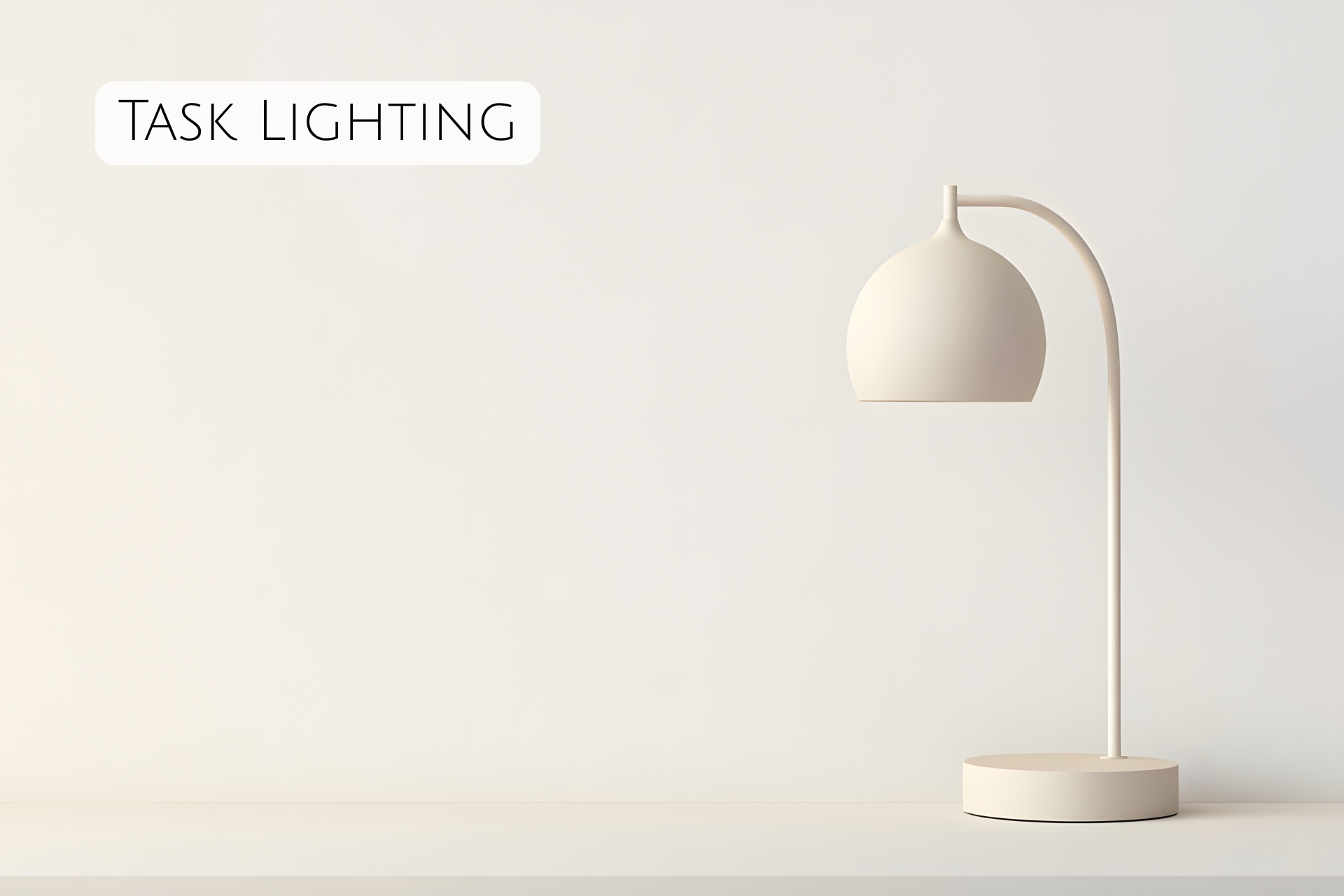
Focused illumination for specific activities—reading, cooking, working at a desk, applying makeup. Task lighting must be bright enough for the activity without creating glare or casting distracting shadows. A reading lamp beside an armchair, under-cabinet lighting in kitchens, desk lamps in study areas, and vanity mirror lighting in bathrooms exemplify effective task lighting.
The key to successful task lighting is positioning it to illuminate the work surface from above or from the side at 45 degrees, avoiding direct glare in the eyes. Modern task lights often feature dimming capabilities and adjustable color temperature to match ambient lighting while maintaining task visibility.
Layer 3: Accent Lighting: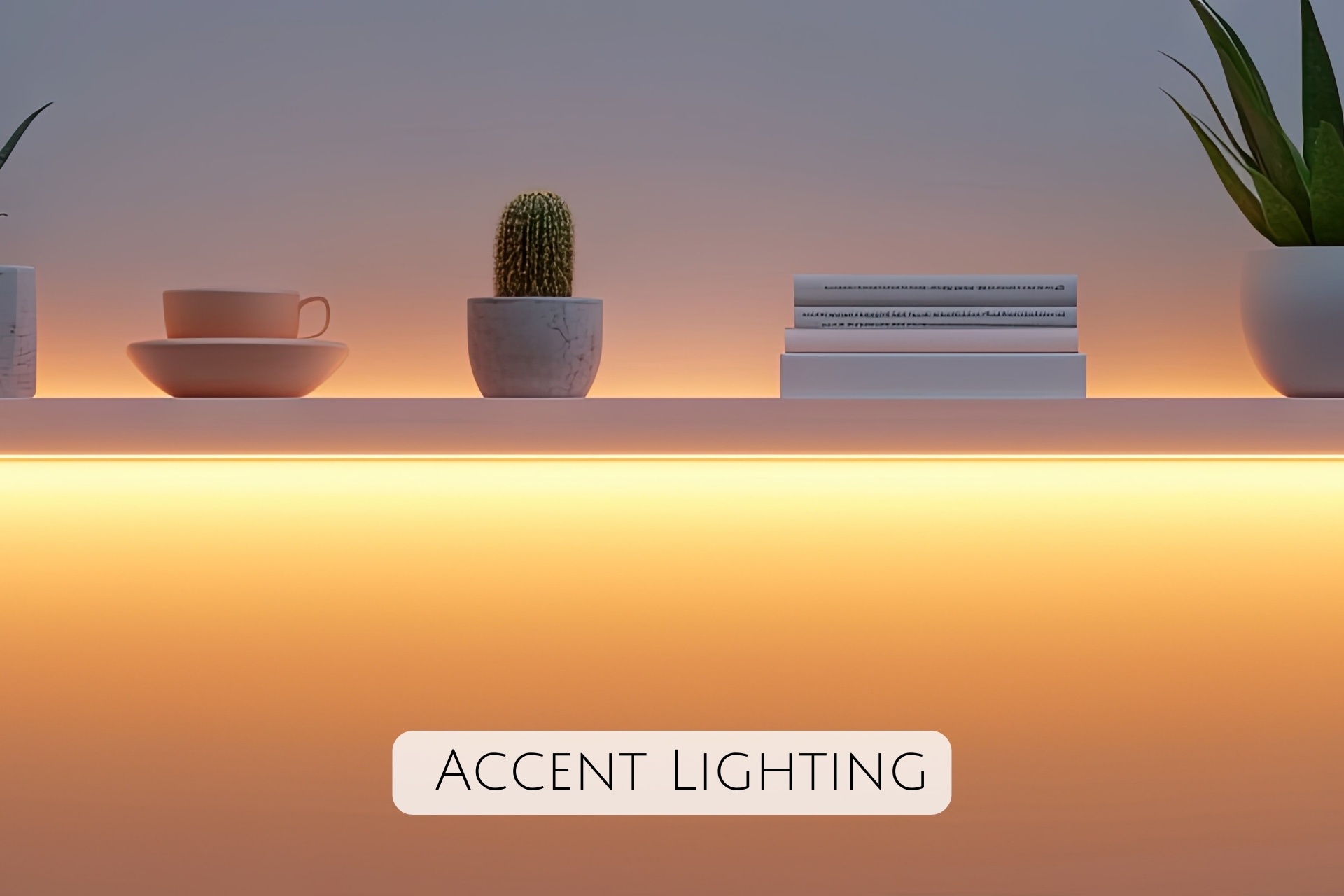
Decorative illumination highlighting architectural features, artwork, plants, or design elements, adding visual interest and dimension to spaces. Accent lighting might include uplighting on textured walls, spotlights on artwork, or LED strips highlighting architectural details. While not essential for function, accent lighting transforms spaces from utilitarian to luxurious, drawing the eye to intentional design elements.
The synergy of these three layers creates spaces that are simultaneously functional, beautiful, and adaptable. A living room with layered lighting can feel energetic for entertaining, intimate for movie watching, or focused for work—simply by adjusting different light layers.
Stylish Indoor Lighting Solutions: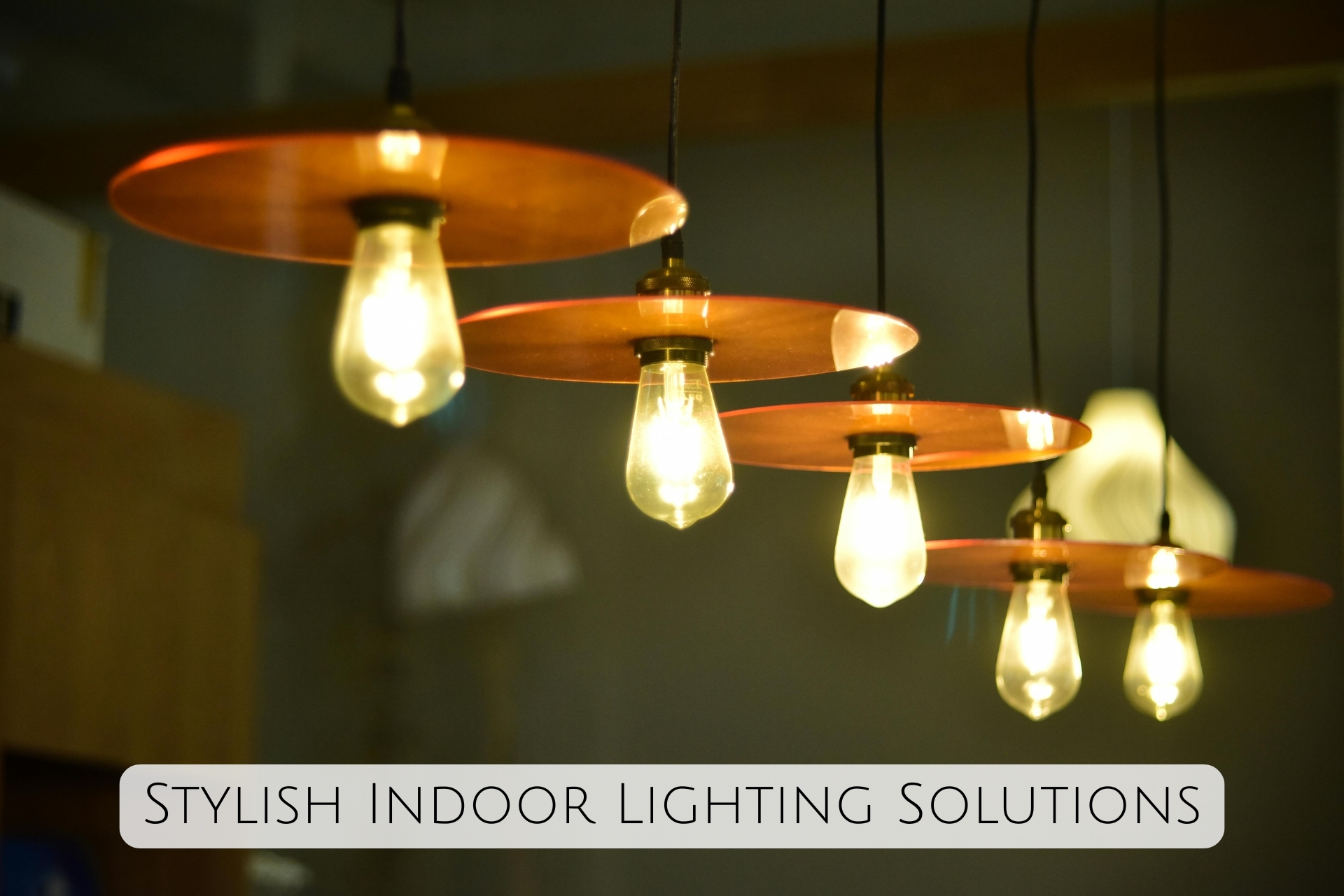
Chimiya offers indoor lighting for every taste and need. From novelty projectors to vanity mirrors, the site’s catalog is bursting with unique ideas. One featured product is the RICHMYC Ocean Wave Projector Light, which fills a bedroom or bar with 16 colors of rotating “ocean” patterns – a fun way to create a calming or dreamy atmosphere. There are also practical choices like Hollywood-style vanity lights with adjustable color temperature (warm white, cool white, daylight) for perfect makeup lighting. Even whimsical items like mirror-decorated disco-ball lamps add charm to home parties. These examples show that Chimiya’s indoor fixtures do double duty: they provide illumination and become part of the decor.
Beautiful Outdoor & Decorative Lighting: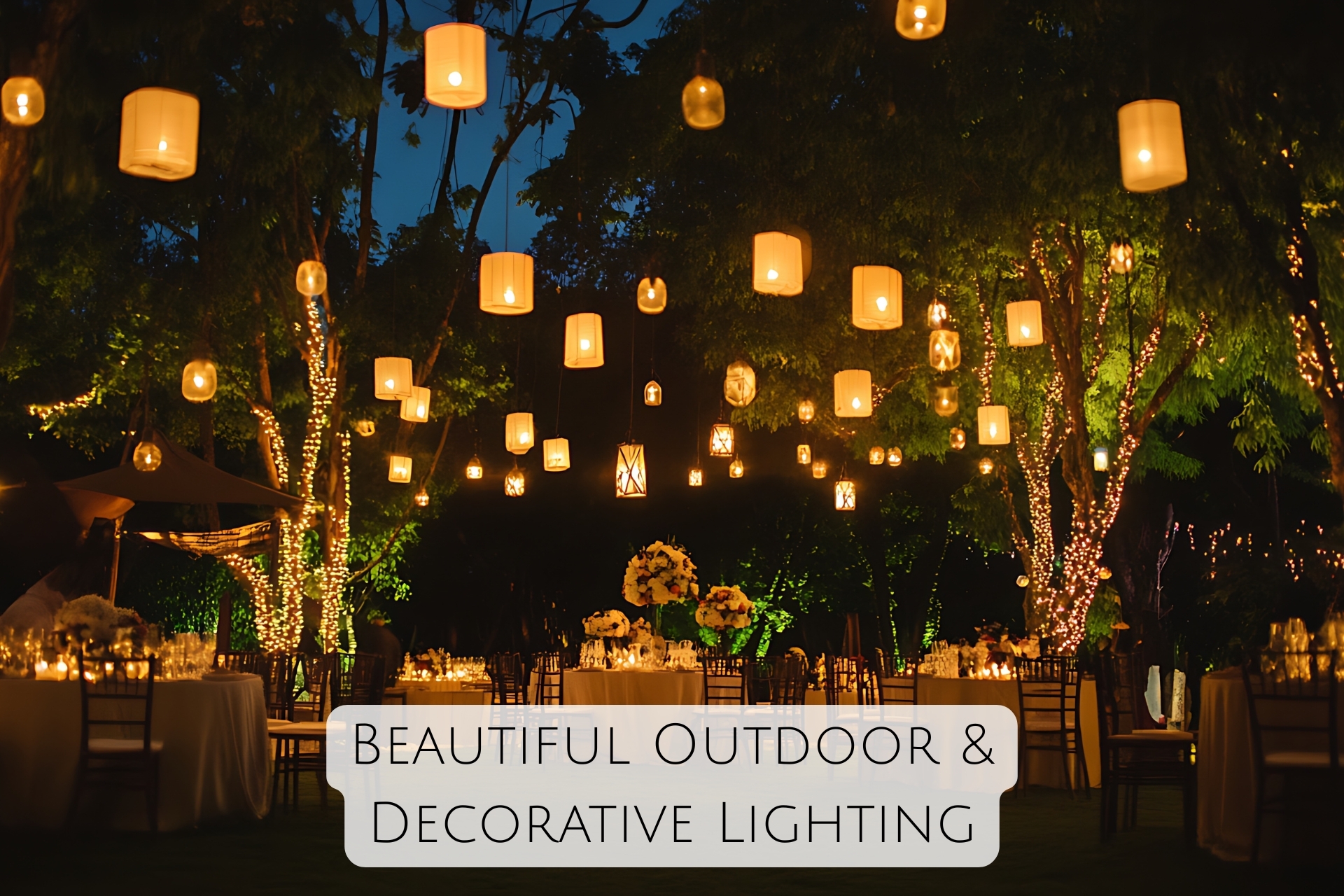
Outdoor lighting enhances both safety and style. Chimiya’s solar-powered lanterns and pathway lights let you brighten gardens and patios without wiring. For instance, the AIINY Hanging Solar Lantern casts “enchanting” Moroccan-style patterns at night, instantly making a porch or yard feel warm and welcoming. It turns any backyard into a relaxing oasis with soft light. Another favorite is the KOOPER Solar Pathway Light: this waterproof stake light has an adjustable-height design that “greatly meets your different lighting and decoration needs”. Its unique transparent style looks modern, and because it’s solar-powered, it lights pathways automatically on dusk (no wiring or power bills required).
Low-voltage LED outdoor spotlights (also available from Chimiya) provide a cozy, warm glow at 2700K, ideal for illuminating gardens, trees or walkways. These sturdy fixtures are built to enhance curb appeal while withstanding weather. Decorative outdoor bulbs or novelty shapes (like floating solar flamingo lights or sunflower stake lights) add personality – imagine flamingo lights bobbing in a pool or glowing sunflowers lining a path. All these products show how lighting can turn ordinary yards into inviting, magical spaces.
Common Lighting Design Mistakes and How to Avoid Them:
Even with the best intentions, lighting design errors can undermine a space’s functionality and aesthetics. A frequent mistake is over-illumination, which leads to glare and discomfort. Conversely, insufficient lighting creates dark, unsafe areas. Another pitfall is ignoring layering—relying solely on ambient lighting without incorporating task and accent lights diminishes depth and versatility. Additionally, overlooking color temperature can disrupt mood and visual clarity. To avoid these issues, collaborate with professionals to develop a balanced lighting plan that considers purpose, scale, and energy efficiency. Regularly reviewing lighting placement and integrating adaptable controls further ensures an optimized environment tailored to evolving needs.
How Chimiya Empowers Your Lighting Transformation:
Chimiya’s extensive lighting collection provides both stylish form and practical function so customers can easily refresh any space. Chimiya brings comprehensive lighting solutions directly to your home through a curated collection of premium fixtures, smart lighting systems, and innovative accessories that illuminate your space with style and intelligence. From sleek matte black modern pendant lights and minimalist LED panel fixtures that create the invisible-design aesthetic of contemporary homes, to advanced smart dimmable LED strips with color temperature adjustment and motion sensors, Chimiya provides everything needed to implement professional-grade lighting design. The store's extensive Home & Kitchen category includes ambient lighting solutions, task-specific desk lamps, energy-efficient solar outdoor fixtures, and smart lighting controllers that integrate with voice assistants. Whether you're creating cozy bedroom ambiance with warm LED strips, installing under-cabinet task lighting for your kitchen, upgrading your living room with layered ambient solutions, or transforming outdoor spaces with solar lighting, Chimiya delivers quality products with free shipping across India. By shopping at Chimiya, you're not just purchasing light fixtures—you're investing in a complete lighting ecosystem that aligns with 2025 design trends, supports health and well-being, reduces energy consumption by 50-70%, and transforms how you experience your home every single day.
Conclusion:
Modern lighting design seamlessly blends art and science, shaping environments that are both beautiful and functional. By prioritizing human-centric approaches and leveraging advanced technologies, designers create spaces that enhance wellbeing, productivity, and experience. As demonstrated through diverse industry case studies, effective lighting transcends aesthetics, becoming an essential element in spatial design. Embracing innovative lighting solutions empowers businesses and individuals to illuminate their worlds thoughtfully and sustainably. Moving forward, continued collaboration between designers, engineers, and users will be vital in unlocking new possibilities, ensuring that lighting remains a transformative force in creating vibrant, responsive environments.
Knowledge Hub

How to Choose Nonstick Bakeware That Actually Lasts
Introduction: Most people don't think much about bakeware until something goes wrong — a cake that w...

Choosing the Right Kitchen Knife Set for Your Home
Introduction: Walk into most Indian kitchens and you'll find the same story: a drawer full of knives...

Pack Smart for Your Next Fly Fishing Adventure: The Essential Tackle & Backpack Guide
Introduction: A successful fly fishing trip starts long before you cast your first line. Whether you...

The Complete Pet Supplies Guide: Everything You Need for Every Kind of Pet
Introduction: Do you have a pet at home? Maybe you have a dog, a cat, a bird, a fish, or even a hors...

Gear Up for Adventure: A Beginner's Essential Camping Packing Guide
Introduction: Camping is an exciting way to connect with nature, but a little planning goes a long w...

Microphone Quality Matters: Why a Good Mic Is Essential in Gaming Headsets
Gaming headsets have become a staple for serious players, offering immersive sound and the ability t...