
How to Choose Nonstick Bakeware That Actually Lasts
Introduction:
Most people don't think much about bakeware until something goes wrong — a cake that won't come out in one piece, a muffin tin that's warped after three uses, or a coating that's started flaking into the batter. Nonstick bakeware promises to solve all of this, but the category is crowded with pans that look identical on a shelf and perform very differently in an actual oven. Some hold their shape for years; others warp the first time they're pulled out hot and set on a cold counter. Some coatings release a cake cleanly for a hundred bakes; others start sticking again within a few months.
The gap between a good pan and a mediocre one usually comes down to three things people rarely check before buying: what the pan is actually made of underneath the coating, how that coating is applied and rated, and whether the shapes in the set match what you actually bake. This guide walks through all three, along with the safety questions worth understanding and the small care habits that decide whether a set lasts two years or ten.
What "Nonstick" Doesn't Tell You: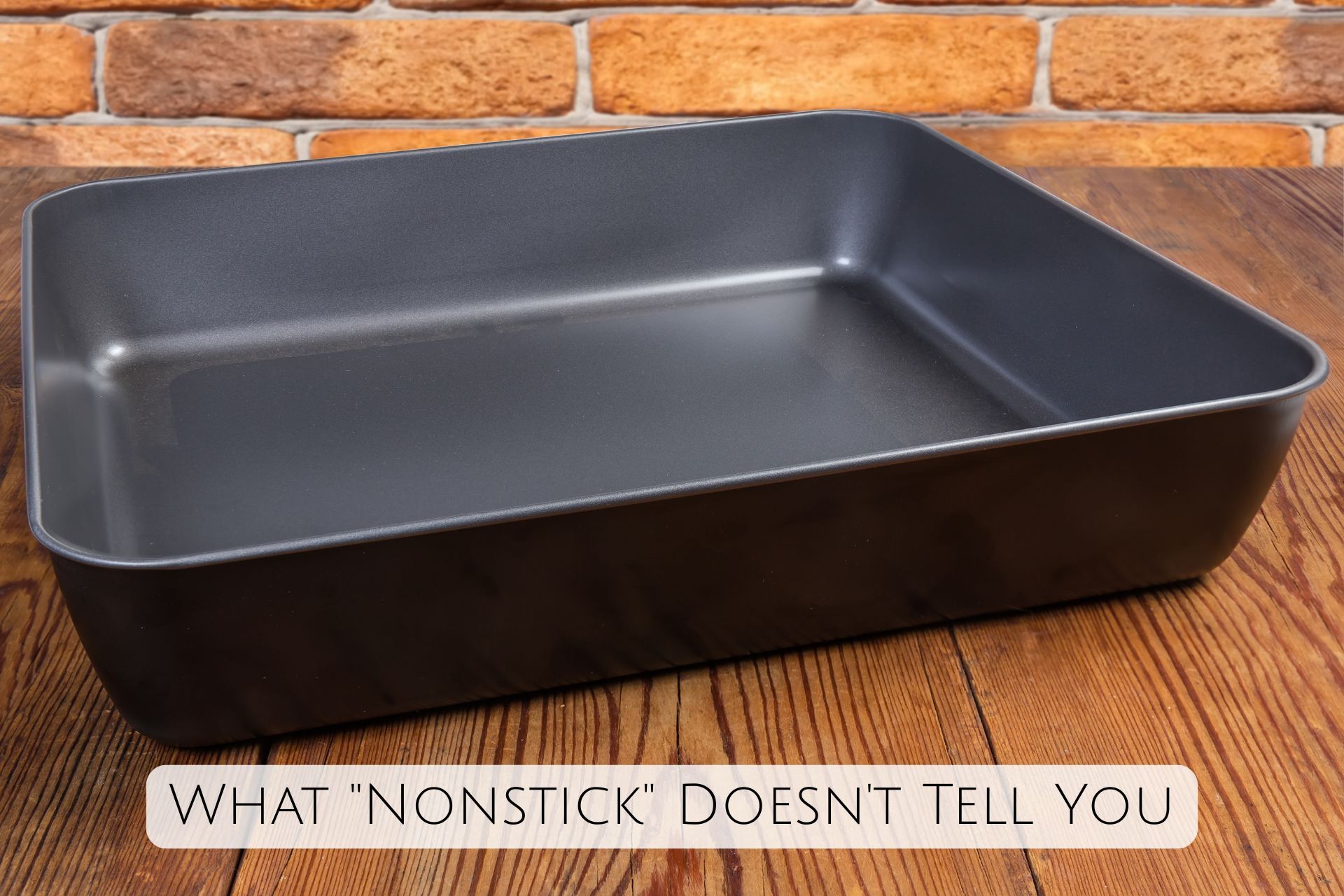
The word "nonstick" describes the surface, not the pan. Two bakeware sets can both be labeled nonstick and behave completely differently, because the base metal underneath the coating is what actually determines how the pan heats, holds its shape, and ages over time.
A thin, lightweight pan with a nonstick coating will still warp under oven heat, still develop hot spots that scorch the edges of cookies while the centre stays pale, and still dent if it's ever dropped or stacked carelessly. The coating makes cleanup easier — it doesn't fix a poorly made pan. This is the single most important thing to understand before comparing anything else: judge the base material first, the coating second.
The Base Material: Where Durability Actually Comes From:
-
Carbon steel:
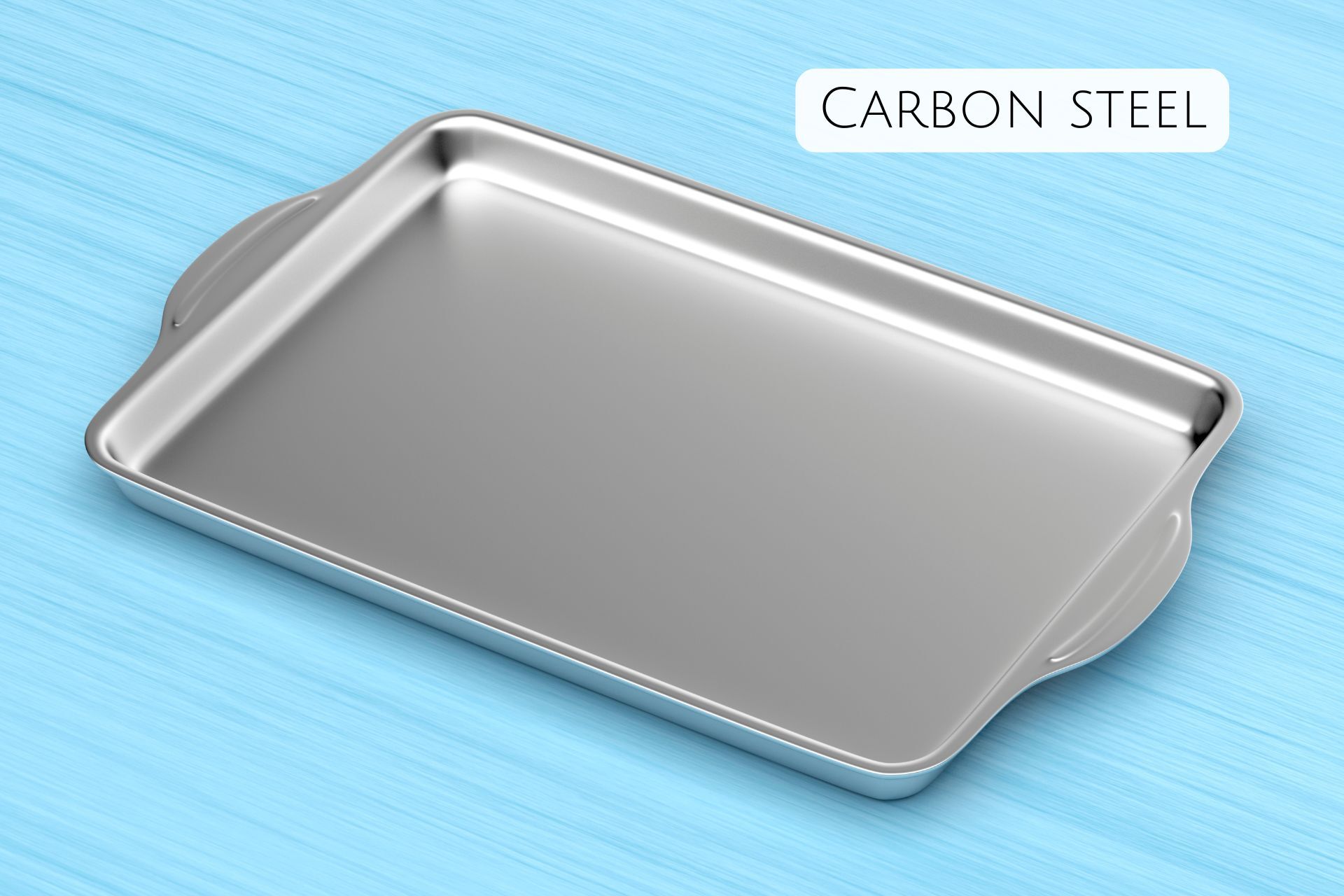
Carbon steel is the heaviest and most durable option commonly available. It conducts heat quickly and evenly, resists warping even under repeated high-heat use, and holds its shape through years of regular baking. It's the material most professional and semi-professional bakeware is built on, and it's worth the extra weight if you bake often.
-
Aluminized steel:
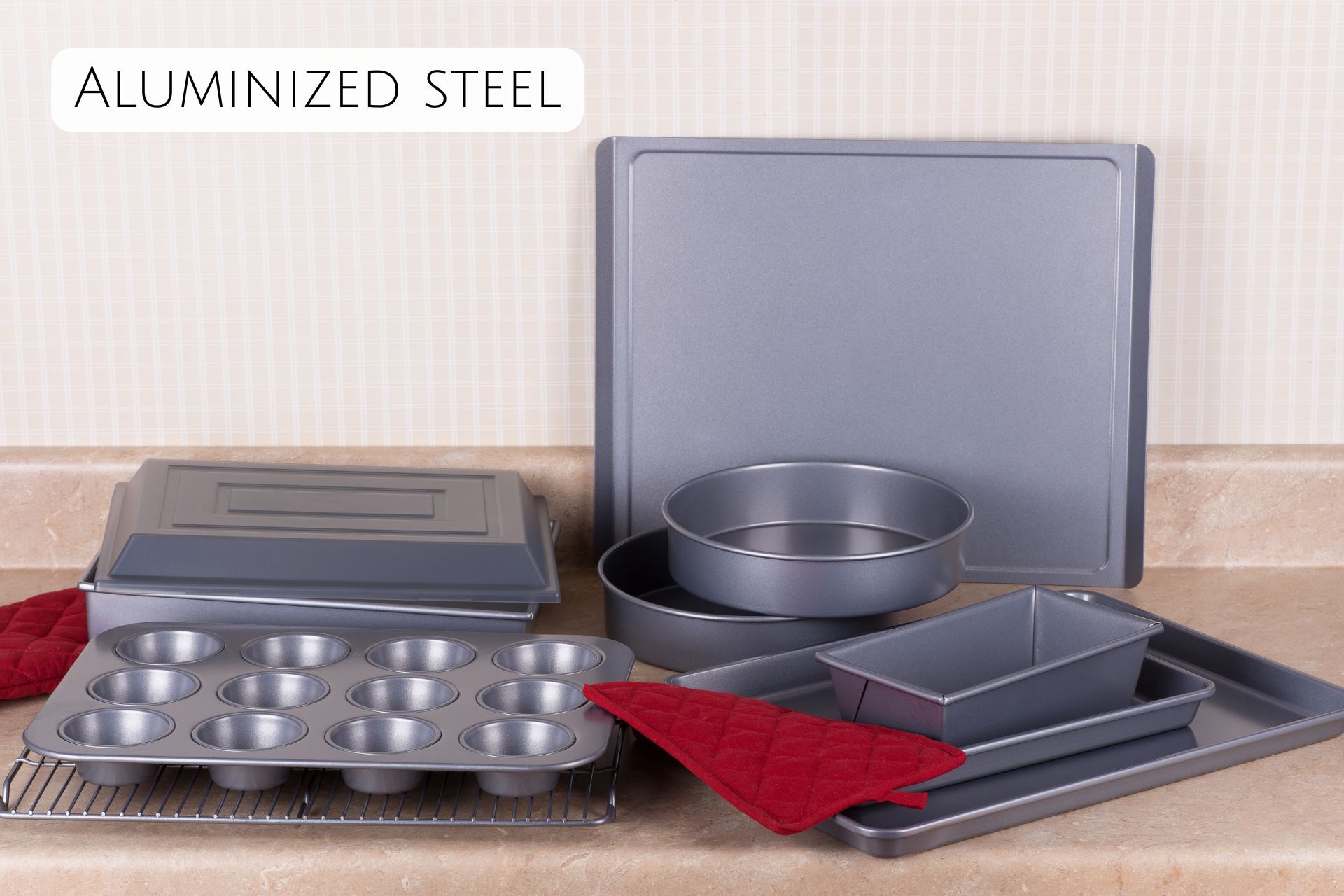
Aluminized steel a steel core with an aluminum coating — sits in the middle. It's lighter than carbon steel, reasonably resistant to warping, and heats fairly evenly, though it typically won't brown as deeply or as consistently at the edges. For most home bakers who bake a few times a month rather than daily, this tier is genuinely sufficient.
-
Plain or reinforced aluminum:
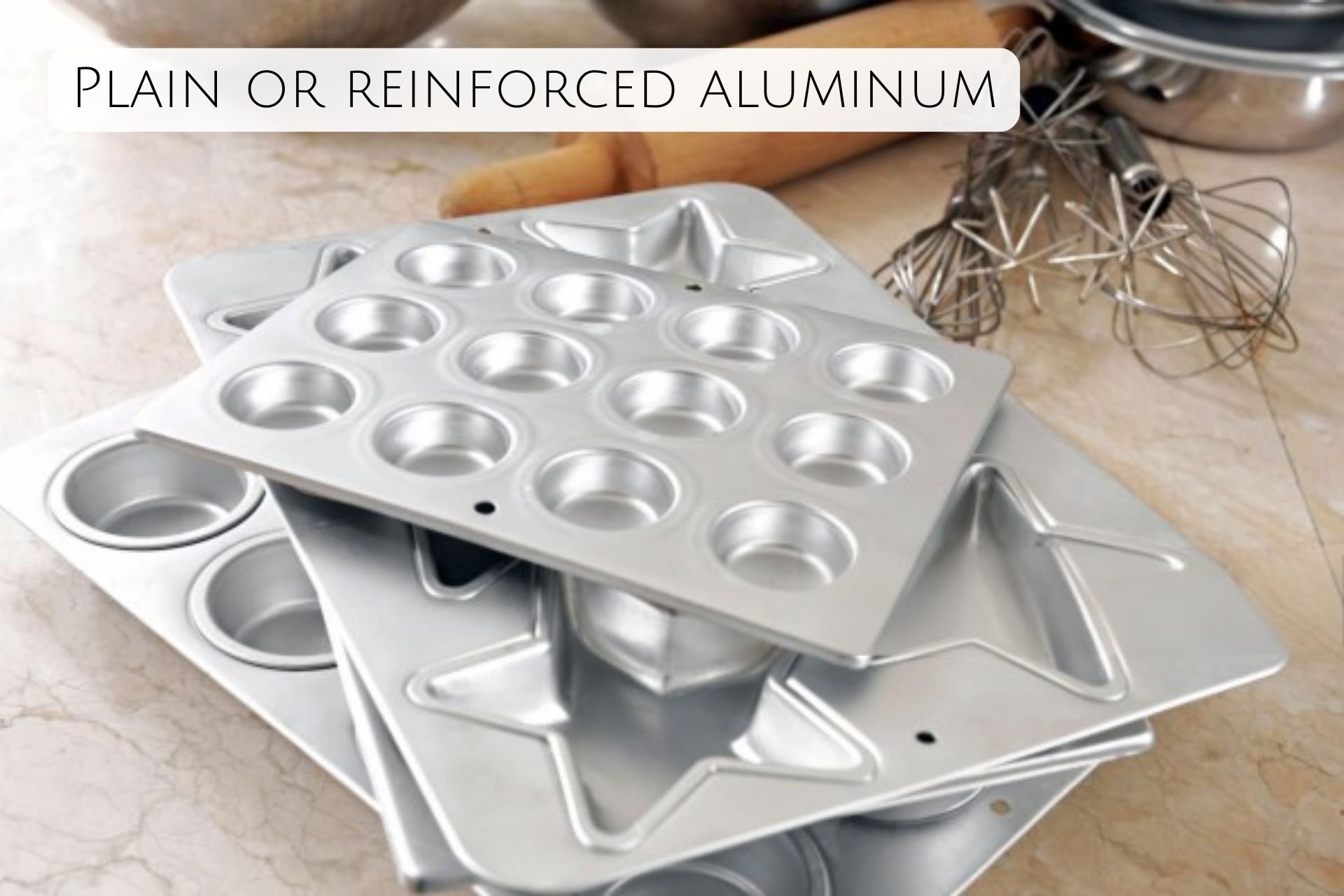
Plain or reinforced aluminum heats up fast and is the lightest option, which some people prefer for easy handling. The trade-off is durability — thinner aluminum pans are more prone to bending or denting, especially the rim, which can throw off how batter spreads and bakes.
-
Ceramic-coated pans:
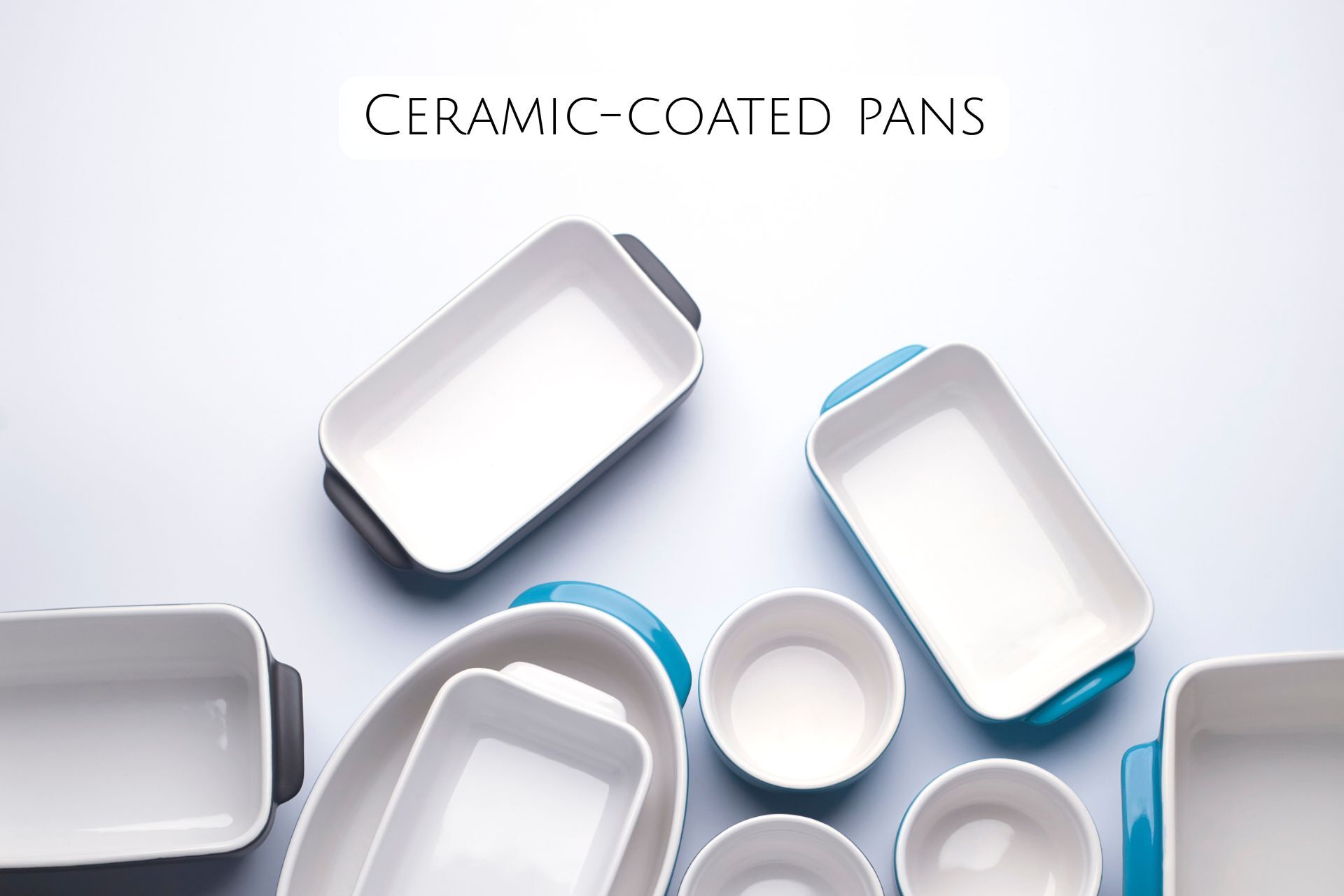
Ceramic-coated pans appeal to people specifically avoiding synthetic coatings, since the surface itself is a mineral-based finish rather than a PTFE layer. The nonstick performance is generally good when new, but tends to fade faster than PTFE-based coatings, and ceramic-coated pans usually have lower maximum safe temperatures — something worth checking before high-heat baking like roasting vegetables at 220°C or above.
A quick way to decide: if you bake weekly and want a set that won't need replacing in a year or two, prioritize carbon steel or aluminized steel over lighter aluminum or ceramic, even if it costs a bit more upfront.
Reading Coating Quality, Not Just Coating Type: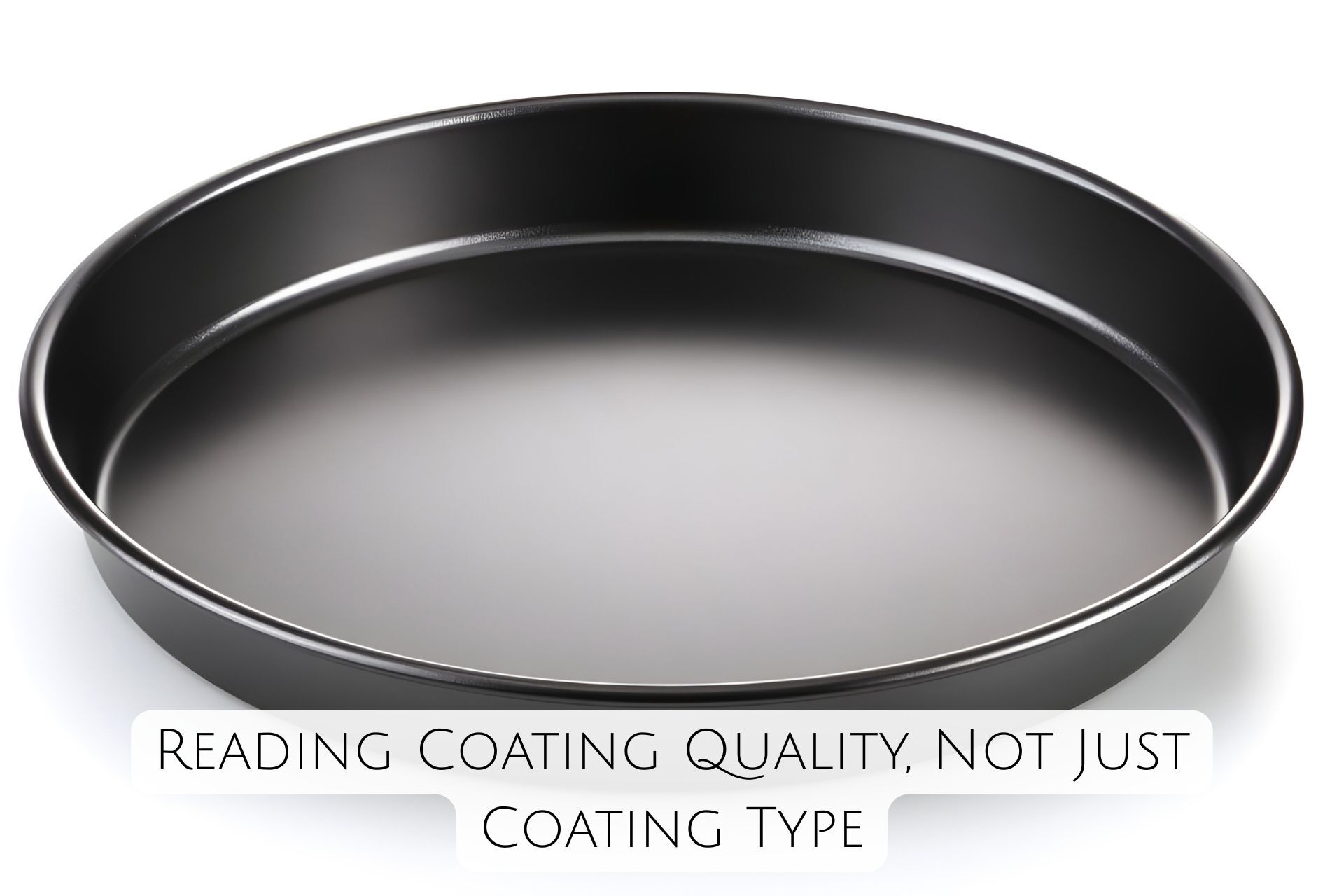
Beyond the base metal, the coating itself varies significantly between brands even when they use the same general technology.
- Number of coating layers — better bakeware often uses multiple reinforced layers rather than a single thin spray coat, which extends how long the nonstick surface performs before it starts to degrade.
- Reinforced or textured coatings — some brands add a textured or reinforced top layer specifically to resist scratching from utensils, extending the coating's working life even with imperfect care.
- Even coating application — inconsistent or thin patches (sometimes visible as faint streaking under good light) are an early sign of a coating that will wear unevenly, sticking in some spots long before others.
- PFOA-free and PFAS-free labeling — legitimate manufacturers state this clearly on packaging or listings; if a product doesn't mention it at all, it's worth checking directly with the seller before buying, especially for bakeware you'll use often.
Matching the Set to What You Actually Bake: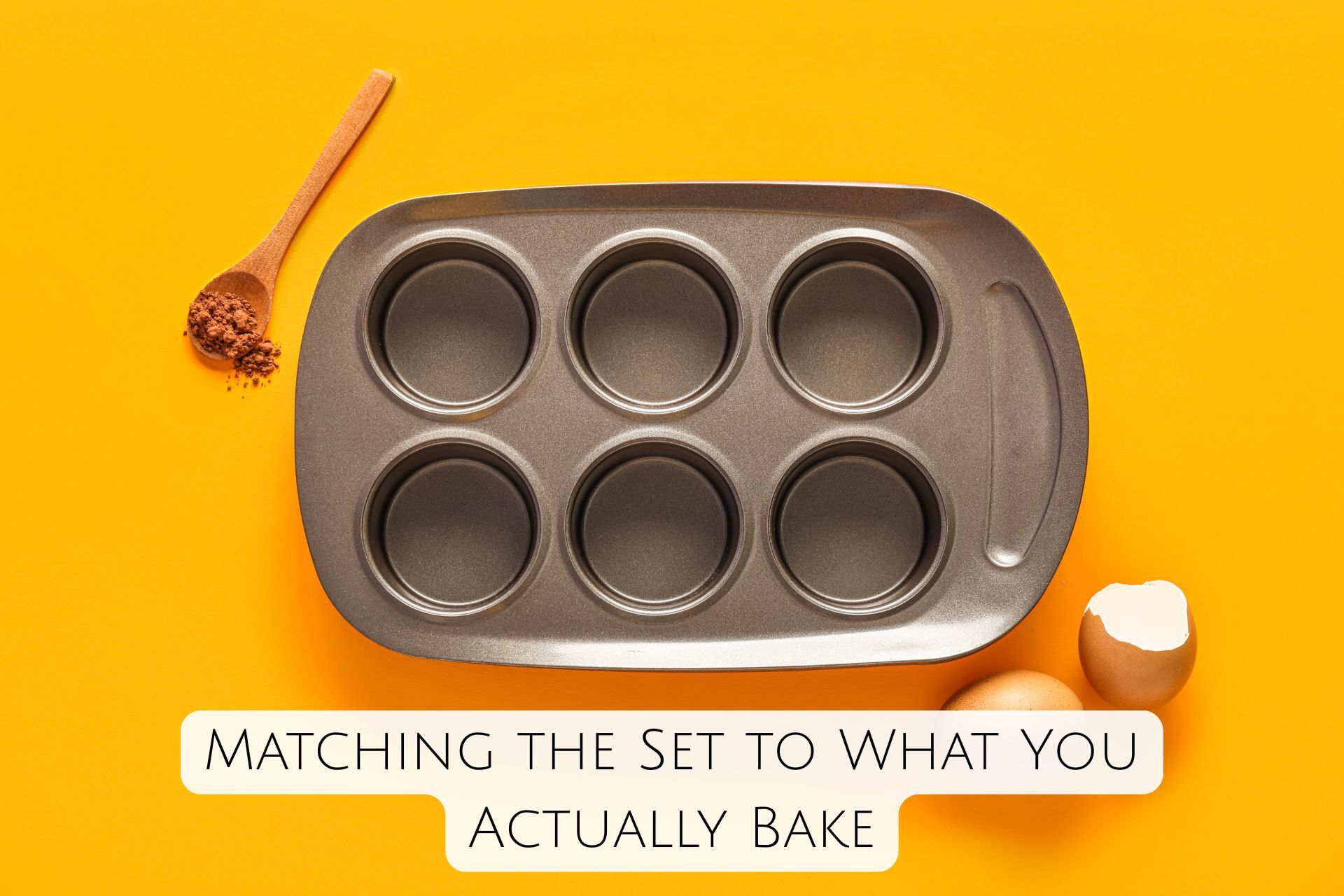
Bakeware sets are sold in bundles ranging from four pieces to well over a dozen, and — much like knife sets — bigger isn't automatically better. The right set size depends entirely on what ends up in your oven regularly.
- If you mostly bake cookies and simple sheet desserts — one or two half-sheet pans with a rim (to avoid spills) will cover most of what you need.
- If muffins, cupcakes, or bite-sized bakes are a regular thing — a properly deep 12-cup muffin tin is worth prioritizing; shallow cups undercook the centre of the batter before the edges are done.
- If you bake cakes for birthdays or celebrations — one or two round cake pans (commonly 9-inch) plus a square or rectangular pan for bars, brownies, and casseroles covers most home celebration baking.
- If bread, banana bread, or pound cakes come up often — a loaf pan is worth including even if it's not in the base set, since it's one of the more commonly missing pieces in generic bundles.
- If you bake in volume, or bake and cool at the same time often — a wire cooling rack matters more than people expect; baked goods left to cool directly in a hot pan continue cooking from residual heat and can turn soggy on the base.
Rather than buying the largest set available, it's worth listing out what you've actually baked in the last few months and matching pieces to that list. A tightly matched 6-piece set gets used far more consistently than an unused 15-piece bundle sitting half-empty in a cabinet.
Safety Questions Worth Actually Understanding:
Nonstick coatings have a legitimate safety history worth knowing rather than glossing over. Older-generation coatings used a chemical called PFOA, linked to health concerns, which is why "PFOA-free" became a standard label industry-wide over the past decade. Most reputable bakeware sold today is PFOA-free, but it's still worth confirming rather than assuming, particularly with unfamiliar or newer brands.
A few practical points worth knowing:
- Temperature limits exist even on PFOA-free coatings. Most PTFE-based nonstick coatings are rated safely up to around 230°C; exceeding this regularly can start to break down the coating over time. Ceramic coatings often have a lower safe ceiling, closer to 200°C, so check the specific pan before using it for high-heat roasting.
- Kitchen ventilation is good general practice, especially at the higher end of a pan's rated temperature — keeping a window or exhaust running during hot bakes is a simple habit worth building regardless of coating type.
- Damaged coatings should be retired, not pushed through. Once a coating is visibly scratched, peeling, or flaking, its nonstick performance and safety margin both decline — this is usually the point to replace that specific piece rather than keep using it.
Everyday Care That Actually Extends a Set's Life:
Nonstick bakeware is more delicate than it looks, and most of the damage that shortens its life happens from a handful of avoidable habits rather than from age itself.
- Hand wash rather than dishwasher, even on pans labeled dishwasher-safe. Dishwasher detergents are more abrasive than they seem, and repeated cycles wear down coatings faster than gentle hand washing with a soft sponge.
- Never use metal utensils on the surface — this includes cutting brownies directly in the pan with a metal knife, a very common way coatings get scratched. Silicone, wood, or plastic tools avoid this entirely.
- Let the pans cool before washing. Plunging a hot pan into cold water can warp thinner bakeware and stress the coating from the sudden temperature change.
- Store with protection between pans. Stacking bare pans directly on top of each other scratches the coating over time; a sheet of paper towel, cloth, or a felt protector between each pan prevents this at essentially no cost.
- Soak, don't scrub, for stuck-on residue. Warm soapy water for fifteen to twenty minutes loosens most residue without force; a soft baking-soda paste handles tougher spots without scratching, unlike steel wool or abrasive scrubbers.
Where to Find a Set Worth Trusting:
Once you know what to look for, the easier part is actually finding it. Chimiya's kitchen and bakeware range is built around the same priorities covered above — sturdy base materials, PFOA-free coatings, and set sizes that match real baking habits instead of padding a box with pieces you'll never use. Whether you're after a simple half-sheet pan and muffin tin to start out, or a fuller set with cake pans, a loaf pan, and a cooling rack for more regular baking, you can browse and compare options directly at chimiya.com and find a set sized and priced for how often you actually bake.
Conclusion:
A nonstick bakeware set is one of those kitchen purchases where the visible difference between a good one and a mediocre one only shows up months later — in whether a pan still releases cleanly, still sits flat in the oven, and still browns evenly instead of scorching at the edges. Judging a set by its base material first, checking the coating quality and safety labeling second, and matching the pieces to what you actually bake will get you a set that earns its space in the kitchen rather than one that gets replaced within a year.
Pair that with a few simple care habits — hand washing, avoiding metal utensils, and storing pans with some protection between them — and even a mid-range set will comfortably outperform an expensive one that's handled carelessly. Bakeware isn't a purchase to rush; a little attention at the buying stage saves a lot of frustration at the oven door later.
Knowledge Hub
Cast Iron, Stainless Steel & Non-Stick
Every Indian kitchen ends up with some combination of all three — a heavy iron kadhai from your gran...
Cast Iron vs Stainless Steel vs Non-Stick: When to Use Each
Every Indian kitchen ends up with some combination of all three — a heavy iron kadhai from your gran...
700W vs 1000W Mixer Grinder: What the Wattage Actually Buys You — and When It Doesn't
Stand in any appliance aisle in India and you'll see the same little ritual. Someone picks up a mixe...
7 Kitchen Gadgets Indians Actually Use Every Day
Open any Indian kitchen drawer and you'll find at least one appliance still in its box, bought durin...
Air Fryer vs OTG: Which One Makes More Sense for an Indian Kitchen?
Your mother-in-law swears by the OTG she's used for fifteen years. Your Instagram feed insists you n...
How to Choose Nonstick Bakeware That Actually Lasts
Introduction: Most people don't think much about bakeware until something goes wrong — a cake that w...