
Choosing the Right Kitchen Knife Set for Your Home

Introduction:
Walk into most Indian kitchens and you'll find the same story: a drawer full of knives, but only one or two that anyone actually reaches for. The rest sit there — too dull, too heavy, or simply the wrong shape for the job — while a single all-purpose blade gets used for everything from slicing onions to breaking down a whole chicken. Over time this turns into a quiet daily frustration: vegetables that bruise instead of slice cleanly, meat that tears instead of cuts, and a knuckle-nicking near-miss every few weeks because the blade slipped on something it wasn't designed to handle.
A good knife set fixes this, but "good" doesn't mean "expensive" or "the biggest block on the shelf." It means having the right few blades, made well, that match how you actually cook. Buying knives is also one of those purchases people tend to get wrong twice — first by overspending on a huge set they don't need, and second by underspending on flimsy blades that go dull within weeks and end up more dangerous than helpful, since a dull knife requires more force and is more likely to slip.
This guide walks through everything that actually matters when picking a set — blade material, handle design, weight, storage, maintenance, and budget — so you can stop settling for one overworked knife and start cooking with tools that make the job faster, cleaner, and genuinely safer. By the end, you should be able to walk into a store or open a listing online and know exactly what you're looking at, rather than going by brand name or box size alone.
Start With How You Cook, Not With the Set Size:
Most knife sets are sold as 5-piece, 7-piece, or 15-piece bundles, and it's tempting to assume more pieces means better value. In practice, most home cooks in India regularly reach for only a handful of blades:
- Chef's knife — the main workhorse for chopping, slicing, and dicing vegetables, meat, and most everyday prep.
- Paring knife — for small precision jobs: peeling, deveining, hulling strawberries, trimming fat.
- Serrated/bread knife — for anything with a tough exterior and soft interior: bread, tomatoes, citrus.
- Utility knife — a smaller, narrower blade that sits between a chef's knife and a paring knife, handy for sandwiches, smaller vegetables, or slicing cheese.
Beyond these four, specialty blades — boning knives, cleavers, fillet knives, santoku knives — earn their place only if you cook a specific way often enough to justify them. A family that cooks a lot of fish might genuinely benefit from a fillet knife. A household that rarely touches meat has no real use for a cleaver taking up drawer space.
A simple way to decide your set size: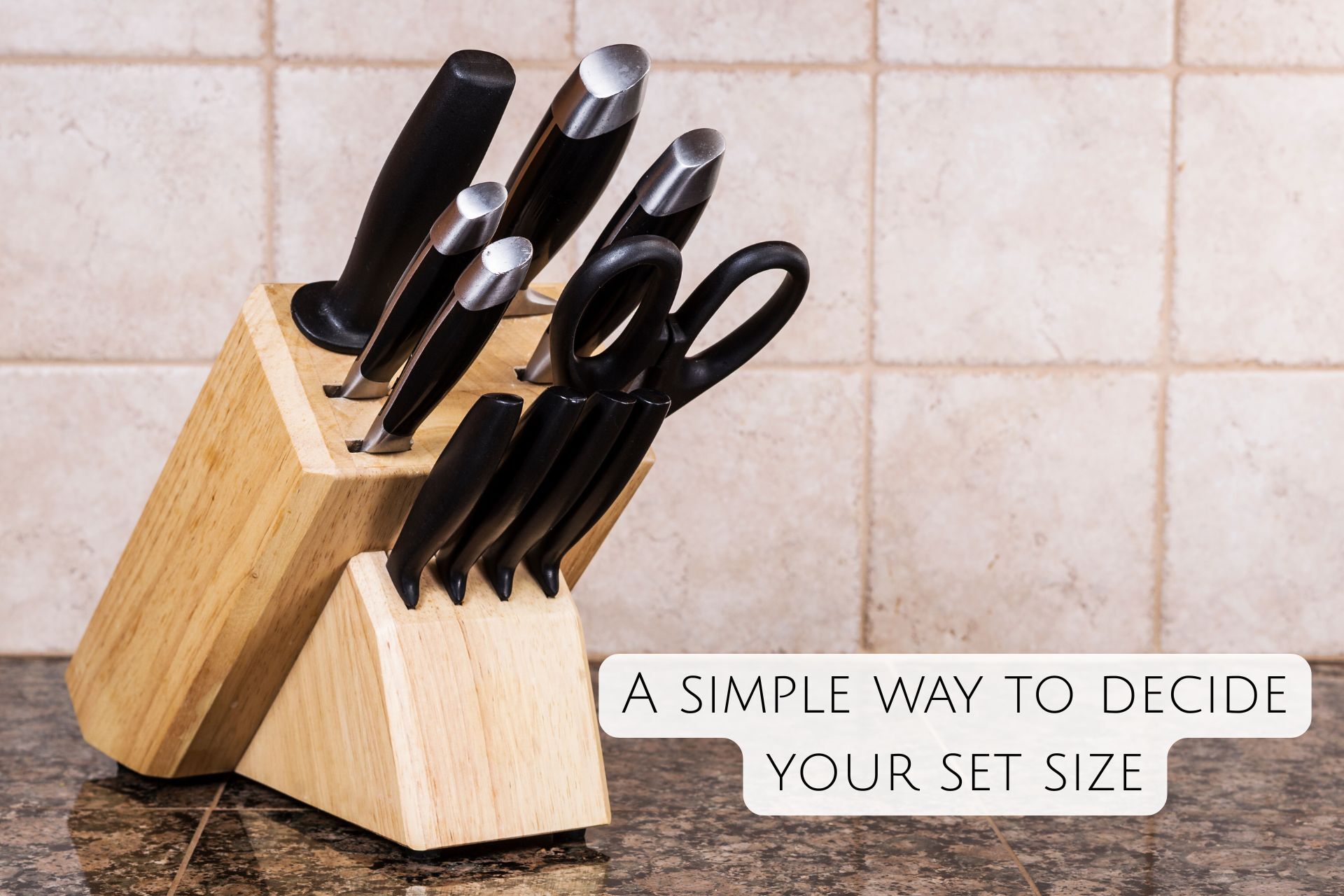
- If you cook basic daily meals — a 3-piece set (chef's, paring, serrated) covers nearly everything.
- If you cook more elaborate meals with meat, fish, or baking involved — a 5-to-7-piece set adds a utility knife and maybe a boning or santoku knife.
- If you entertain often, carve whole roasts, or do a lot of bread-making — a larger set with a carving knife and dedicated bread knife starts to make sense.
Buying a tight, well-made set of four knives will serve you better for years than a fifteen-piece block where most of the blades never leave their slots and slowly dull from disuse and knocking against each other.
The Blade Material Decides How Often You'll Sharpen: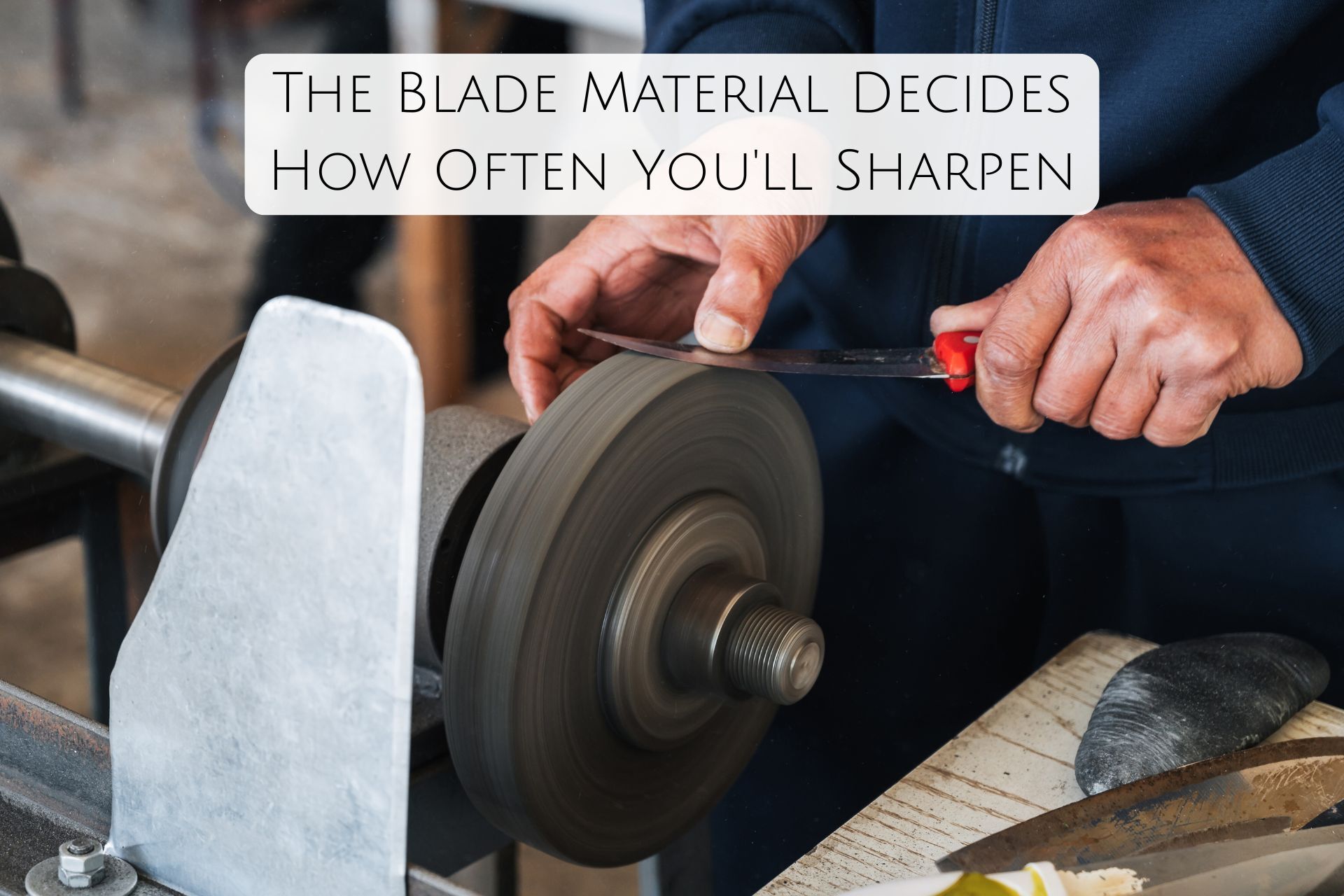
Blade steel is where quality differences show up fastest, even when two knives look nearly identical on a shelf.
- High-carbon stainless steel is the standard for most home kitchens today, and for good reason. It holds an edge noticeably longer than plain stainless steel, resists rust reasonably well, and doesn't demand the careful drying-and-oiling ritual that fully carbon-steel blades need in humid climates. For most Indian households, especially during monsoon months, this is the safest default — it tolerates a bit of everyday neglect without punishing you for it.
- Full carbon steel takes an exceptionally sharp edge and is favored by serious cooks and professional chefs for its precision. But it reacts to acidic ingredients like tomatoes, citrus, and onions, sometimes picking up a metallic taste or discoloring the food slightly, and it can develop rust spots quickly if left wet even for a short while. Unless you're genuinely willing to hand-wash and dry it immediately after every single use, this isn't the practical choice for most kitchens.
- Stamped blades are cut from a flat sheet of steel rather than forged, which makes them lighter and considerably cheaper. This suits smaller hands or lighter chopping tasks well, but they usually dull faster and can feel flimsy or even flex slightly when cutting through denser vegetables like pumpkin, raw jackfruit, or a whole coconut.
- Forged blades are shaped from a single heated bar of steel, hammered and tempered into shape. They're heavier, better balanced, and hold their edge considerably longer — generally worth the extra cost if you're cooking daily rather than occasionally.
A quick way to think about it: stamped blades are fine as a backup or for light, occasional use; forged, high-carbon stainless blades are worth paying more for if the knife is going to see daily action.
Handle Comfort Matters More Than It Looks Like It Should:
A knife you're not comfortable holding gets used carelessly, and carelessness is where kitchen injuries actually happen. Before buying, if you're able to hold the knife in person, grip it the way you naturally would — most people wrap their hand around the handle with their index finger and thumb pinching just above the bolster, the thick metal junction where the blade meets the handle. The weight should feel like it sits slightly forward of your grip, giving you control without straining your wrist over a long chopping session.
A few things worth checking on the handle itself:
- Material — dense wood, textured polymer, or riveted composite handles tend to grip better than smooth, glossy plastic, especially once your hands are wet or oily mid-cooking.
- Rivets vs. molded — riveted handles (visible metal studs holding handle to tang) are usually sturdier long-term than fully molded plastic-over-tang designs, which can loosen with years of use.
- Size relative to your hand — a handle that's too thick or too thin for your grip will tire your hand faster, especially during long prep sessions like chopping vegetables for a big family meal.
- Textured grip near the bolster — small ridges or finger guards here reduce the chance of your hand slipping forward onto the blade during forceful cuts.
Weight Distribution Changes What the Knife Is Actually Good At: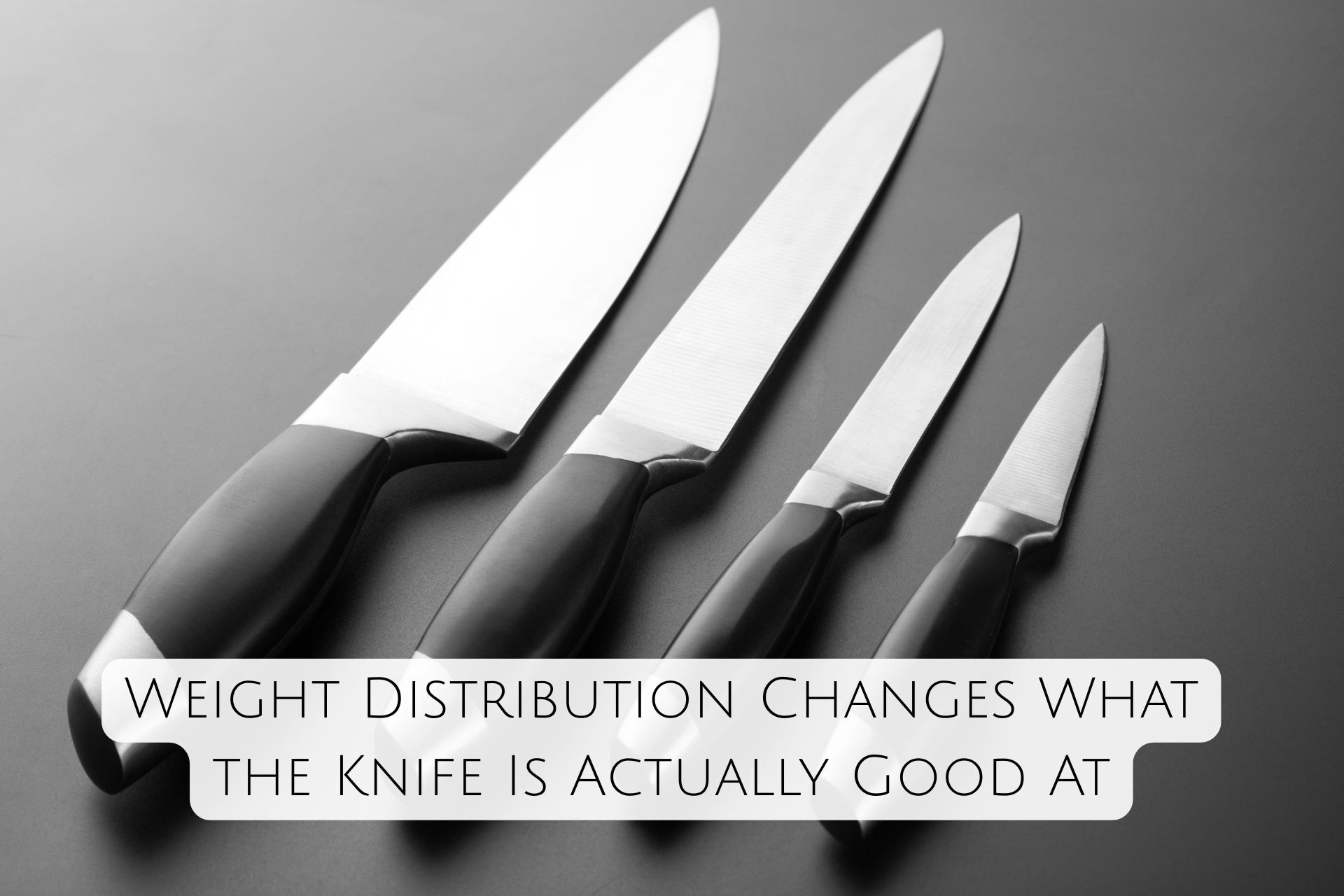
A heavier, blade-forward knife does much of the chopping work for you — you can let gravity and momentum carry more of the cutting motion, which matters when you're working through a kilo of vegetables for a family meal. A lighter, more balanced knife gives you finer control instead, which is what you want for careful, precise tasks like deveining prawns, filleting fish, or fine julienning of ginger and garlic.
If you can only choose one knife to start building your set around, a mid-weight chef's knife around 20cm (8 inches) is the closest thing to a universal tool available — heavy enough for rough chopping, light enough for detail work, and sized to handle almost everything in between.
Storage Affects the Knife's Lifespan as Much as Its Use:
How you store your knives matters more than most people expect, and it's an area where a small change makes a real, lasting difference.
- Loose in a drawer — the most common mistake. Metal knocking against metal dulls the edge every single time, and reaching blindly into a drawer is one of the most frequent causes of accidental kitchen cuts.
- Magnetic strip — mounted on a wall or inside a cabinet door, this keeps blades visible, dry, and untouched by other utensils. It also frees up drawer space and keeps knives out of reach of curious kids.
- Knife block — works well if you have counter space to spare, and keeps a full set organized and accessible at a glance. Look for one with slots sized for your actual knives rather than a generic universal slot.
- Blade guards or sheaths — a low-cost option if a magnetic strip or block isn't practical, protecting both the edge and your fingers when knives do have to share a drawer with other utensils.
- In-drawer knife organizers — a middle-ground option: a tray insert with individual slots, giving you drawer storage without the knives touching each other.
Whatever method you choose, the goal is the same: keep the edge from contacting other hard metal, and keep the blade out of the path of an unsuspecting hand reaching into the same space.
Keeping the Edge Sharp: A Basic Maintenance Routine: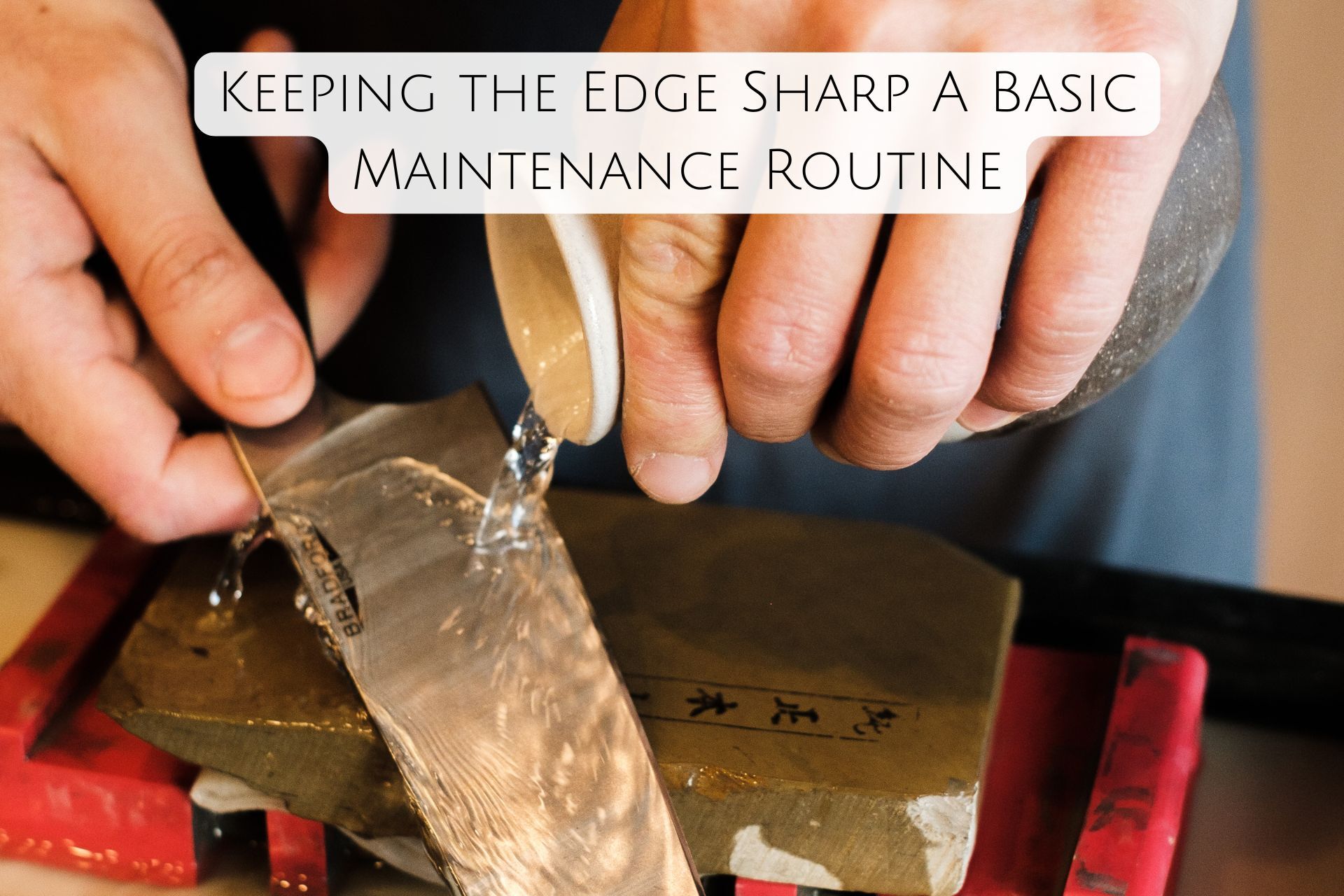
Even the best knife dulls with regular use, and a dull knife is genuinely more dangerous than a sharp one because it needs more force to cut through the same ingredient, increasing the chance of it slipping. A simple maintenance rhythm keeps a good knife performing well for years:
- Hone regularly using a honing steel (the long metal rod often included with knife sets) — this doesn't sharpen the blade so much as realign the microscopic edge that bends slightly with use. Doing this every few uses keeps the knife feeling sharp for longer between actual sharpenings.
- Sharpen every few months, depending on how often you cook, using a whetstone, pull-through sharpener, or a professional sharpening service. Whetstones give the best results but take practice; pull-through sharpeners are far easier for beginners, though slightly more aggressive on the metal.
- Hand wash and dry immediately rather than leaving knives to soak or air-dry in a rack, especially for carbon-steel or high-end forged blades, which are more prone to rust or edge damage from prolonged moisture exposure.
- Avoid the dishwasher entirely for good knives — the heat, moisture, and jostling against other utensils dull edges and can damage handles, especially wooden ones.
- Use the right cutting surface. Wood or good-quality plastic cutting boards protect the edge; glass, stone, or ceramic boards look nice but blunt a blade far faster than most people realize.
Common Buying Mistakes to Avoid:
- Judging by the block, not the blades. A sleek, expensive-looking wooden block can house genuinely poor-quality knives. Check the steel and construction of the knives themselves rather than the presentation.
- Buying the biggest set "for the value." More pieces you never use isn't valuable — it's clutter, and unused knives dull sitting in a drawer just from knocking against each other.
- Ignoring handling comfort in favor of looks. A beautiful handle that doesn't fit your grip will get used less, or used carelessly.
- Assuming heavier always means better. Weight should match your cooking style and hand strength, not just feel "premium" in a showroom.
- Skipping maintenance tools. Buying a knife set without also getting a honing steel or sharpening plan means the blades will underperform within months, regardless of how good the steel was to begin with.
Matching a Set to Your Budget:
- Entry-level: Stamped, stainless steel blades with molded handles. Perfectly fine for light, occasional cooking or a first kitchen setup, as long as expectations for edge retention are realistic.
- Mid-range: Forged, high-carbon stainless steel with riveted or well-molded handles. This tier covers the needs of most home cooks well and represents the best value for daily use.
- Premium: Fully forged blades, often with more refined steel blends, balanced tangs, and premium handle materials. Worth it for serious home cooks, but the performance gap over a good mid-range set is smaller than the price gap suggests for casual daily cooking.
Conclusion: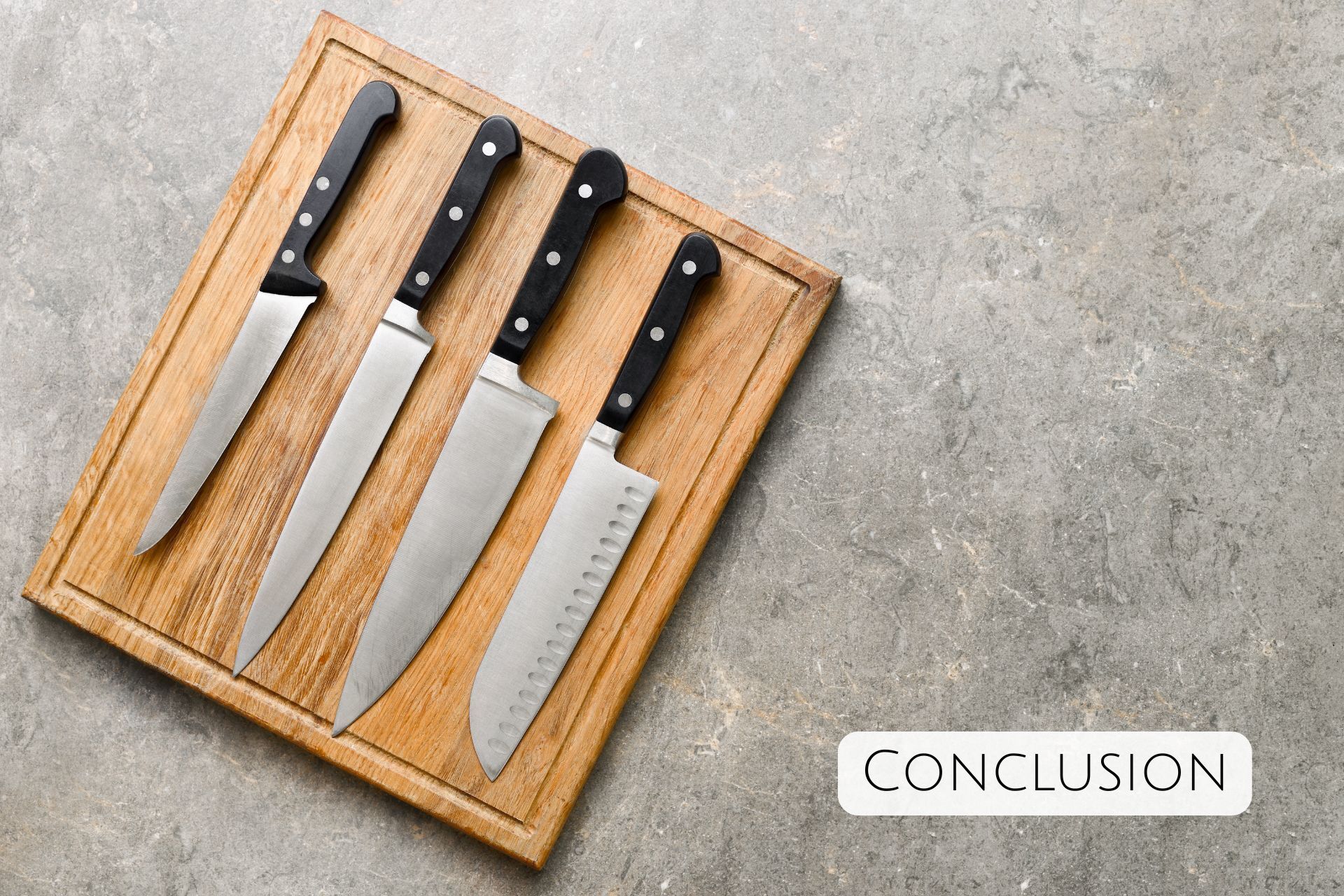
The right knife set isn't the one with the most pieces — it's the one that matches your actual cooking habits, feels balanced in your hand, and holds an edge long enough that you're not fighting with a dull blade every evening. Start with a chef's knife, a paring knife, and a serrated knife in a steel that suits how careful you're willing to be with maintenance, store them somewhere they won't get knocked around, and build a simple honing and sharpening routine around them. You'll notice the difference the very first time you're prepping dinner — vegetables that slice instead of bruise, meat that separates cleanly instead of tearing, and far fewer close calls with a slipping blade.
Everything else — the cleavers, the boning knives, the specialty blades — can be added later, once you actually know what your kitchen is missing. A well-chosen set of four knives, properly cared for, will outperform and outlast an oversized block bought on impulse, and it'll do it for years rather than months.
Knowledge Hub
Drawer Dividers vs. Rolling Carts vs. Door Organizers: Match the Organizer to the Mess, Not the Room
Why the “kitchen organizer” you bought is failing in the kitchen — and the 30-second test that fixes...

Do Vegetable Choppers Really Save Time, or Just Move It to Cleanup? An Honest Minutes-Per-Meal Breakdown
It's 7:40 pm. The pressure cooker is hissing, someone's asking what's for dinner, and you're standin...

Do Garden Grow Bags Actually Work Better Than Pots?
You're scrolling through a gardening page, and there it is again — another post insisting grow bags...
Cast Iron, Stainless Steel & Non-Stick
Every Indian kitchen ends up with some combination of all three — a heavy iron kadhai from your gran...
Cast Iron vs Stainless Steel vs Non-Stick: When to Use Each
Every Indian kitchen ends up with some combination of all three — a heavy iron kadhai from your gran...

700W vs 1000W Mixer Grinder: What the Wattage Actually Buys You — and When It Doesn't
Stand in any appliance aisle in India and you'll see the same little ritual. Someone picks up a mixe...