
Cake Pan Substitutions: What to Do When You Don’t Have the Right Size
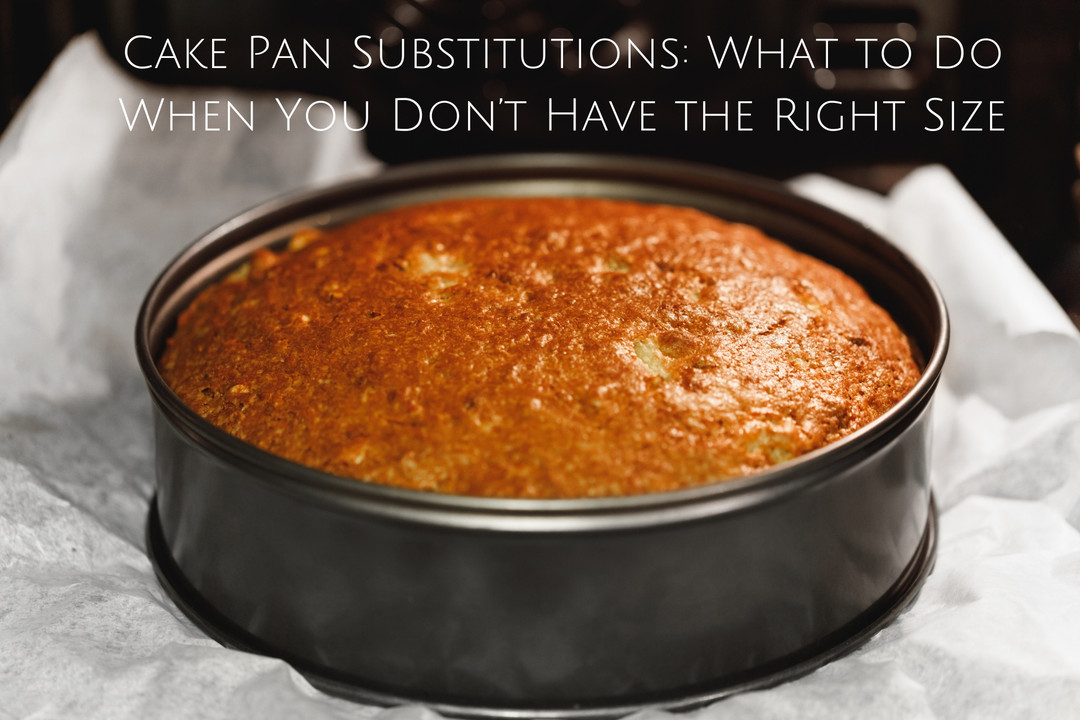
Baking often calls for specific pan sizes to get the perfect rise, texture, and doneness, but sometimes you may find yourself without the exact pan size listed in a recipe. Fortunately, with some adjustments, you can substitute pans without compromising your results. Here’s how to make the best out of different cake pan substitutions.
Understanding Cake Pan Volume: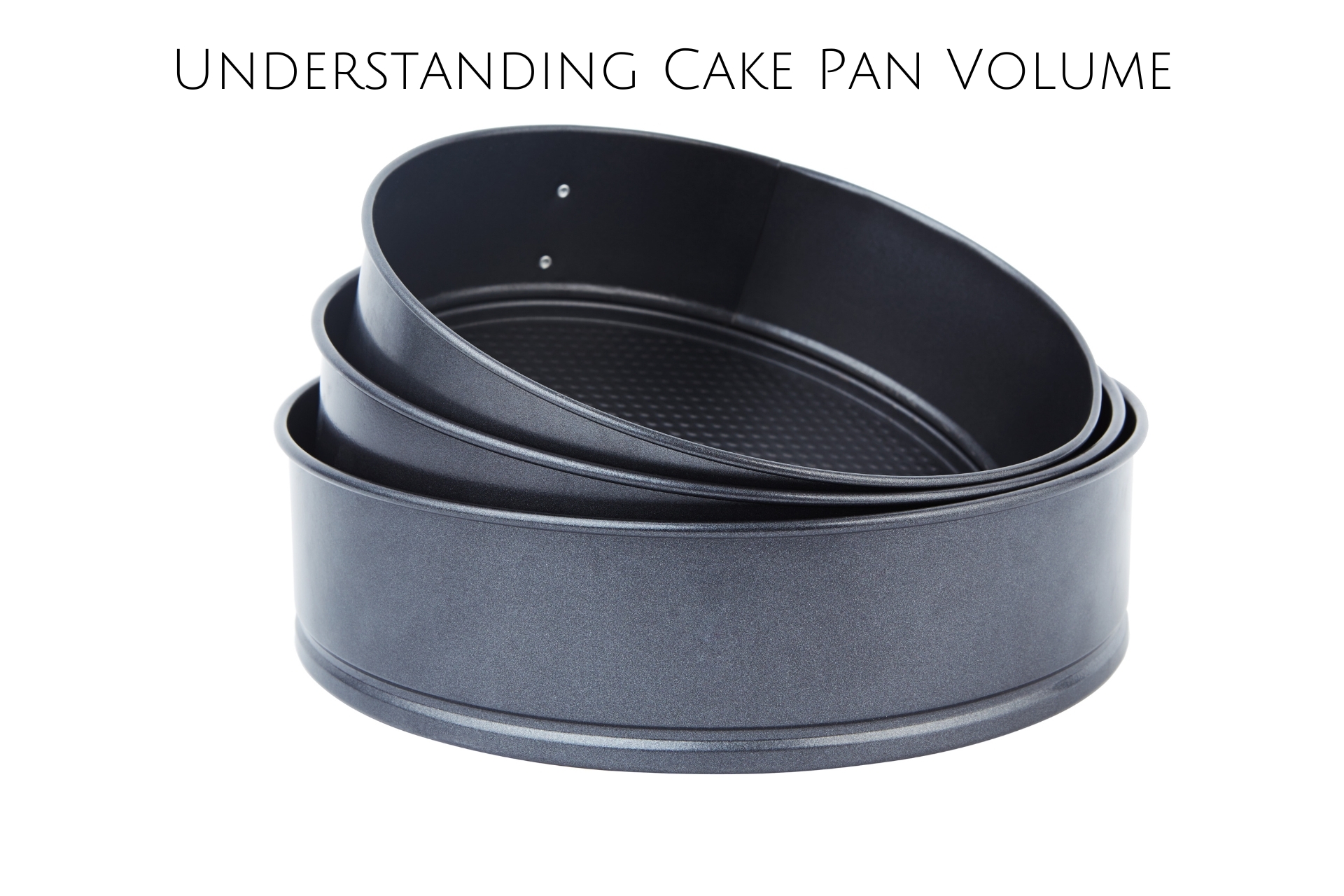
Knowing the volume of various cake pans will help you substitute them effectively. Cake pans vary in shape and volume capacity, which affects baking times and results. Here are common pan volumes:
- 9-inch round pan: Holds about 8 cups of batter.
- 8-inch round pan: Holds about 6 cups of batter.
- 9x13-inch rectangular pan: Holds around 14-15 cups of batter.
- Loaf pan (9x5-inch): Holds about 8 cups.
- Bundt pan: Typically holds 10-12 cups.
How to Substitute Cake Pans by Volume: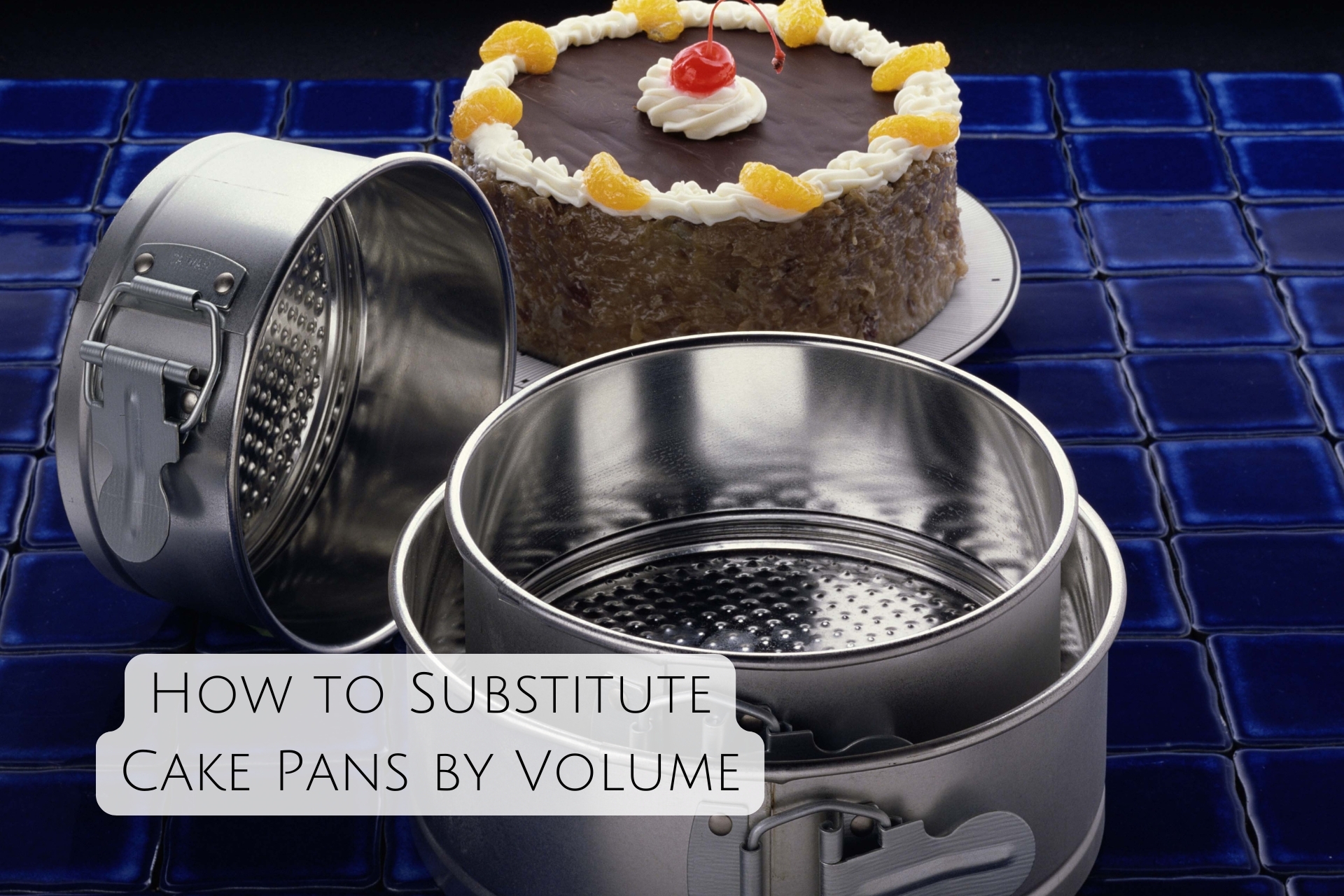
When you need a substitute, choose a pan that can hold a similar amount of batter as the one called for in the recipe. Here are some useful substitutions:
- If you don’t have a 9-inch round pan, you can use an 8-inch square pan since they hold a similar volume. Or you can try two 6-inch round pans, dividing the batter equally.
- If you don’t have a 9x13-inch pan, a combination of two 8-inch square pans or a 10-inch round pan can work, although these adjustments may slightly change the baking time.
- Bundt or tube pans often need unique designs and should ideally not be substituted with regular pans. However, if you must, two 8- or 9-inch round pans can generally work, though you’ll lose some of the shape and texture associated with Bundt cakes.
Adjusting the Recipe for Substitutions:
- Baking Time: Smaller pans mean deeper batter layers, which may require additional baking time. Check for doneness using a toothpick or cake tester; if it comes out clean, the cake is done.
- Temperature Adjustments: When using a larger pan than specified, you may need to reduce the baking temperature by about 25°F and monitor carefully to prevent over-baking.
Using a Conversion Chart:
Having a conversion chart for pan sizes helps quickly identify substitutions. For example:
|
Original Pan Size |
Substitution Option(s) |
Baking Time Adjustment |
|
9-inch round |
8-inch square or two 6-inch round pans |
Check 5-10 min earlier |
|
9x13-inch |
Two 8-inch squares or 10-inch round |
Monitor closely |
|
Bundt (10-12 cups) |
Two 8-inch rounds or one 9x13-inch |
Extend baking time |
Baking Tips for Successful Substitutions: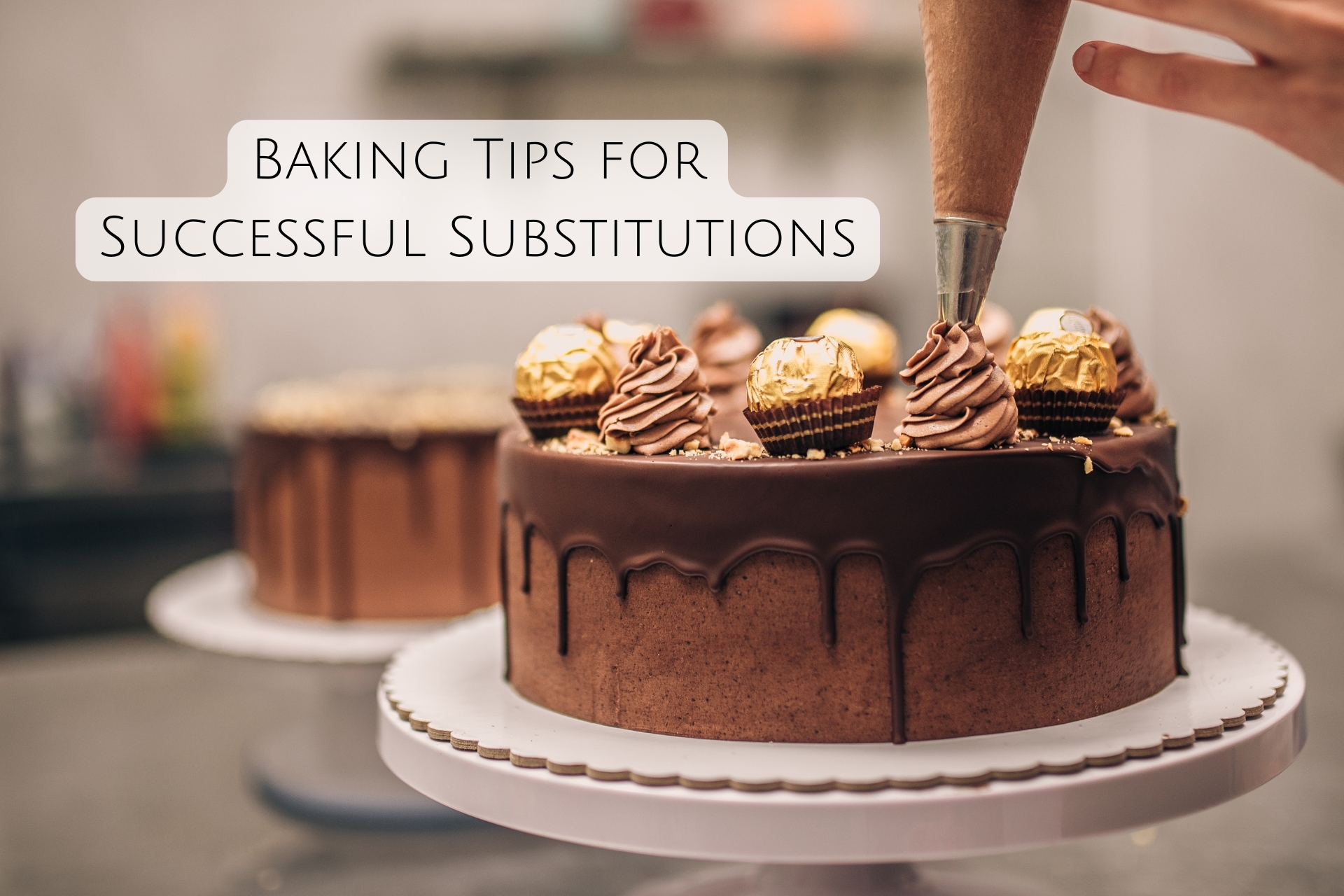
- Grease Pans Properly: Use the same greasing and lining techniques, especially for substituted pans, to avoid sticking and uneven cooking.
- Avoid Overfilling: Only fill pans to about two-thirds full to prevent overflowing. If you have extra batter, consider making cupcakes or a mini loaf.
- Use a Water Bath for Even Cooking: For delicate cakes, place the pan in a water bath to promote even heating and prevent the edges from overcooking before the center is done.
Creative Substitutions: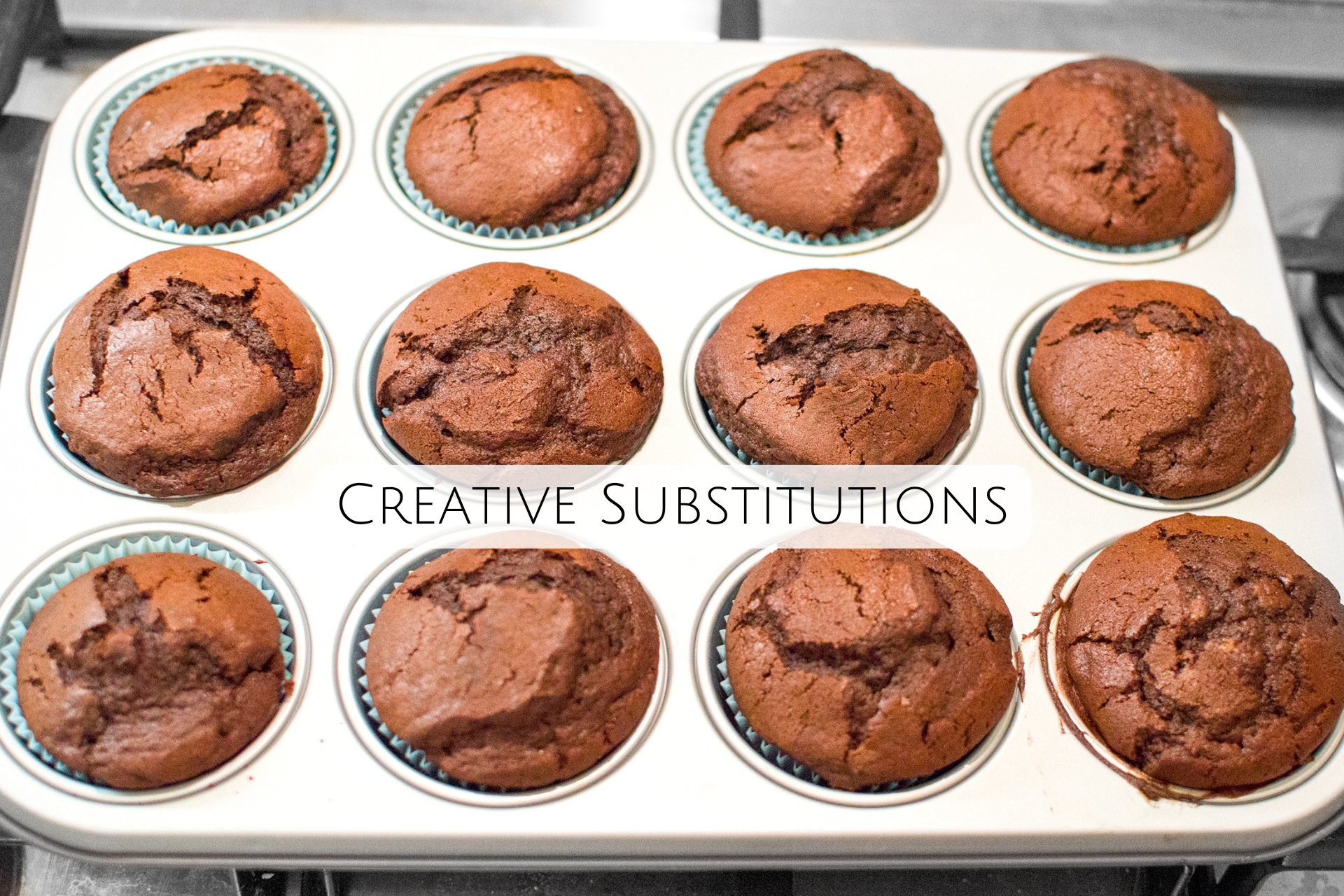
Sometimes, creativity is key when you don’t have a standard cake pan. Muffin tins, mini loaf pans, or ramekins are great alternatives if you’re open to making individual portions. Adjust your baking time to 15-25 minutes, depending on the batter depth.
Keep Experimenting:
Substituting cake pans is a useful skill that allows for flexibility in baking. With practice, you’ll develop an instinct for recognizing which substitutions will work and how to adjust for them.
By following these steps and keeping a conversion chart handy, you can enjoy cake recipes without worrying about having every pan in your collection.
Knowledge Hub
Air Fryer vs OTG: Which One Makes More Sense for an Indian Kitchen?
Your mother-in-law swears by the OTG she's used for fifteen years. Your Instagram feed insists you n...
How to Choose Nonstick Bakeware That Actually Lasts
Introduction: Most people don't think much about bakeware until something goes wrong — a cake that w...

Choosing the Right Kitchen Knife Set for Your Home
Introduction: Walk into most Indian kitchens and you'll find the same story: a drawer full of knives...

Pack Smart for Your Next Fly Fishing Adventure: The Essential Tackle & Backpack Guide
Introduction: A successful fly fishing trip starts long before you cast your first line. Whether you...

The Complete Pet Supplies Guide: Everything You Need for Every Kind of Pet
Introduction: Do you have a pet at home? Maybe you have a dog, a cat, a bird, a fish, or even a hors...
Gear Up for Adventure: A Beginner's Essential Camping Packing Guide
Introduction: Camping is an exciting way to connect with nature, but a little planning goes a long w...