
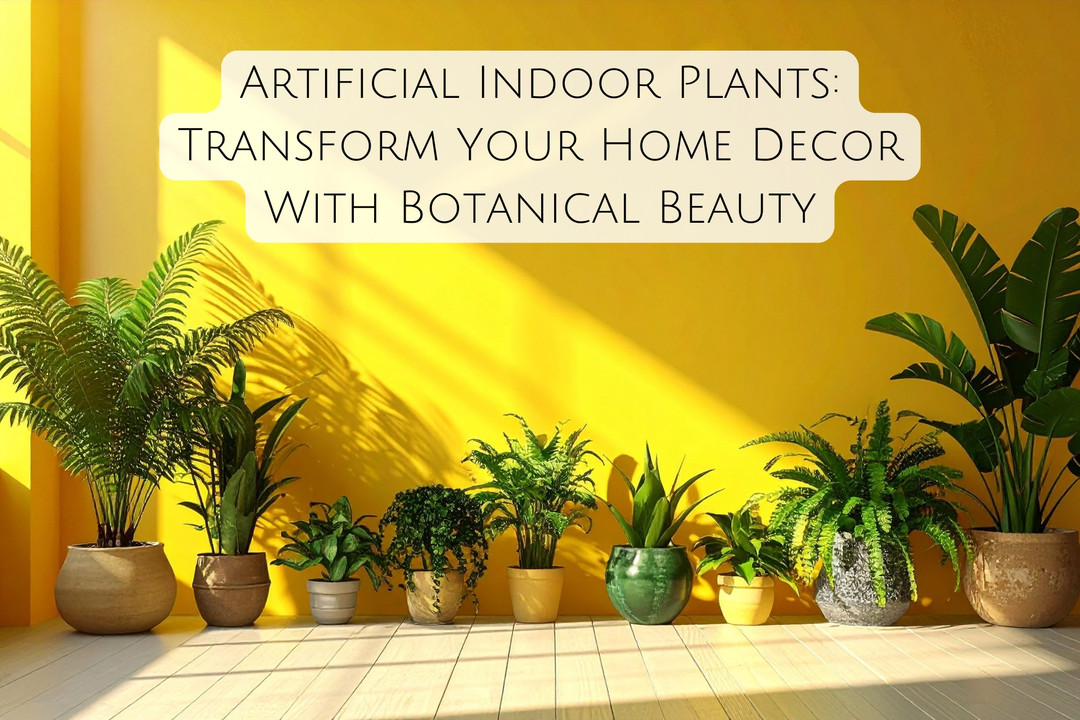
Artificial Indoor Plants: Transform Your Home Decor With Botanical Beauty
Introduction:
The revolution in artificial plant technology parallels advances in material science, manufacturing precision, and artistic design. Today's premium artificial plants incorporate silk, polyester, hand-painted details, realistic leaf veining, and subtle color variations rivaling living plants' natural imperfection. Beyond aesthetic improvement, artificial plants solve genuine problems preventing most people from creating verdant, botanically-beautiful homes. They eliminate the plant-killer's guilt—the shame of watching beloved plants wilt despite desperate care attempts. They overcome practical barriers: limited sunlight in apartments, time constraints making regular watering impossible, travel requirements leaving plants to perish in your absence, pet and child safety concerns, and allergies triggered by pollen from living vegetation. For those desiring botanical beauty without these complications, artificial plants offer elegant solutions transforming homes into botanical sanctuaries.
This comprehensive guide explores the complete world of artificial indoor plants, examining how these evolving alternatives genuinely enhance home ambiance and design, practical applications for different spaces and design styles, selection strategies ensuring you invest in quality pieces rather than unconvincing imitations, and creative arrangement techniques transforming artificial plants into stunning design focal points.
Understanding Modern Artificial Plants: Quality, Materials, and Realism:
Contemporary artificial plants bear virtually no resemblance to plastic imitations of previous generations, representing instead sophisticated products utilizing cutting-edge materials and manufacturing techniques creating remarkably authentic botanical representations. Understanding available options, quality indicators, and material characteristics enables informed selection supporting optimal results.
Material Composition and Construction:
Fundamentally determine artificial plant quality and realistic appearance. Premium artificial plants utilize high-grade polyester fabric, latex, or silicone for leaves and flowers, providing texture and coloration approaching botanical accuracy. Base materials—typically plastic or polyurethane—receive careful finishing creating natural-appearing bark or stems rather than obviously artificial appearance. Premium specimens feature hand-painted details including color variations, veining patterns, and imperfections replicating natural botanical variation rather than uniform appearance characteristic of lower-quality alternatives.
Botanical Accuracy and Detail:
These vary substantially across quality tiers. Budget artificial plants feature simplified shapes and generic coloration failing to capture specific species characteristics; they appear "plant-like" without accurately representing particular varieties. Mid-range options provide recognizable species representation with reasonable botanical accuracy suitable for casual observation. Premium artificial plants achieve remarkable fidelity—correctly proportioned leaves with accurate vein patterns, authentic flower structures with proper petal arrangement, realistic stem thickness and branching patterns, and subtle color variations reflecting natural botanical variation.
Durability and Environmental Resistance:
Distinguish quality artificial plants from cheap alternatives. Superior specimens feature UV-resistant materials resisting color fading from sun exposure; fade-resistant dyes maintaining appearance across years despite lighting exposure. Weather-resistant varieties suit outdoor and high-humidity environments without deterioration. Sturdy construction withstands handling, cleaning, and repositioning without damage. Conversely, budget alternatives frequently feature fugitive dyes fading rapidly, fragile construction prone to breaking, and materials yellowing or becoming brittle over time.
Types of Artificial Plants: Exploring Your Options:
The diversity of artificial plant categories ensures options for virtually any decorative intention and space constraint.
-
Potted Artificial Plants:
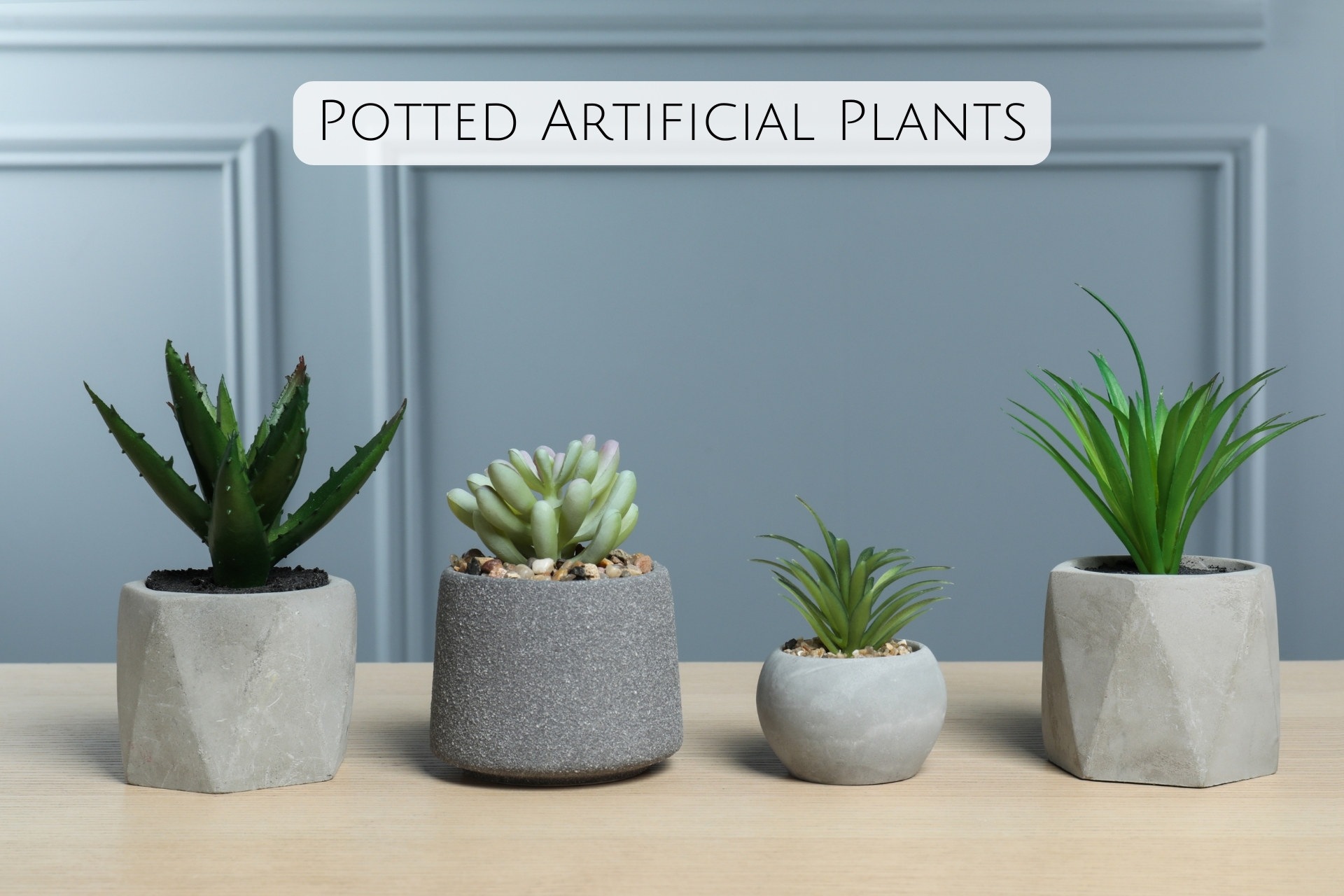
These plants represent the most accessible category, offering self-contained botanical arrangements in various sizes from small desktop specimens to large floor-standing statement pieces. Available in nearly every plant type—pothos, monstera deliciosa, snake plants, fiddle leaf figs, rubber plants, succulents, orchids, and countless others—potted artificial plants provide flexible botanical beauty. Unlike living plants locked into specific light locations, artificial potted plants freely relocate, allowing design flexibility. Small potted plants elegantly style desks, shelves, windowsills, and bedroom surfaces. Medium-height potted plants create living room focal points, while large floor-standing specimens anchor empty corners with dramatic botanical presence.
-
Artificial Wall-Mounted Plants and Vertical Gardens:
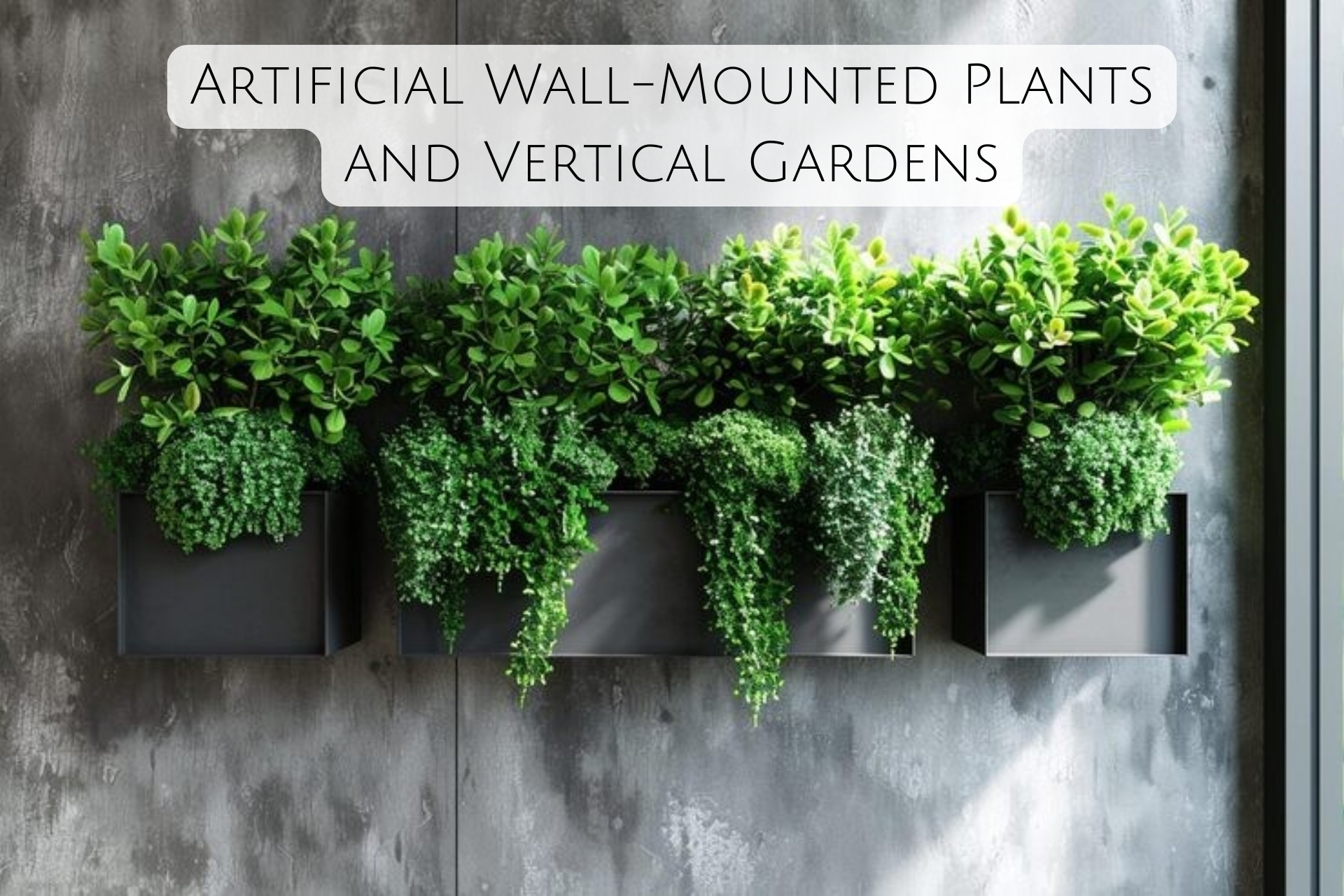
These plants maximize space in smaller homes or apartments where floor space is limited. Mounted on walls as living wall installations or hanging in clusters, these arrangements create dramatic visual impact while occupying zero horizontal space. They work particularly well in entryways, creating welcoming botanical impressions, or in home offices, bringing natural elements into workspaces proven to increase productivity and reduce stress.
-
Artificial Flowering Plants and Orchids:
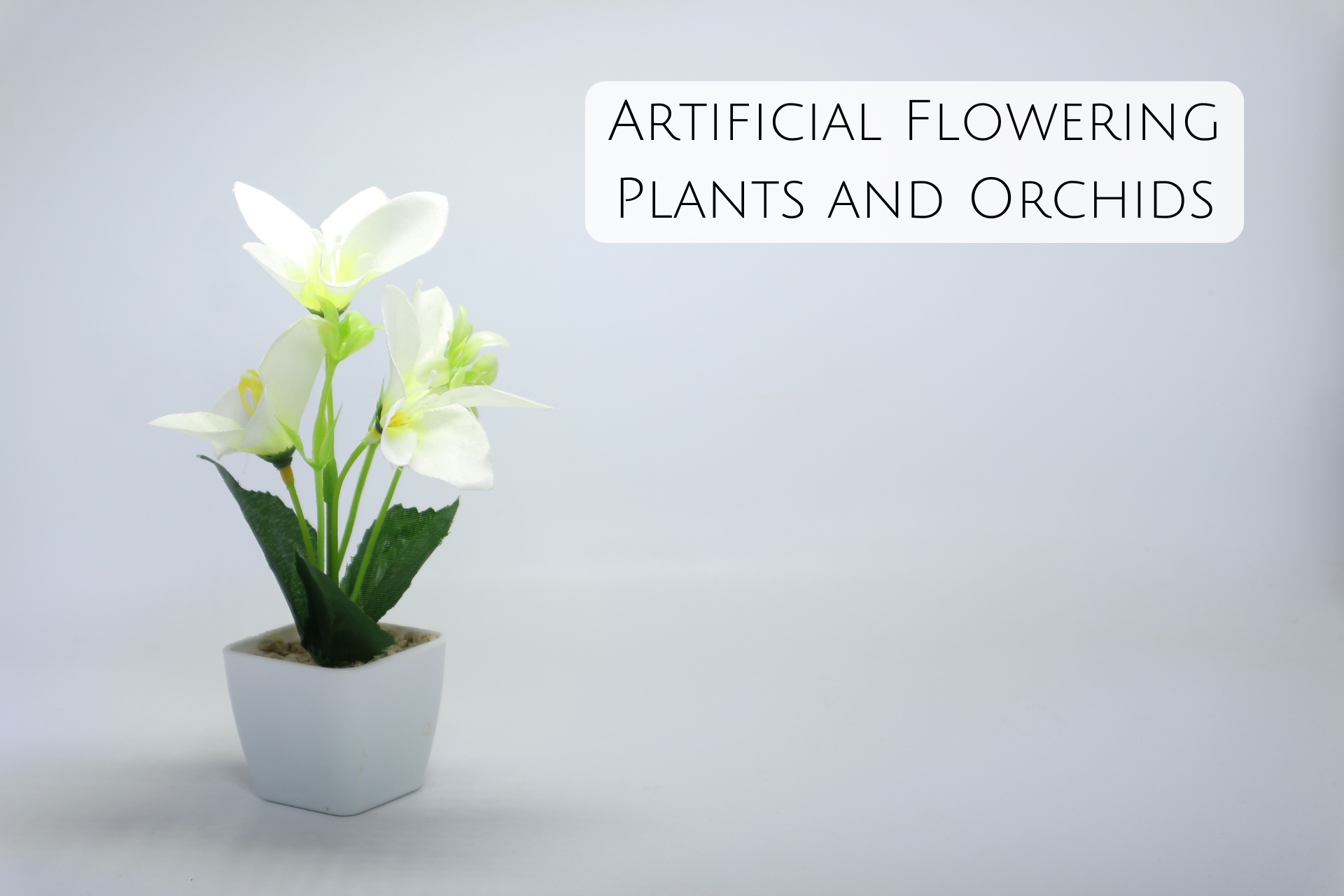
These plants bring color and elegance beyond simple green foliage. Flowering arrangements—peonies, hydrangeas, cherry blossoms, orchids, roses—introduce color palettes into decor while requiring zero maintenance. Orchids particularly benefit from artificial reproduction; living orchids prove notoriously challenging to maintain, yet artificial orchids deliver the elegant sophistication these flowers represent without care or difficulty.
-
Artificial Topiaries and Shaped Plants:
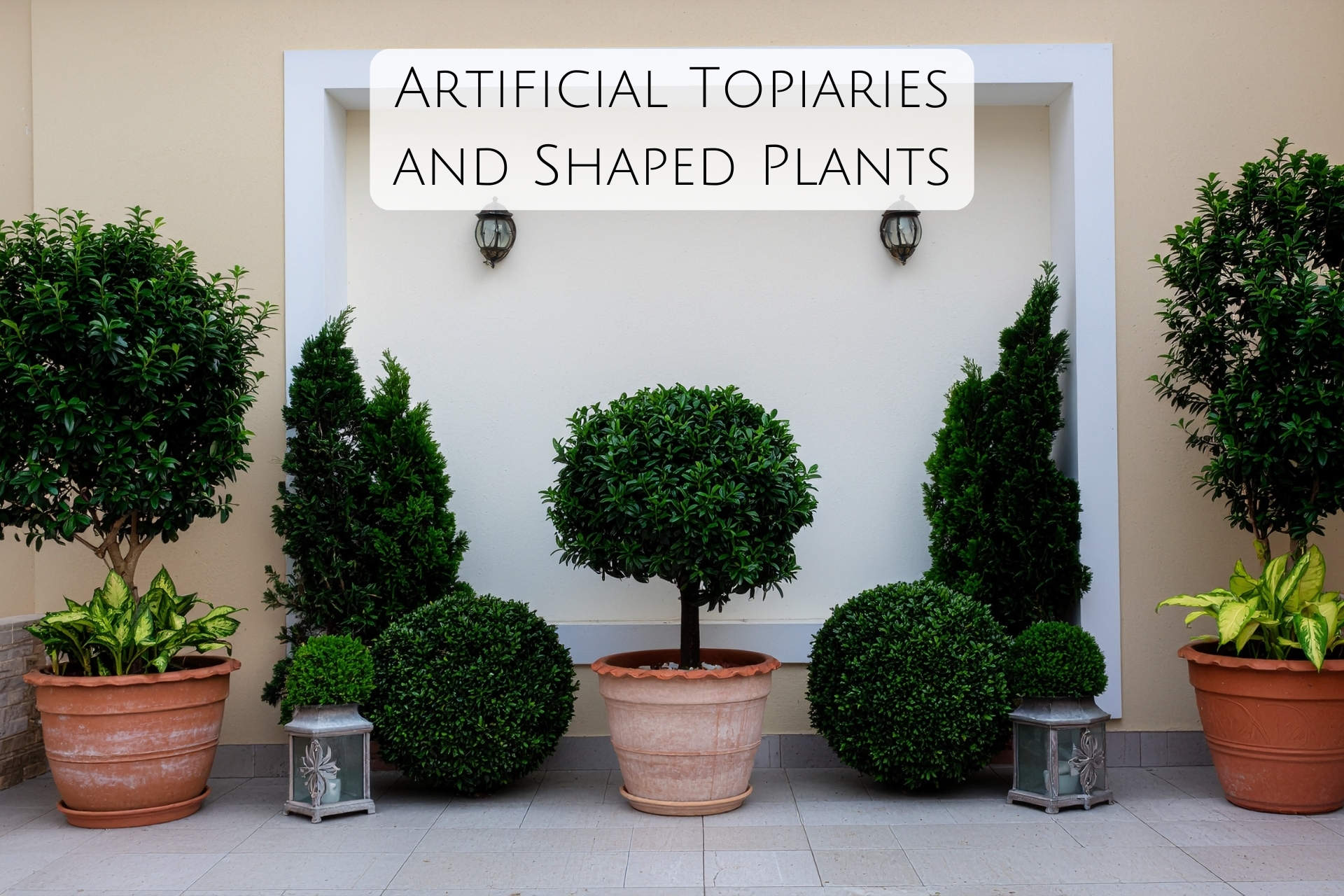
These plants provide sophisticated geometric botanical elements for contemporary or formal design aesthetics. Ball-shaped boxwood topiaries, spiral-cut cypress forms, and intricately pruned designs create intentional, manicured appearances suggesting careful gardening expertise and refined taste. These shaped plants work beautifully for creating formal entryways, framing doorways with botanical elegance, or anchoring traditional design schemes with horticultural sophistication.
Creating Botanical Beauty: Design Principles for Artificial Plant Arrangements: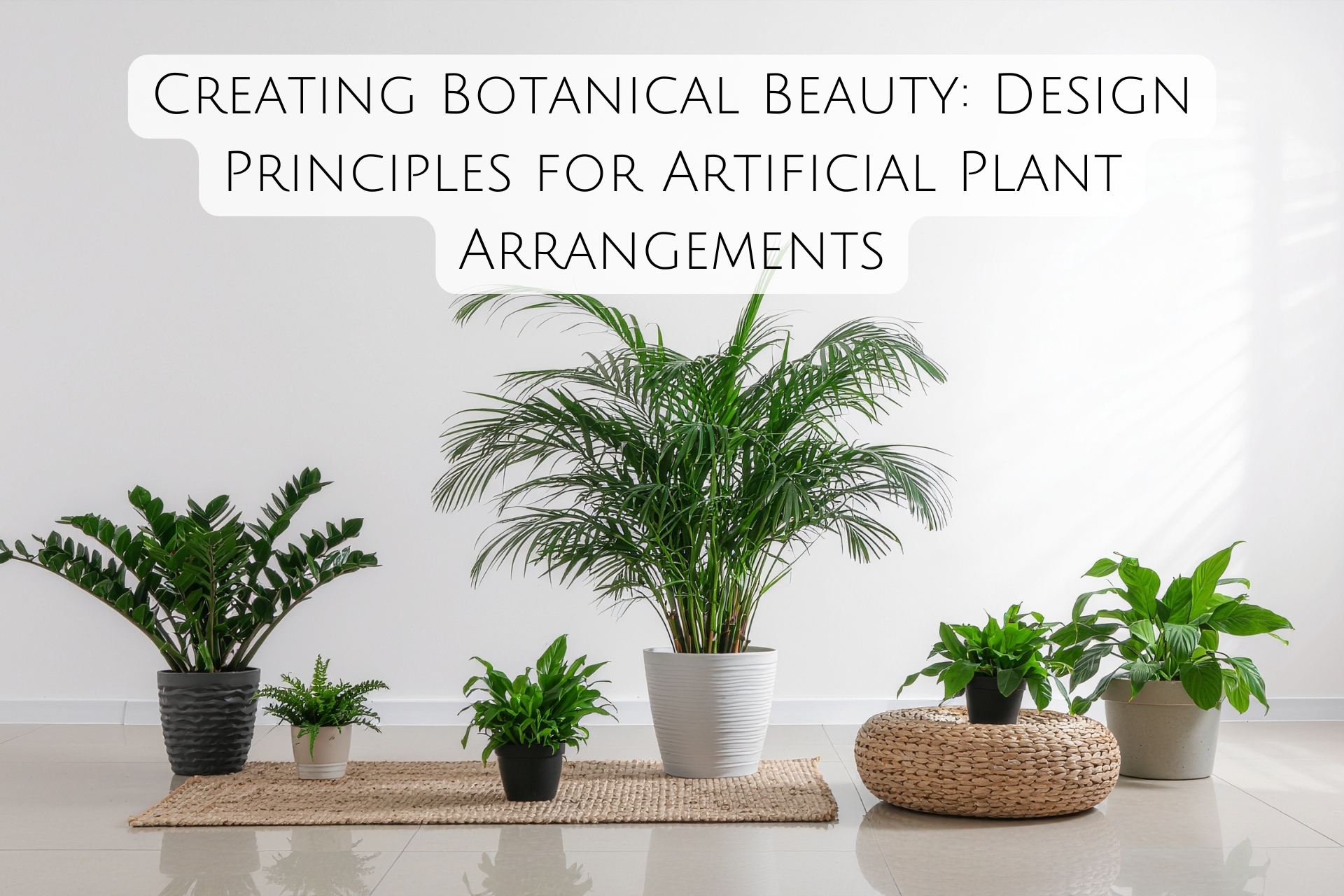
Transforming artificial plants from obviously decorative objects into genuinely integrated design elements requires understanding effective placement and arrangement principles.
-
Naturalistic Clustering:
- Artificial plants look most realistic and appealing when grouped rather than displayed singly.
- A single plant can appear staged; groups of 3–5 plants with varied heights, pot styles, and species create authentic, lived-in visuals.
- Grouping mimics how real plant enthusiasts collect and arrange greenery, adding organic irregularity and intentional variety.
-
Layering and Height Variation:
- Combine floor-level plants, tabletop displays, and hanging specimens to add depth and dimension.
- Vertical layering transforms flat, one-dimensional setups into dynamic, visually rich spaces.
- This approach gives the illusion of natural growth and professional botanical design.
-
Color Coordination and Design Harmony:
- Match plant foliage tones with existing interiors for cohesive aesthetics.
- Warm greens pair well with earthy or rustic spaces, while silvery or cool greens complement modern, minimalist décor.
- When unsure, choose neutral greens—they blend seamlessly into nearly any palette.
-
Positioning Near Natural Light:
- Place artificial plants close to windows or light sources to enhance realism.
- Natural illumination reveals leaf texture, color depth, and casts lifelike shadows.
- Proper lighting prevents dark, artificial-looking corners and elevates perceived authenticity.
-
Mixing with Complementary Elements:
- Integrate natural materials like stones, bark, driftwood, or branches to create hybrid, organic arrangements.
- Pair artificial plants with stylish pots, vases, and surrounding décor accessories for a curated, intentional look.
- Combining textures and materials enhances sophistication and distracts from artificiality.
Transforming Specific Spaces: Room-by-Room Applications:
Artificial plants excel across diverse room applications, each offering unique opportunities for botanical enhancement.
-
Living Room Focal Points:
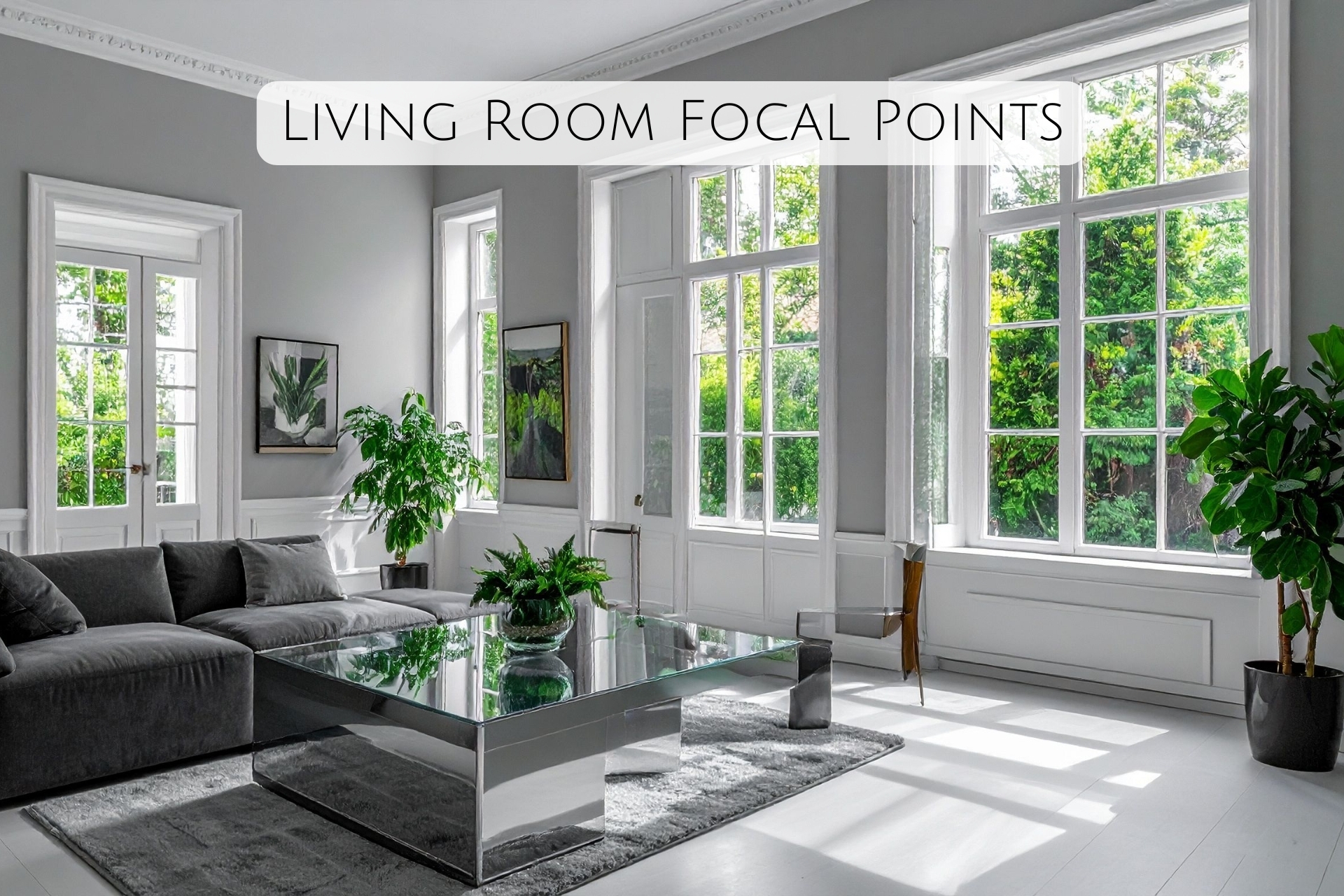
In living rooms, larger statement pieces generate more visual impact than small, scattered plants; bold arrangements suggesting confident design curation create more compelling effects than hesitant, timid positioning. Tall floor plants creating corner focal points, garlands adorning mantels, and shelf arrangements on bookcase shelving bring warmth and botanical beauty to primary gathering spaces.
-
Bedroom Botanical Sanctuaries:
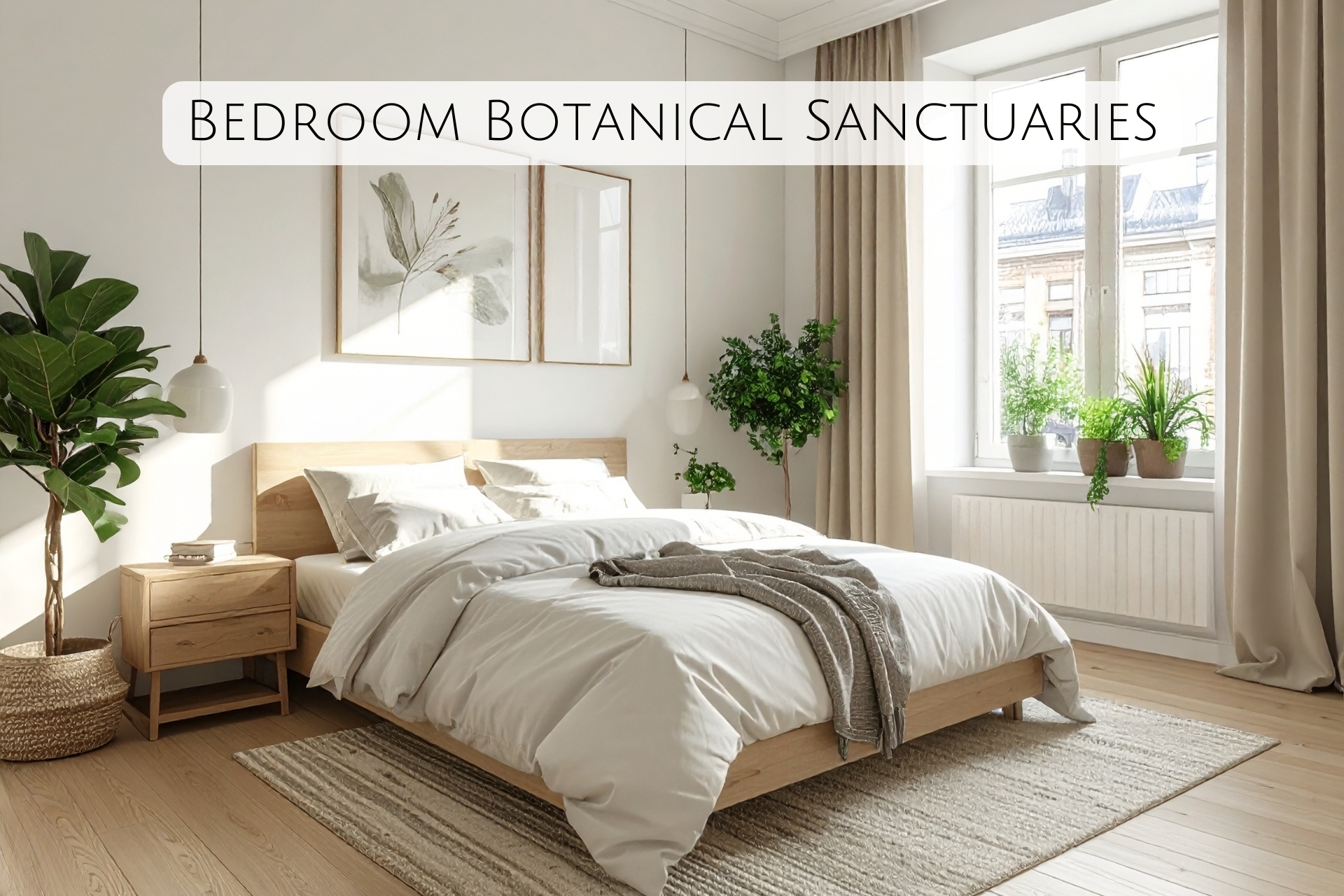
Pothos or trailing plants creating a green canopy over headboards, small potted plants on nightstands, and garlands adorning windows create serene, nature-inspired bedrooms. The psychological benefits of nature exposure—stress reduction, improved mood, enhanced relaxation—emerge from artificial plants' visual presence even without living organisms' active benefits. Soft, matte-finish plants with calming green tones create particularly restorative bedroom environments.
-
Kitchen and Dining Area Enhancement:
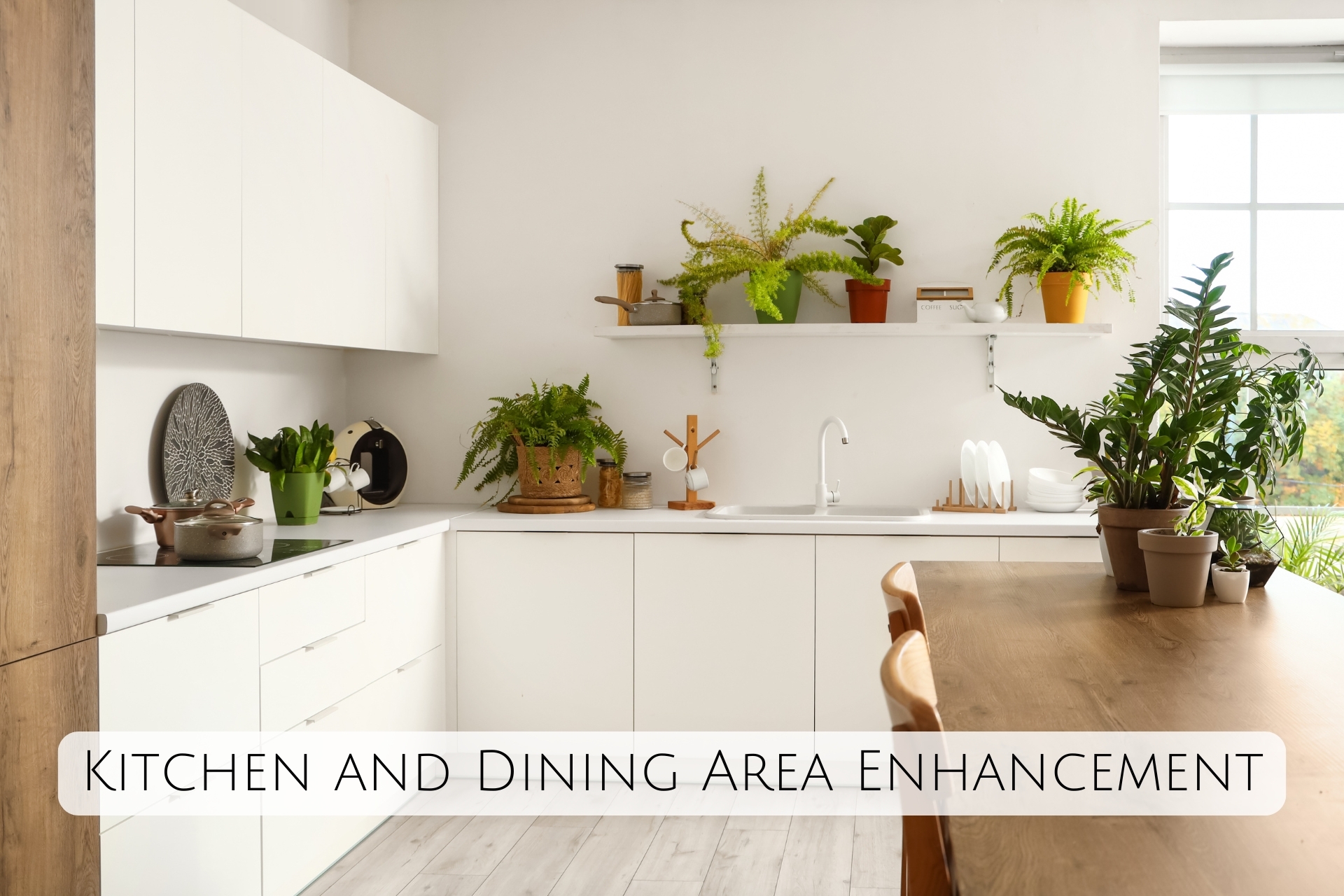
Artificial herbs and flowering plants work beautifully with Kitchen and Dining. Artificial herb plants in kitchen windows suggest culinary gardens while requiring zero maintenance, eliminating the frustration of herbs dying before you can use them. Flowering plants on dining tables bring color and elegance without pollen concerns or fragrance overwhelming dining experiences.
-
Home Office Productivity Spaces:

These benefit from artificial plants proven to increase focus and reduce stress. Positioned on desks, shelves, or corners, plants create biophilic design environments promoting productivity and mental clarity. Unlike living plants demanding attention and potentially creating guilt when neglected, artificial plants provide all psychological benefits of botanical presence without maintenance demands.
-
Entryway and Hallway First Impressions:
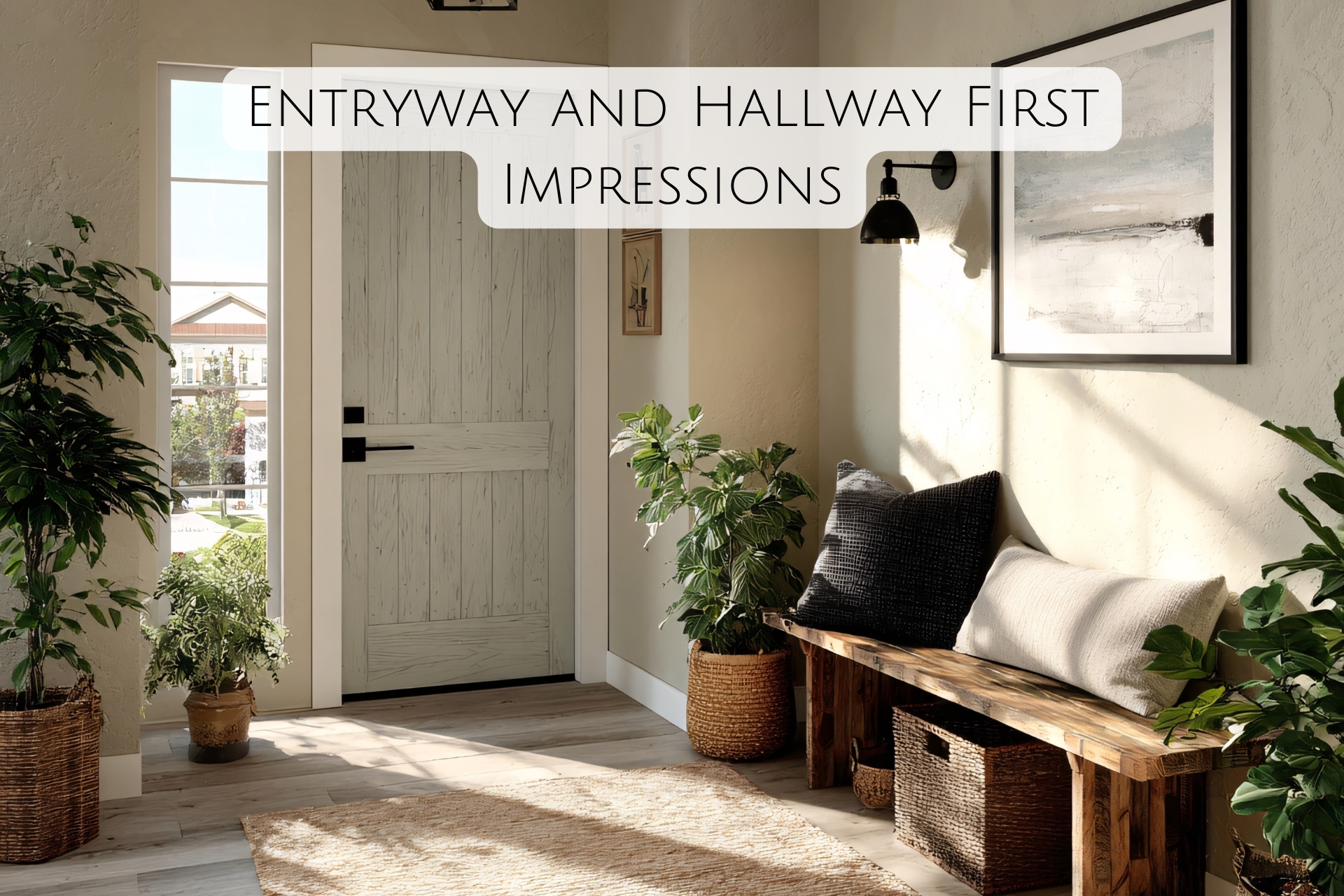
Artificial wreaths on entry doors, garland-framed doorways, and tall plants anchoring entryway spaces create welcoming botanical impressions. These high-visibility locations maximize artistic impact while requiring zero plant maintenance interfering with entrance functionality.
Chimiya's Artificial Plant Collection: Curating Botanical Beauty for Every Space:
Chimiya's commitment to quality ensures that selected artificial plants meet rigorous standards regarding botanical accuracy, material durability, realistic appearance, and design versatility. Rather than offering every artificial plant option, Chimiya curates selections emphasizing quality, realistic appearance, and genuine design value—eliminating obviously artificial or cheap options that undermine aesthetic objectives. This curation approach supports confident selection; customers trust that Chimiya-featured plants represent quality options rather than requiring extensive comparison across questionable alternatives. Chimiya recognizes that botanical beauty shouldn't require horticultural expertise or demanding maintenance schedules; consequently, the platform curates extensive Artificial Plants & Flowers collection enabling transformation of any space through premium botanical reproductions.
Transforming Homes Through Chimiya's Artificial Plant Expertise:
Chimiya fundamentally transforms how Indian homeowners approach botanical home enhancement by providing access to premium artificial plants, expert curation, reliable delivery, and comprehensive support enabling confident, successful space transformation. Rather than struggling through trial-and-error selection from vast undifferentiated marketplaces, customers access expert-selected options accompanied by detailed information, authentic reviews, and styling guidance supporting optimal results.
For individuals desiring botanical beauty but lacking living plant cultivation capability—perhaps due to demanding schedules, frequent travel, challenging home environments, or previous unsuccessful plant experiences—Chimiya's artificial plants provide accessible solutions enabling confident home transformation. The platform's free shipping across India with rapid 2-5 day delivery means curated botanical options arrive quickly, ready for immediate installation. Authentic, premium-quality selections ensure realistic appearance supporting aesthetic objectives. By removing barriers—availability limitations, quality uncertainty, delivery delays—that traditionally complicated artificial plant acquisition, Chimiya enables Indian homeowners to confidently invest in botanical home enhancement supporting mood improvement, aesthetic transformation, and space functionality improvement across years without maintenance demands.
Conclusion: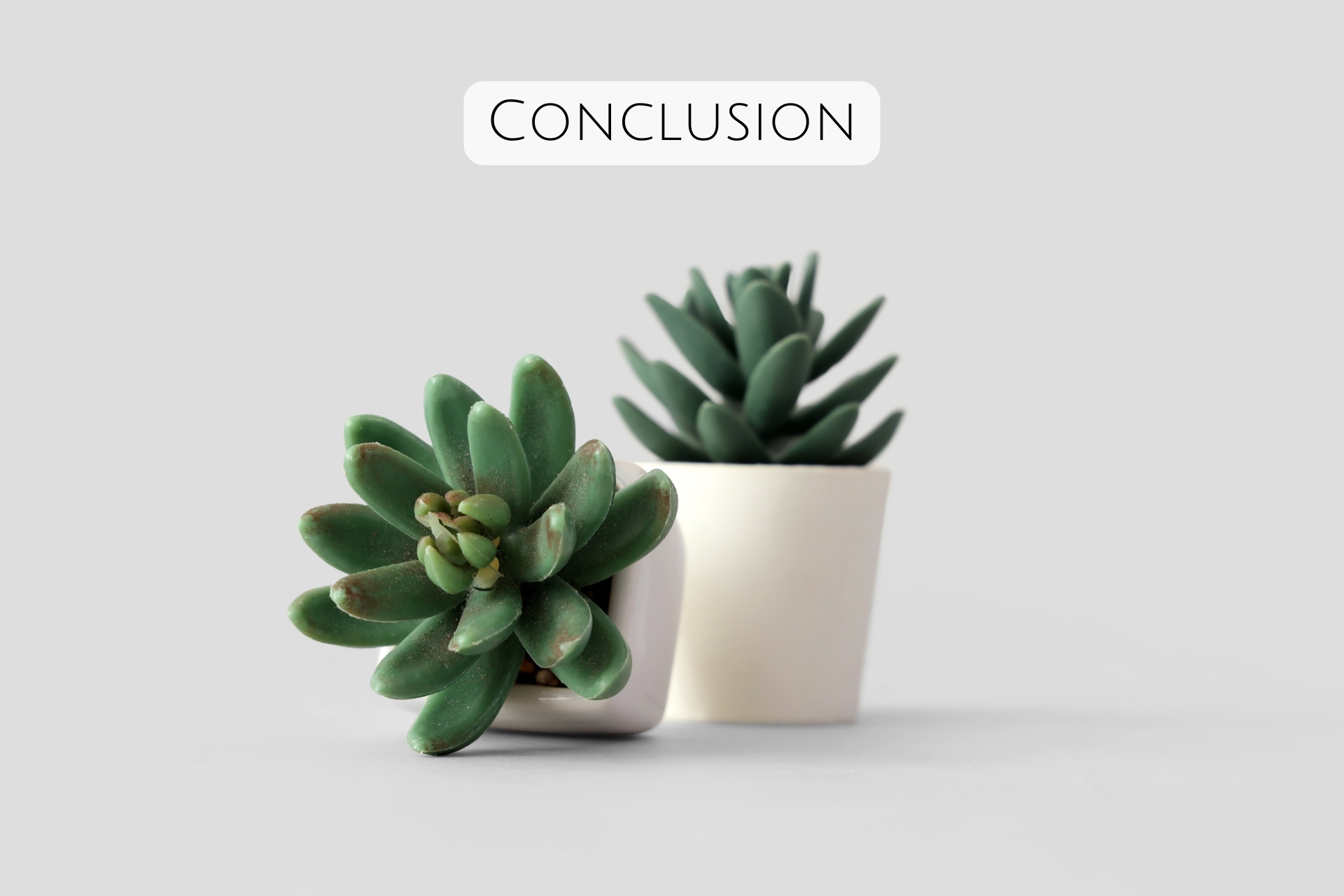
Artificial plants represent legitimate, sophisticated design choice enabling botanical ambiance in any home regardless of horticultural expertise, environmental constraints, or lifestyle demands. Modern specimens achieve remarkable botanical fidelity, providing aesthetic benefits and psychological wellness improvements identical to living plants while eliminating demanding care requirements, failure risk, and variable appearance.
Creating beautiful, botanically-enhanced spaces represents an achievable objective for any homeowner willing to thoughtfully consider design principles, select quality specimens, and coordinate with complementary décor elements. Chimiya's curated artificial plant collection, expert guidance, reliable delivery, and comprehensive support remove traditional barriers enabling confident, successful space transformation. Whether creating dramatic corner installations, establishing botanical focal points, transforming wall spaces, or introducing subtle botanical interest, artificial plants enable sophisticated results supporting mood improvement, aesthetic transformation, and daily life enhancement without demanding expertise, maintenance, or hoping plants survive despite best intentions.
Knowledge Hub

Pack Smart for Your Next Fly Fishing Adventure: The Essential Tackle & Backpack Guide
Introduction: A successful fly fishing trip starts long before you cast your first line. Whether you...

The Complete Pet Supplies Guide: Everything You Need for Every Kind of Pet
Introduction: Do you have a pet at home? Maybe you have a dog, a cat, a bird, a fish, or even a hors...

Gear Up for Adventure: A Beginner's Essential Camping Packing Guide
Introduction: Camping is an exciting way to connect with nature, but a little planning goes a long w...

Microphone Quality Matters: Why a Good Mic Is Essential in Gaming Headsets
Gaming headsets have become a staple for serious players, offering immersive sound and the ability t...
Smart Gardening Revolution: How IoT Electronics Are Transforming Lawn Care & Gardening
Introduction: The landscape of outdoor home maintenance has undergone a revolutionary transformation...

Transform Your Home Sustainably: The Ultimate Guide to Eco-Friendly Household Products
Introduction: In today's world, the decisions we make about the products we bring into our homes hav...