
7 Kitchen Gadgets Indians Actually Use Every Day
Open any Indian kitchen drawer and you'll find at least one appliance still in its box, bought during a festive sale, used exactly twice, and now serving as a very expensive shelf decoration. We've all done it — gotten swept up by a slick demo video promising to transform how we cook, only to go right back to the same three tools we actually reach for daily.
The truth about kitchen gadgets Indians actually use is a lot less glamorous than what gets marketed to us. It's usually the boring, unglamorous stuff — a good mixer-grinder, a solid pressure cooker — that earns daily use, while the flashy "as seen on TV" gadgets
end up gathering dust in the back of a cabinet.
"Ask your parents what they actually used daily, and the list hasn't changed in decades — it's the new, flashy additions that come and go."
01 WHY THE MARKETING GETS THIS SO WRONG:
A lot of kitchen gadget marketing is built around Western cooking habits — single-serve coffee makers, elaborate salad spinners, bread machines. None of that maps particularly well onto how most Indian households actually cook: grinding spices, kneading dough daily, making chai multiple times a day, cooking dal or rice at least once every single day.
The gadgets that survive in Indian kitchens long-term share a pattern. They save real time on a task done constantly, they're simple enough that using them doesn't become its own chore, and they're rugged enough to survive years of daily use — not just a few months of enthusiasm.
There's also a generational pattern worth noticing. Ask your parents or grandparents what they actually used daily, and the list is nearly identical to what follows — a heavy-duty mixer-grinder, a pressure cooker that's survived multiple house moves, steel tins that outlast everything else in the kitchen. It's almost always the newer, flashier additions that come and go, not the fundamentals.
02 THE 7 THAT EARN THEIR PLACE:
These aren't trendy picks — they're the unglamorous workhorses that show up in nearly every Indian kitchen, urban or otherwise, because they've earned it through sheer daily utility.
The Mixer-Grinder: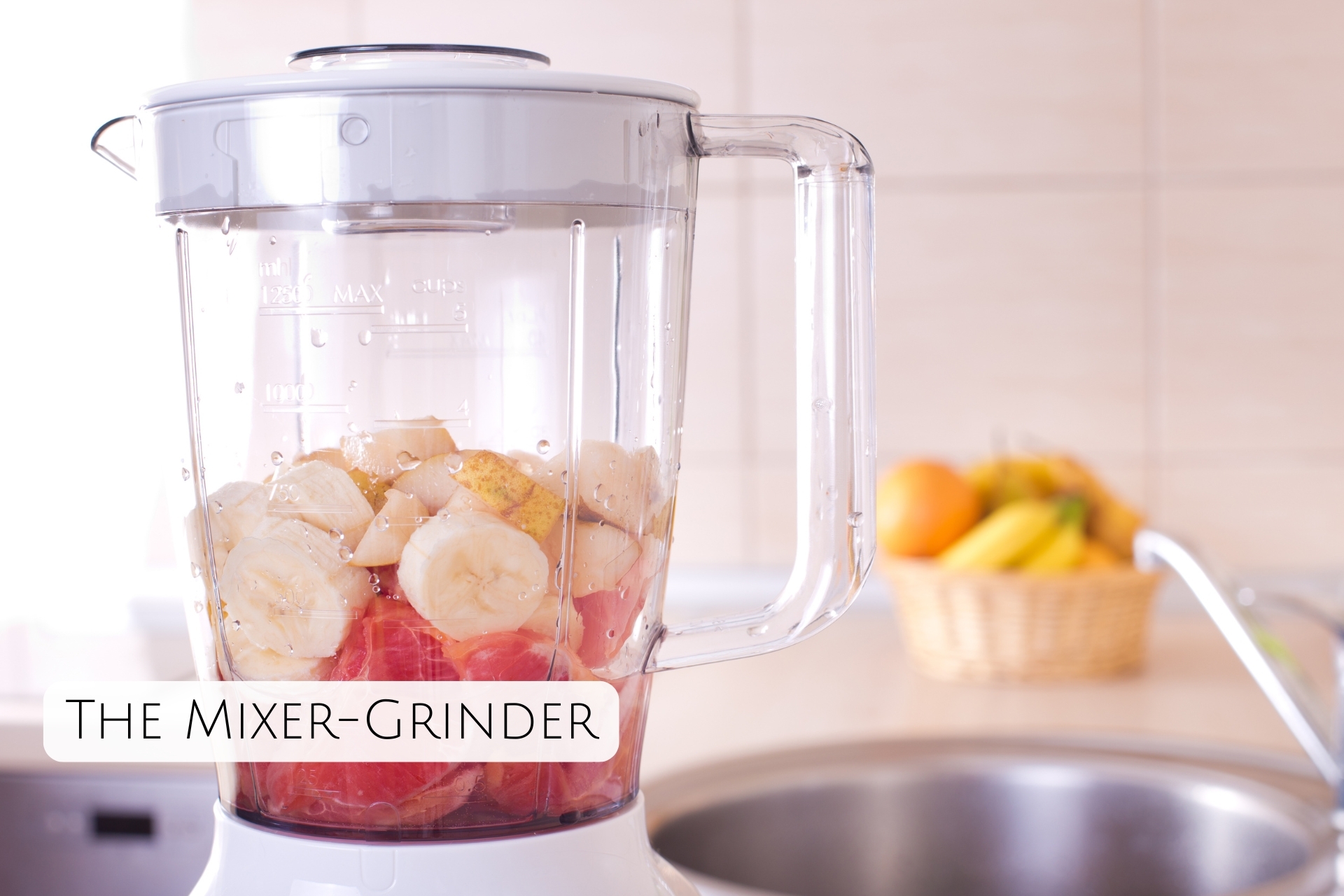
If there's one appliance that defines Indian kitchens more than any other, it's this one. Grinding chutneys, batters for dosa and idli, masalas, and purees for gravies — the mixer-grinder does it all, multiple times a day in most households.
It's rare to find a single-appliance replacement for something used this many times, this many different ways, across a single day. Ask anyone who's lived without one for even a week during a move or renovation, and they'll tell you exactly how much it's missed.
- Why it earns its place: Indian cooking relies on fresh-ground pastes and batters far more than most global cuisines, and doing this by hand daily simply isn't realistic.
- What makes a good one: a powerful motor (500W+), at least three jars, and stainless steel blades that hold up to daily grinding of tough spices and lentils.
The Pressure Cooker: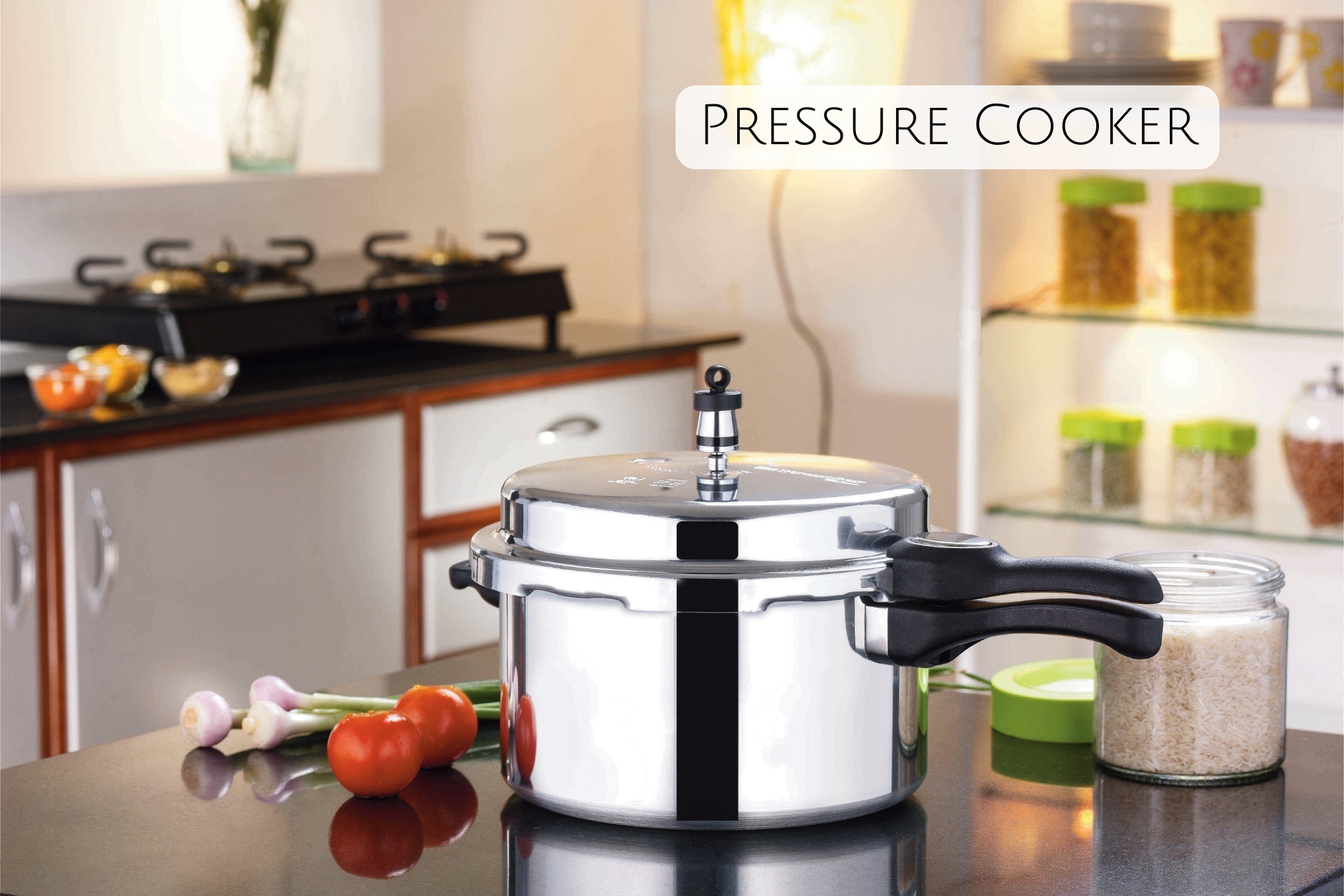
Dal, rice, rajma, chana — pressure cookers cut cooking time dramatically and have been a staple for generations, well before "instant cooking" became a marketing buzzword. Most households own at least two, in different sizes.
It's also one of the rare appliances that genuinely gets passed down. A well-maintained steel pressure cooker can outlast the kitchen it started in, which says something about how well-designed the basic mechanism really is — no touchscreen, no app, just a weight and a whistle, and it still does the job better than most modern "smart" alternatives.
- Why it earns its place: it turns a 90-minute dal into a 20-minute one, reliably, without needing constant supervision.
- Worth remembering: older cookers should be checked periodically for worn gaskets and safety valves — genuinely worth replacing rather than stretching indefinitely.
The Roti Maker or Tawa: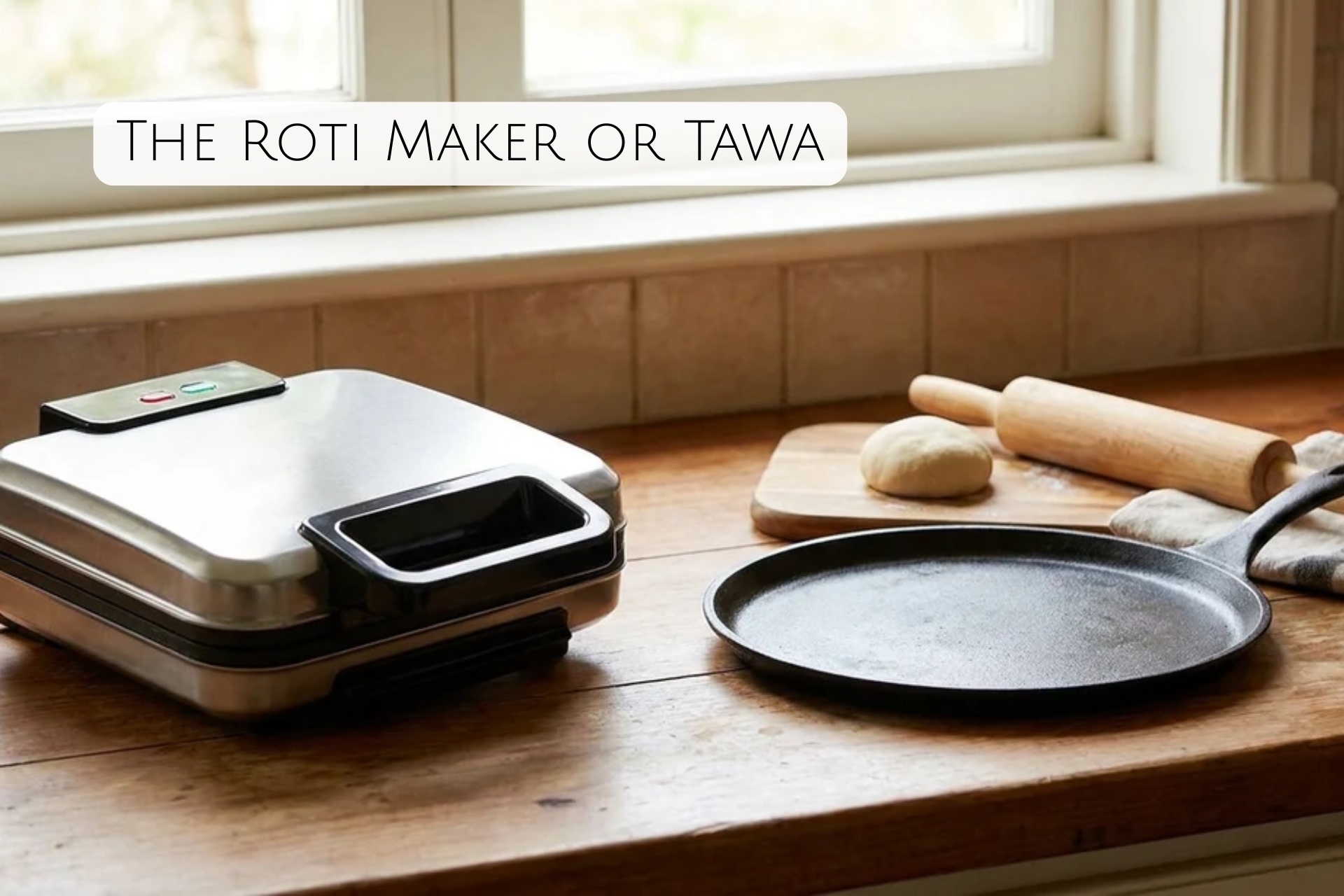
Whether it's a traditional cast iron tawa or an electric roti-maker, this gets used at least once, often twice, daily. Fresh rotis are a near-daily requirement, not an occasional treat.
- Traditional tawas remain popular for better control over char and texture — a well-seasoned one lasts decades.
- Electric roti makers have carved a real niche for busy households wanting speed and consistency.
The Electric Kettle: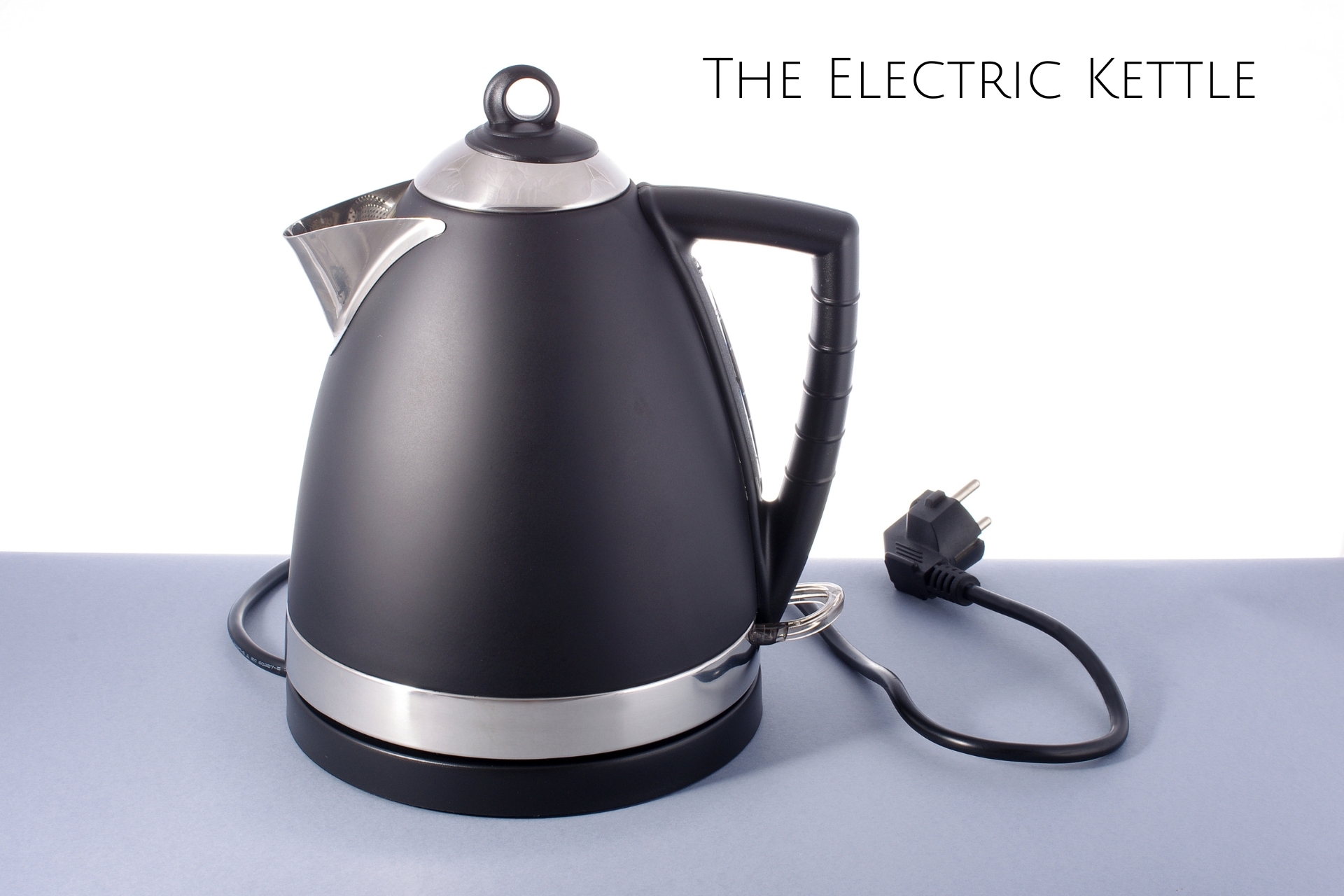
Chai isn't optional in most Indian households — it's practically a daily ritual, sometimes multiple times over. A kettle makes boiling water fast and effortless, without occupying a stove burner.
It's a small convenience that adds up more than people expect. Multiply "boil water fast" by however many cups of chai, coffee, or Maggi your household makes in a week, and the time saved becomes genuinely significant — probably the single best time-to-cost ratio on this entire list.
- Worth spending a little more on a kettle with auto shut-off and a stainless steel interior, both for safety and to avoid any plastic taste.
The Induction Cooktop:
Once seen as a backup for gas outages, induction cooktops have earned a permanent spot in many kitchens — especially apartments where gas connections are inconvenient or an extra burner genuinely helps on heavy cooking days.
What's changed the equation recently is price. Induction cooktops used to be a premium purchase; now decent ones are affordable enough that they've become a genuine second burner rather than an emergency-only backup, which has shifted how often people actually reach for one.
- The catch: it requires induction-compatible cookware, which means an added cost if your existing pots aren't compatible.
The Hand Blender: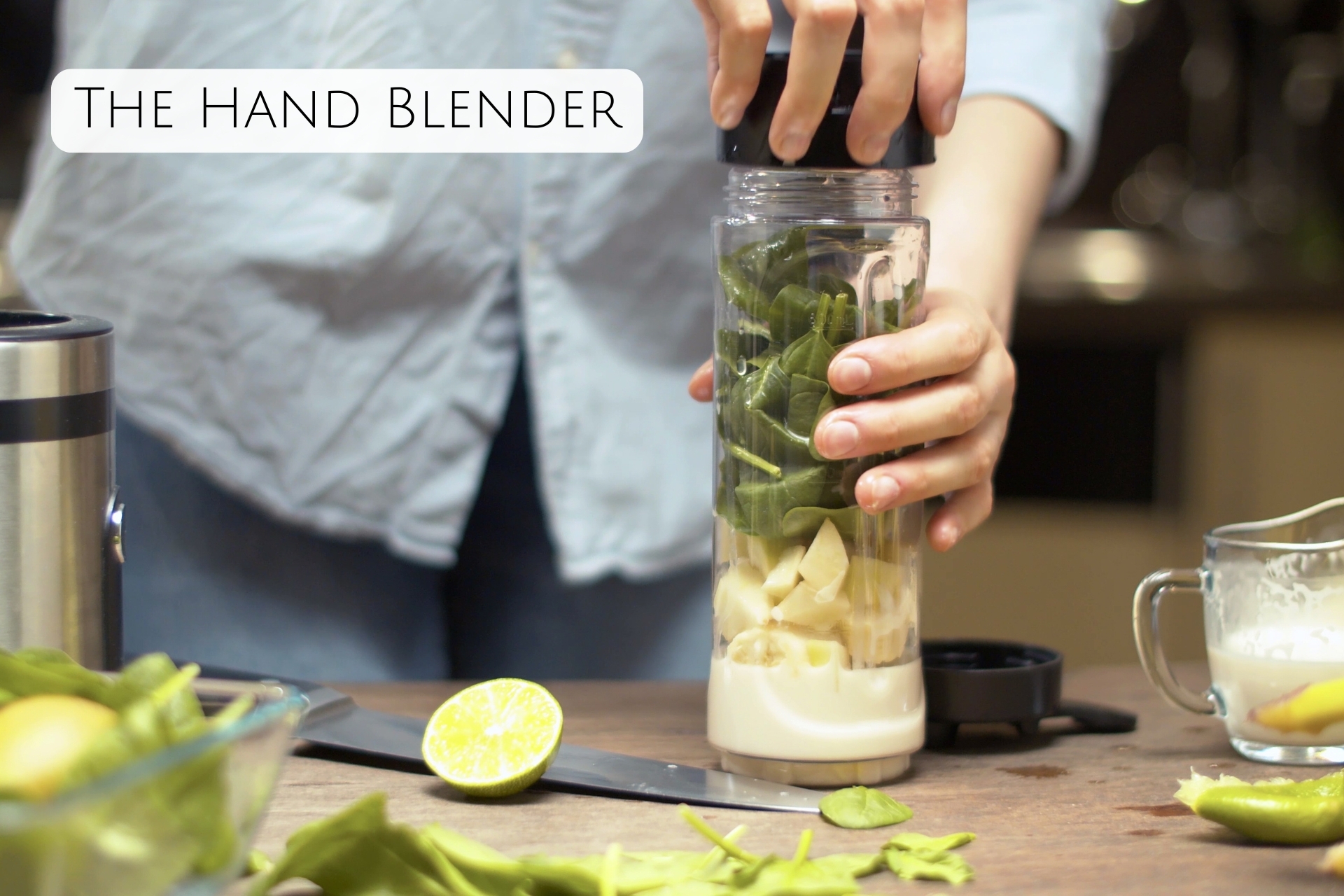
For soups, purees, whisking eggs, or blending small quantities without dragging out the full mixer-grinder, a hand blender fills a genuine gap — compact, easy to clean, and it doesn't demand real counter space.
- Underrated use case: making smooth soups or purees directly in the pot, without transferring hot liquid to a separate jar.
Good Steel Dabbas:
Not glamorous, barely a "gadget" in the flashy sense — but genuinely irreplaceable. Steel containers for masalas, grains, and leftovers get used constantly, multiple times a day, in nearly every household.
It's worth noting how quietly essential this category is compared to everything else on this list. Nobody buys steel dabbas expecting them to change how they cook, yet a disorganized, poorly stored spice shelf slows down every single meal in small, cumulative ways that add up over a week.
Worth the investment: a proper masala dabba with a lid, kept next to the stove, saves real time during daily cooking.
THE 3 THAT ARE JUST CLUTTER:
These get bought with genuine enthusiasm, usually after a compelling online demo, and then quietly retire to the back of a cupboard within a few months. Here's an honest look at why.
The Electric Egg Boiler: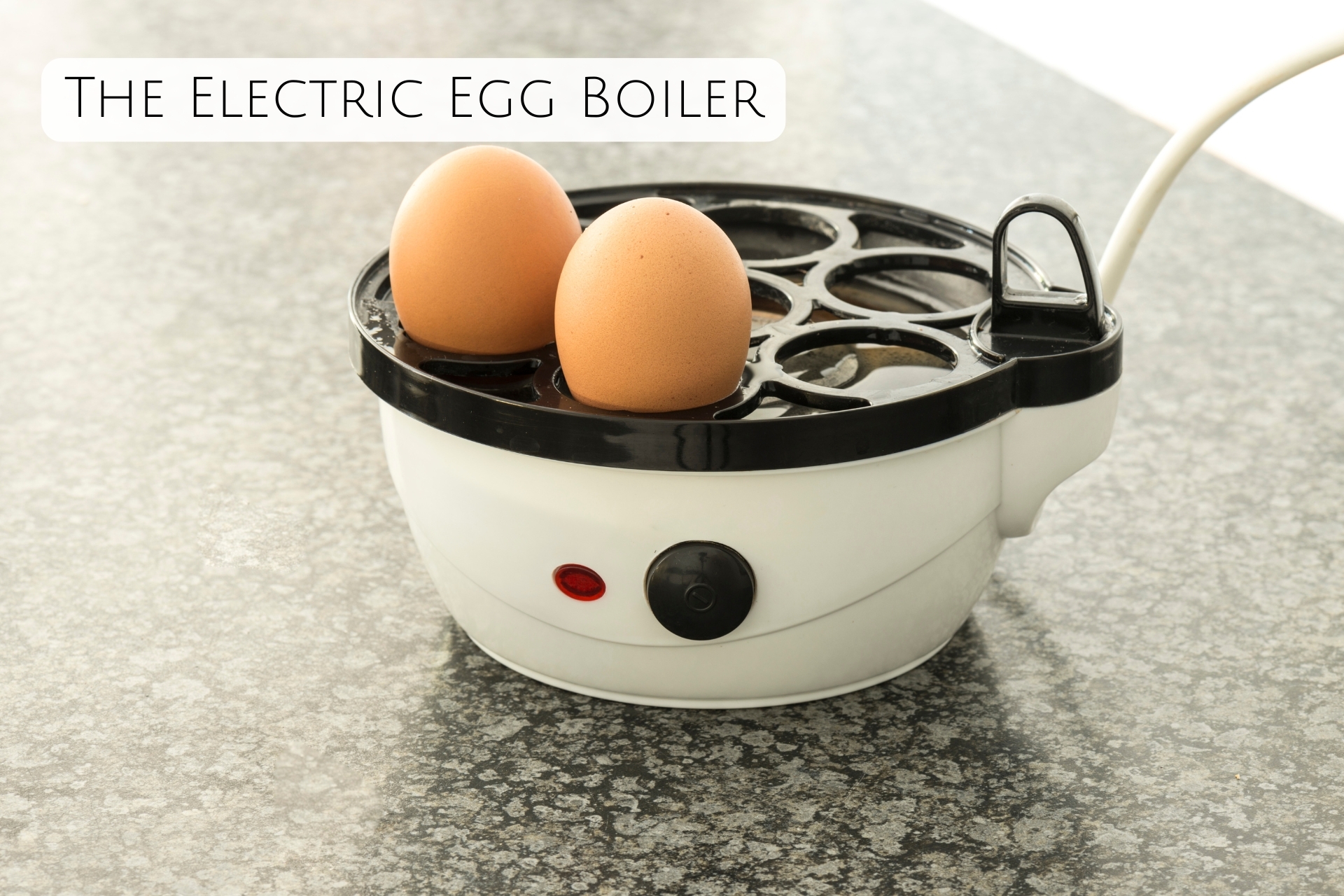
It boils eggs. That's genuinely it — a job a regular pot of water on your existing stove already does perfectly well, in roughly the same time, without a dedicated appliance and its own storage space.
What makes this one such a common purchase is how good it looks in a two-minute demo — perfectly peeled eggs, no mess, done in one gadget. What the demo doesn't show is the pot of water you'd have used anyway, sitting unused in the cupboard next to the new gadget.
The Dedicated Sandwich Maker: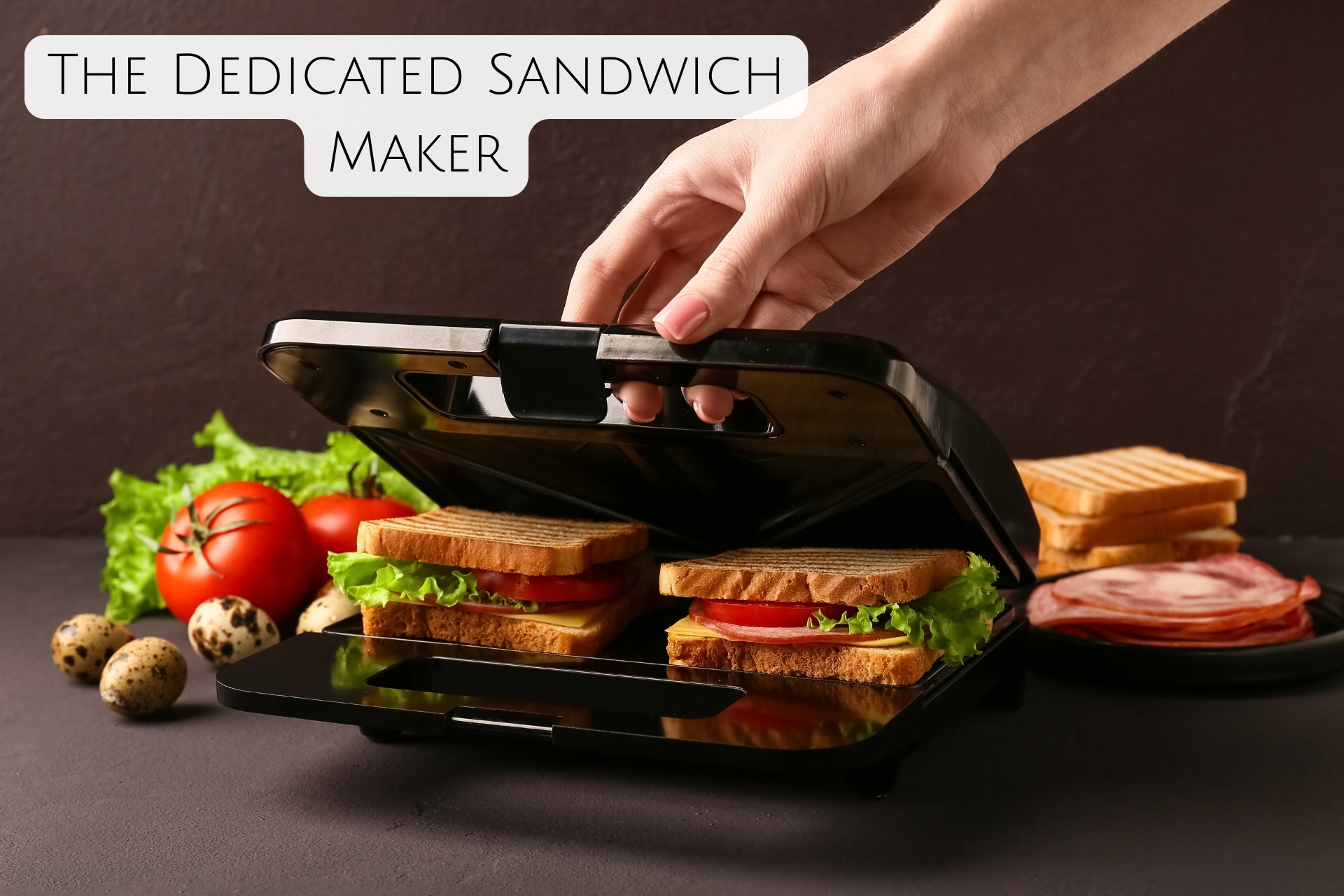
Unless your household eats sandwiches genuinely often — be honest about how often that actually is — a dedicated sandwich maker gets used a handful of times before being forgotten. A regular tawa or non-stick pan handles grilled sandwiches just fine for most people's actual frequency.
This is a good example of a gadget that solves a problem most people don't actually have often enough to justify the counter space. It's not a bad product — it's just a mismatch between how often it's used and how much room it demands in return.
Most "As Seen on TV" Choppers:
Spiral vegetable cutters, twelve-in-one manual chopper sets, gadgets promising to "revolutionize" a five-minute task — these are the classic impulse buys that show up after a persuasive reel and disappear into a drawer within weeks. A decent knife and cutting board handle 90% of what these promise, usually faster once you factor in the assembly and cleanup these multi-part gadgets demand.
The honest pattern here is consistent: if a gadget only does one narrow task, and that task was never genuinely difficult to begin with, it's very likely headed for the back of a cupboard, regardless of how compelling the ad looked at the time.
THE GUT-CHECK: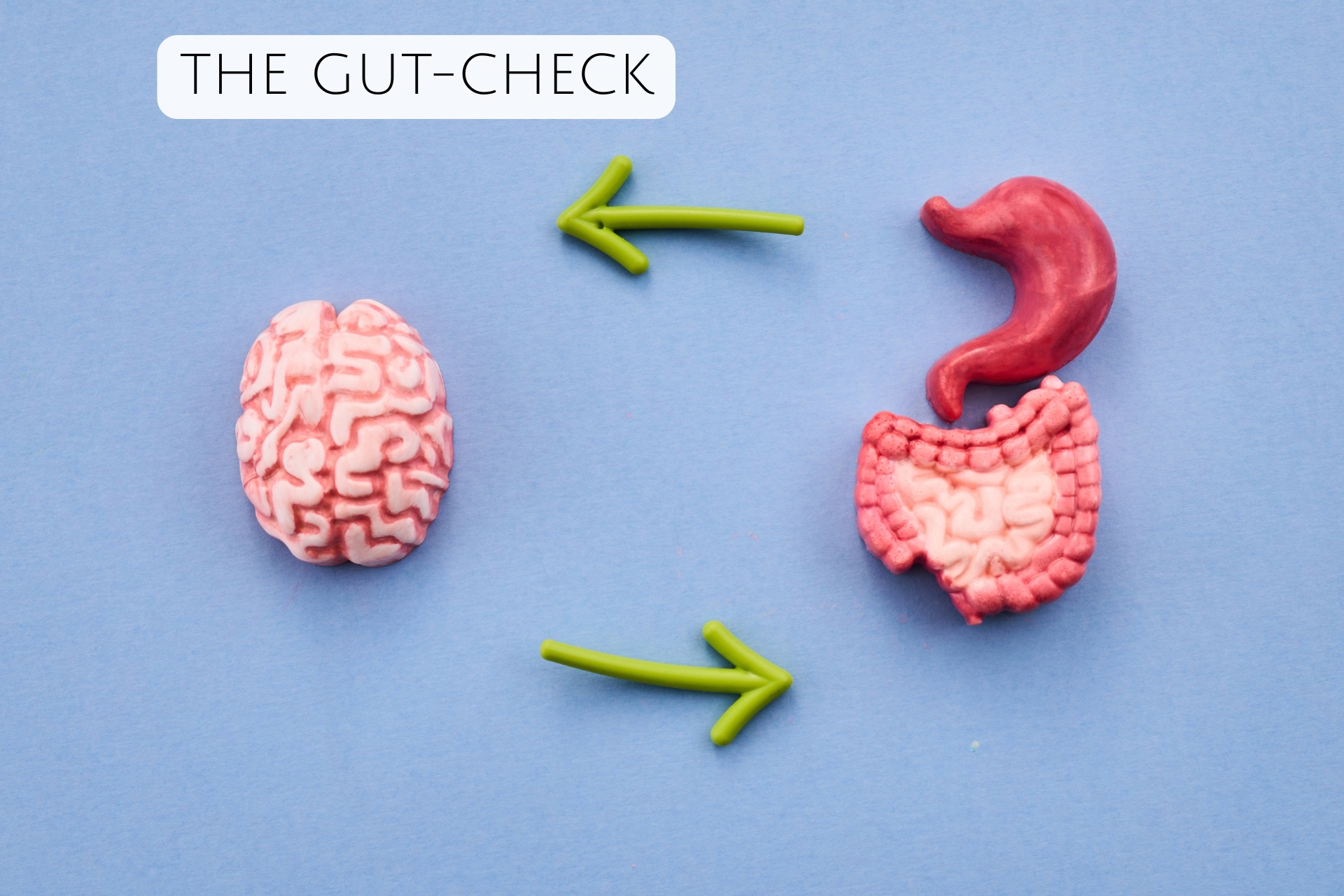
Before your next festive-sale impulse buy, ask: does it replace a task you do multiple times a week, not just occasionally? Does it genuinely save time once you account for setup and cleanup? Could a knife, pan, or pot already do this? And do you actually have a place to store it once the novelty wears off?
REGIONAL DIFFERENCES WORTH NOTING:
This list holds up broadly across India, but a few gadgets shift in importance depending on region and household. A South Indian kitchen making idli and dosa daily leans harder on the mixer-grinder and might add a dedicated idli steamer to its essentials. A North Indian household making rotis multiple times a day treats the tawa or roti-maker as even more central.
Coastal households cooking with more coconut and fresh spices daily often value a strong-motor mixer-grinder even more heavily than households cooking drier, grain-heavy meals. None of this changes the core list dramatically — it's worth tailoring priorities to what you actually cook most, rather than following a generic list blindly.
"If a gadget only does one narrow task, and that task was never genuinely difficult, it's headed for the back of a cupboard."
WHAT CLUTTER ACTUALLY COSTS YOU:
It's tempting to write off an unused gadget as a small, forgettable expense — a couple thousand rupees, no big deal. But add up the festive-sale impulse buys most households accumulate over a few years, and the number is rarely small. More than the money, though, it's the cabinet space and mental clutter that actually wear people down.
A kitchen with fewer, better-used tools is genuinely easier to cook in. You're not digging past three unused gadgets to find the pan you actually need, and cleanup takes less time when there's less to wash and put away in the first place. That's a real, if unglamorous, argument for buying less rather than more.
06 THE TAKEAWAY
IN SHORT:
The gadgets Indians actually use daily aren't flashy — they're reliable workhorses that solve a real, frequent problem: grinding, cooking rice and dal, making rotis, brewing chai, storing food properly. That list hasn't changed in decades. Before buying anything new, ask whether you're solving an actual recurring problem or just responding to a good ad. If it's the latter, save your money — that drawer of forgotten gadgets in every Indian kitchen didn't get built by accident.
Knowledge Hub
Drawer Dividers vs. Rolling Carts vs. Door Organizers: Match the Organizer to the Mess, Not the Room
Why the “kitchen organizer” you bought is failing in the kitchen — and the 30-second test that fixes...

Do Vegetable Choppers Really Save Time, or Just Move It to Cleanup? An Honest Minutes-Per-Meal Breakdown
It's 7:40 pm. The pressure cooker is hissing, someone's asking what's for dinner, and you're standin...

Do Garden Grow Bags Actually Work Better Than Pots?
You're scrolling through a gardening page, and there it is again — another post insisting grow bags...

Cast Iron, Stainless Steel & Non-Stick
Every Indian kitchen ends up with some combination of all three — a heavy iron kadhai from your gran...
Cast Iron vs Stainless Steel vs Non-Stick: When to Use Each
Every Indian kitchen ends up with some combination of all three — a heavy iron kadhai from your gran...

700W vs 1000W Mixer Grinder: What the Wattage Actually Buys You — and When It Doesn't
Stand in any appliance aisle in India and you'll see the same little ritual. Someone picks up a mixe...