
The Science of Outdoor Play: Why Outdoor Activity Matters for Child Wellbeing

Introduction:
In an era where screens dominate childhood experiences—tablets replacing building blocks, video games substituting outdoor adventures, and social media consuming hours previously spent climbing trees—childhood itself has fundamentally transformed. Today's children spend an average of 7-10 hours daily engaging with screens, creating what experts recognize as a genuine public health crisis. The consequences extend far beyond mere entertainment preferences; research consistently demonstrates that screen-dominated childhoods result in weaker physical development, compromised mental health, reduced social skills, shortened attention spans, and lost connection to nature that previous generations experienced as childhood's fundamental foundation.
Yet outdoor play—genuine, unstructured, physically demanding play in natural environments—represents one of the most powerful interventions available for child development. The benefits of active play extend beyond individual health, influencing educational achievement, emotional resilience, social development, and trajectory toward active, healthy adulthood. This comprehensive guide explores the complete story of why outdoor active play matters profoundly for child development, examining the specific physical, cognitive, emotional, and social benefits outdoor activity provides, addressing the barriers preventing many children from outdoor play, and providing practical strategies for encouraging kids to get outside and discover the transformation that genuine outdoor engagement creates.
Physical Development: Building Strong, Healthy Bodies: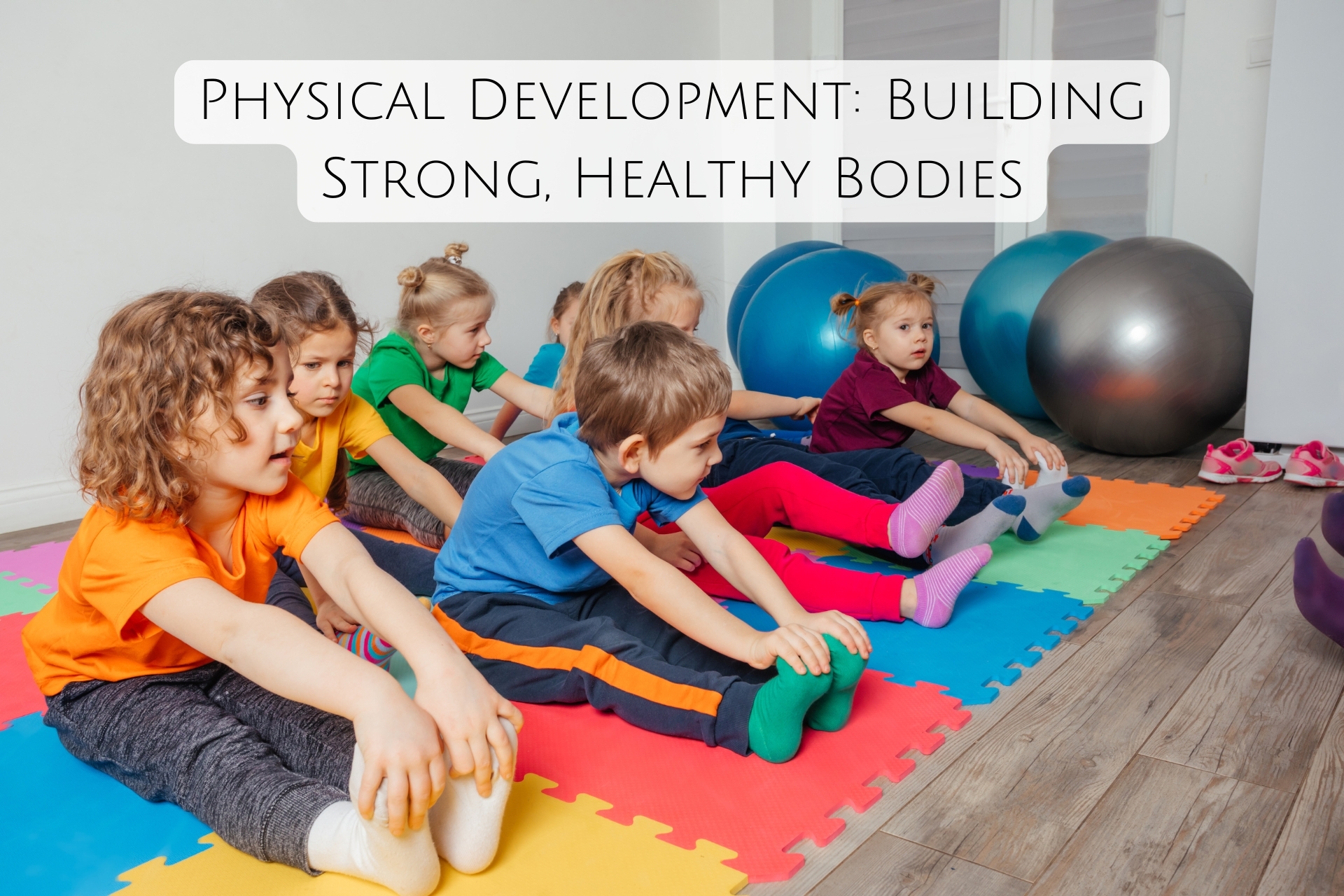
The most obvious benefit of active outdoor play involves physical development—children who regularly engage in outdoor activity develop stronger bodies, greater muscular strength and endurance, superior cardiovascular fitness, and healthier metabolic function compared to sedentary peers. Yet this physical foundation extends far beyond immediate fitness improvements; it establishes patterns and capabilities supporting health across entire lifespans.
-
Muscular Development and Strength:

- Activities like climbing, running, jumping, and throwing engage multiple muscle groups naturally.
- Uneven terrains and unpredictable outdoor challenges improve balance, coordination, and grip strength.
- Develops functional strength useful in everyday life—not isolated muscle gains like gym workouts.
- Voluntary, enjoyable movement fosters intrinsic motivation for lifelong fitness.
-
Cardiovascular Health and Endurance:

- Continuous outdoor activities (running, cycling, hiking, sports) strengthen the heart and lungs.
- Builds superior cardiovascular efficiency and oxygen utilization.
- Habits formed in childhood often persist into adulthood, reducing long-term risk of heart disease.
- Early cardiovascular fitness acts as a powerful prevention against global leading mortality causes.
-
Obesity Prevention and Metabolic Health:

- Vigorous outdoor play increases energy expenditure, helping maintain a healthy body weight.
- Improves metabolism and reduces risk of childhood and adult obesity.
- Builds habits that counteract sedentary lifestyle diseases later in life.
- Exposure to sunlight boosts natural vitamin D production—supporting bone strength, immunity, and mood.
-
Sleep Quality and Circadian Rhythm Regulation:

- Natural daylight exposure helps align the body’s internal clock, promoting consistent sleep patterns.
- Active play increases physical fatigue, aiding in faster sleep onset and deeper rest.
- Quality sleep enhances emotional balance, cognitive function, immunity, and physical recovery.
- Healthy sleep routines support overall growth and wellbeing in children and adolescents.
Social and Emotional Development: 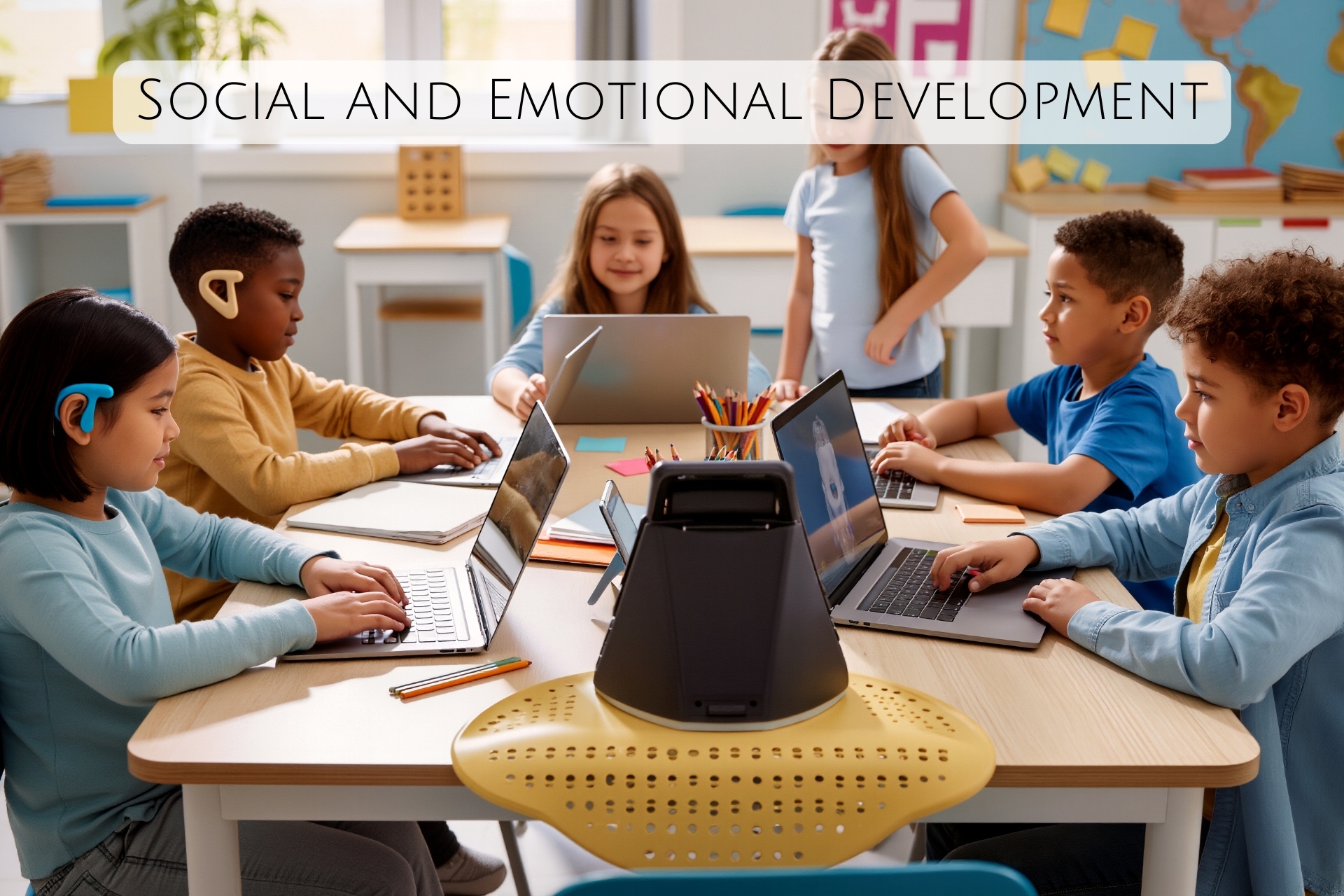
Beyond individual physical and cognitive benefits, outdoor play drives social development and emotional maturity.
- Peer Interaction and Friendship Formation naturally occur during outdoor play. Children playing together navigate social dynamics, negotiate game rules, manage conflicts, collaborate toward shared objectives, and develop genuine friendships. These peer interactions teach critical social skills—empathy, communication, conflict resolution, teamwork, and social awareness—that formal instruction cannot replicate.
- Conflict Resolution and Problem-Solving Skills develop naturally when children encounter disagreements during outdoor play. Unlike adult-managed conflicts, outdoor play allows children to negotiate, argue, compromise, and resolve disagreements independently. Children learning to resolve disputes with peers develop capacity for adult relationships and professional interactions requiring similar skills.
- Confidence and Self-Efficacy build through outdoor play's physical and social challenges. When children attempt slightly challenging physical tasks and succeed—climbing higher than previously possible, jumping farther, mastering new skills—they experience genuine achievement building confidence. Simultaneously, social successes—being included in play, contributing meaningfully to group activities, leading peers—enhance self-worth.
- Independence and Risk-Taking develop appropriately when children navigate outdoor environments. Unstructured outdoor play involves manageable risks—falling from modest heights, getting minor scrapes, experiencing physical consequences of miscalculation—that build safety awareness and appropriate caution without fostering paralyzing fear. Children who develop through outdoor play with manageable risks become more confident, capable, and appropriately cautious adults compared to those raised in risk-averse environments eliminating all possibility of minor injury.
Cognitive Development and Academic Benefits: Enhancing Learning Capacity: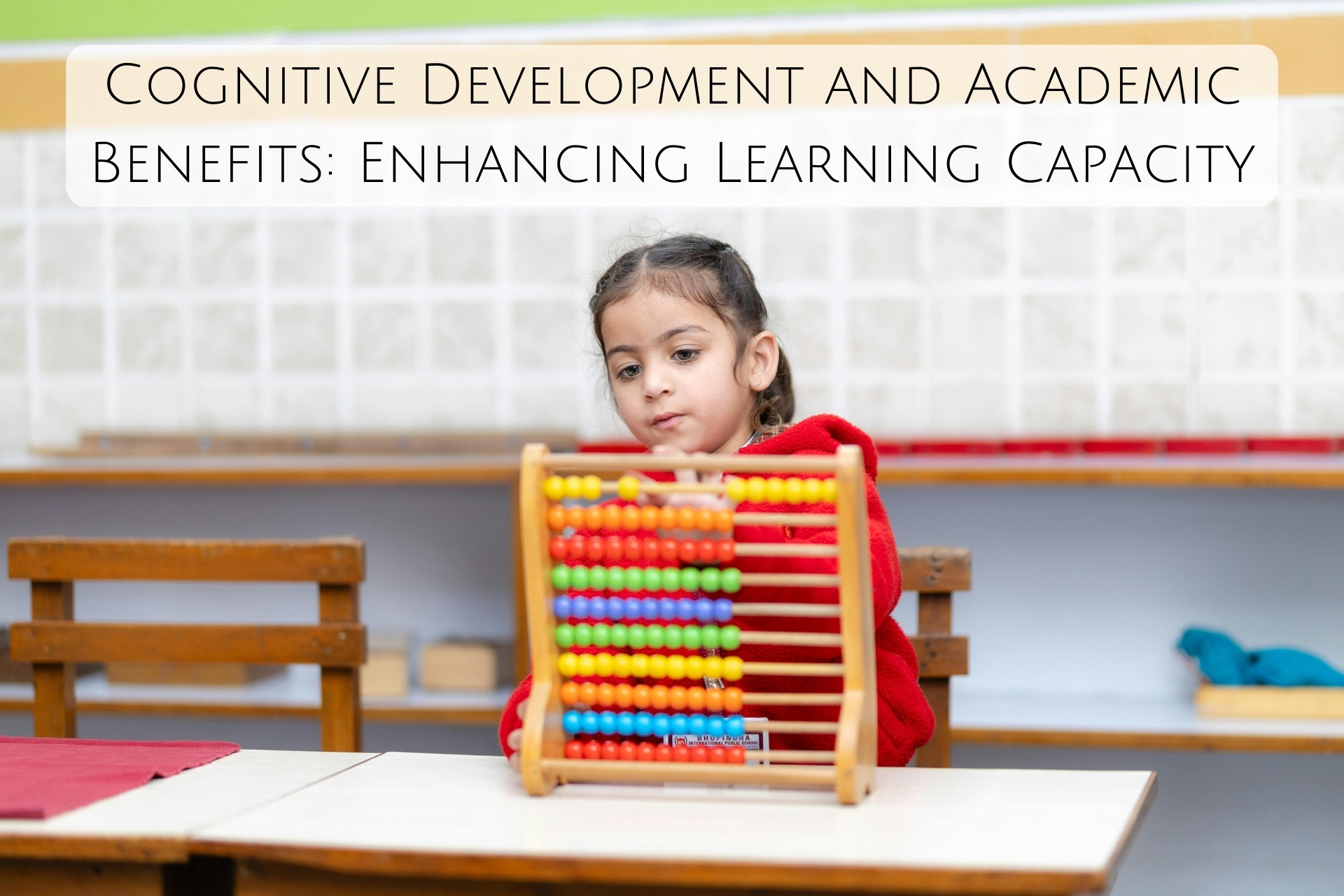
Outdoor play supports cognitive development through distinct mechanisms—not merely exercise improving brain function but specific learning opportunities and developmental experiences unique to outdoor environments.
-
Executive Function Enhancement:
- Outdoor activities like climbing, building, and navigating terrain strengthen planning, decision-making, and self-control.
- Children develop executive functions—planning, working memory, and inhibition—critical for managing tasks and schoolwork.
- Studies show that regular outdoor play correlates with better academic outcomes and stronger cognitive flexibility.
-
Attention and Concentration Improvement:
- Nature exposure restores mental energy and improves sustained focus (Attention Restoration Theory).
- Outdoor play reduces cognitive fatigue built up from screen time or classroom overstimulation.
- Children who play outside regularly show improved task concentration and reduced ADHD symptoms.
-
Creativity and Imagination Enhancement:
- Open, unstructured outdoor spaces stimulate imaginative play and innovation.
- Natural materials (sticks, stones, sand, water) encourage creative reinterpretation and storytelling.
- Unrestricted imagination supports emotional expression, problem-solving, and cognitive flexibility.
- These creative capacities are increasingly valuable for future academic and professional adaptability.
-
Enhanced Academic Performance and Learning:
- Combined benefits—better attention, emotional balance, physical health, and reduced stress—directly support learning.
- Outdoor play improves classroom behavior, memory retention, and understanding of complex academic material.
- Children engaged in regular outdoor activity often achieve higher grades and show stronger curiosity-driven learning habits.
Chimiya's Outdoor Play Solutions: Enabling Active Play for Every Family:
When seeking to transition children away from screens toward outdoor engagement, identifying quality outdoor play equipment and solutions proves essential. Chimiya emerges as your comprehensive destination for sourcing premium outdoor play products, recreational equipment, and everything needed to create genuinely engaging outdoor environments transforming screen habits into outdoor adventure. Chimiya specializes in carefully curating the finest outdoor play solutions—from backyard playsets and trampoline systems to sports equipment, garden games, water play options, sandbox systems, climbing structures, and complete outdoor recreation ecosystems. What differentiates Chimiya is their recognition that outdoor play enablement requires more than simply selling equipment; families need guidance selecting appropriate products for their children's ages and interests, understanding safety considerations, and creating cohesive outdoor environments maximizing engagement.
Transforming Lives: How Chimiya Enables Childhood Reclamation:
Beyond providing outdoor play equipment, Chimiya fundamentally transforms how families approach childhood and screen time management. When a parent discovers through Chimiya's curated collection that quality outdoor play equipment can genuinely create engaging outdoor environments where children enthusiastically prefer playing over screens, their entire approach to parenting, screen time management, and child development transforms. For families struggling with childhood obesity, screen addiction, anxiety, attention difficulties, or social skill deficits, implementing Chimiya's outdoor play solutions often produces remarkable transformation. When families prioritize outdoor play through deliberate equipment investment and scheduled outdoor time, children's physical health improves, anxiety decreases, sleep quality strengthens, academic performance improves, and behavior better—benefits often exceeding those from medical interventions or behavioral therapy.
Conclusion:
Active outdoor play represents not luxury or optional activity but essential investment in children's physical health, mental wellness, emotional development, social competence, and cognitive capabilities. The benefits—immediate enjoyment combined with lifelong health advantages—justify intentional effort establishing regular outdoor engagement despite modern barriers and contemporary culture's indoor emphasis.
Your children's healthier, happier, more resilient future begins through regular outdoor engagement—supported by quality equipment, intentional scheduling, and family commitment transforming outdoor play from occasional occurrence into cherished family tradition enabling thriving across childhood and beyond.
Knowledge Hub

How to Choose Nonstick Bakeware That Actually Lasts
Introduction: Most people don't think much about bakeware until something goes wrong — a cake that w...

Choosing the Right Kitchen Knife Set for Your Home
Introduction: Walk into most Indian kitchens and you'll find the same story: a drawer full of knives...

Pack Smart for Your Next Fly Fishing Adventure: The Essential Tackle & Backpack Guide
Introduction: A successful fly fishing trip starts long before you cast your first line. Whether you...

The Complete Pet Supplies Guide: Everything You Need for Every Kind of Pet
Introduction: Do you have a pet at home? Maybe you have a dog, a cat, a bird, a fish, or even a hors...

Gear Up for Adventure: A Beginner's Essential Camping Packing Guide
Introduction: Camping is an exciting way to connect with nature, but a little planning goes a long w...

Microphone Quality Matters: Why a Good Mic Is Essential in Gaming Headsets
Gaming headsets have become a staple for serious players, offering immersive sound and the ability t...