
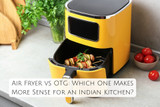
Air Fryer vs OTG: Which One Makes More Sense for an Indian Kitchen?
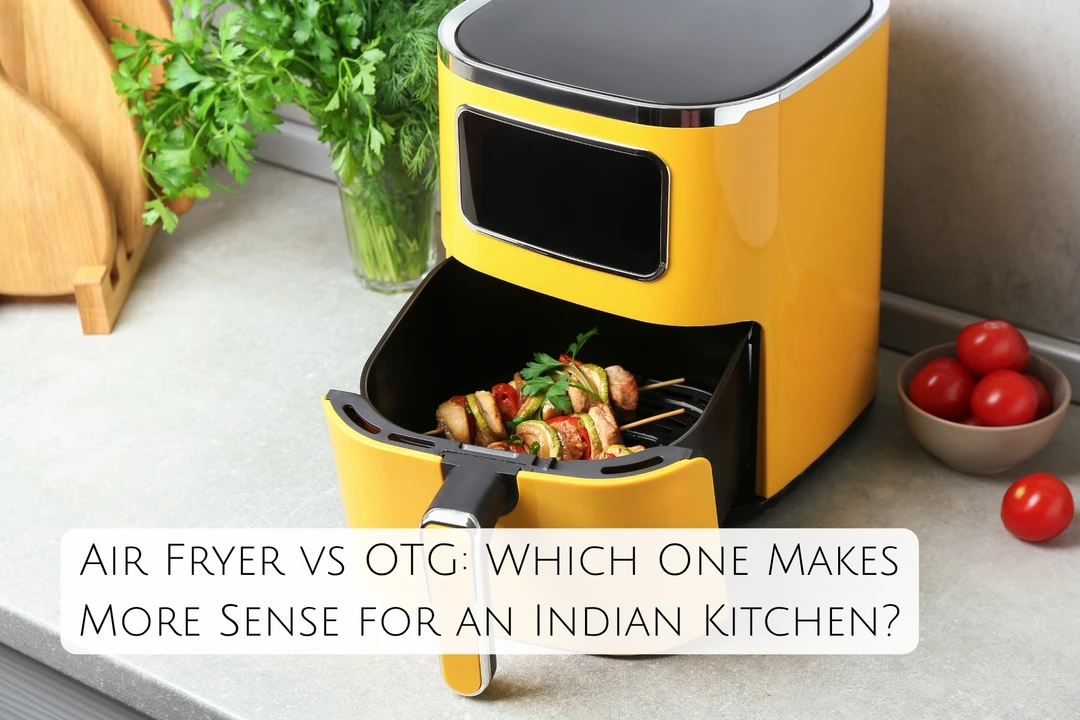
Your mother-in-law swears by the OTG she's used for fifteen years. Your Instagram feed insists you need an air fryer for "guilt-free" fries. And you're standing in the kitchen appliance aisle, or scrolling through Amazon at 11 PM, trying to figure out which one actually deserves counter space in your home.
This isn't a trivial choice. Both appliances cost real money, both eat up precious kitchen counter space (which, let's be honest, is at a premium in most Indian homes), and both promise to make your cooking life easier. The air fryer vs OTG debate has become one of the most searched kitchen appliance questions in India over the last couple of years, and for good reason — the two devices overlap just enough to be confusing, while being different enough that picking the wrong one means regret.
Let's cut through the marketing noise and actually figure out which one makes sense for how you cook, eat, and live.
Quick answer: An air fryer is best if you want quick, low-oil snacks and reheating for a small family, with minimal cleanup. An OTG wins if you bake regularly, cook for a larger household, or want one appliance that grills, toasts, and bakes cakes, cookies, and roasts. Many Indian kitchens end up happiest with both — but if you can only pick one, let your cooking habits decide, not the trend.
What Exactly Are We Comparing Here?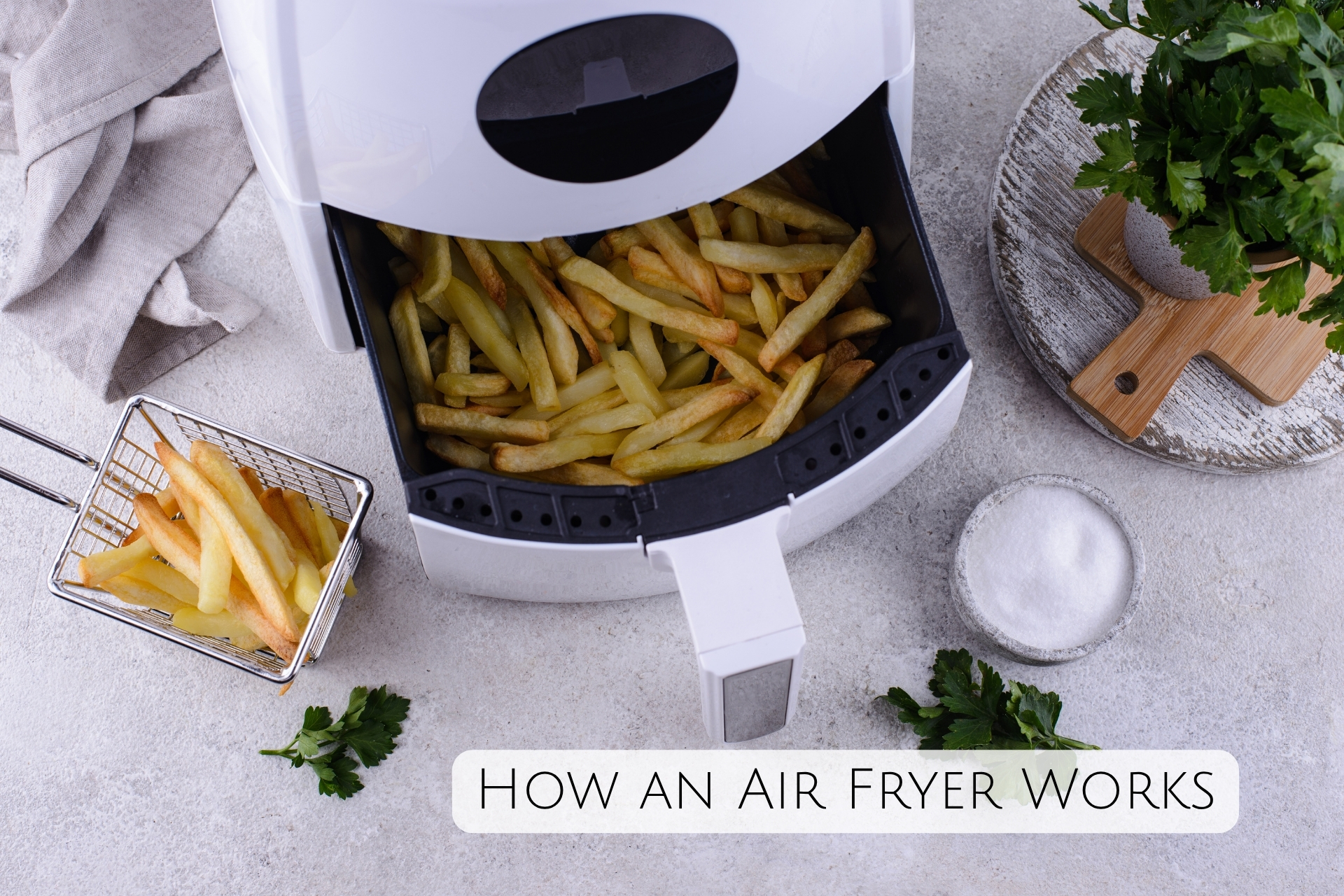
Before we get into the air fryer vs OTG comparison properly, it helps to know what each machine is actually built to do, because they're not really direct competitors — they just happen to overlap in a few areas.
How an Air Fryer Works:
An air fryer is essentially a compact convection oven with a powerful fan and a heating element packed close together. It circulates very hot air rapidly around food placed in a basket, which crisps up the surface the same way deep frying does, minus the oil bath. Think of it as a turbocharged, miniaturized oven built for one job: making fried-style food with a fraction of the oil.
How an OTG Works:
OTG stands for Oven, Toaster, Griller — and that name tells you everything about its purpose. It's a boxier, more traditional oven with heating rods (usually top and bottom), a temperature dial, and a much larger interior cavity. It's built for baking, roasting, grilling, and toasting rather than for replicating fried textures quickly.
In short: the air fryer is a specialist in crisping small batches fast. The OTG is a generalist that handles a wider range of cooking styles but takes longer and often needs more oil for that crispy finish.
Air Fryer vs OTG: Head-to-Head Comparison
Here's where things get practical. Let's compare them on the factors that actually matter to someone cooking in a real Indian kitchen — not a marketing brochure.
Cooking Capacity and Family Size:
- Air fryers are built for small batches. Most models sold in India range from 2 to 5.5 litres. That's fine for a couple or a small family, but if you're cooking for six people, you'll be doing multiple rounds — which defeats the purpose of "quick" cooking.
- OTGs scale up comfortably. You'll commonly find OTGs from 16 litres all the way to 60 litres. A 30-litre OTG can bake a full cake, roast an entire chicken, or grill enough paneer tikka for a dinner party in one go.
If your household has more than three or four people, or you host frequently, the OTG's capacity alone might settle the debate.
What You'll Actually Cook:
- Air fryer strengths: frozen snacks (samosas, spring rolls, nuggets), reheating leftovers so they're crisp instead of soggy, roasted makhana or nuts, tandoori-style starters in small quantities, and quick French fries or wedges.
- OTG strengths: cakes, cookies, and bread — anything requiring even, enclosed heat and rising room; whole roasted chicken or vegetables; grilled kebabs and tikkas on skewers; and toasting bread or reheating pizza evenly.
Here's an honest opinion: if baking is even a small part of your cooking life — birthday cakes, weekend cookies, banana bread when you have overripe bananas lying around — an air fryer will frustrate you. The batch sizes are too small and the shape of the basket just doesn't suit batter-based baking the way an OTG's flat trays do.
Oil Usage and Health Angle: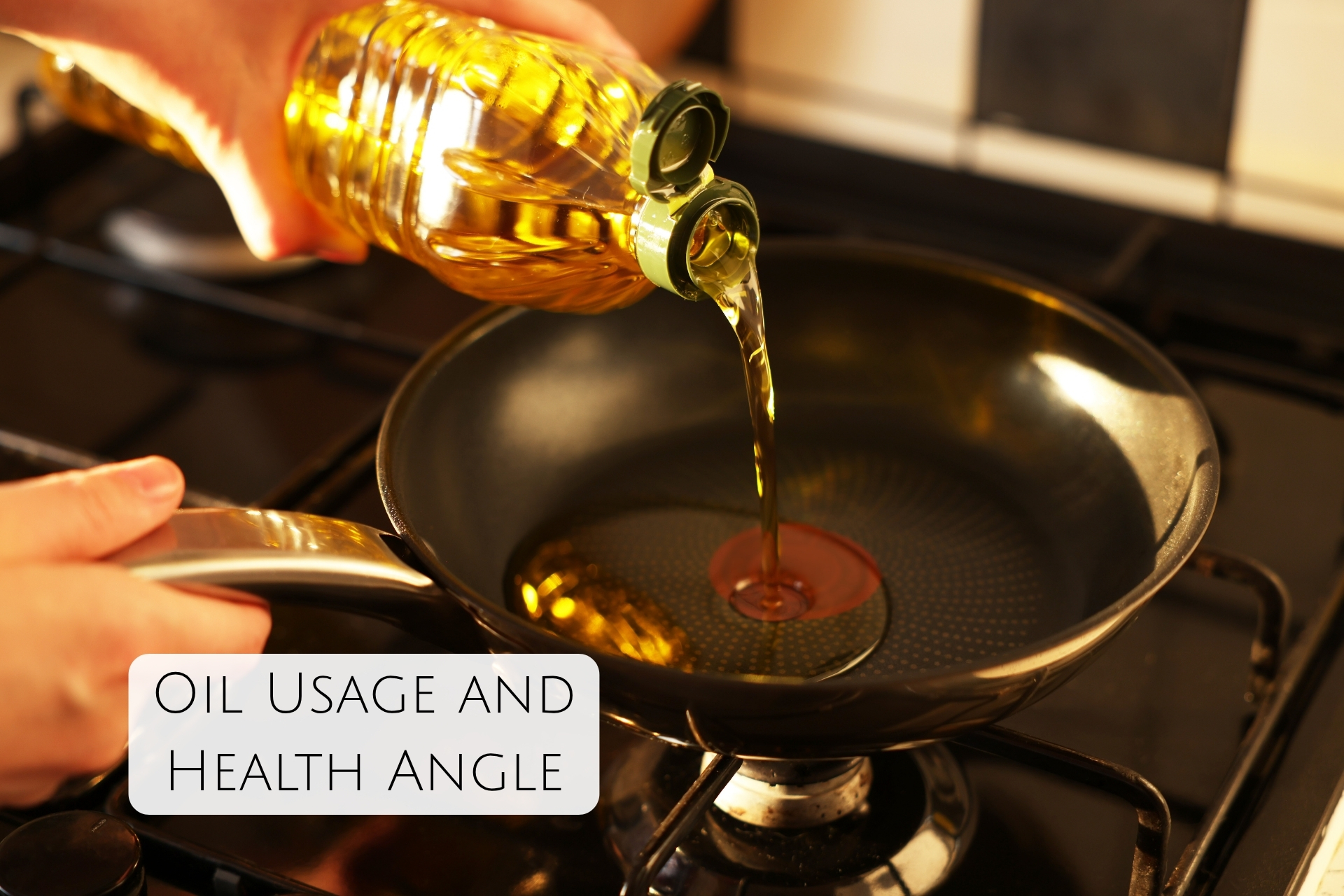
This is the air fryer's biggest selling point, and it's genuinely true — you can get a reasonably crisp texture using just a teaspoon or two of oil, compared to the tablespoons an OTG or deep fry would need. For a country where diabetes and heart disease rates are climbing and oily fried snacks are a daily habit in many homes, that's not a small thing.
That said, don't fall for the idea that air-fried food is automatically "healthy." A samosa is still a samosa, made of refined flour and potato — the air fryer just cuts the oil content, not the calories from the base ingredients. It's a genuine improvement, not a health transformation.
Cooking Time and Convenience:
- Air fryers preheat fast — usually under 3 minutes — and cook small portions in 10 to 20 minutes. Perfect for when you want evening snacks without waiting forever.
- OTGs take longer to preheat (often 10 minutes) and cooking times run longer too, especially for baking, which can take 25 to 45 minutes depending on what you're making.
For quick weekday snacking, the air fryer wins hands down. For weekend cooking projects where you're not in a rush anyway, the OTG's slower pace doesn't really matter.
Price and Running Cost:
A decent air fryer in India starts around ₹3,000 to ₹4,000 and can go up to ₹12,000-15,000 for premium digital models with larger baskets. A basic 16-19 litre OTG starts around ₹3,500-4,500, while larger 30-60 litre models with rotisserie functions can cross ₹10,000-15,000 as well.
So price-wise, they're roughly comparable at similar quality tiers. Running costs (electricity) are also close, though OTGs used for longer baking sessions will pull slightly more power over time simply because they run longer per use.
Ease of Cleaning:
- Air fryer baskets are usually non-stick and dishwasher-safe (check the manual), making cleanup quick — wipe or rinse and you're done in under two minutes.
- OTG trays and wire racks tend to catch more oil splatter and crumbs, especially with grilling, and the interior cavity needs occasional deep cleaning since it's harder to reach corners.
If you dread post-cooking cleanup (and honestly, who doesn't after a long day), the air fryer has a real edge here.
Kitchen Space — A Very Real Indian Kitchen Problem:
Let's talk about something recipe blogs rarely mention: counter space. Most Indian kitchens, especially in apartments, don't have the sprawling counters you see in Western kitchen photos. Every appliance you buy competes for a fixed amount of real estate near a power socket.
Air fryers are compact and easier to tuck into a corner or a shelf when not in use. OTGs, especially the larger ones, are bulky and often need a dedicated spot because moving a 30-litre oven around isn't something you'll want to do daily.
Air Fryer vs OTG for Indian Cooking: Which Dishes Suit Which?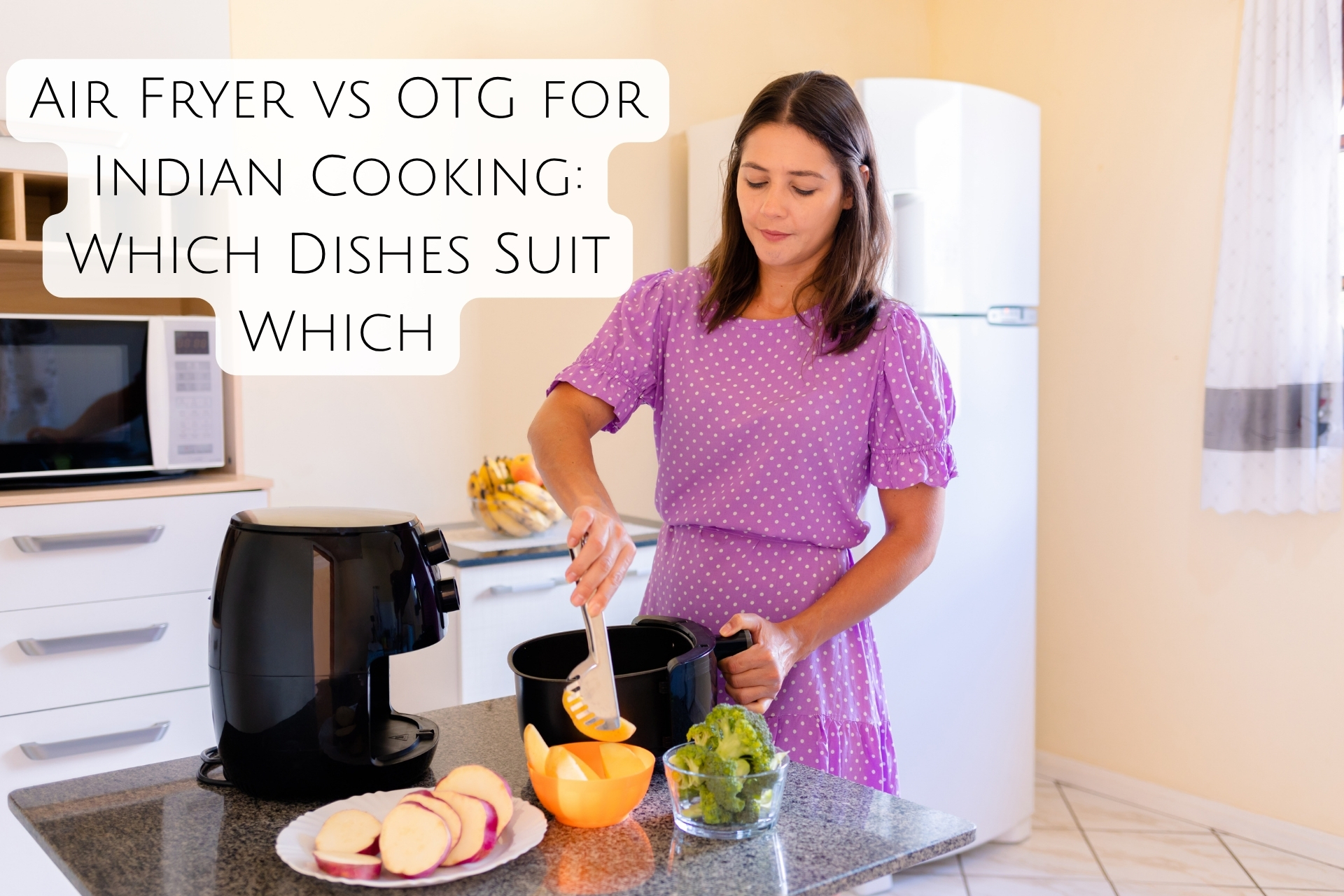
Indian cooking has its own quirks that a lot of generic comparisons ignore. Let's get specific about what actually works well in each.
Where the Air Fryer Genuinely Shines:
- Frozen and pre-made snacks — the kind you keep in the freezer for unexpected guests or lazy evenings. Comes out crisp in minutes.
- Roasting spices, papad, or makhana without babysitting a tawa.
- Small-batch tandoori starters for two to three people — chicken tikka, paneer tikka, or tandoori aloo.
- Reheating rotis, parathas, or fried snacks so they taste freshly made instead of microwave-soggy.
Where the OTG Genuinely Shines:
- Baking cakes for birthdays, festivals, or just because — this is not something an air fryer basket handles well.
- Whole tandoori chicken or a full tray of kebabs when you're cooking for a family gathering.
- Baking Indian-style breads like naan-adjacent flatbreads, buns, or dinner rolls.
- Dry roasting large batches of nuts, seeds, or masalas for festival cooking.
Common Mistakes People Make When Choosing?
A few patterns show up again and again in how Indian households pick between these two, and most of them lead to regret.
Buying Based on Trends, Not Habits:
The air fryer boom on social media has pushed a lot of people to buy one without checking whether their actual cooking habits — daily dal-chawal, weekend baking, festival cooking — even suit it. If you rarely fry anything and love baking, an air fryer will sit in a cupboard collecting dust within three months.
Ignoring Family Size Before Buying:
A 2-litre air fryer basket sounds fine until you're trying to make enough fries for four hungry teenagers. Always size the purchase to your household, not to the cheapest model on sale.
Assuming You Need to Choose At All:
Here's the honest truth: if your budget allows it, owning both isn't overkill — it's practical. They solve different problems. An air fryer handles the daily 6 PM snack craving; an OTG handles Sunday baking and festival roasting. Plenty of Indian kitchens now run both side by side, and once you've used each for what it's actually good at, you stop thinking of it as a rivalry.
So, Air Fryer or OTG — What Should You Actually Buy?
If you had to pick just one, here's how to decide honestly, based on your own habits rather than what's trending.
- Choose an air fryer if: you're a small family or couple, you snack often, you want minimal oil and easy cleanup, and baking isn't a priority.
- Choose an OTG if: you bake regularly, you cook for a larger family or host often, and you want one appliance that handles grilling, toasting, and baking without buying a separate device for each.
- Choose both, over time, if: your budget allows a staggered purchase — get the one that matches your most frequent need first, then add the second appliance once you know how you actually use your kitchen.
The Bottom Line
There's no universal winner in the air fryer vs OTG debate, and anyone who tells you there is hasn't actually used both in a real kitchen. The air fryer is the better daily-use gadget for quick, low-oil snacking and reheating in smaller households. The OTG is the more versatile, higher-capacity workhorse for baking, roasting, and cooking for a crowd.
My honest take: if you already own a microwave with convection mode, you might not need an OTG urgently — but you'll almost always get daily value from an air fryer's speed and convenience. If you don't bake at all and live alone or as a couple, skip the OTG entirely and put that money into a good mid-range air fryer instead. Buy for how you actually cook, not for what looks good on a kitchen shelf in a reel.
Knowledge Hub

Do Garden Grow Bags Actually Work Better Than Pots?
You're scrolling through a gardening page, and there it is again — another post insisting grow bags...

Cast Iron, Stainless Steel & Non-Stick
Every Indian kitchen ends up with some combination of all three — a heavy iron kadhai from your gran...

Cast Iron vs Stainless Steel vs Non-Stick: When to Use Each
Every Indian kitchen ends up with some combination of all three — a heavy iron kadhai from your gran...

700W vs 1000W Mixer Grinder: What the Wattage Actually Buys You — and When It Doesn't
Stand in any appliance aisle in India and you'll see the same little ritual. Someone picks up a mixe...
7 Kitchen Gadgets Indians Actually Use Every Day
Open any Indian kitchen drawer and you'll find at least one appliance still in its box, bought durin...
Air Fryer vs OTG: Which One Makes More Sense for an Indian Kitchen?
Your mother-in-law swears by the OTG she's used for fifteen years. Your Instagram feed insists you n...