
700W vs 1000W Mixer Grinder: What the Wattage Actually Buys You — and When It Doesn't

Stand in any appliance aisle in India and you'll see the same little ritual. Someone picks up a mixer grinder box, turns it over, finds the wattage, and nods like the number settled everything. Bigger watts, better machine — that's the assumption the sticker is designed to trigger.
Here's the honest version of the 700W vs 1000W mixer grinder debate: wattage measures how much electricity the motor draws, not how well it grinds. For a household of two to four people, a well-built 700W or 750W machine handles daily chutneys, masalas, and batters comfortably. The 1000W premium only pays off in specific, heavy-use situations — and we'll spell out exactly which ones.
A 700W mixer grinder is sufficient for small Indian households of 2–4 people, handling chutneys, wet batters, and everyday masalas. A 1000W model is worth the extra cost only for frequent bulk dry grinding, large batter volumes, or joint-family cooking. Higher wattage does not automatically mean finer or faster grinding.
700W VS 1000W MIXER GRINDER: WHAT THOSE NUMBERS REALLY MEASURE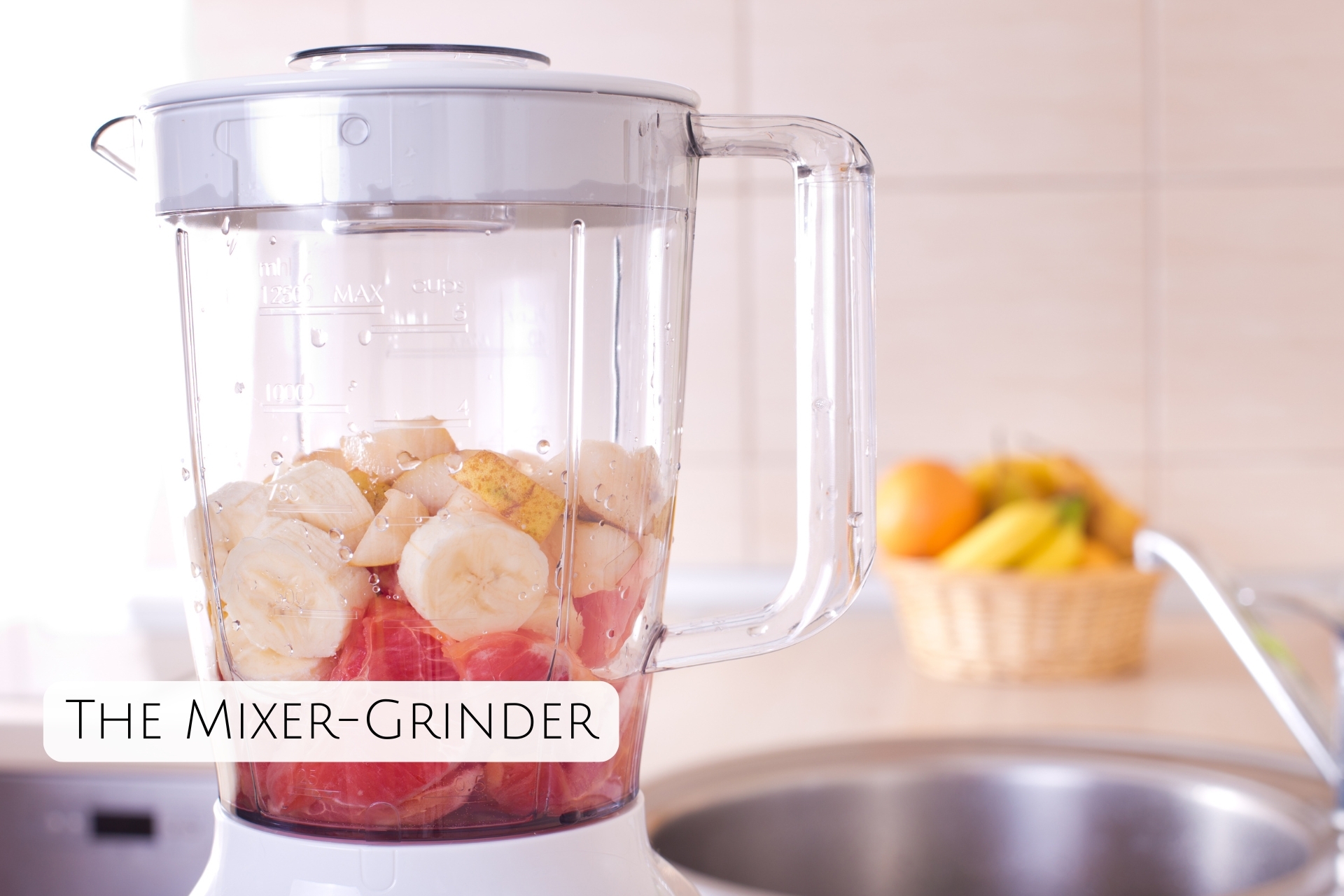
Wattage is the motor's rated power consumption — the electricity it pulls from your socket at full load. It is an input number, not an output number. Two motors can both draw 750 watts and grind very differently, because grinding performance depends on how efficiently that power converts into torque at the blade.
Torque is the rotational force that pushes blades through resistance — soaked urad dal, dry turmeric fingers, fibrous coconut. RPM is how fast the blades spin, and most Indian mixer grinders run between 18,000 and 22,000 RPM regardless of wattage. A high-wattage motor with poor winding quality can stall on a thick batter that a well-engineered lower-wattage motor powers through.
What actually determines grinding quality:
- Motor build — Copper-wound motors run cooler and last longer than aluminium-wound ones. This single spec predicts lifespan better than the wattage sticker does.
- Blade design and jar geometry — A jar that pulls ingredients back down into the blades grinds finer than a bigger motor pushing food up the walls. Flow breakers inside the jar matter more than 250 extra watts.
- Overload protection — A thermal cut-off switch saves the motor when you overfill the jar or grind too long. Its absence kills more mixer grinders than low wattage ever has.
- Certification — Look for the ISI mark (IS 4250 covers electric food mixers in India). It confirms the machine meets safety and performance standards — something wattage alone never tells you.
Why brands push bigger numbers?
Wattage is the easiest spec to print and the easiest to inflate in perception. Moving a shopper from a ₹3,000 machine to a ₹5,500 machine takes one convincing number, and "1000W" does that job beautifully. Torque curves and winding material don't fit on a shelf sticker.
WHERE A 1000W MACHINE GENUINELY EARNS ITS PRICE:
None of this means high wattage is a gimmick. It solves real problems — just not the problems most small households actually have. If you recognise yourself in the situations below, the bigger motor is money well spent.
Bulk dry masala grinding: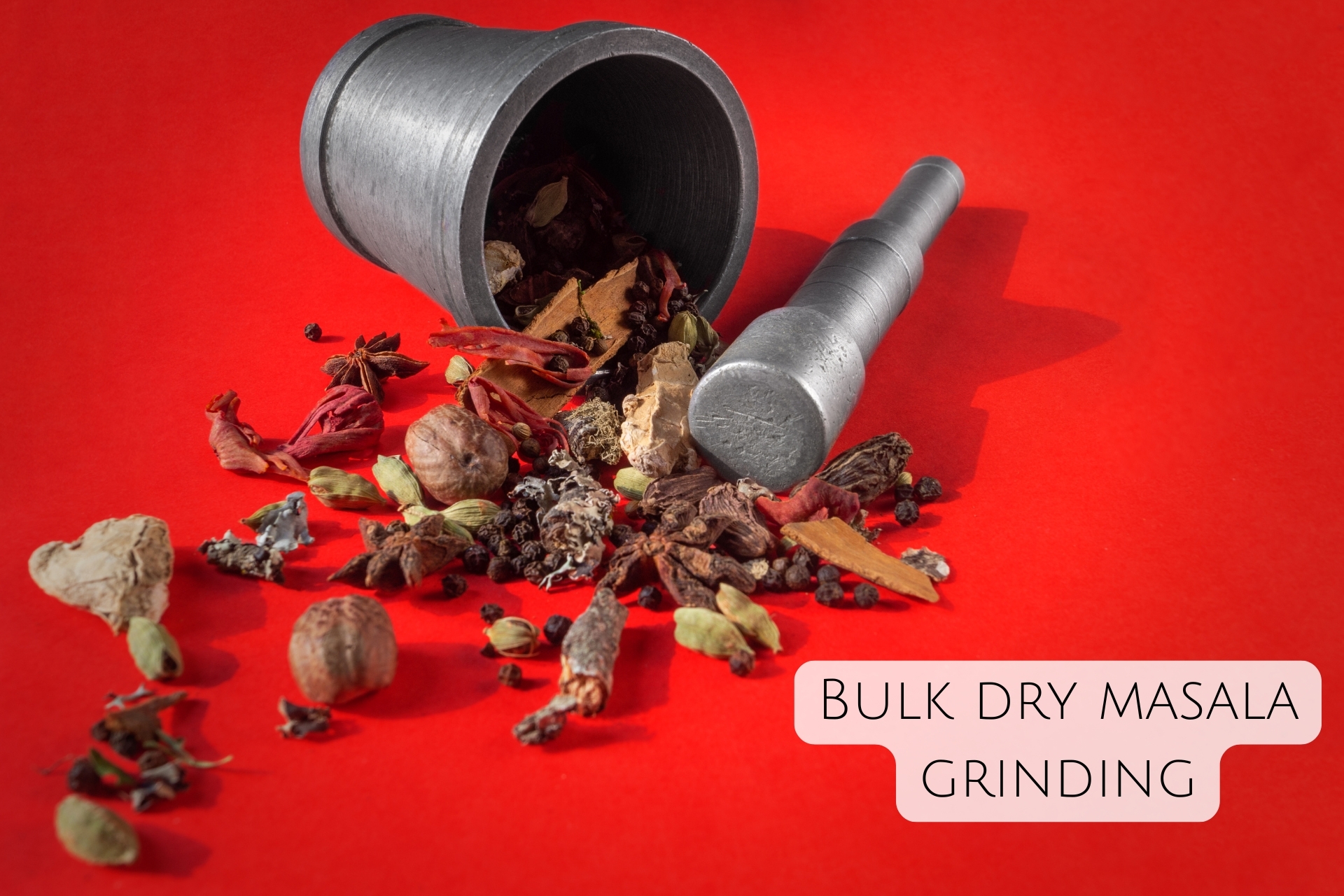
If you're wondering which mixer grinder is best for dry masala grinding in quantity — say, 500 grams of garam masala at once, or whole dried red chillies and coriander seed for a month's supply — this is where 1000W shines. Dry spices generate heat and resistance fast, and a stronger motor finishes the job before the jar warms up and the aroma compounds start cooking off.
Large batter volumes and joint families:
Grinding idli or dosa batter for eight people means bigger loads per batch and back-to-back runs. A 1000W motor tolerates that duty cycle with less heat build-up. For a joint family or a home that entertains every weekend, the headroom is genuinely useful rather than theoretical.
Tough, frequent loads:
Kneading atta in a food-processor attachment, grinding soaked rice daily, crushing turmeric or dry copra several times a week — repeated heavy loads are where extra power stops being a spec and starts being a service life extension. The motor works further from its limit, so it ages slower.
WHEN HIGHER WATTAGE QUIETLY WASTES YOUR MONEY:
Now the part the shelf sticker won't tell you. In a small household — a couple in a Hyderabad flat, a family of three in Vijayawada — the 1000W machine wastes money in three separate ways, and only one of them shows up on your electricity bill.
The upfront premium is the real leak:
The jump from a good 700–750W model to a comparable 1000W model typically costs ₹1,500 to ₹3,500 extra in the Indian market. If your heaviest weekly job is coconut chutney and a batch of sambar powder, that premium buys capability you will use a handful of times a year. That's not an investment; that's parked money.
The electricity math (smaller than you fear, still real):
Does a 1000 watt mixer grinder use more electricity? Yes — proportionally. Run it 30 minutes a day and it consumes about 15 units a month, against roughly 10.5 units for a 700W machine. At a typical domestic tariff of ₹6–8 per unit, the difference is ₹30–40 a month. Modest, but it flows one direction for the machine's entire life, and mixer grinders carry no BEE star label to flag it for you.
Oversized jars, undersized batches:
Higher-wattage models usually ship with bigger jars, and big jars grind small quantities badly. Fifty grams of ginger-garlic paste in a 1.5-litre jar spins around the blades instead of through them. Small households end up adding water they didn't want or grinding twice — the expensive machine delivering a worse everyday result.
Noise, heat, and counter space:
A 1000W motor is louder — often near 90 decibels at full tilt, roughly a pressure horn in your kitchen at 6 a.m. It's also heavier and bulkier, which matters in compact modular kitchens where the mixer lives on the counter. In India's humid coastal cities, a motor that runs hotter also stresses its insulation more between uses.
HOW TO CHOOSE THE RIGHT WATTAGE FOR YOUR HOUSEHOLD:
If you're searching for the best mixer grinder wattage for a small family, skip the spec-sheet staring contest and match the motor to your actual cooking pattern. Three questions settle it.
- Count your heaviest weekly job — Chutneys, purees, and 200–300g spice batches: 500–750W is comfortable. Weekly bulk batter or monthly bulk masala: consider 750W with good torque. Both, frequently, for 6+ people: that's 1000W territory.
- Check batter reality, not batter fear — Is a 750 watt mixer grinder enough for idli batter? For a family of four, yes — soak the urad dal properly, grind in two batches, and pulse rather than run continuously. Thousands of South Indian kitchens prove this every morning.
- Spend the premium on build, not watts — Given ₹2,000 extra, a copper-wound 750W machine with an overload protector, ISI mark, and a 5-year motor warranty beats a generic 1000W model on every measure that touches your food.
- Match jar sizes to portions — For two to four people, a 0.4L chutney jar and a 1–1.2L wet jar cover daily cooking. Jar fit affects your everyday grind quality more than the last 250 watts ever will.
- Mind the duty cycle — Any wattage motor needs rest — most are rated for around 30 minutes of continuous running. Overrunning a 1000W motor damages it just as surely as overloading a 700W one.
THREE REAL HOUSEHOLDS, THREE RIGHT ANSWERS:
Specs make more sense when you attach them to an actual kitchen. Here are three common Indian setups and the honest recommendation for each — no upselling, just the match between load and motor.
The couple in a 1BHK:
Two people, cooking twice a day. The workload is chutneys, ginger-garlic paste, tomato purée, and a 200g masala batch every few weeks. Batter gets made fortnightly, in modest quantities. A 500–750W machine with a small chutney jar is the sweet spot here. A 1000W model in this kitchen is a delivery van bought for a scooter's job — every rupee above ₹4,000 or so is buying silence from a doubt, not performance.
The family of four with weekend batter:
Daily masalas, school-tiffin chutneys, and a proper idli-dosa batter cycle every weekend. This is the classic 750W household. The motor handles 3:1 rice-to-urad batter in two relaxed batches, and the mid-size wet jar matches the portions. Spend on copper windings and a five-year motor warranty rather than the wattage jump; the machine will see near-daily use for a decade, so build quality compounds.
The joint family of eight:
Batter twice a week in large volumes, festival cooking in bulk, dry masala ground by the half-kilo. Here the 1000W motor is not a luxury — it is matched capacity. The duty cycle is heavy enough that the bigger motor runs cooler relative to its limit, jars fill properly instead of spinning half-empty, and the price premium amortises across genuinely more work. This household is who the 1000W machine was designed for.
HABITS THAT PROTECT ANY MOTOR (WHATEVER ITS WATTAGE):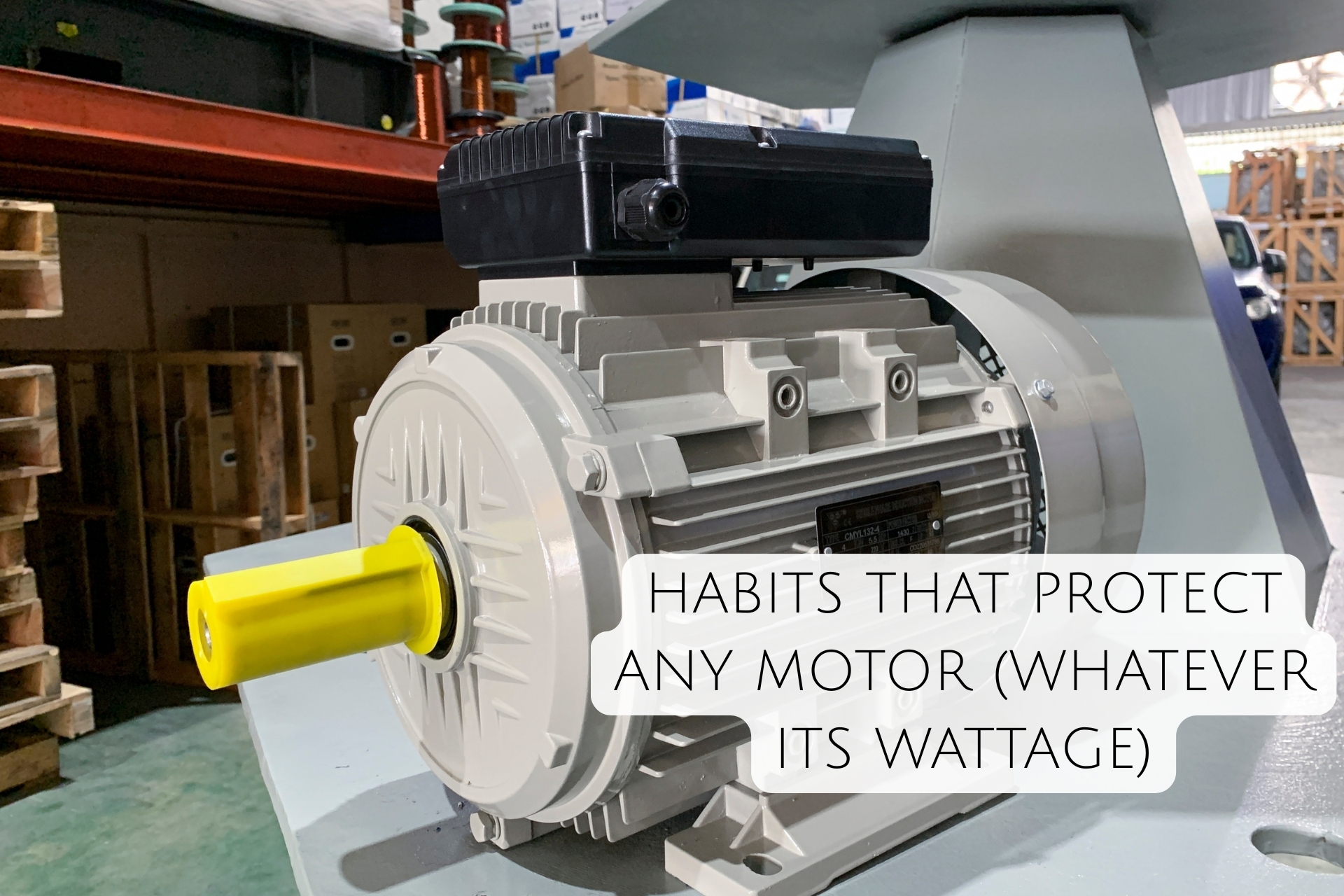
A surprising share of "underpowered" complaints trace back to usage habits, not the motor. These practices keep a 700W machine performing like new — and stop a 1000W machine from dying young.
- Pulse, don't marathon — Run the grinder in 30–60 second pulses with short gaps instead of one continuous stretch. Pulsing lets ingredients resettle onto the blades and keeps motor temperature down, which is doubly important through an Indian summer.
- Fill to the line, not the lid — Overfilling is the single most common cause of stalling and burnt-motor smell. Keep wet loads to about two-thirds of jar capacity and dry spices to half.
- Respect the rest period — After 25–30 minutes of cumulative grinding, give the motor 15–20 minutes off. Thermal cut-offs exist as a last resort, not a routine.
- Guard against voltage swings — In areas with noticeable fluctuation, an unstable supply stresses the winding insulation over time. If your lights flicker when the geyser kicks in, the mixer feels it too.
- Dry the gaskets and couplers — In humid coastal weather, moisture trapped under the jar coupler corrodes the drive over months. Thirty seconds of wiping after washing adds years.
A NOTE FROM OUR SHELF:
At Chimiya, we curate kitchen and home products for exactly this kind of decision — where the right answer depends on your household, not the biggest number on the box. When we shortlist grinders and kitchen appliances, we weigh motor build, jar design, warranty terms, and after-sales access in India ahead of headline wattage.
If you're comparing models, our product pages list rated power alongside jar capacities and warranty details side by side, so a two-person household isn't nudged into a joint-family machine. No pressure toward the pricier option — the goal is that the appliance you buy is the one your kitchen actually uses.
THE TAKEAWAY
The 700W vs 1000W mixer grinder question isn't really about power. It's about whether you're paying for headroom you'll use. Small household, everyday Indian cooking, occasional bulk jobs? A well-built 700–750W machine with copper windings and the right jars will outperform a cheap 1000W model and outlast your doubts.
Buy torque, build quality, and jar fit. Let someone else pay for the sticker.
Knowledge Hub

Do Garden Grow Bags Actually Work Better Than Pots?
You're scrolling through a gardening page, and there it is again — another post insisting grow bags...

Cast Iron, Stainless Steel & Non-Stick
Every Indian kitchen ends up with some combination of all three — a heavy iron kadhai from your gran...
Cast Iron vs Stainless Steel vs Non-Stick: When to Use Each
Every Indian kitchen ends up with some combination of all three — a heavy iron kadhai from your gran...

700W vs 1000W Mixer Grinder: What the Wattage Actually Buys You — and When It Doesn't
Stand in any appliance aisle in India and you'll see the same little ritual. Someone picks up a mixe...

7 Kitchen Gadgets Indians Actually Use Every Day
Open any Indian kitchen drawer and you'll find at least one appliance still in its box, bought durin...
Air Fryer vs OTG: Which One Makes More Sense for an Indian Kitchen?
Your mother-in-law swears by the OTG she's used for fifteen years. Your Instagram feed insists you n...