
Smart Homes Begin in the Kitchen: How Smart Appliances Are Transforming Indian Cooking
Introduction:
The evolution of technology has significantly transformed various aspects of everyday life, and the way we cook is no exception. The Indian kitchen is undergoing a revolutionary transformation. What was once a space defined by traditional brass utensils, clay pots, and manual cooking methods is now evolving into a technology-powered hub where artificial intelligence meets age-old culinary traditions. Smart kitchen appliances—from WiFi-enabled air fryers and AI-powered ovens to voice-controlled mixers and IoT-connected refrigerators—are no longer luxuries reserved for affluent urban homes; they are rapidly becoming essentials for millions of Indian households.
With India's smart kitchen appliances market projected to grow from USD 1.48 billion in 2025 to USD 4.42 billion by 2033 at a remarkable CAGR of 14.65%, the country stands at the forefront of a culinary technology revolution that promises to redefine how families cook, eat, and live. This article explores how smart home technology is reshaping Indian cooking by enhancing convenience, efficiency, and connectivity, ultimately creating a seamless blend of tradition and innovation in the heart of the home.
The Evolution of Smart Kitchen Technology in India:
The evolution of smart kitchen technology in India reflects a growing synergy between traditional cooking practices and modern innovation. Initially focused on basic functionality, smart appliances have rapidly advanced to include AI-powered features, app connectivity, and voice control. From internet-enabled refrigerators that monitor groceries to multi-cookers with preset regional recipes, these devices cater to the unique demands of Indian households. This progression not only simplifies complex cooking processes but also fosters energy efficiency and waste reduction. As adoption rises, manufacturers are increasingly tailoring their products to accommodate India’s diverse culinary habits, paving the way for a more intuitive and interactive kitchen environment that honors cultural heritage while embracing technological advancement.
Key Advantages of Smart Appliances for Indian Cooking:
Smart appliances offer transformative benefits specifically tailored to Indian cooking methods, lifestyles, and household dynamics:
-
Time Efficiency and Dual-Income Household Support:
Indian recipes are traditionally time-intensive, often requiring hours of slow cooking, careful temperature management, and frequent stirring. Smart pressure cookers, instant pots, and slow cookers automate these processes, reducing cooking time by 40-60% while maintaining flavor and nutritional quality. For dual-income professional households, this efficiency translates to more quality family time and less stress during meal preparation. A biryani that traditionally required 2 hours now cooks in 35-40 minutes in a smart pressure cooker, while the device automatically handles the complex venting sequences and pressure regulation.
-
Precision and Consistency:
Traditional Indian cooking relies heavily on intuition, experience, and sensory cues—techniques that take years to master. Smart appliances eliminate this learning curve by using temperature sensors, humidity monitors, and AI algorithms to deliver consistent results every single time. Smart ovens can bake perfect phulkas or rotis with uniform puffing; smart rice cookers deliver perfectly cooked grains without mushiness; smart dal cookers adjust heat based on the specific type of dal being cooked. This consistency is particularly valuable for new cooks, elderly family members, or anyone learning Indian cuisine.
-
Health-Conscious Cooking:
Rising awareness of health and nutrition has created demand for cooking methods that reduce oil consumption while maintaining traditional flavors. Air fryers have revolutionized how Indian families prepare snacks like samosas, pakoras, and mathri—delivering the crispiness of deep-fried versions with 80% less oil. Steam cookers have made preparing healthy idlis, dhokla, and momos more convenient. Smart induction cooktops allow precise temperature control, preventing the accidental charring or burning of dishes, while simultaneously reducing cooking oil usage by preventing excessive heating.
-
Remote Monitoring and Smart Scheduling:
Working professionals can now start cooking while commuting home using smartphone apps. A professional in Bangalore can preheat the oven before leaving the office, ensuring hot homemade sambar is ready upon arrival. Smart refrigerators send push notifications about expiring groceries, helping reduce food waste—a significant concern in Indian households where fresh produce often spoils. Slow cookers can be programmed to start at a specific time, ensuring dal is ready exactly when someone arrives home.
-
Energy Efficiency and Cost Savings:
Smart induction cooktops heat only the cookware, wasting no energy to the surrounding air—reducing electricity bills by 20-30% compared to traditional gas stoves. Smart refrigerators use sensors to adjust compressor activity based on door openings and ambient temperature, consuming 15-25% less electricity. Over a year, these savings compound significantly, particularly important in a price-sensitive market like India where utility costs directly impact household budgets.
-
Safety Features:
Multi-generational Indian households often have elderly members and young children in the kitchen. Smart appliances provide crucial safety features: automatic shutoff after cooking completes, preventing fires from forgotten stoves; cool-touch exteriors reducing burn risks; door locks on pressure cookers preventing accidental opening under pressure; and child safety locks on refrigerators and ovens. Real-time temperature and pressure monitoring ensures that cooking processes remain within safe parameters.
-
Preservation of Culinary Traditions:
Rather than replacing traditional cooking, smart appliances enable the preservation and transmission of cultural food practices. Grandmothers can program their favorite recipes into smart cookers, which can then be executed by younger family members with identical results, preserving family recipes in digital formats. Smart recipe apps include regional Indian recipes, ensuring that traditional foods from various states remain accessible to diaspora communities and younger generations who might otherwise lose connection to these culinary heritages.
-
Reduced Mental Load:
Running an Indian household involves juggling countless responsibilities—meal planning, grocery shopping, cooking, cleanup. Smart appliances reduce cognitive load by handling cooking automatically, eliminating the need to mentally track cooking times or adjust heat levels. This psychological benefit, particularly for homemakers managing complex multi-dish meals, translates to reduced stress and better mental wellness.
Popular Smart Kitchen Devices: Features and Benefits:
1. Smart Pressure Cookers: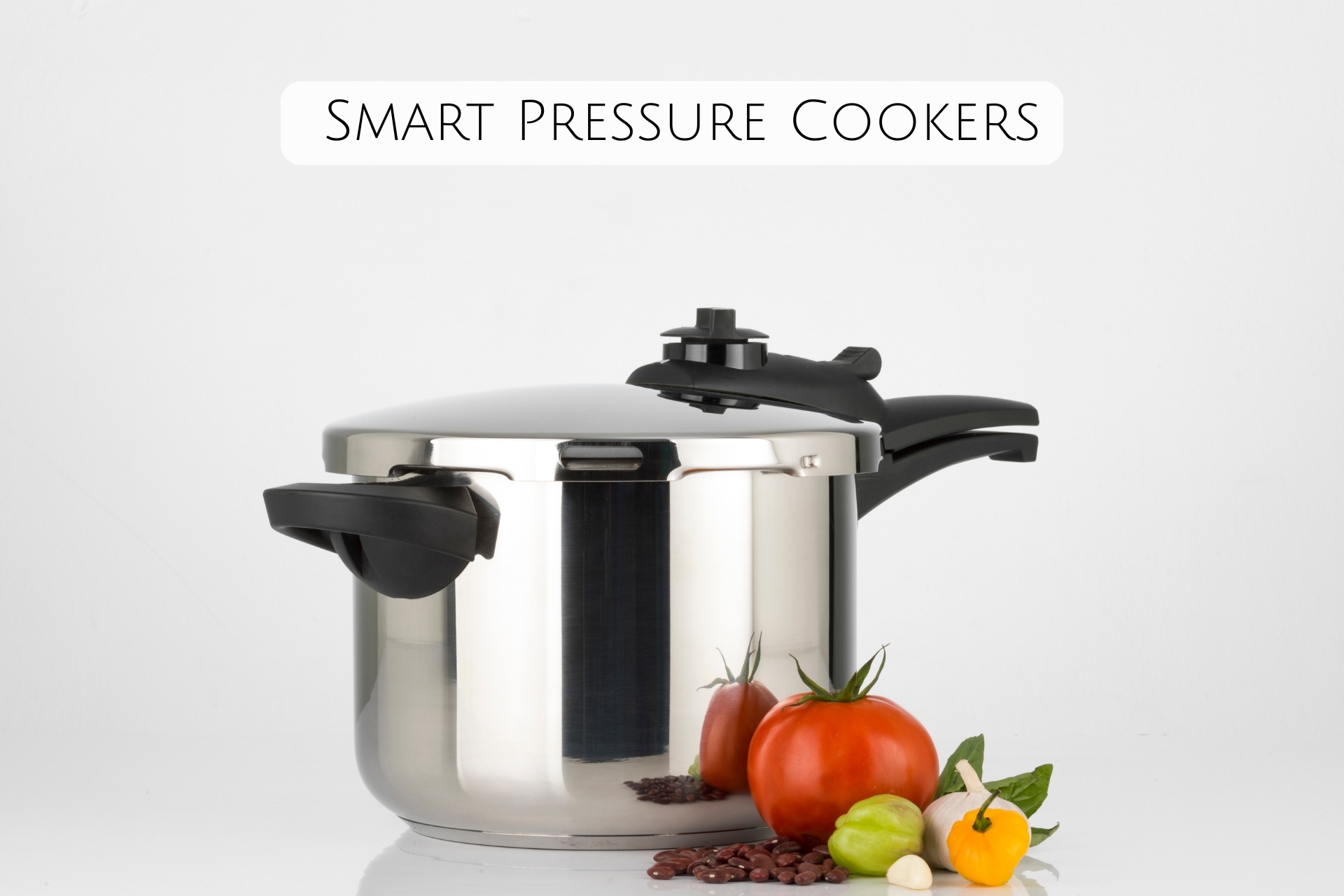
The modern Indian pressure cooker has evolved from a simple pot into an intelligent cooking companion. Premium models like the Prestige Smart Deluxe and Butterfly Smart Cooker feature WiFi and Bluetooth connectivity, allowing remote monitoring via smartphone apps. Key features include: multiple pre-programmed recipes specific to Indian dishes (dal, biryani, beans, meat curry); automatic pressure adjustment based on altitude; slow cook modes for precise temperature control; and safety certifications exceeding international standards. Benefits include consistency in traditionally finicky recipes like biryani, elimination of the need to watch the cooker, and reduced risk of overcooking or burning food.
2. Smart Ovens: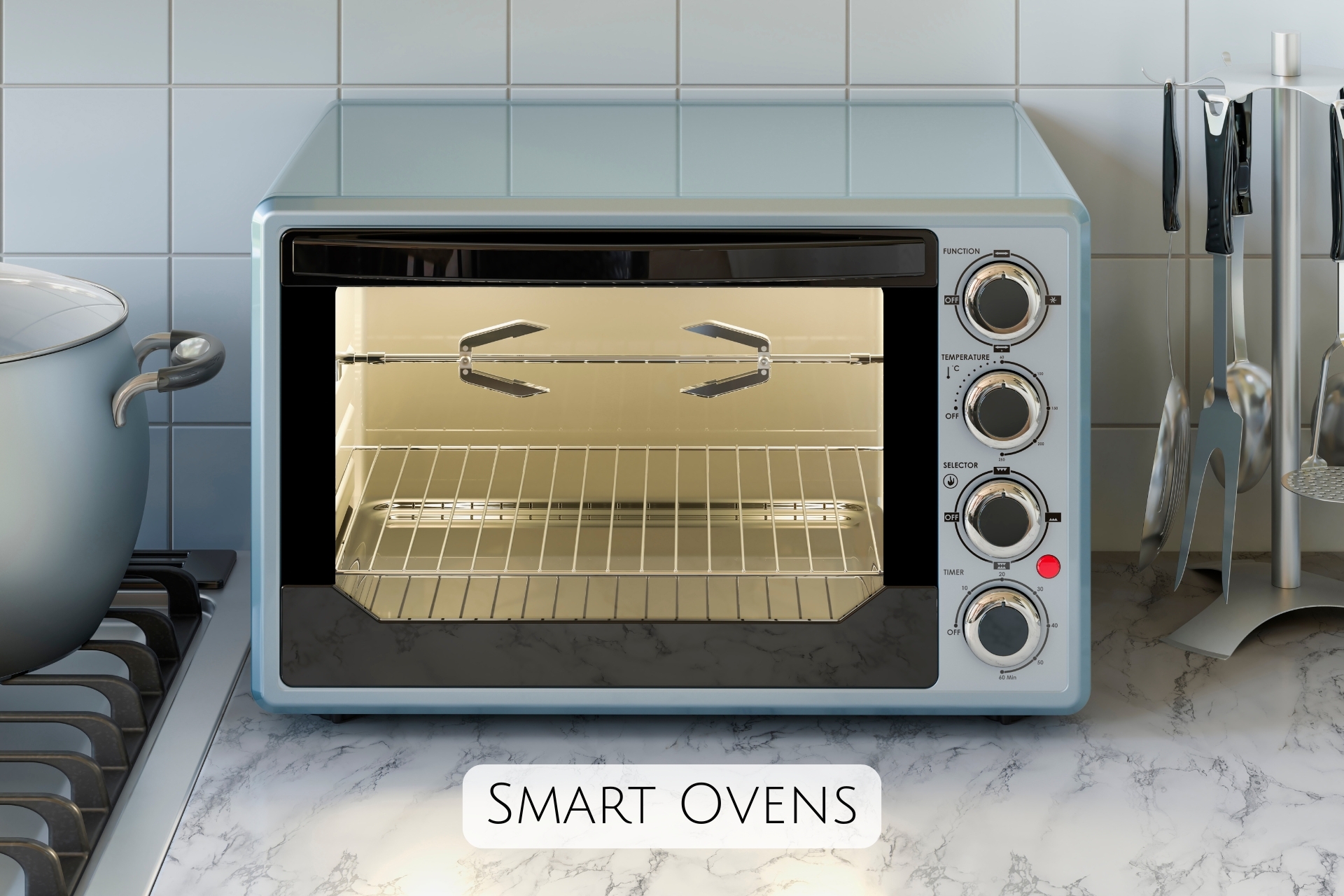
Electric ovens have become increasingly popular in Indian kitchens for baking breads like naan, kulcha, and tandoori preparations. Smart ovens from IFB and Godrej now include: WiFi connectivity for remote temperature monitoring; pre-programmed settings for Indian breads with automatic timing; convection and microwave modes for versatile cooking; and glass doors with interior lighting for visual monitoring. Benefits include perfect naan every time, ability to prepare tandoori dishes without a traditional tandoor, and versatility for both Indian and Western baking.
3. Smart Air Fryers: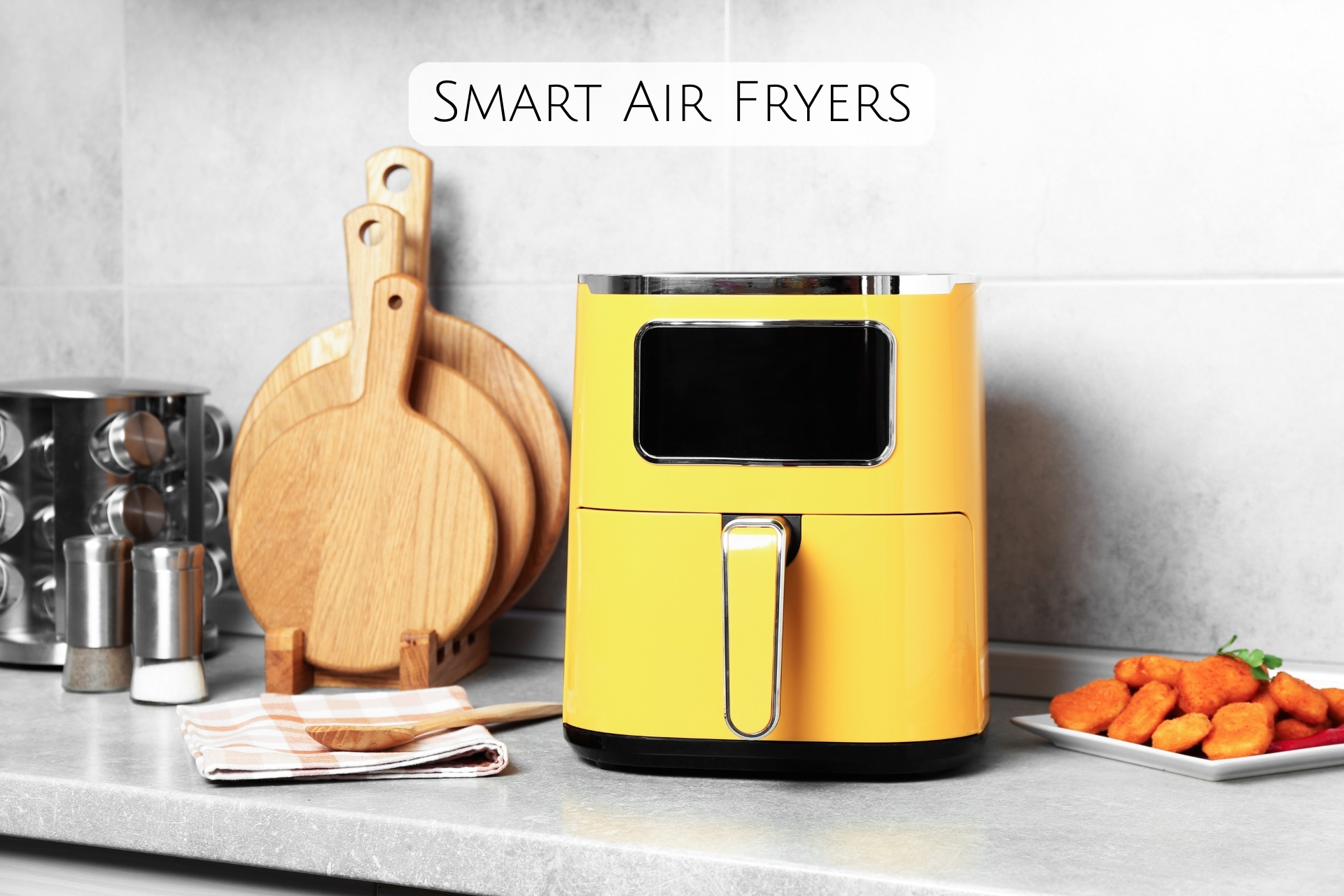
Air fryers have revolutionized snack preparation in Indian kitchens. Smart models from Philips and Bajaj feature: app-based recipe suggestions with nutritional information; preset temperatures and times for popular Indian snacks; temperature precision for consistent crispiness; and oil-free or minimal-oil cooking capabilities. Benefits include healthier versions of beloved snacks like samosas and pakoras, faster cooking compared to deep frying, and reduced oil usage translating to health and cost benefits.
4. Smart Coffee and Tea Makers:
For the morning ritual, smart coffee makers and electric kettles with temperature control offer: WiFi connectivity to start brewing remotely; precise temperature maintenance for different tea types; and app-based programming for daily schedules. Benefits include waking up to fresh coffee or tea, optimized extraction for different brewing methods, and programmable routines for busy mornings.
Challenges of Adopting Smart Appliances in Indian Households:
Despite their advantages, the adoption of smart kitchen appliances in India faces notable challenges. High initial costs can deter many households from investing in these technologies. Limited awareness and digital literacy, especially in rural areas, restrict effective usage and integration. Additionally, inconsistent internet connectivity hampers seamless operation of app-controlled devices. Cultural preferences also play a role, as many Indian cooks value traditional methods and may be hesitant to trust automated settings. Addressing these issues requires manufacturers to focus on affordability, user-friendly interfaces, and localized support to encourage widespread acceptance of smart kitchen innovations across diverse Indian demographics.
How Chimiya Can Transform Your Kitchen and Lifestyle:
Chimiya brings the smart kitchen revolution directly to your doorstep with a carefully curated collection of innovative home and kitchen products designed to elevate everyday cooking experiences. From versatile small appliances like the 10-in-1 Automatic Nut Milk Maker with 20 blades that creates fresh almond, cashew, coconut, and oat milk at the touch of a button, to the 5-in-1 Electric Knife Sharpener with LCD screen and diamond abrasives for professional-grade blade maintenance, Chimiya offers tools that blend cutting-edge technology with practical functionality. The store's extensive Home & Kitchen category features everything from electrical equipment and flatware to kitchen gadgets and small appliances that simplify meal preparation while adding style to your culinary space.
Whether you need a portable USB-rechargeable 6-blade juicer blender for on-the-go smoothies, precision garnishing sets for restaurant-quality presentations, or the revolutionary Zwilling Enfinigy Milk Frother that creates barista-level velvety foam for your morning coffee, Chimiya delivers quality products with free shipping across India. By shopping at Chimiya, you're not just upgrading your kitchen—you're investing in a smarter, more efficient, and more enjoyable lifestyle where technology serves tradition, making every meal a celebration of innovation and taste.
Conclusion:
Embracing smart appliances in Indian kitchens heralds a new era of culinary innovation and convenience. These technologies not only streamline cooking processes but also preserve the rich heritage of Indian cuisine by offering precise control and efficiency. As families gradually adapt, the integration of smart devices fosters healthier, faster, and more enjoyable meal preparation. By thoughtfully combining tradition with technology, smart kitchens empower home chefs to experiment and elevate everyday cooking. Ultimately, investing in smart appliances represents a forward-thinking commitment to enhancing lifestyle quality, sustainability, and culinary creativity in Indian households. The future of cooking is undoubtedly smart, and its possibilities are both exciting and transformative.
Knowledge Hub

Smart Homes Begin in the Kitchen: How Smart Appliances Are Transforming Indian Cooking
Introduction: The evolution of technology has significantly transformed various aspects of everyday...


Your Kitchen Deserves an Upgrade: Must-Have Kitchen Gadgets for Modern Cooks
Introduction: Upgrading your kitchen with new gadgets can turn routine meals into creative adventur...

The Future of Outdoor Recreation: Smart Tools and Gadgets
Outdoor recreation has long been an integral part of human culture, offering opportunities to connec...

The Digital Home: Organizing Your Virtual Space for a Stress-Free Life
In today’s world, much of our lives happen in the digital realm. We manage work, personal tasks, and...

The Importance of Regular Maintenance: How It Affects Replacement Parts Longevity
In the world of machinery, appliances, and vehicles, the longevity of equipment largely depends on h...