
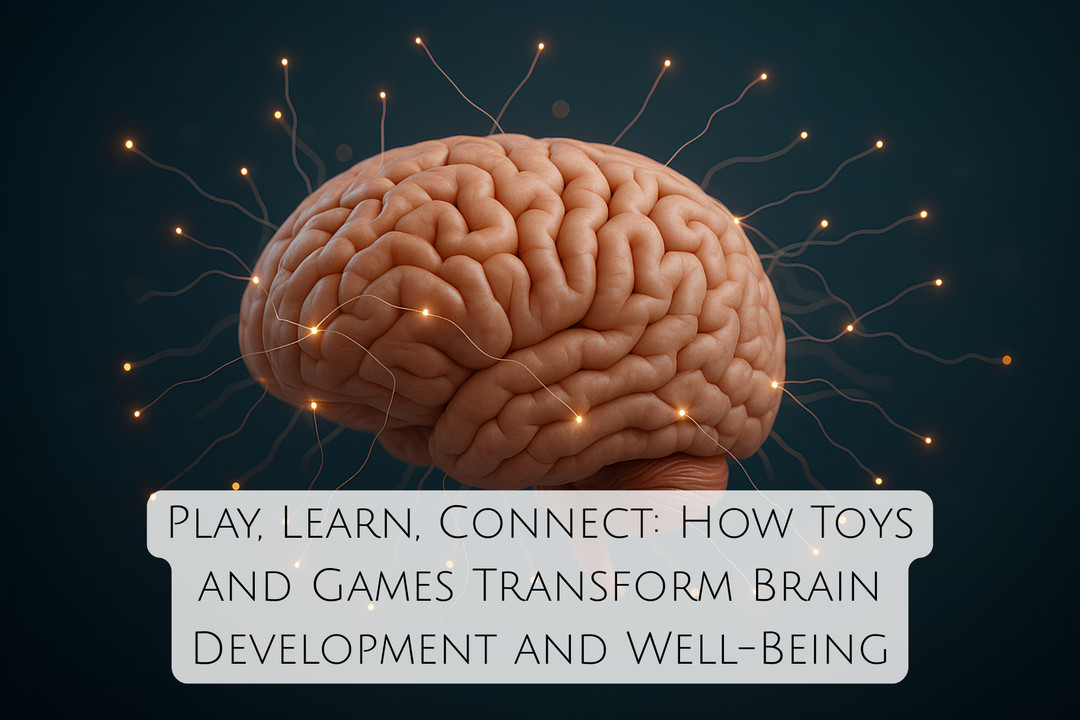
Play, Learn, Connect: How Toys and Games Transform Brain Development and Well-Being
Introduction:
Play is crucial at every stage of life. It is fundamental to human development, well-being, and connection. Yet in an era dominated by screens, productivity metrics, and constant busyness, the profound importance of toys and games is often overlooked or dismissed as merely recreational indulgence. The reality, backed by decades of scientific research, reveals that thoughtfully designed toys for children build neural pathways essential for learning, creativity, and resilience, while strategic games for adults maintain cognitive health, alleviate stress, and foster genuine human connection. This blog explores how play influences brain growth, supports emotional health, and fosters meaningful interactions, highlighting the transformative role of toys and games in nurturing a child’s developmental journey.
The Science Behind Play: Why Toys and Games Build Better Brains: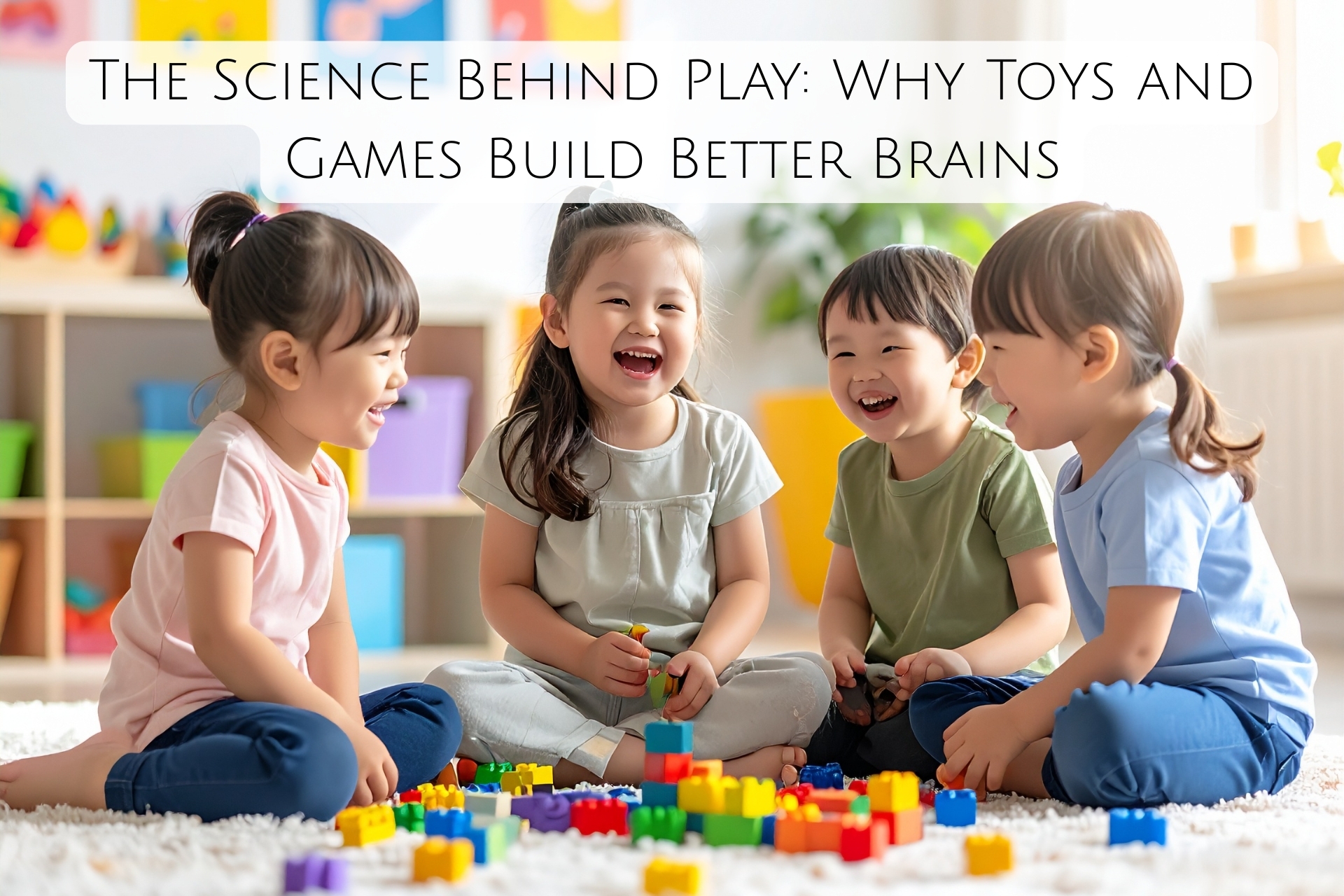
The human brain is fundamentally shaped by play. From infancy through adulthood, engagement with toys and games stimulates neural development, builds neural connections, and activates learning pathways that passive activities cannot replicate.
Early Childhood Development (Ages 0-5):
Sensory-rich toys—mirrors, rings, rattles, and textured objects—stimulate visual development, hand-eye coordination, and fine motor skills in infants and toddlers. Shape-sorting toys and simple puzzles teach spatial reasoning, problem-solving, and cause-and-effect understanding. By age 3, blocks and construction toys activate spatial intelligence, mathematical thinking, and planning abilities.
Research from the National Association for the Education of Young Children demonstrates that hands-on learning with toys enhances comprehension of complex concepts by 75% more than traditional instruction methods. A child building with blocks is simultaneously learning geometry, physics, structural engineering, and failure recovery—skills that transfer across disciplines.
School-Age Development (Ages 6-12):
STEM toys—building kits, coding robots, engineering sets, and science experiments—boost cognitive skills by up to 67% compared to passive learning, according to the American Society for Engineering Education. These toys develop critical thinking, logical reasoning, and problem-solving abilities essential for academic success and life-long learning.
Strategic games like chess, Sudoku, and puzzles activate the prefrontal cortex, the brain region responsible for planning, analysis, and decision-making. Regular chess players demonstrate measurably higher IQ scores and superior academic performance across subjects.
Neurological Impact:
When children engage with toys and games, multiple brain systems activate simultaneously:
- Prefrontal cortex: Strategic thinking, planning, impulse control
- Parietal lobe: Spatial reasoning, mathematics, coordination
- Temporal lobe: Memory consolidation, language learning
- Limbic system: Emotional regulation, social bonding
- Motor cortex: Fine and gross motor skill development
How Play Facilitates Social Connections and Communication Skills: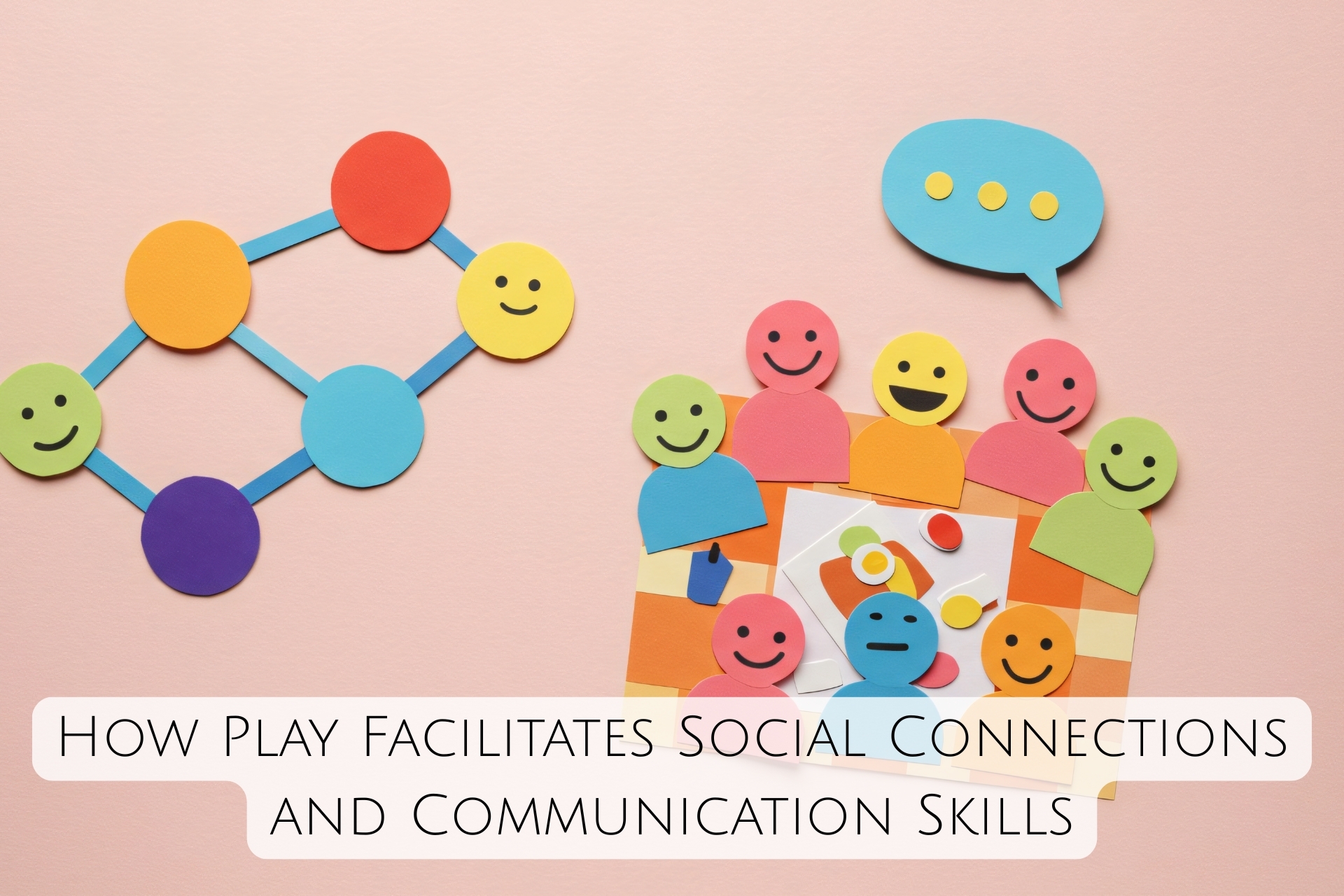
Play provides a natural context for children to develop vital social skills and effective communication. Through interactive games and group activities, children learn to negotiate, cooperate, and resolve conflicts, fostering collaboration and empathy. Role-playing scenarios enable them to practice language skills, interpret social cues, and understand diverse perspectives. These interactions enhance verbal and nonverbal communication competencies, critical for building relationships and functioning in social environments. By encouraging peer engagement and shared experiences, play promotes a sense of belonging and community, ultimately contributing to improved social well-being and confidence that extends beyond childhood into adulthood.
Educational Toys: Building Cognitive Foundations Through Strategic Play: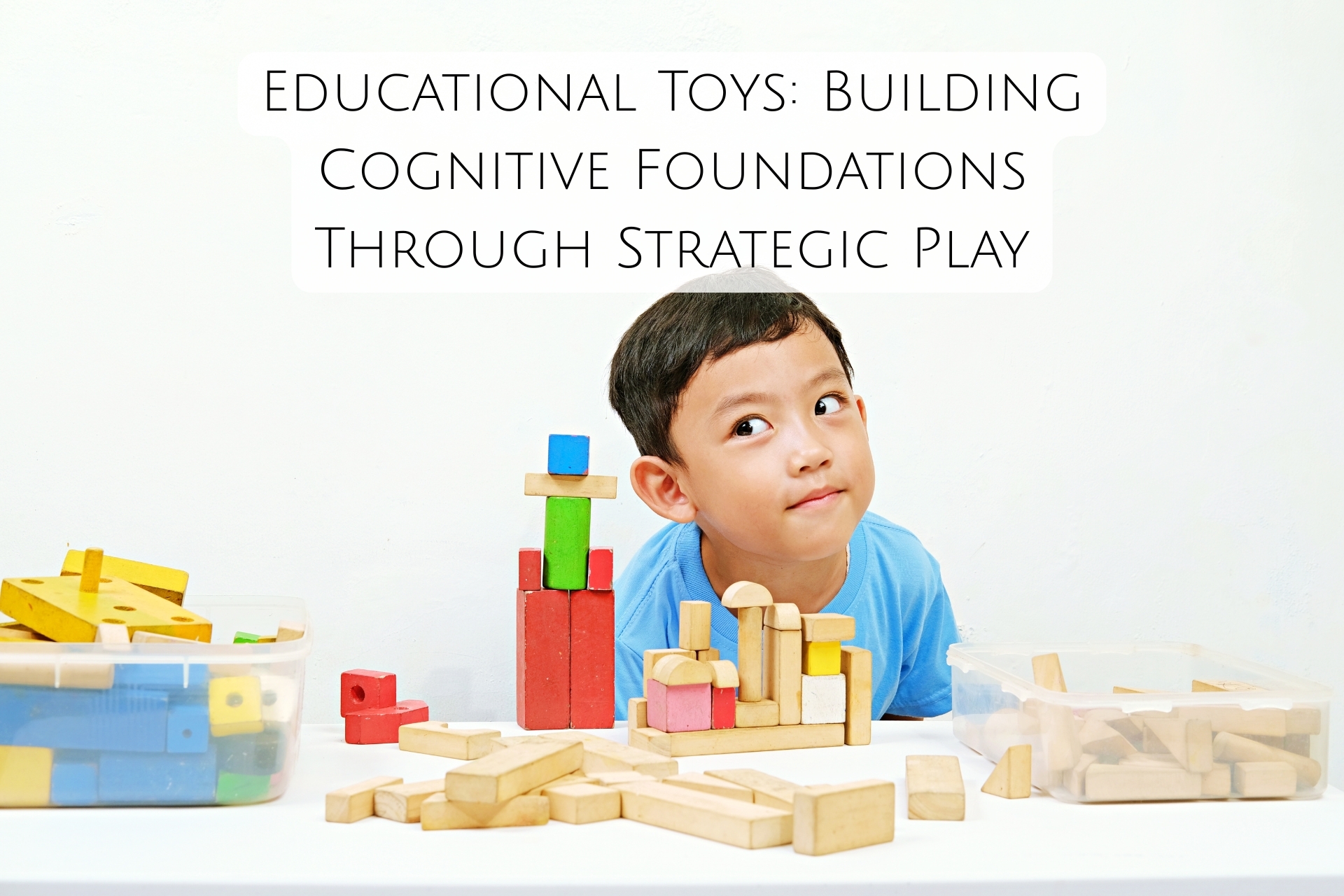
Modern educational toys represent a sophisticated fusion of developmental psychology, learning science, and engaging design, creating tools that educate while delighting.
STEM Toys: The Foundation of 21st-Century Skills
STEM toys introduce scientific thinking, technological literacy, engineering principles, and mathematical reasoning through hands-on experimentation rather than abstract instruction. A child building a coding robot is simultaneously learning programming logic, mechanical principles, and problem-solving strategies.
Key benefits of STEM toys:
- Problem-Solving: Children encounter challenges requiring creative solutions, learning resilience through trial-and-error
- Collaboration: Many STEM kits encourage group play, developing communication and teamwork skills
- Creativity: Open-ended STEM toys encourage innovation, enabling children to invent novel solutions
- Technological Literacy: Early exposure builds comfort with technology, preparing children for tech-dependent futures
- Hands-On Learning: Tactile engagement with physical materials deepens understanding compared to screen-based learning
Brain-Development Games: Cognitive Training Through Play:
Strategic games optimize specific cognitive domains
- Chess: Develops logical thinking, mathematical reasoning, planning ability; chess players show 15% lower dementia risk
- Puzzles: Build spatial intelligence, problem-solving patience, and fine motor coordination
- Sudoku/Crosswords: Enhance mathematical thinking, analytical reasoning, vocabulary, and concentration
- Rubik's Cube: Develops three-dimensional spatial thinking and strategic problem-solving
- Memory Games: Strengthen memory retention and cognitive flexibility
Research demonstrates that children aged 8-14 playing board games twice weekly for 6 months show 42% improvement in communication skills and 37% boost in family satisfaction.
Key Developmental Milestones Supported by Interactive Play: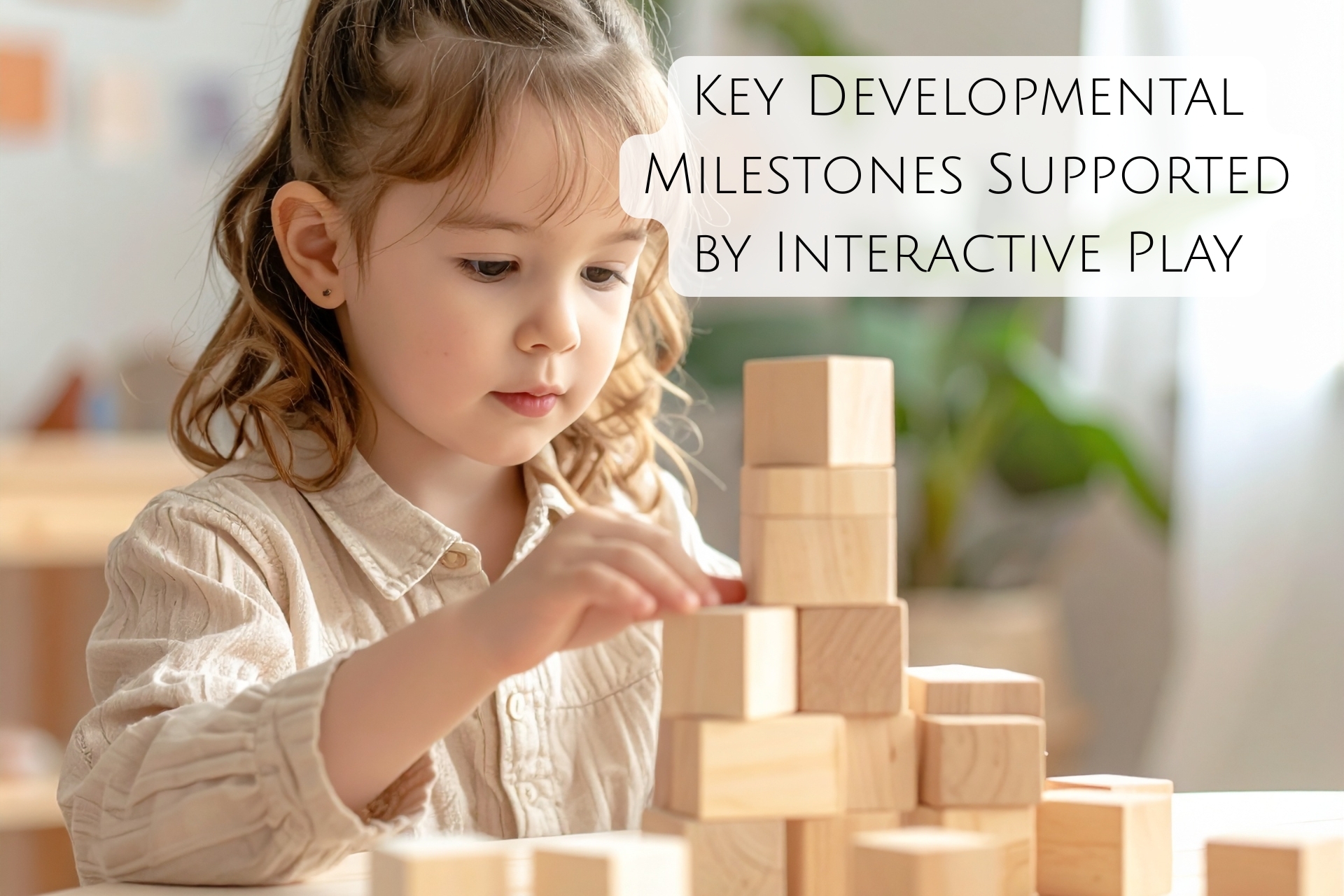
Interactive play is instrumental in supporting key developmental milestones across cognitive, motor, and emotional domains. For infants and toddlers, activities like stacking blocks and simple puzzles enhance fine motor skills and hand-eye coordination. Preschool-aged children benefit from imaginative play and problem-solving games that boost creativity, memory, and executive functioning. School-aged children develop critical thinking and strategic planning through complex board games and cooperative challenges. Furthermore, interactive play nurtures emotional regulation by providing safe environments to express feelings and practice self-control. Understanding these milestones underscores the vital role toys and games play in scaffolding healthy brain development and overall well-being throughout childhood.
Implementing Effective Strategies for Incorporating Play into Daily Routines:
Incorporating play into daily routines requires intentional planning to maximize developmental benefits. Start by designating specific times for unstructured and guided play, balancing both to foster creativity and skill-building. Select age-appropriate toys that challenge the child without causing frustration, aligning with their current developmental stage. Encourage interactive play with peers or caregivers to promote social skills and emotional growth. Integrate play seamlessly into everyday activities—for example, using cooking to teach math concepts or storytelling to enhance language skills. Finally, model enthusiasm and engagement to demonstrate the value of play, creating a positive environment that motivates consistent participation. Implementing these strategies ensures that play becomes a cornerstone of healthy development and well-being.
How Chimiya Empowers Play, Learning, and Connection Across All Ages:
Chimiya brings transformative play experiences to every household through a thoughtfully curated collection of educational toys, strategic board games, and engaging activities designed to inspire learning, creativity, and meaningful connection. From scientifically-backed STEM kits featuring coding robots, engineering sets, and interactive science experiments that build 21st-century skills, to timeless board games like chess sets, Rubik's cubes, and strategy games that enhance cognitive function and family bonding, Chimiya offers everything needed to create intentional play environments.
The store's extensive Toys & Games category includes age-appropriate puzzles and brain-development games for every developmental stage, sustainable eco-friendly toys made from FSC-certified wood and recycled materials, and adult gaming collections addressing mental wellness, stress relief, and social connection. Whether you're seeking educational toys for young children, strategic games for adolescents and teens, or serious games supporting mental health and cognitive maintenance for adults, Chimiya delivers premium-quality products with free shipping across India. By shopping at Chimiya, you're not simply purchasing toys and games—you're investing in a comprehensive ecosystem of play that supports optimal development, builds resilient brains, strengthens family relationships, and creates a lifetime of learning, wellness, and joy through intentional engagement with thoughtfully designed play experiences.
Conclusion:
Toys and games are far more than mere entertainment – they are powerful tools for growth, learning, and well-being at every age. In children, play builds bodies and brains, teaches problem-solving, and develops social skills. In adults, play reduces stress, keeps the mind sharp, and strengthens connections with others. By incorporating games, puzzles, and creative toys into daily routines, families and individuals can enjoy these lasting benefits. Chimiya’s Toys & Games catalog provides many ways to add play into your life: with educational STEM kits, family board games, and creative gadgets, you can choose fun that also enriches your life. Embracing play through Chimiya can improve learning outcomes and bring more joy and connection into everyday life.
Knowledge Hub
Play, Learn, Connect: How Toys and Games Transform Brain Development and Well-Being
Introduction: Play is crucial at every stage of life. It is fundamental to human development, well-...

Smart Homes Begin in the Kitchen: How Smart Appliances Are Transforming Indian Cooking
Introduction: The evolution of technology has significantly transformed various aspects of everyday...

The Science of Outdoor Play: Why Outdoor Activity Matters for Child Wellbeing
Introduction: In an era where screens dominate childhood experiences—tablets replacing building bloc...

Your Kitchen Deserves an Upgrade: Must-Have Kitchen Gadgets for Modern Cooks
Introduction: Upgrading your kitchen with new gadgets can turn routine meals into creative adventur...

The Future of Outdoor Recreation: Smart Tools and Gadgets
Outdoor recreation has long been an integral part of human culture, offering opportunities to connec...

The Digital Home: Organizing Your Virtual Space for a Stress-Free Life
In today’s world, much of our lives happen in the digital realm. We manage work, personal tasks, and...