
The Science of Watering: Understanding Soil Moisture Levels and Choosing the Right Equipment
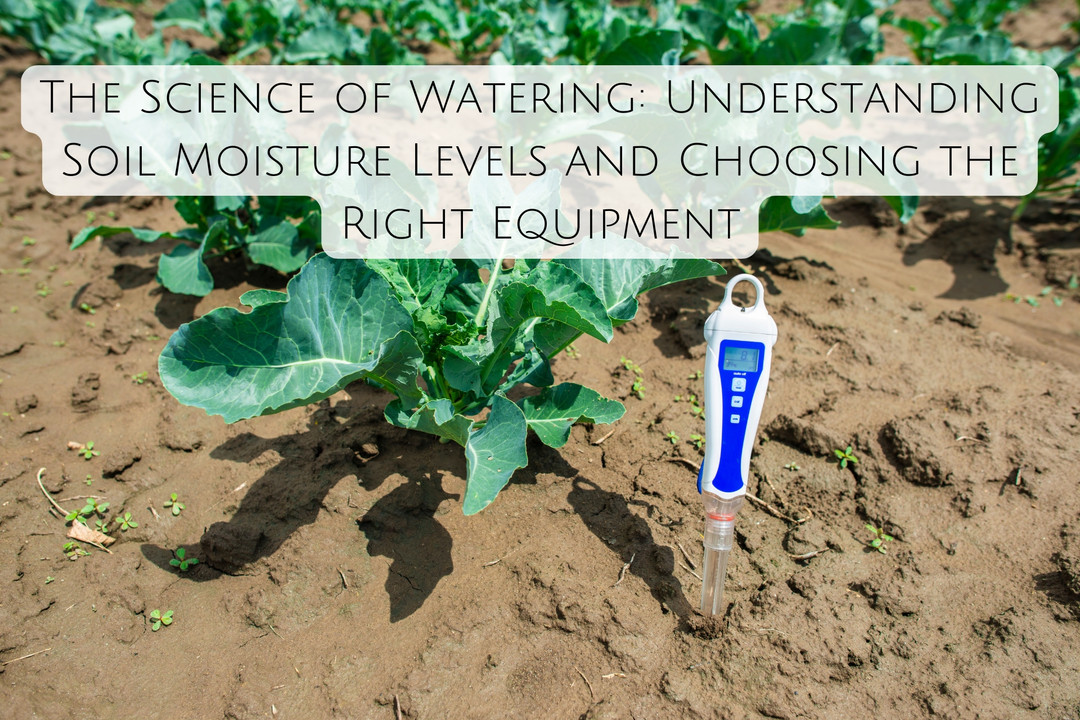
Proper watering is essential for any thriving garden, but it’s more complex than simply pouring water on plants. Understanding soil moisture levels and using the right watering equipment can mean the difference between lush, healthy plants and a garden struggling with root rot, nutrient deficiency, or dehydration. Here’s a deep dive into the science of watering, soil moisture monitoring, and selecting the best tools for the job.
Why Soil Moisture Matters: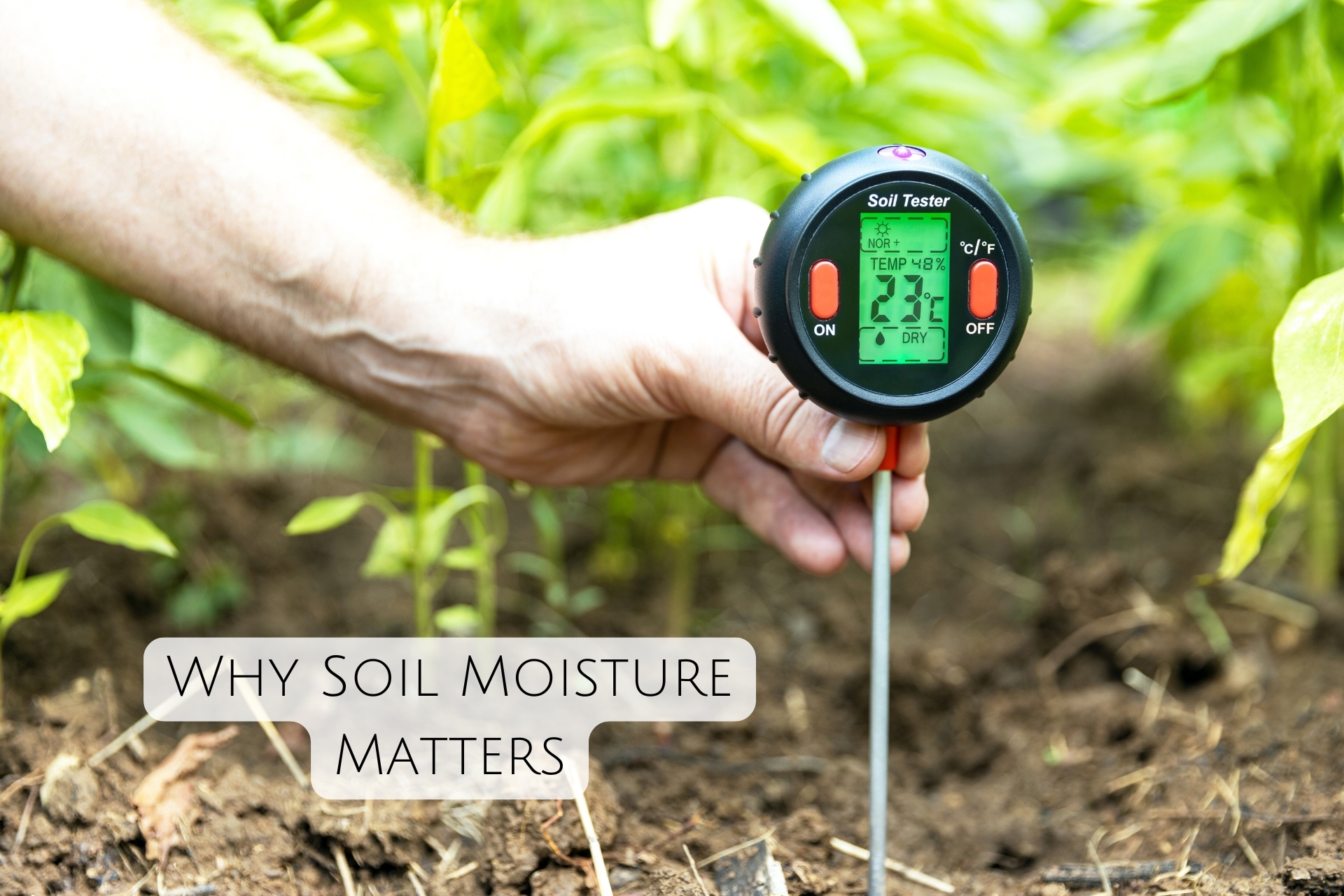
Soil moisture is the water present within soil particles, which plants absorb through their roots. Achieving the right moisture balance is essential because it directly influences root health, nutrient availability, and overall plant growth. Here are the main reasons soil moisture is so crucial:
- Roots Need Air and Water: Soil that’s too wet restricts airflow, leading to root rot, while soil that’s too dry dehydrates roots, limiting nutrient uptake.
- Nutrient Delivery: Plants absorb nutrients dissolved in soil water. If the soil is too dry, nutrient intake is reduced, and if it’s too wet, essential nutrients can wash away.
- Promotes Plant Health and Resilience: A well-watered plant is healthier, more resistant to disease, and better able to withstand environmental stressors like temperature fluctuations.
Determining Soil Moisture Levels: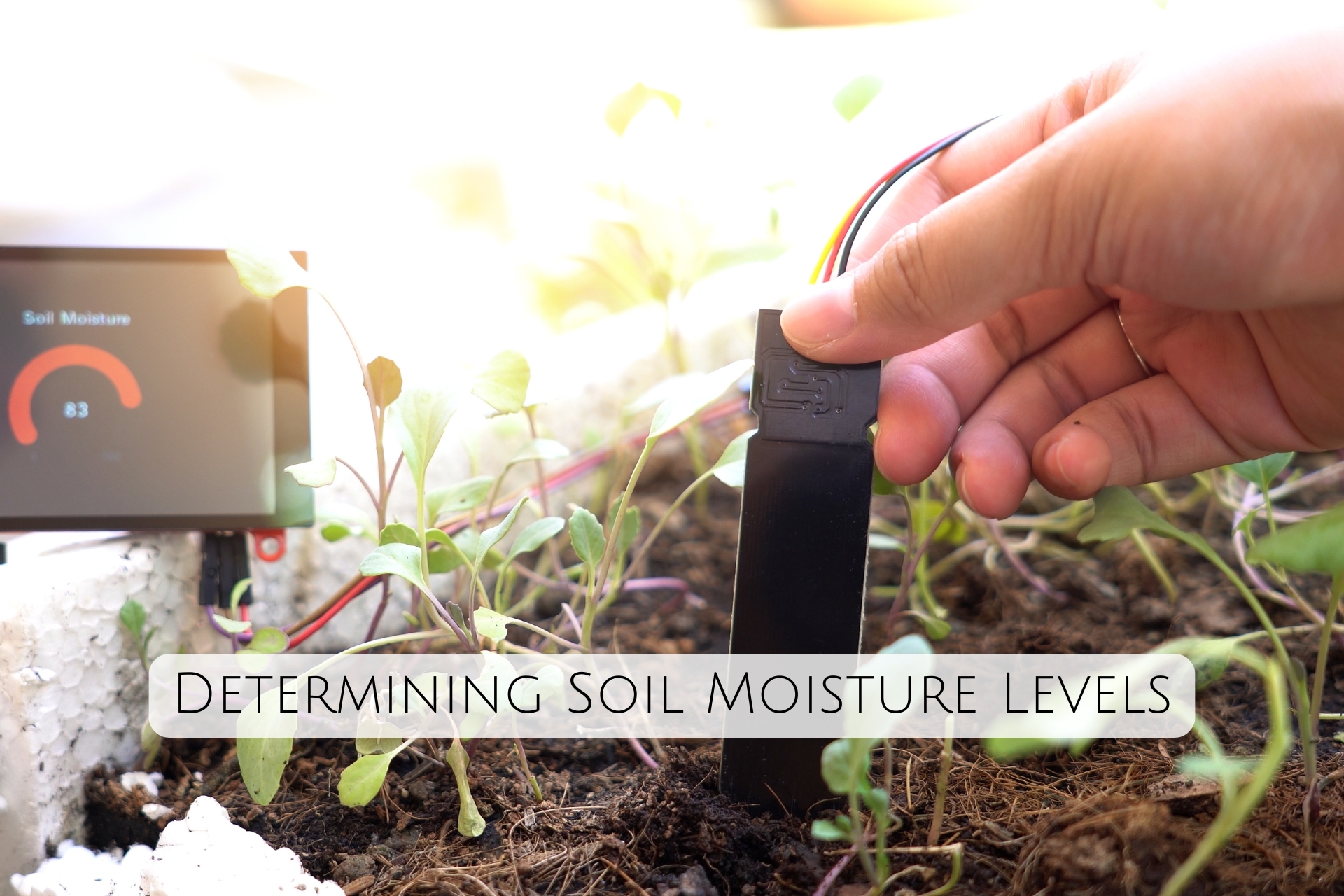
Before watering, it’s essential to assess your soil's current moisture level to avoid over or under-watering. Here are a few reliable ways to check moisture levels in your garden:
1. The Finger Test:
A simple yet effective method, the finger test involves inserting your finger about an inch into the soil to gauge its moisture. If it feels dry, it’s time to water; if it’s damp, hold off. This method works well for houseplants and small garden beds but can be inaccurate in large garden spaces.
2. Soil Moisture Meters:
Soil moisture meters offer a more accurate reading by providing precise moisture levels at different soil depths. Most meters feature probes you insert into the ground, delivering a digital or analog reading indicating the moisture level. Meters can be particularly helpful for larger gardens or potted plants, allowing for a consistent watering approach.
- Tip: When choosing a moisture meter, look for one with multi-depth probes to measure moisture levels at various root depths.
3. Tensiometers:
For serious gardeners, tensiometers are a valuable investment. These devices measure soil moisture tension—the effort required by plant roots to absorb water. They provide a more scientific measure of moisture content, making them ideal for moisture-sensitive plants like vegetables or flowers that require precise care.
4. Gravimetric Method:
For those who want an ultra-precise measurement, the gravimetric method involves weighing a soil sample before and after drying it in an oven. While this technique is often used in research, it can be helpful for those who want to study moisture levels deeply and understand their soil’s water retention characteristics.
How to Interpret Soil Moisture Levels: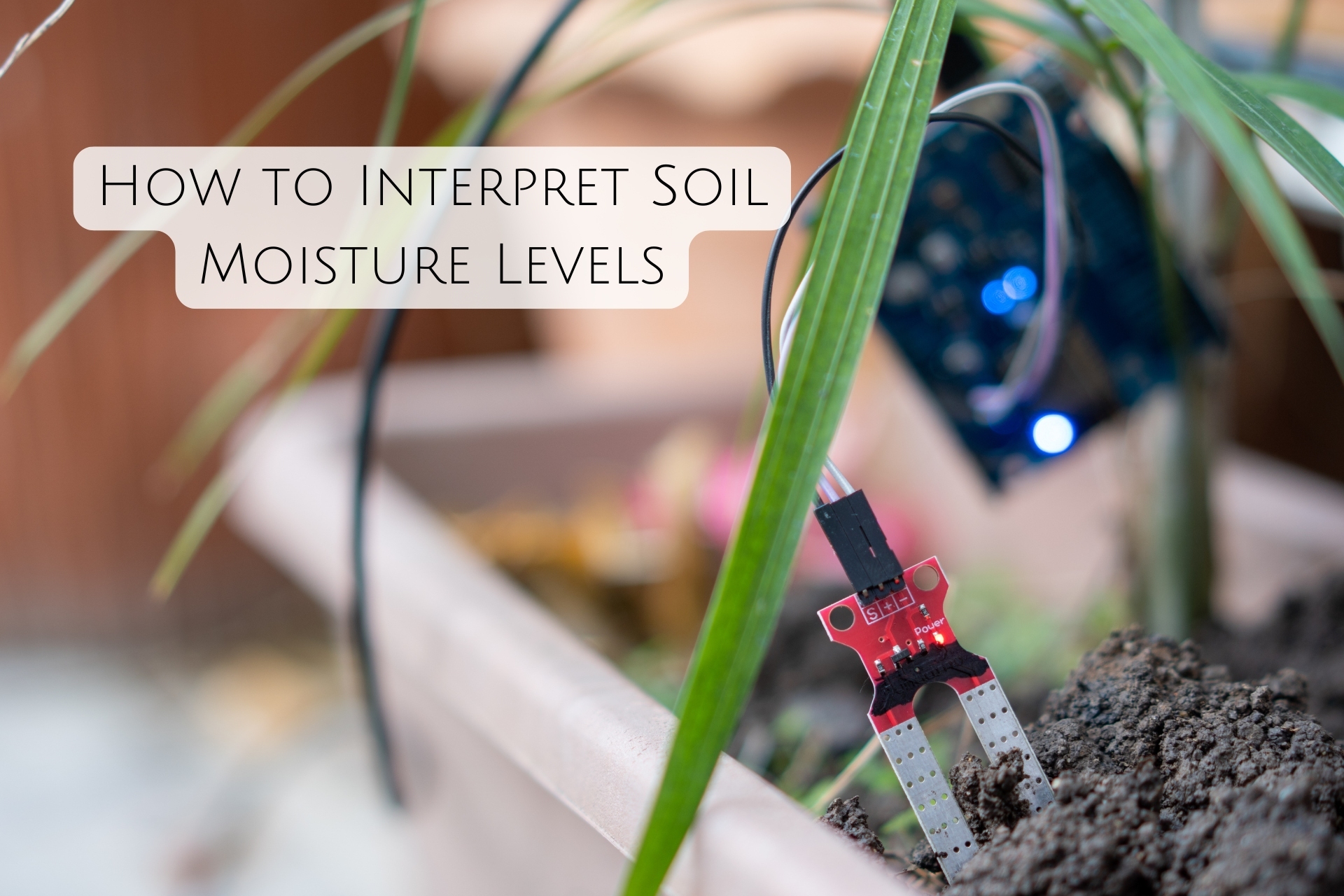
Once you’ve measured soil moisture, it’s time to interpret the data. Different plants have varying moisture needs, so understanding the optimal moisture levels for each type of plant is crucial.
- Drought-Tolerant Plants (like succulents and cacti): Prefer dry soil and thrive when allowed to dry out between waterings. Aim to water only when the soil is almost fully dry.
- Moderate Moisture Plants (like herbs and some perennials): These plants enjoy slightly moist soil and typically require water when the top inch of soil feels dry.
- Moisture-Loving Plants (like vegetables and flowering annuals): Require consistently moist soil, especially during hot weather. Water when the soil is slightly dry to the touch but never let it dry out completely.
Choosing the Right Watering Equipment:
Watering equipment should be tailored to your garden’s size, plant types, and environmental conditions. Here’s an overview of the different types of watering equipment and their unique benefits.
1. Watering Cans:
Watering cans are excellent for small gardens, indoor plants, or when precise watering is required. Look for cans with a narrow spout for targeted watering or a rose attachment for gentle, rain-like dispersion. They’re especially helpful for delicate plants or seedlings.
2. Garden Hoses with Adjustable Nozzles:
For medium to large gardens, a garden hose with an adjustable nozzle is essential. Adjustable nozzles allow you to control the water flow, making it easy to switch between a gentle mist for seedlings and a stronger jet for deep root watering.
- Tip: Choose a hose with a durable, kink-resistant material and a comfortable grip to prevent hand fatigue during prolonged watering sessions.
3. Soaker Hoses:
Soaker hoses are ideal for garden beds, as they release water slowly and directly to the soil, reducing evaporation and water waste. They work well for vegetable gardens and perennial beds where deep, consistent watering is necessary. Arrange soaker hoses along the base of plants and cover with mulch to maximize moisture retention.
4. Drip Irrigation Systems:
For precision watering, drip irrigation systems are hard to beat. These systems deliver water directly to the roots through emitters placed near each plant. Drip irrigation is highly efficient, reducing water use by up to 50% compared to overhead watering, and it’s ideal for gardens where consistent moisture levels are crucial, like vegetable gardens or flower beds.
- Tip: Invest in a drip irrigation system with timers for automated watering, which saves time and ensures plants are watered even when you’re away.
5. Sprinklers
Sprinklers cover large areas and are best suited for lawns or garden beds where overhead watering isn’t an issue. Choose a sprinkler with adjustable settings and coverage options, ensuring water is evenly distributed across your garden. However, sprinklers can lead to water waste through evaporation, so it’s best to use them early in the morning or late in the afternoon when temperatures are cooler.
Optimizing Watering Schedules for Different Seasons:
Your garden’s watering needs vary depending on the season, temperature, and humidity. Here’s how to adjust your schedule to ensure your plants get just the right amount of water year-round.
- Spring: As temperatures warm, increase your watering frequency to support new growth, but keep an eye on rainfall levels to prevent over-watering.
- Summer: Hot weather and increased evaporation mean plants need more water. Water deeply in the early morning to reduce water loss and ensure soil moisture lasts through the day.
- Fall: As temperatures cool, reduce watering frequency, but make sure plants stay hydrated to withstand winter dormancy.
- Winter: In colder climates, plants go dormant and require minimal water. Only water when the soil is dry and temperatures are above freezing.
Avoiding Common Watering Mistakes: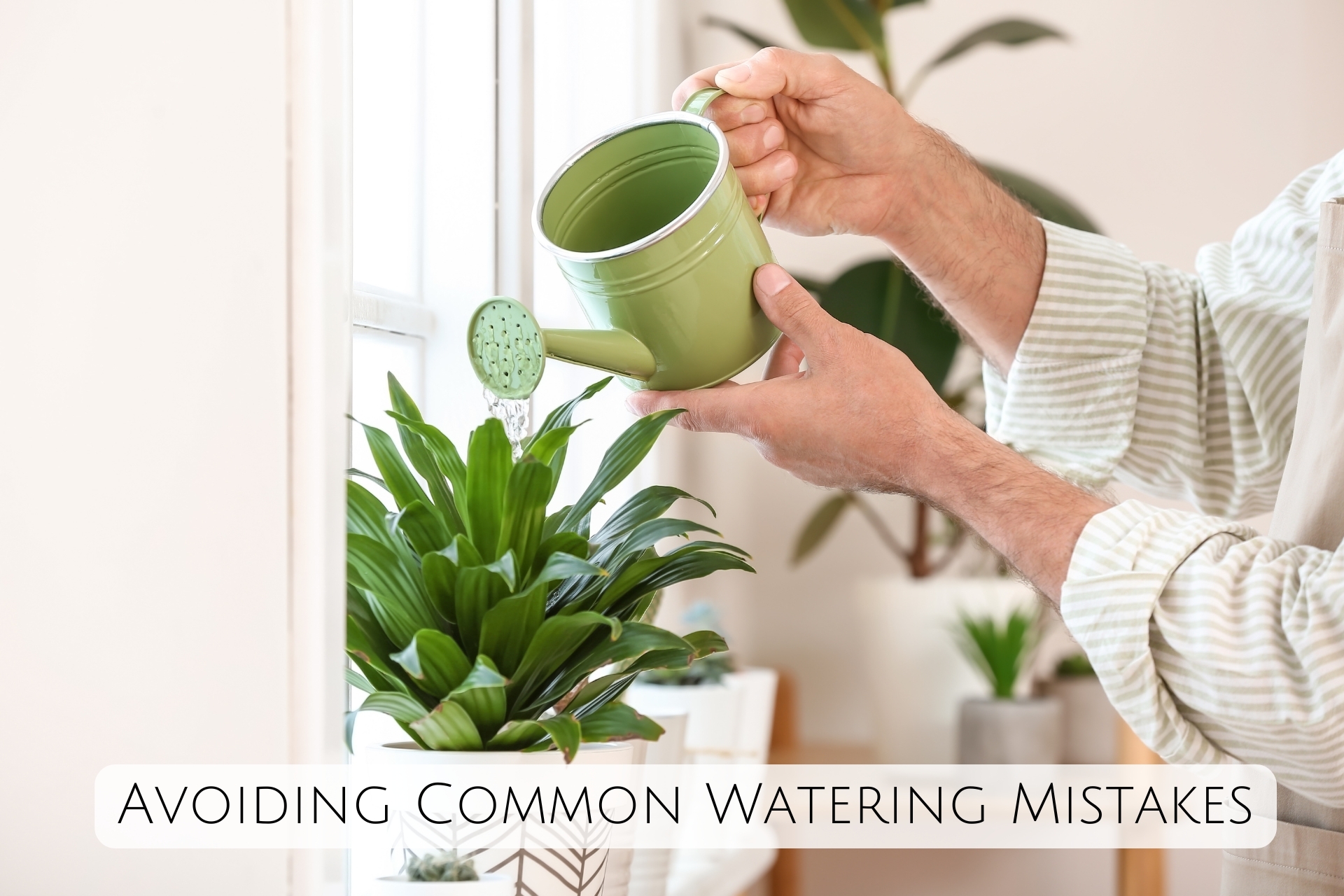
Mistakes in watering can undermine even the best gardening efforts. Always check soil moisture before watering to ensure you’re not drowning your plants.
- Under-Watering: Don’t wait until plants are visibly wilting before watering; by then, they’re already stressed. Regular moisture checks can prevent dehydration.
- Watering Leaves: Avoid watering foliage as it can promote fungal diseases. Direct water to the soil at the plant’s base instead.
Conclusion:
Watering is a science as much as an art. By understanding soil moisture and choosing the right equipment, you can create a watering strategy that supports vibrant growth and healthier plants. A well-watered garden isn’t just visually appealing—it’s resilient, nutrient-rich, and biologically balanced. So grab your tools, monitor that moisture, and let your garden thrive with the power of precise watering.
Knowledge Hub

Smart Homes Begin in the Kitchen: How Smart Appliances Are Transforming Indian Cooking
Introduction: The evolution of technology has significantly transformed various aspects of everyday...


Your Kitchen Deserves an Upgrade: Must-Have Kitchen Gadgets for Modern Cooks
Introduction: Upgrading your kitchen with new gadgets can turn routine meals into creative adventur...

The Future of Outdoor Recreation: Smart Tools and Gadgets
Outdoor recreation has long been an integral part of human culture, offering opportunities to connec...

The Digital Home: Organizing Your Virtual Space for a Stress-Free Life
In today’s world, much of our lives happen in the digital realm. We manage work, personal tasks, and...

The Importance of Regular Maintenance: How It Affects Replacement Parts Longevity
In the world of machinery, appliances, and vehicles, the longevity of equipment largely depends on h...