
The Science of Color Temperature: Choosing the Right Light Bulb for Your Space

Lighting is a key element in interior design, with the power to transform a space. It influences mood, functionality, and even productivity. Color temperature—the warmth or coolness of light—is a critical element of lighting that impacts how a space feels and serves its purpose. Understanding how color temperature works can help you choose the right light bulbs for every room in your home or workplace. Whether you're aiming to create a cozy retreat or a productive workspace, selecting the appropriate color temperature for your light bulbs is key.
What Is Color Temperature?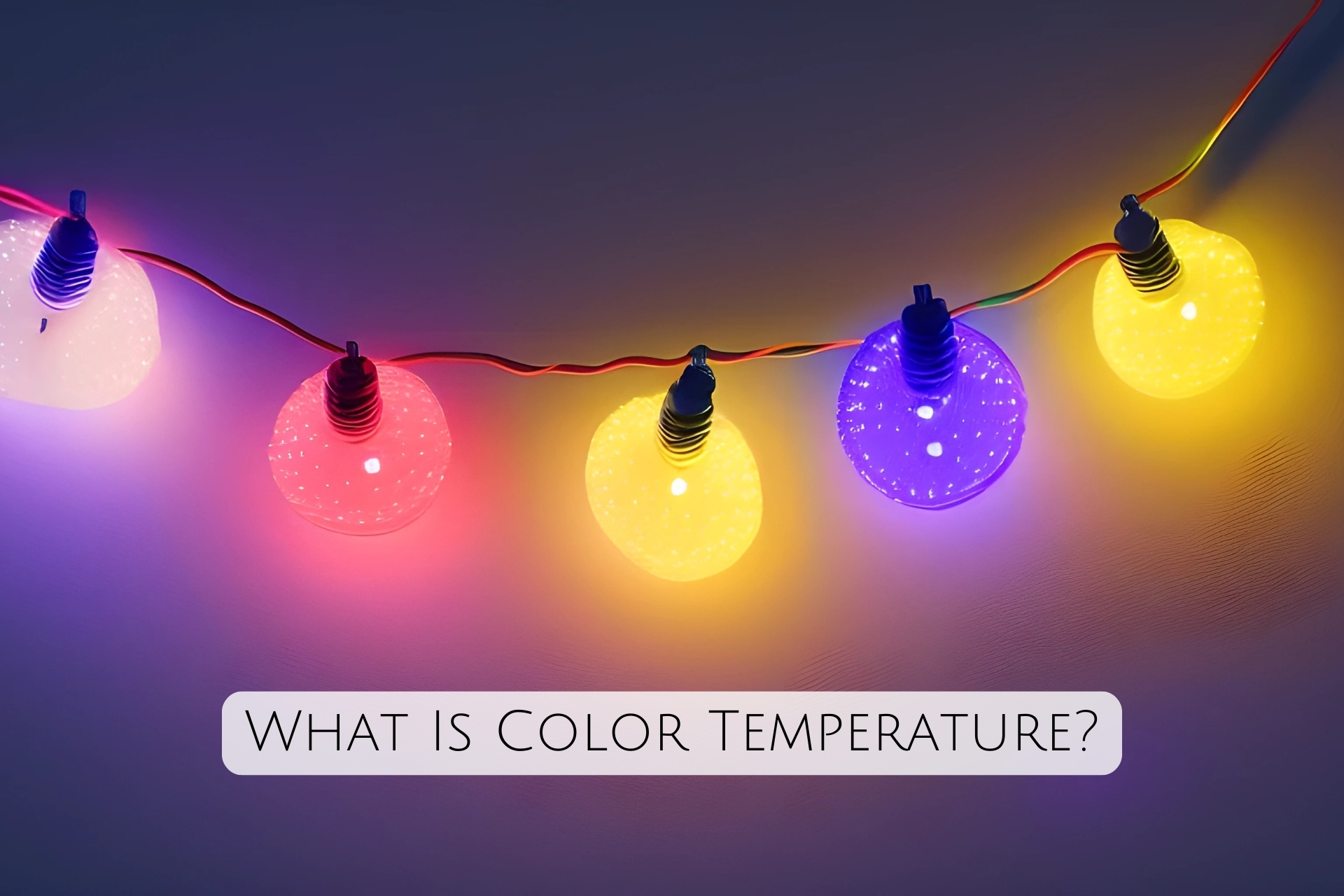
Color temperature refers to the appearance of light emitted by a bulb, measured in Kelvins (K). The higher the Kelvin number, the cooler and bluer the light; the lower the number, the warmer and more yellow the light. Think of color temperature like the colors of sunlight throughout the day: in the morning and evening, the light is warmer (yellows and reds), while midday light is cooler and more bluish.
Here’s a quick guide to the different color temperature ranges:
- Warm White (2000K – 3000K): Produces a soft, yellowish light. Often used in residential settings, it creates a cozy, inviting atmosphere.
- Neutral White (3000K – 4000K): Offers a balanced light between warm and cool, with a neutral, white appearance. It’s ideal for spaces that require both ambiance and clarity.
- Cool White (4000K – 5000K): A brighter white light with a hint of blue, excellent for task-focused environments.
- Daylight (5000K – 6500K): Mimics natural daylight. It has a blueish tint and is great for spaces where you need the highest clarity, such as work environments.
Understanding color temperature helps in selecting bulbs that not only fit the purpose of the room but also enhance your daily experiences.
How Color Temperature Affects Your Space: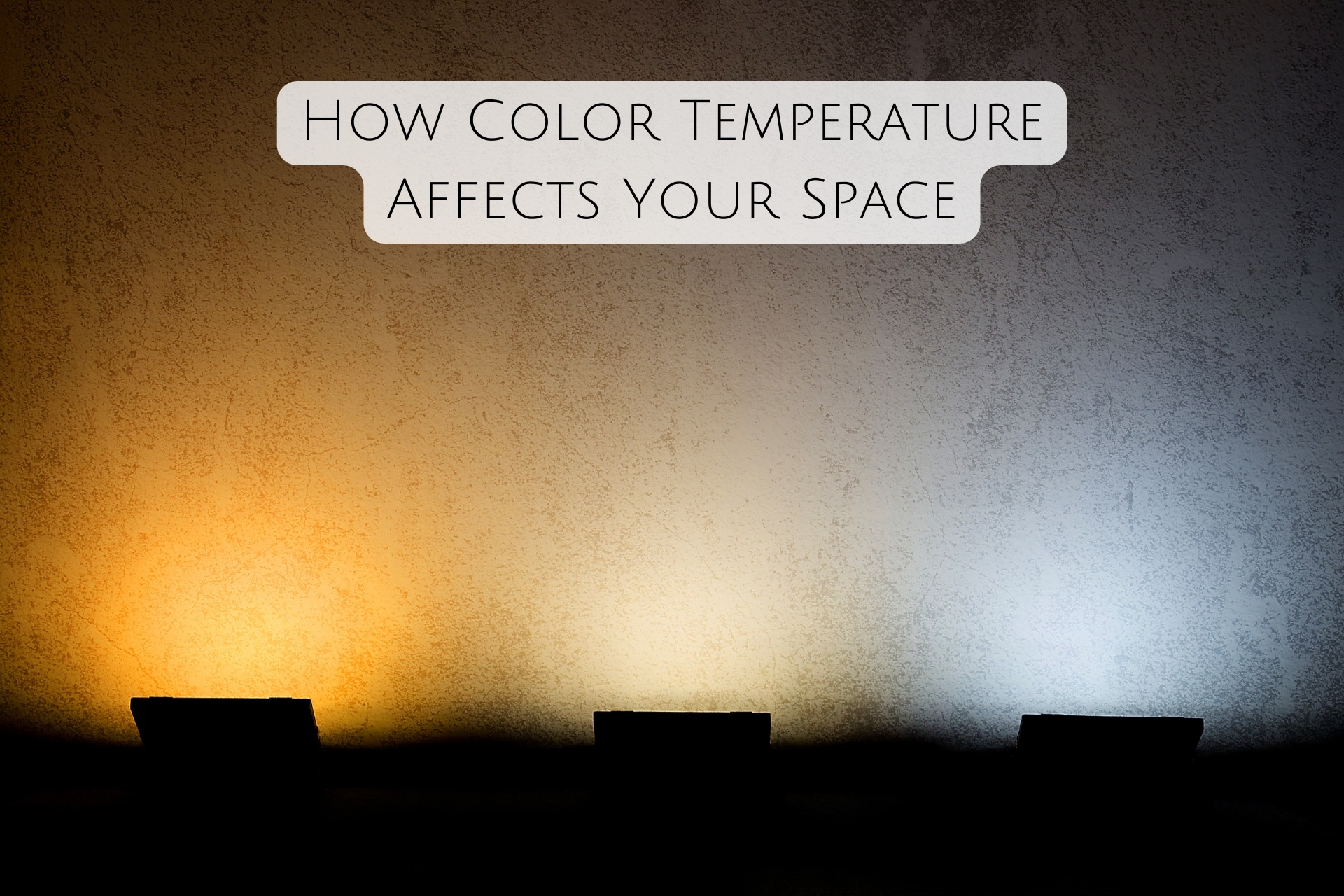
The right color temperature can influence your emotions, energy levels, and productivity. It also impacts the way colors and textures in your space appear. Here’s how to choose the right lighting for different rooms based on their functionality:
1. Living Room: Warmth and Comfort: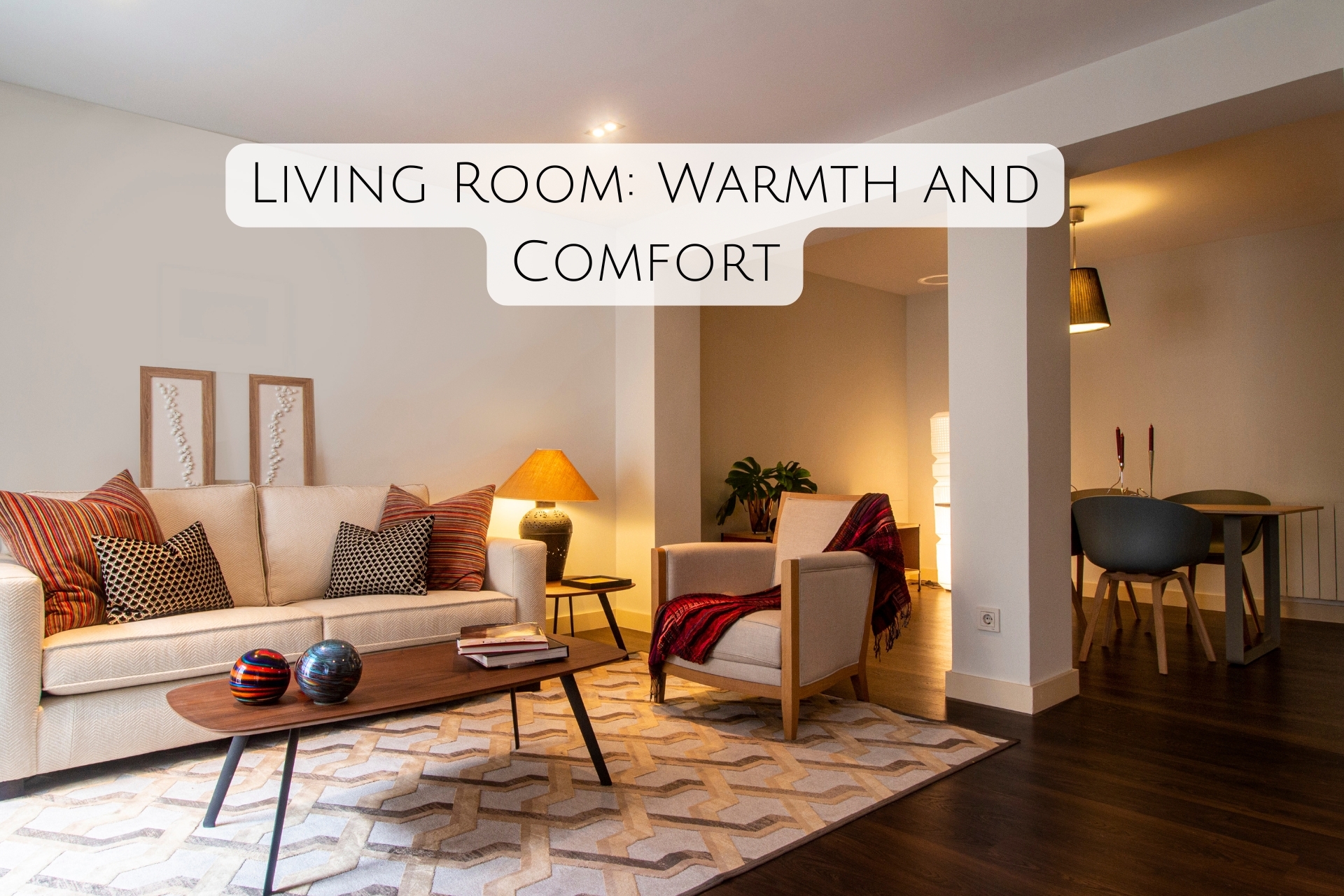
The living room is often the heart of the home—a place to relax, entertain, or unwind. Here, warm white light (2700K to 3000K) creates a cozy and welcoming environment. This temperature range mimics the soft, golden glow of sunset, helping you feel at ease and calm.
- Why Warm White Works: The warm hues encourage relaxation and are flattering to both people and furniture. It’s the perfect setting for family gatherings, movie nights, or reading.
- Tip: Layer the lighting by using soft white overhead lights for general ambiance and additional table or floor lamps for focused lighting.
2. Kitchen: Balancing Task Lighting with Warmth: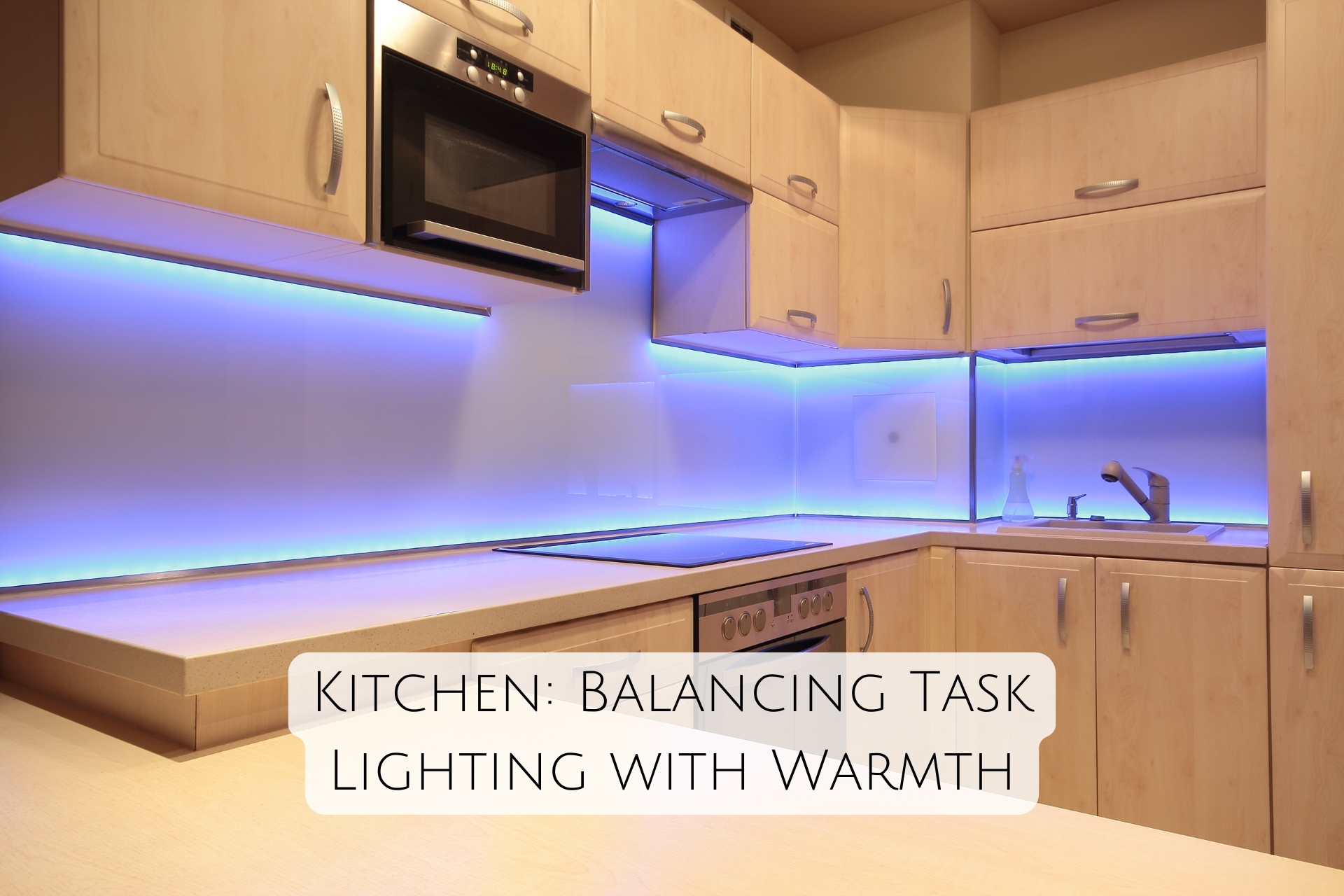
Kitchens need a balance of functionality and ambiance. For cooking, cleaning, and meal prep, you need bright, clear light that doesn’t cause strain on your eyes. A soft white (3000K to 4000K) temperature works well for the overall lighting, while cooler whites (4000K to 5000K) can be used in task areas like countertops and stoves.
- Why Cool White Works for Task Areas: The cooler tones improve contrast and visibility, making it easier to see food details, chop ingredients, and clean up after cooking.
- Tip: Consider under-cabinet lighting or pendant lights over the kitchen island to provide additional focused lighting.
3. Dining Room: Setting the Mood for Meals: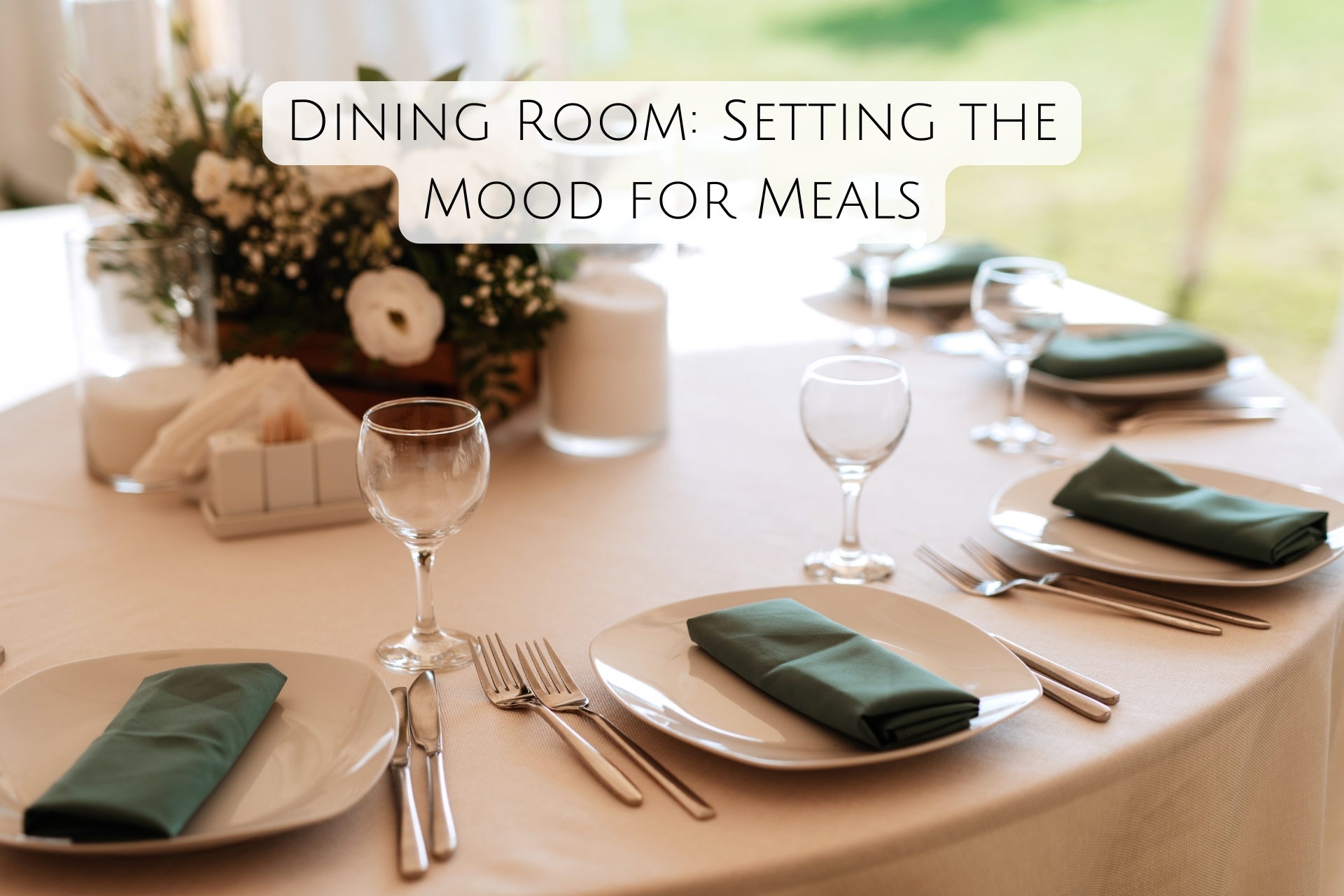
Lighting here should encourage relaxation and create a warm, inviting atmosphere. Stick with warm white lighting (2700K to 3000K), which enhances the appearance of food and creates an intimate, welcoming setting for guests.
- Why Warm White Works: This color temperature enhances food presentation and creates an inviting ambiance for gatherings and dinners.
- Tip: Use a dimmable fixture over the table to adjust the lighting based on the time of day or the type of meal being served. Low-level lighting can make a dinner feel more intimate.
4. Home Office: Focus and Clarity:
In a home office, lighting plays a significant role in enhancing productivity. A cooler white (4000K to 5000K) is ideal for keeping your mind alert and focused. The bright, bluish tones increase contrast and improve visibility, making them perfect for tasks that require precision, such as writing, reading, or working on computers.
- Why Cool White Works: Cooler light reduces eye strain and promotes clarity, helping you stay energized and focused on work.
- Tip: Choose an LED desk lamp with an adjustable color temperature so you can fine-tune the lighting based on the time of day and your needs. Consider smart bulbs that let you switch from cool to neutral tones depending on the task.
5. Bathroom: Clean and Clear Lighting: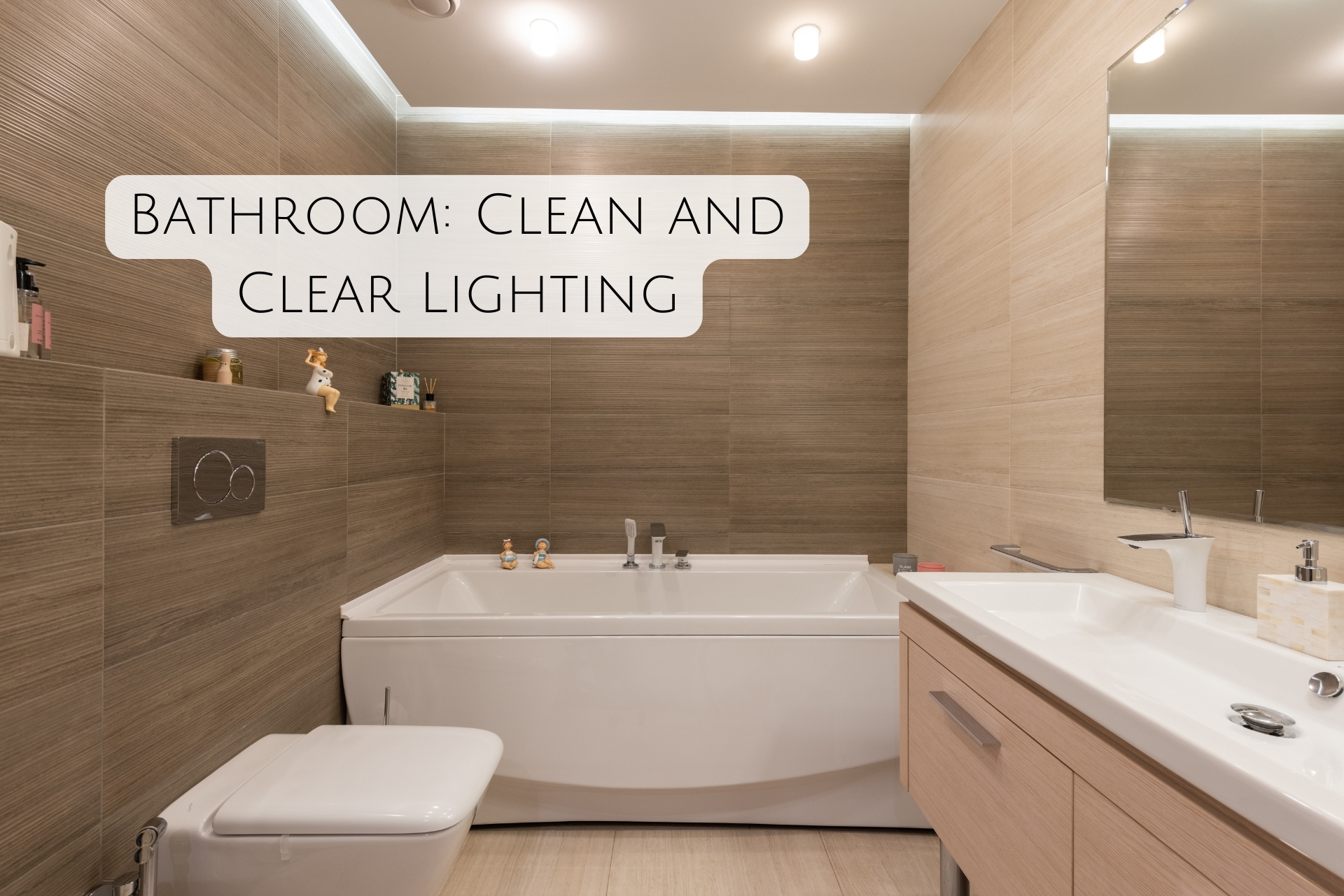
In bathrooms, lighting needs to provide clarity, especially for grooming tasks like shaving or applying makeup. A neutral or cool white (3500K to 5000K) works best in these spaces, as it enhances visibility and makes colors appear true to life.
- Why Cool White Works: The cooler light provides a more accurate reflection, which is essential for grooming tasks. It also gives the bathroom a clean, spa-like feel.
- Tip: Install lighting around mirrors or vanity areas for shadow-free illumination. Ensure the lights have a high Color Rendering Index (CRI) of 90 or higher to ensure skin tones and details are well-lit.
6. Bedroom: Rest and Relaxation:
The bedroom should be a sanctuary for rest, which is why warm white (2700K to 3000K) light is recommended. This temperature mimics the gentle tones of a sunset, helping to induce relaxation and promote the natural sleep cycle.
- Why Warm White Works: The warm light encourages the production of melatonin, the hormone that helps you wind down and prepare for sleep.
- Tip: Use dimmable bedside lamps with warm light for a calm environment. Avoid bright, cool white light before bedtime, as it can interfere with your body’s natural sleep patterns.
7. Outdoor Spaces: Ambience and Security: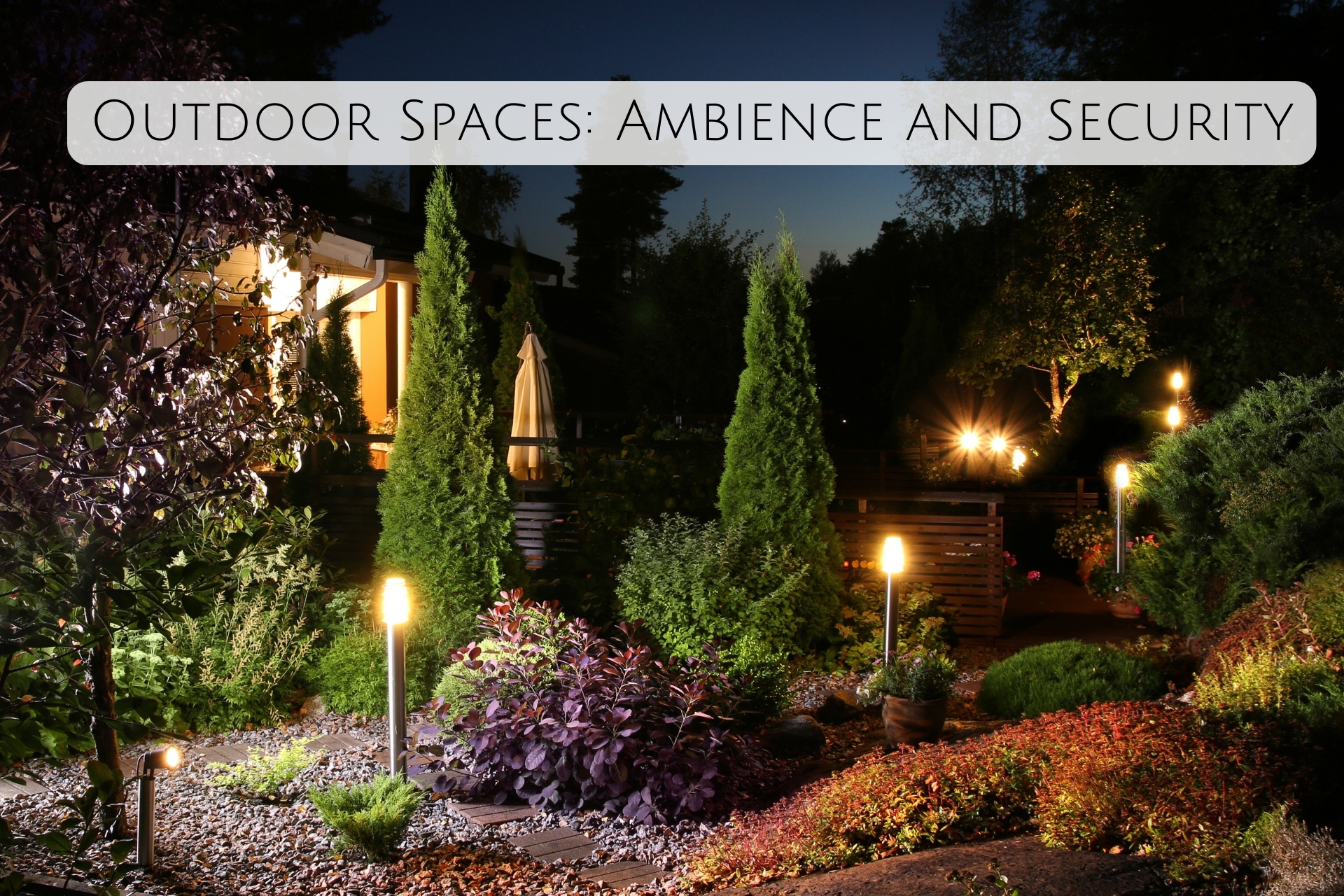
For outdoor lighting, choose a combination of color temperatures based on the area’s function. For ambiance, a warm white (2700K to 3000K) works well in areas like patios and gardens, while cooler white or daylight (4000K to 5000K) is better for areas where security is important, such as walkways and entryways.
- Why Daylight or Cool White Works Outdoors: These color temperatures offer clarity and visibility, which is important for lighting paths and entrances.
- Tip: Solar-powered or motion-sensing lights can be used to enhance security while keeping energy costs low.
Color Rendering Index (CRI): Why It Matters:
While color temperature affects the ambiance, the Color Rendering Index (CRI) is equally important for tasks requiring accurate color perception.
- High CRI (90 and above) is essential for spaces where color accuracy is vital, such as in kitchens, bathrooms, or home offices.
- Medium CRI (80-89) is adequate for general lighting in living rooms, dining rooms, and bedrooms.
Using bulbs with high CRI ensures you see colors and details as they truly are, which is especially important in areas like grooming or food preparation.
Energy-Efficiency and Smart Lighting:
With the rise of energy-efficient LED bulbs, you can enjoy better lighting while saving money on your electricity bill. LED lights not only last longer than traditional incandescent bulbs but also offer a range of color temperatures, often with dimmable or adjustable settings.
- Smart LED bulbs: Many smart bulbs allow you to adjust the color temperature throughout the day—cooler in the morning for focus and warmer at night for relaxation. You can control these bulbs with an app or a voice assistant, making it easy to switch from task lighting to ambient lighting at the touch of a button.
Tips for Choosing the Right Color Temperature: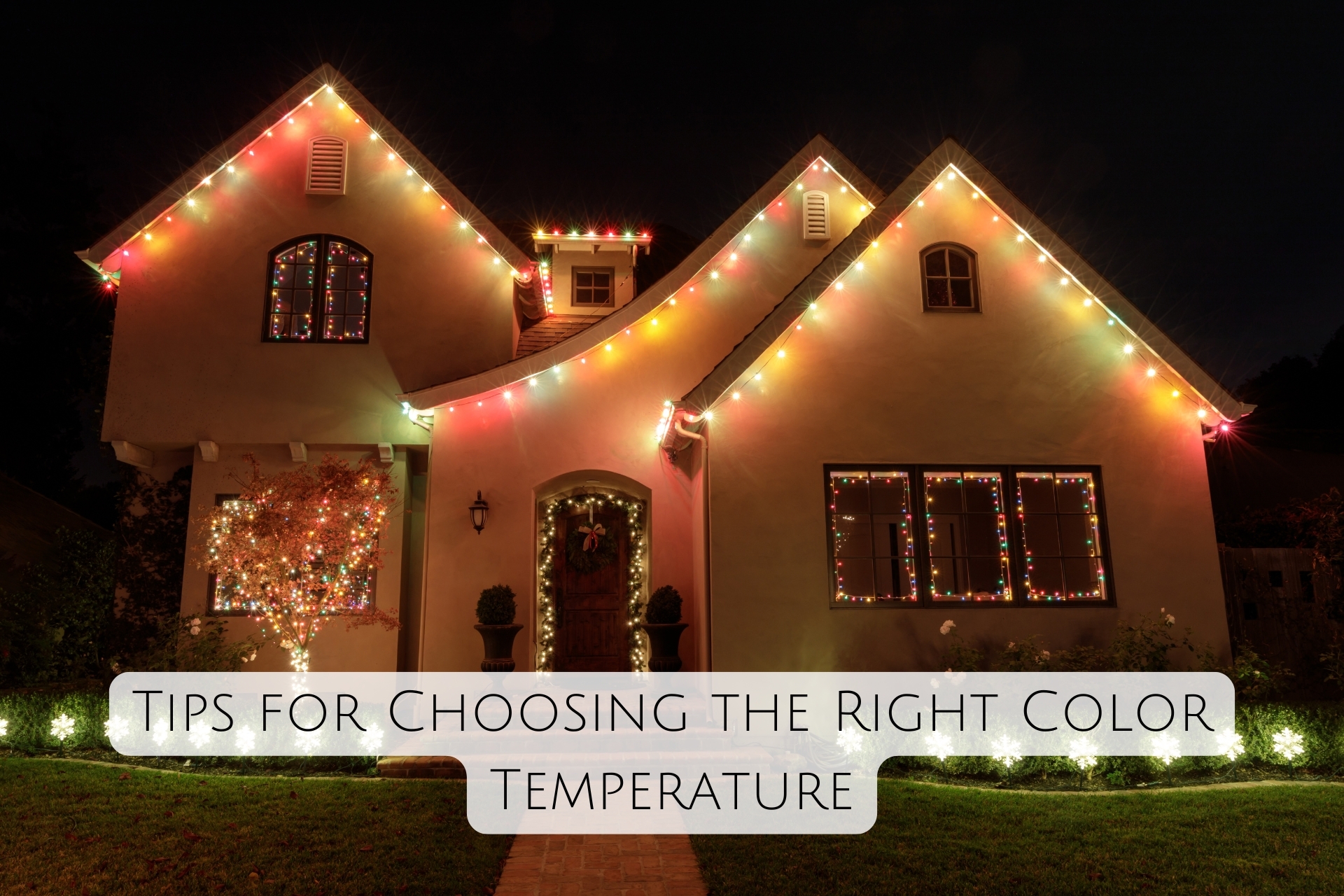
- For cozy, intimate spaces (living rooms, bedrooms, dining rooms): Choose warm white (2700K to 3000K) for a relaxing, comfortable feel.
- For task-oriented spaces (kitchens, bathrooms, home offices): Opt for cooler white (3000K to 5000K) for clarity and precision.
- For outdoor areas: Use a combination of warm white for ambiance and cool white or daylight for security.
- For color accuracy: Consider bulbs with a high CRI (90+) in areas like bathrooms, kitchens, and workspaces.
- Consider dimmable and adjustable options to suit different times of the day or activities.
Conclusion: Creating the Perfect Lighting for Your Space:
Choosing the right color temperature for your space is about more than just lighting—it’s about creating the right atmosphere for how you live, work, and relax. Whether you're looking to create a cozy living room, a functional workspace, or a restful bedroom, color temperature plays a critical role in shaping the mood and feel of your environment. By understanding the science behind color temperature and applying it thoughtfully to your lighting design, you can elevate your space to match your needs, enhance your comfort, and boost your well-being.
Knowledge Hub

The Future of Outdoor Recreation: Smart Tools and Gadgets
Outdoor recreation has long been an integral part of human culture, offering opportunities to connec...

The Digital Home: Organizing Your Virtual Space for a Stress-Free Life
In today’s world, much of our lives happen in the digital realm. We manage work, personal tasks, and...

The Importance of Regular Maintenance: How It Affects Replacement Parts Longevity
In the world of machinery, appliances, and vehicles, the longevity of equipment largely depends on h...

The Interconnection of Hydraulics, Pneumatics, and Plumbing: Understanding Fluid Power Systems
Fluid power systems are a cornerstone of modern technology, playing a crucial role in various indust...

The Evolution of Scanners: From Drum Scanners to Portable Handheld Devices
The journey of scanning technology is a fascinating one, marked by decades of innovation and adaptat...

The Power of Textures: Mixing Materials in Home Accessories
In interior design, texture transforms, bringing depth, warmth, and character to a space. Textures i...