
The Science Behind Misting: How Handheld Fans Work to Cool You Down
On a scorching hot day, few things feel as refreshing as a cool breeze paired with a fine mist of water to soothe your skin. Whether you're lounging by the pool or out for a summer walk, misting handheld fans seem like magic—providing instant relief from the heat. But how exactly do these nifty devices work to cool us down? Is it just a combination of air movement and water, or is there more science at play? In this blog, we’ll dive into the fascinating science behind misting handheld fans, revealing how they harness physics and biology to help you stay cool and comfortable.
The Basics: How Misting Fans Work: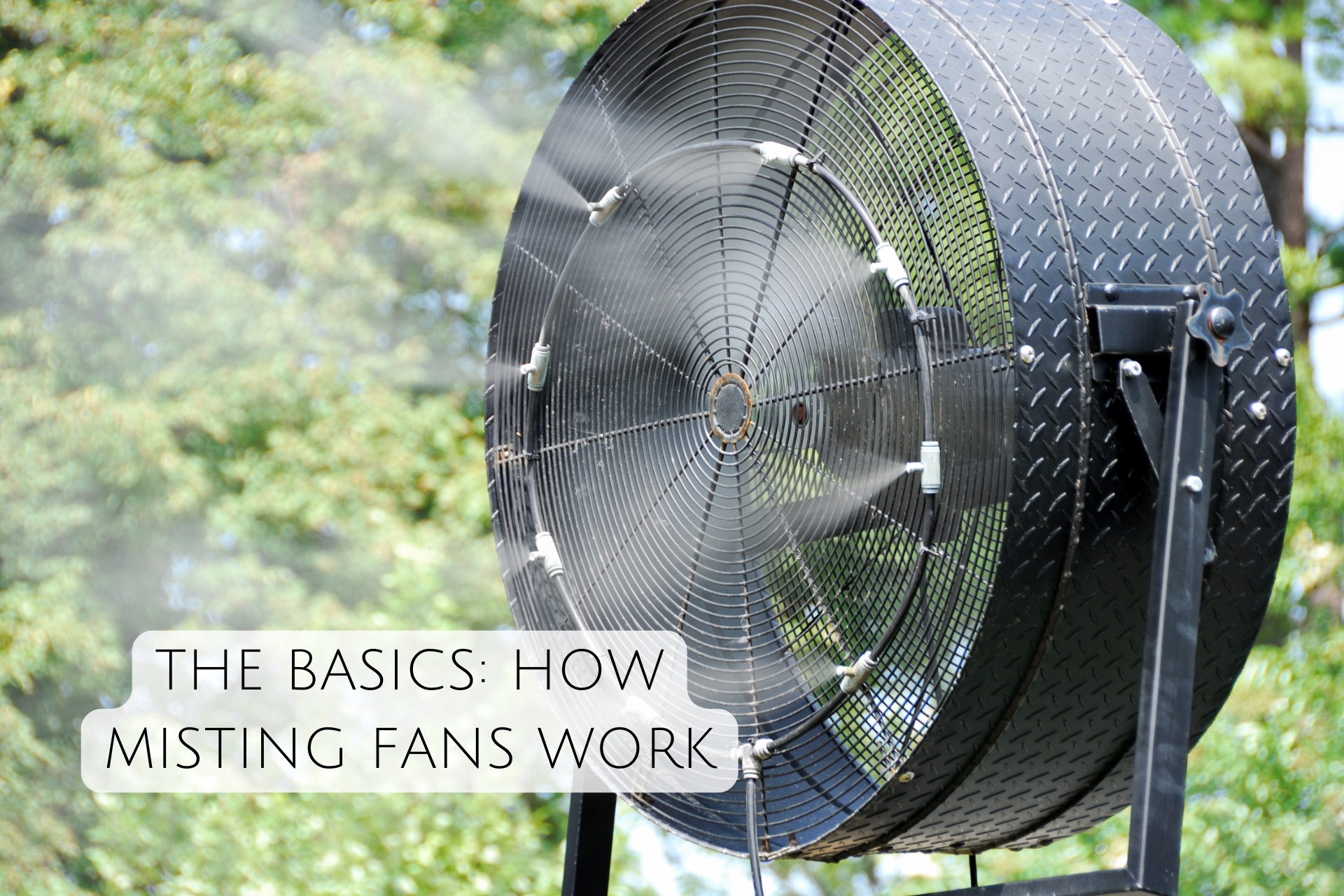
At first glance, handheld misting fans look simple: a small fan with a water reservoir that sprays a fine mist while blowing air. But when you look a little deeper, you’ll find that they operate on the principles of evaporation and airflow dynamics—two fundamental elements that work together to create a cooling effect. Let’s break it down.
1. The Power of Evaporation:
Evaporation is a natural process in which a liquid—like water—transforms into a gas (water vapor) when it is exposed to heat. The key here is that this process requires energy. In the case of misting fans, the water droplets that are sprayed into the air absorb heat from your skin and the surrounding environment as they evaporate.
- Why does this cool you down? When water evaporates, it draws heat energy from the surface it is evaporating from, thus reducing the temperature of that surface. This is why you feel cooler when you sweat. Your body releases moisture (sweat), which evaporates into the air and cools your skin.
In the case of handheld misting fans, the device dispenses a fine mist of water, and as those droplets evaporate, they lower the temperature of your skin. This is a similar effect to sweating but with a much more concentrated and immediate cooling boost.
2. Increased Airflow:
Another essential component of handheld misting fans is the fan itself. While the misting part cools your skin, the airflow generated by the fan helps to enhance the process.
- How does airflow help? Air movement helps speed up the evaporation process by removing the warm, humid air near your skin and replacing it with drier air. The more efficient the airflow, the faster the evaporation occurs, and the cooler you feel.
Fans also help by improving the overall comfort of your environment. The airflow provided by the fan helps alleviate this feeling, making the misting effect feel even more refreshing.
The Science Behind the Cooling Effect: Breaking It Down:
So, what makes misting fans more effective than just a fan blowing air, or simply spraying water on yourself? It all comes down to combining two cooling mechanisms:
- Evaporative Cooling: As we’ve discussed, evaporation requires heat energy to turn liquid water into vapor. This is a cooling process that reduces the temperature of the surface—whether it’s your skin or the surrounding air. This cooling happens quickly when the fan blows air over the mist, enhancing the rate of evaporation.
- Convective Heat Transfer: The fan also creates a convective heat transfer. It accelerates the process of removing heat from your skin by blowing cooler air over the misted area. This means the combination of cool mist and moving air cools your body faster than one or the other on its own.
Together, these two mechanisms—evaporation and convection—combine forces to quickly lower your perceived temperature and make you feel significantly cooler.
Why Misting Fans Are So Effective in the Heat:
Misting fans are particularly effective in dry, hot climates, where the air is often dry and absorbs moisture more readily. In such environments, the process of evaporation happens rapidly, and the cooler air provided by the fan further enhances the cooling effect.
In humid climates, however, misting fans might not be as effective. In such conditions, a regular fan without misting may offer better comfort by simply moving the air around.
The Role of Water Quality in Misting Fans: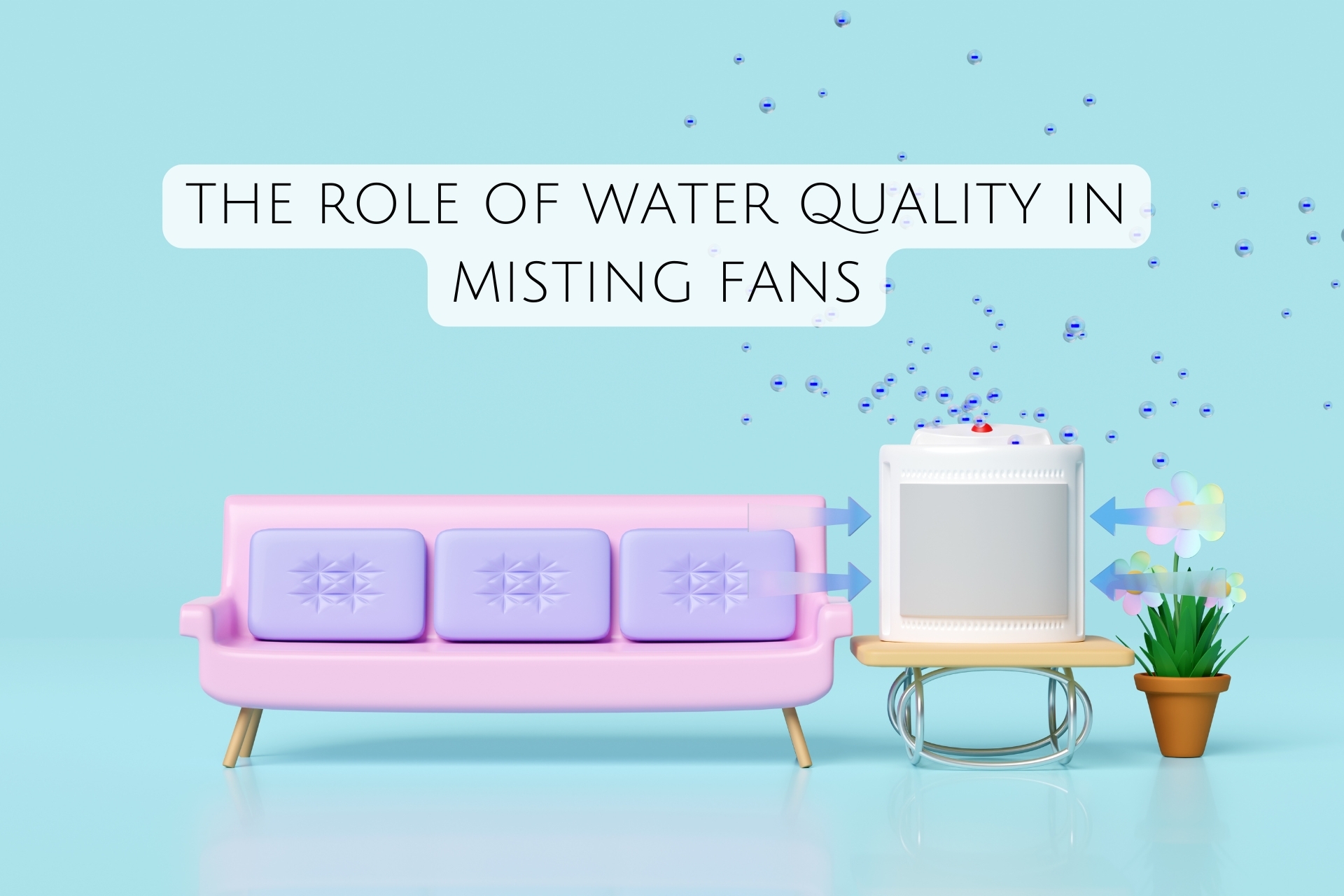
You might not realize it, but the quality of water used in your misting fan can affect its performance. Pure water evaporates cleanly, but tap water can contain minerals or impurities that may clog the misting nozzle or leave residues on your skin or clothing.
- Distilled water is often recommended for misting fans because it is free from minerals, ensuring that the fan operates smoothly and doesn’t leave streaks or stains.
- Filtered water can also work well if you don’t want to go the extra step of using distilled water, but it’s important to regularly clean the misting fan to avoid buildup.
The Cooling Effect: Not Just for the Skin:
While handheld misting fans are commonly used to cool down our bodies, their effects can also be noticed on the environment. By creating localized cooling zones, misting fans can reduce the ambient temperature of a small area, such as a backyard or patio. This can make a huge difference during hot summer days, allowing you to enjoy outdoor activities without feeling overwhelmed by the heat.
Moreover, misting fans can be used for increased comfort during physical activity. Whether you're working out outdoors, playing sports, or attending a crowded event, staying cool and hydrated is crucial for performance and well-being. The misting effect helps reduce sweat evaporation, so your body doesn't have to work as hard to regulate temperature, leading to better comfort and stamina.
The Future of Misting Technology:
While handheld misting fans have been around for some time, recent innovations have made them more efficient, portable, and stylish. Some of the most exciting advancements in misting fan technology include:
- Rechargeable, portable fans that can be used anywhere without needing an outlet.
- Dual-function fans that combine misting with air filtration or cooling pads, providing even more comfort.
- Smart features such as app-controlled settings, allowing you to adjust mist intensity, fan speed, and timing with ease.
Final Thoughts: Why You Should Consider a Misting Fan: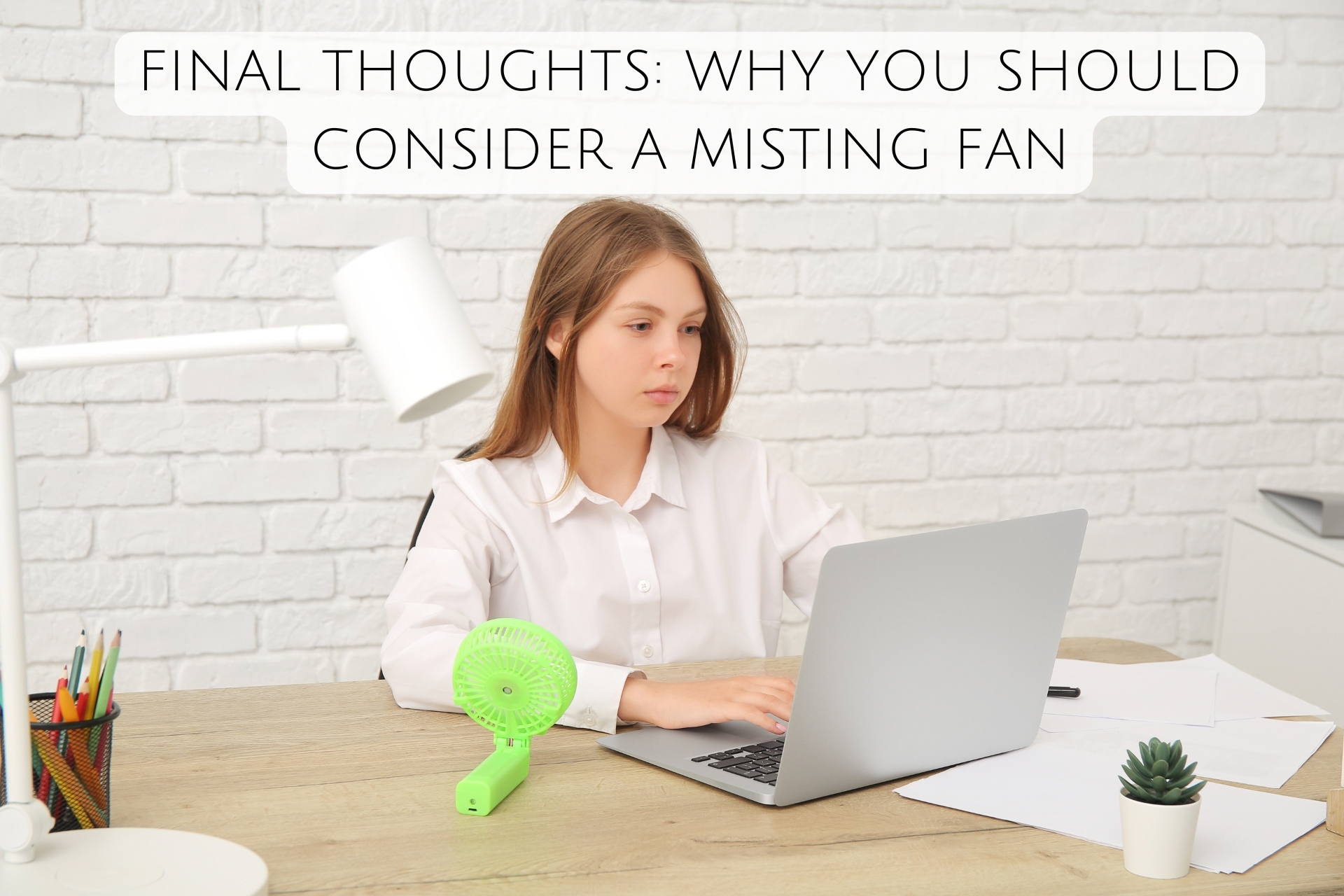
Handheld misting fans are more than just a temporary escape from the heat—they are a scientific blend of physics and biology working together to keep you cool. By harnessing the power of evaporation and convective heat transfer, these devices provide a quick and efficient way to beat the heat, especially in dry climates. Whether you're looking to stay comfortable during outdoor activities, enhance your personal wellness, or simply enjoy a more refreshing summer day, misting fans are a practical and scientifically backed solution to help you stay cool, calm, and collected when the temperatures rise.
Knowledge Hub

The Future of Outdoor Recreation: Smart Tools and Gadgets
Outdoor recreation has long been an integral part of human culture, offering opportunities to connec...

The Digital Home: Organizing Your Virtual Space for a Stress-Free Life
In today’s world, much of our lives happen in the digital realm. We manage work, personal tasks, and...
The Importance of Regular Maintenance: How It Affects Replacement Parts Longevity
In the world of machinery, appliances, and vehicles, the longevity of equipment largely depends on h...
The Interconnection of Hydraulics, Pneumatics, and Plumbing: Understanding Fluid Power Systems
Fluid power systems are a cornerstone of modern technology, playing a crucial role in various indust...

The Evolution of Scanners: From Drum Scanners to Portable Handheld Devices
The journey of scanning technology is a fascinating one, marked by decades of innovation and adaptat...

The Power of Textures: Mixing Materials in Home Accessories
In interior design, texture transforms, bringing depth, warmth, and character to a space. Textures i...