
The Role of Lubricants in Reducing Wear and Tear in Industrial Machinery

Industrial machinery is the backbone of manufacturing and production processes, and its efficiency and longevity are critical for operational success. One of the most significant factors influencing the performance and lifespan of machinery is lubrication. This blog will delve into the role of lubricants in reducing wear and tear in industrial machinery, explaining their types, benefits, and best practices for effective lubrication.
Understanding Wear and Tear in Machinery: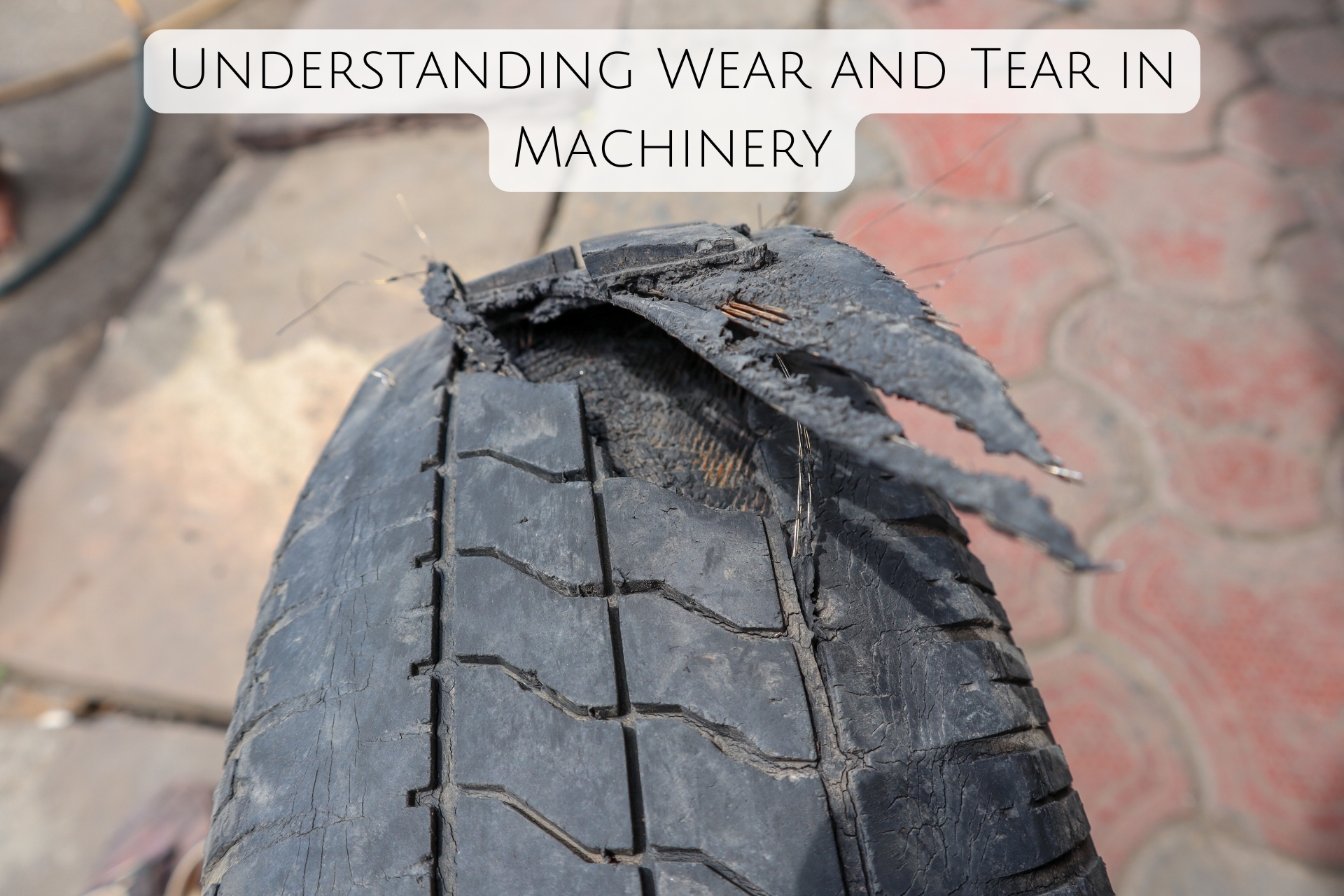
Wear and tear in industrial machinery is an inevitable process caused by the constant friction between moving parts.
- Heat Generation: Friction produces heat, which can cause overheating and subsequent failure of machine components.
- Contaminants like dust, metal shavings, and other debris can enter lubricants due to wear and tear.
The Importance of Lubricants: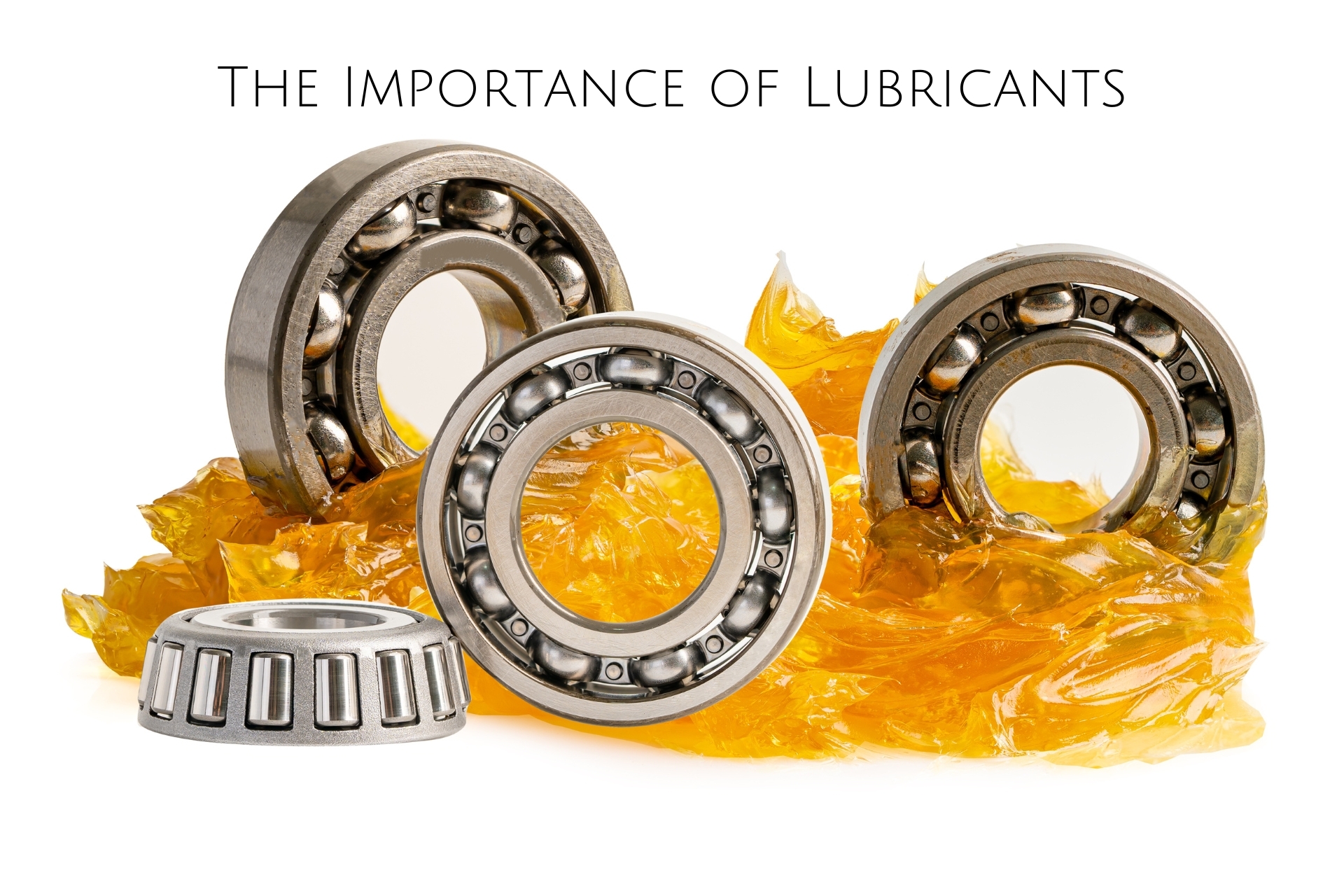
Lubricants play a vital role in mitigating wear and tear by providing a protective barrier between moving parts. Here are some key functions and benefits of lubricants in industrial machinery:
- Reducing Friction:
Lubricants form a thin film between surfaces, reducing direct contact and, consequently, friction. Lower friction means less energy is required for machinery operation, resulting in improved efficiency and reduced wear. - Heat Dissipation:
By minimizing friction, lubricants help dissipate heat generated during operation. This cooling effect prevents overheating, which can lead to thermal expansion and damage to components. - Corrosion Prevention:
Many lubricants contain additives that protect metal surfaces from moisture and corrosive substances. This protective layer helps prolong the life of machinery by preventing rust and corrosion. - Contaminant Removal:
Lubricants can trap dirt, debris, and particles, preventing them from settling on surfaces and causing damage. Regularly changing lubricants helps maintain a clean operating environment. - Shock Absorption:
Lubricants can absorb shocks and vibrations during operation, reducing the impact on machinery components and minimizing wear.
Types of Industrial Lubricants: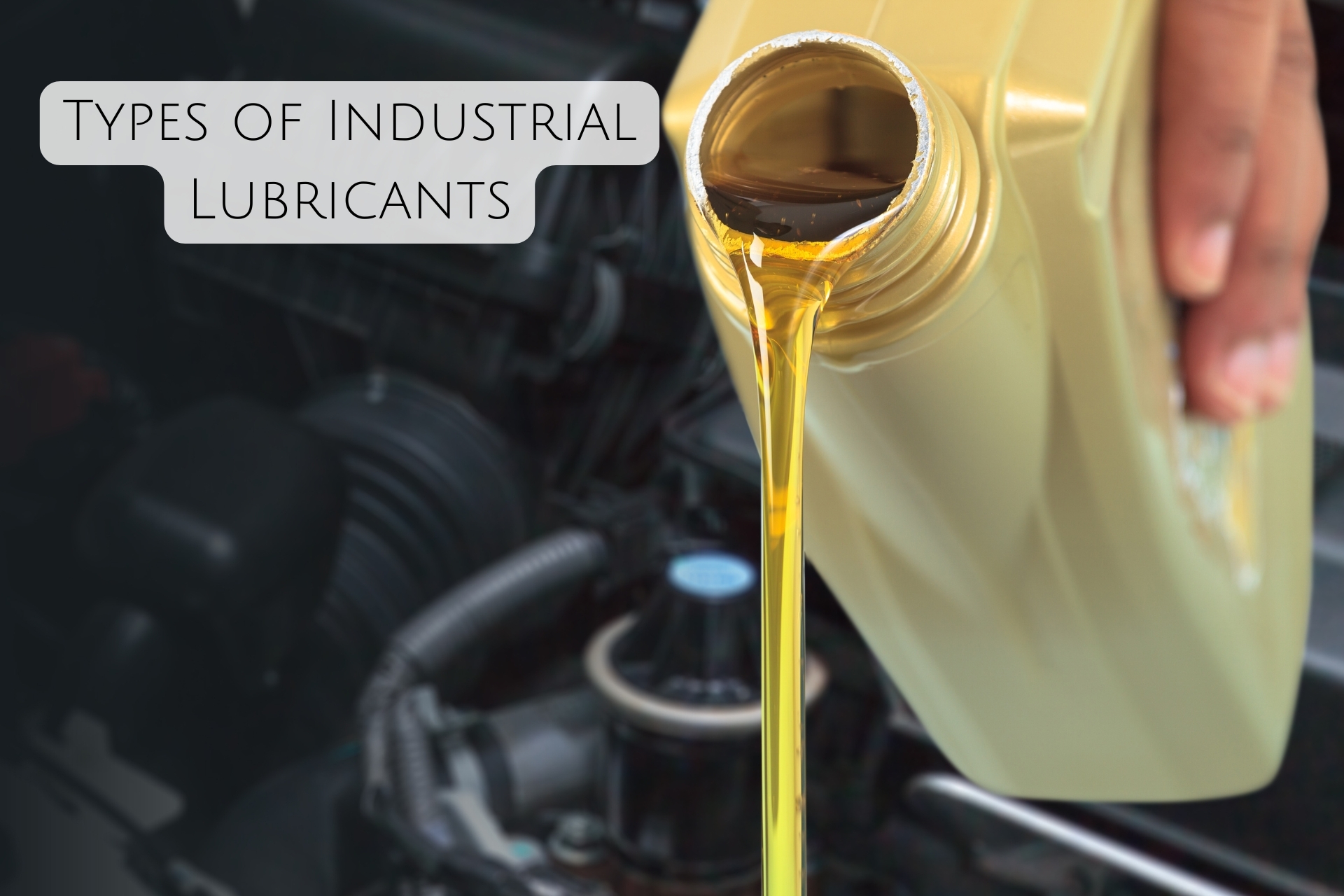
Various types of lubricants are available for industrial applications, each designed for specific conditions and requirements:
- Mineral Oils:
Derived from refining crude oil, mineral oils are the most common type of lubricant. They provide excellent lubrication properties and are suitable for a wide range of machinery. - Synthetic Oils:
Synthetic lubricants are specifically designed through chemical engineering to deliver exceptional performance under extreme conditions. They provide greater stability, reduced volatility, and improved protection against wear and tear. - Greases:
Greases are lubricants that contain a thickening agent and are used in applications where oil might leak or evaporate. They provide long-lasting lubrication and are ideal for bearings and gears. - Water-Based Lubricants:
These lubricants are suitable for specific applications, such as metalworking. They provide cooling and lubrication but may not be suitable for high-load conditions. - Biodegradable Lubricants:
With increasing environmental awareness, biodegradable lubricants are gaining popularity. They reduce the ecological impact while still providing effective lubrication.
Best Practices for Lubrication:
To maximize the benefits of lubricants and minimize wear and tear, consider the following best practices:
- Regular Monitoring:
Implement a routine monitoring schedule to check lubricant levels and condition. This helps identify when to replenish or replace lubricants before they degrade. - Choose the Right Lubricant:
Select lubricants based on the specific requirements of your machinery. Take into account factors such as operating temperature, load capacity, and environmental conditions. - Follow Manufacturer Guidelines:
Always adhere to the manufacturer’s recommendations for lubrication intervals and types. This ensures optimal performance and longevity of the machinery. - Implement Proper Lubrication Techniques:
Use the correct application methods to avoid under-lubrication or over-lubrication, both of which can lead to issues. Ensure that lubricants reach all necessary components. - Train Personnel:
Provide training for operators and maintenance staff on the importance of lubrication and best practices. Educated personnel can help maintain machinery and extend its lifespan.
Conclusion:
Lubricants are indispensable in the fight against wear and tear in industrial machinery. By reducing friction, dissipating heat, preventing corrosion, and removing contaminants, lubricants significantly enhance the efficiency and longevity of equipment. Understanding the various types of lubricants and implementing best practices for their use can lead to improved operational performance, reduced maintenance costs, and prolonged machinery life. Investing in quality lubricants and proper lubrication practices is essential for any industrial operation aiming to achieve optimal performance and reliability.
Knowledge Hub


Your Kitchen Deserves an Upgrade: Must-Have Kitchen Gadgets for Modern Cooks
Introduction: Upgrading your kitchen with new gadgets can turn routine meals into creative adventur...

The Future of Outdoor Recreation: Smart Tools and Gadgets
Outdoor recreation has long been an integral part of human culture, offering opportunities to connec...

The Digital Home: Organizing Your Virtual Space for a Stress-Free Life
In today’s world, much of our lives happen in the digital realm. We manage work, personal tasks, and...
The Importance of Regular Maintenance: How It Affects Replacement Parts Longevity
In the world of machinery, appliances, and vehicles, the longevity of equipment largely depends on h...
The Interconnection of Hydraulics, Pneumatics, and Plumbing: Understanding Fluid Power Systems
Fluid power systems are a cornerstone of modern technology, playing a crucial role in various indust...