
The Psychology of Play: How Toys Influence Child Development
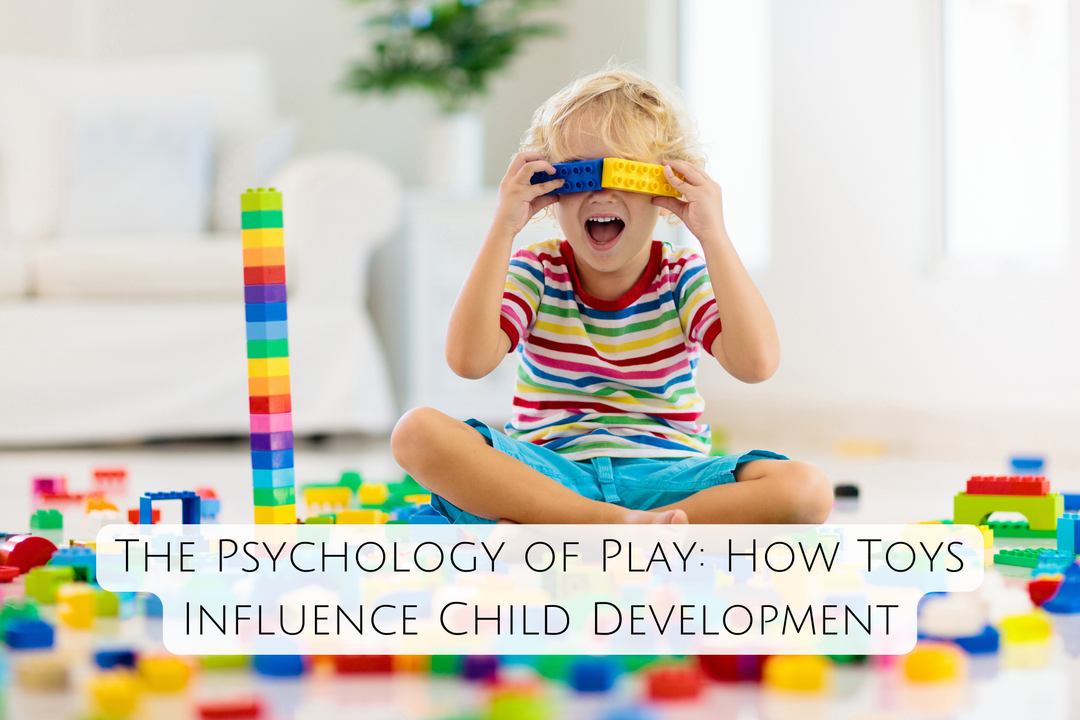
Play is an essential component of childhood, and toys are often the main medium through which children engage with the world, build skills, and develop their sense of self. Far beyond simple entertainment, toys play a crucial role in the cognitive, social, emotional, and physical development of children. Understanding the psychology of play and how different types of toys impact development can help parents, educators, and caregivers choose toys that foster growth, creativity, and learning.
This guide explores how toys influence child development, examining the ways in which they can nurture different skill areas and support the psychological growth of children.
Why Play Matters in Child Development: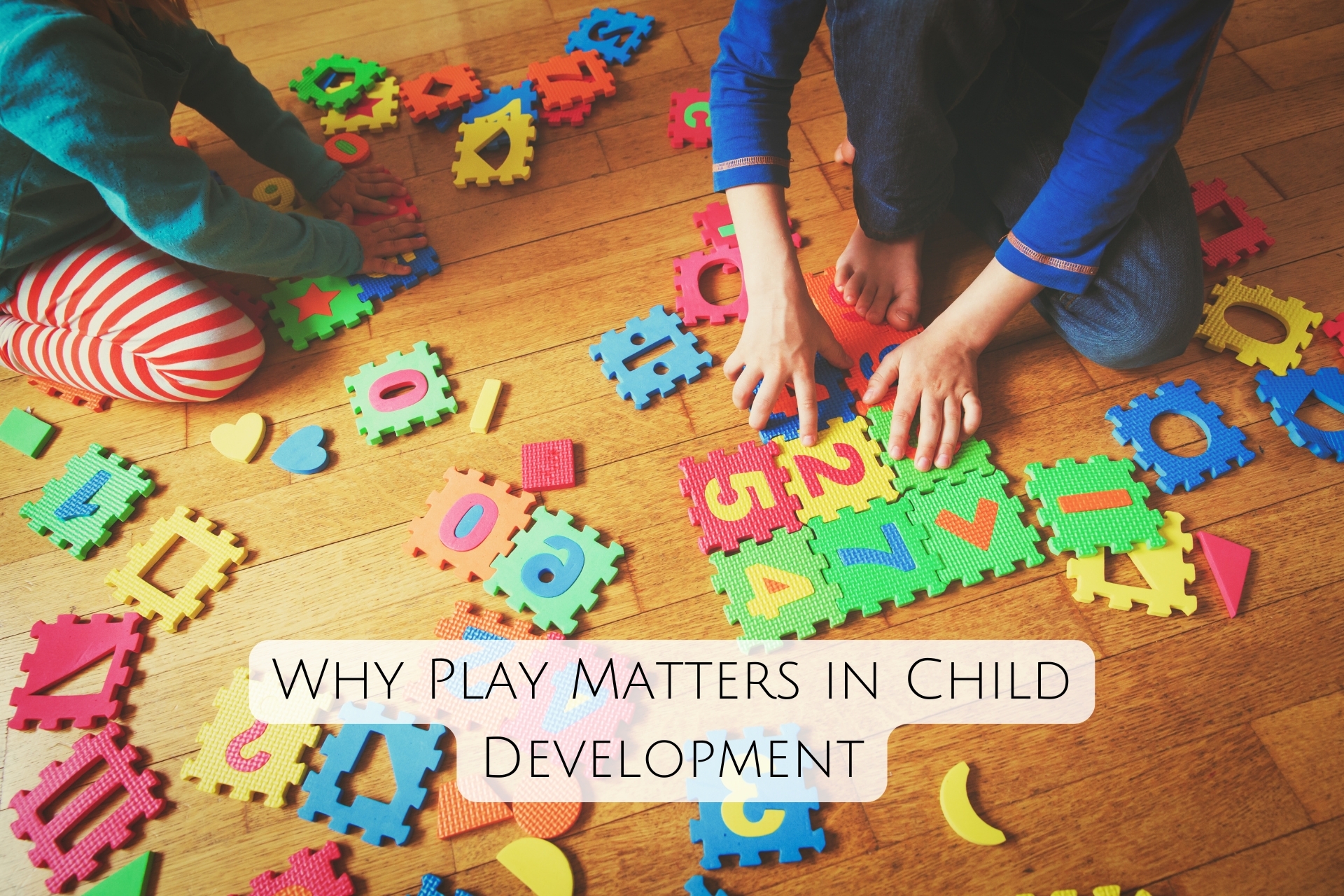
Play is a fundamental part of childhood, providing children with opportunities to explore, experiment, and understand the world. Play supports healthy development by:
- Encouraging Problem-Solving Skills: Through play, children encounter challenges that they must think through and solve, building critical cognitive skills.
- Enhancing Motor Skills: Physical toys, like building blocks and balls, help improve hand-eye coordination, balance, and overall physical fitness.
- Fostering Social Connections: Group play helps children learn how to share, negotiate, and collaborate, laying the foundation for future social interactions.
- Building Emotional Resilience: Pretend play and role-playing allow children to express and process their emotions, helping them build emotional regulation skills.
Through play, children gain confidence, develop empathy, and improve their communication skills, all of which are important for lifelong growth.
How Different Types of Toys Influence Child Development: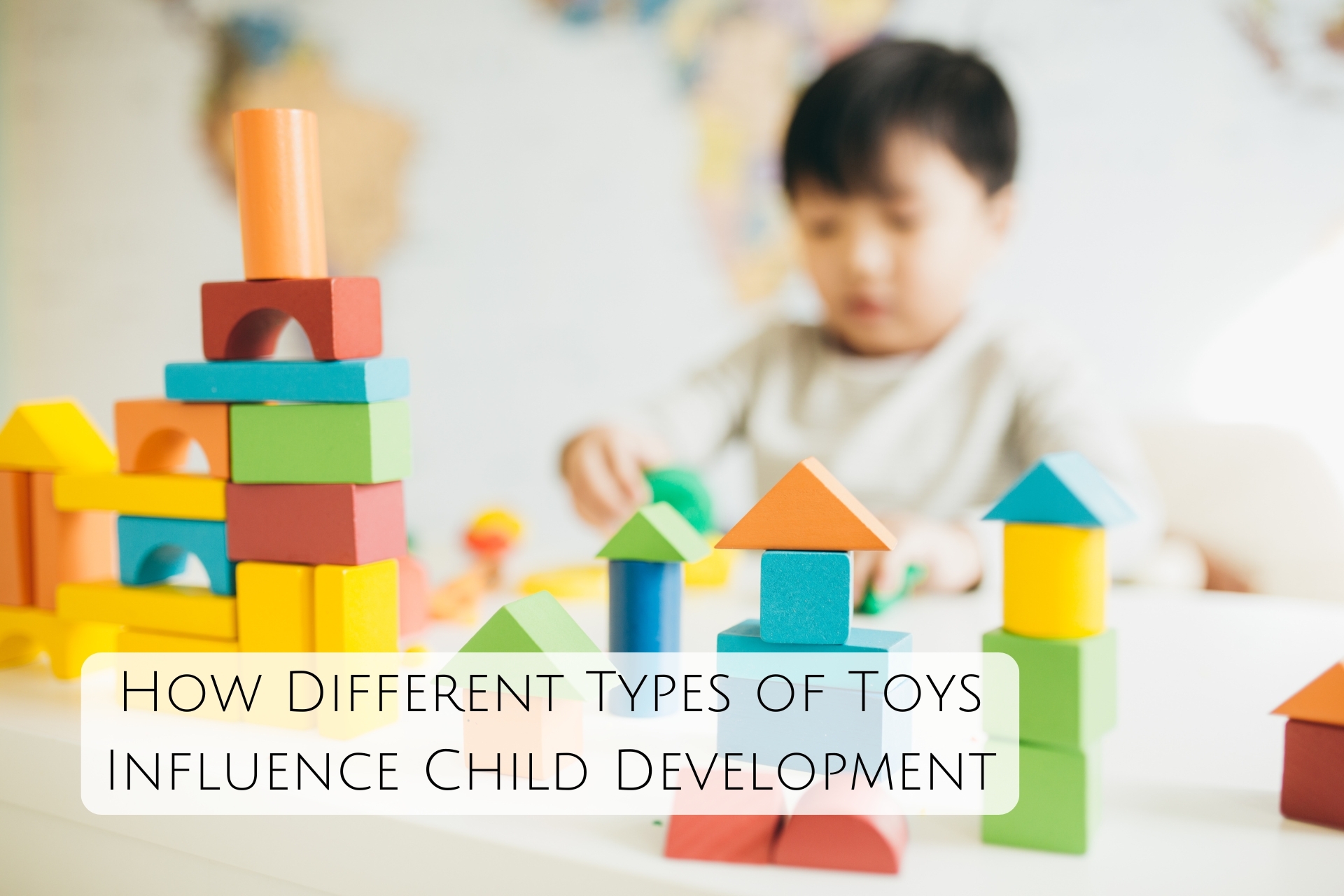
Every toy category has distinct benefits, helping to foster various aspects of development. Here’s a closer look at how specific types of toys contribute to different areas of growth.
1. Educational Toys: Building Cognitive Skills:
Educational toys are designed to engage a child’s intellect and promote learning. Puzzles, alphabet blocks, and counting toys, for instance, help children learn letters, numbers, shapes, and colors.
- Memory and Focus: Memory-based games, such as matching cards, help children improve their recall abilities and increase their attention span.
- Language Skills: Toys that involve letters, words, and numbers, such as flashcards and alphabet boards, foster language acquisition and early literacy skills.
- Critical Thinking: Puzzle toys, construction sets, and STEM kits challenge children to solve problems and use logical reasoning, building their analytical skills and encouraging independent thinking.
Educational toys are effective because they stimulate the brain’s capacity for learning while keeping children engaged in enjoyable activities.
2. Pretend Play Toys: Enhancing Social and Emotional Skills:
Pretend play, also known as imaginative or role-play, is essential for developing empathy, emotional understanding, and social awareness. Dolls, action figures, play kitchens, and dress-up sets allow children to enact different roles, experiment with social behaviors, and process their emotions.
- Empathy and Perspective-Taking: Playing with dolls and action figures helps children imagine others’ feelings, which builds empathy.
- Emotional Processing: By acting out scenarios, such as visiting the doctor or cooking a meal, children can work through their fears, joys, and other emotions, developing emotional resilience.
- Social Interaction Skills: Role-play toys encourage children to collaborate, share, and negotiate, teaching them important social skills and laying the groundwork for future friendships.
Through pretend play, children not only explore their emotions but also learn how to communicate effectively and interact positively with others.
3. Physical Toys: Supporting Motor Skills and Coordination:
Toys that encourage physical activity, like balls, ride-on toys, and climbing structures, are essential for physical development. They help children develop both fine and gross motor skills, strength, and balance.
- Gross Motor Skills: Activities like kicking a ball or riding a tricycle improve muscle strength, coordination, and balance.
- Fine Motor Skills: Manipulative toys, such as stacking blocks or using play dough, help develop hand-eye coordination and precision.
- Spatial Awareness: Physical play helps children understand space, distance, and positioning, which are important for both everyday activities and more complex skills like reading and writing.
Physical toys are crucial for helping children stay active, promoting healthy physical development, and building foundational motor skills.
4. Creative Toys: Nurturing Imagination and Self-Expression:
Creative toys, like crayons, paint, clay, and musical instruments, stimulate a child’s imagination and encourage them to express their individuality. These toys allow children to experiment and create, developing a sense of originality and self-confidence.
- Creativity and Innovation: Art supplies and building materials inspire children to think outside the box, fostering creativity and originality.
- Self-Expression: Creative play allows children to express their emotions, preferences, and ideas, helping them develop a sense of self.
- Problem-Solving: When creating, children encounter challenges and need to find solutions, which builds resilience and adaptability.
Creative toys nurture a child’s imagination, support emotional expression, and allow children to explore their unique identities.
5. Interactive and Tech Toys: Developing Digital Literacy:
Today’s children are growing up in a digital world, making it essential for them to develop digital literacy skills. Interactive toys, such as educational tablets, coding robots, and interactive games, introduce children to technology constructively.
- Coding and Computational Thinking: Coding toys introduce children to logical thinking and problem-solving in a fun, engaging manner.
- Early Digital Skills: Interactive tablets and apps designed for children provide educational games that help children learn letters, numbers, and basic tech skills.
- Attention and Focus: Certain digital games, especially those with educational content, can improve children’s attention span and ability to follow instructions.
While tech toys can be beneficial, parents need to supervise usage and ensure a healthy balance between screen time and other types of play.
Tips for Choosing the Right Toys to Support Development: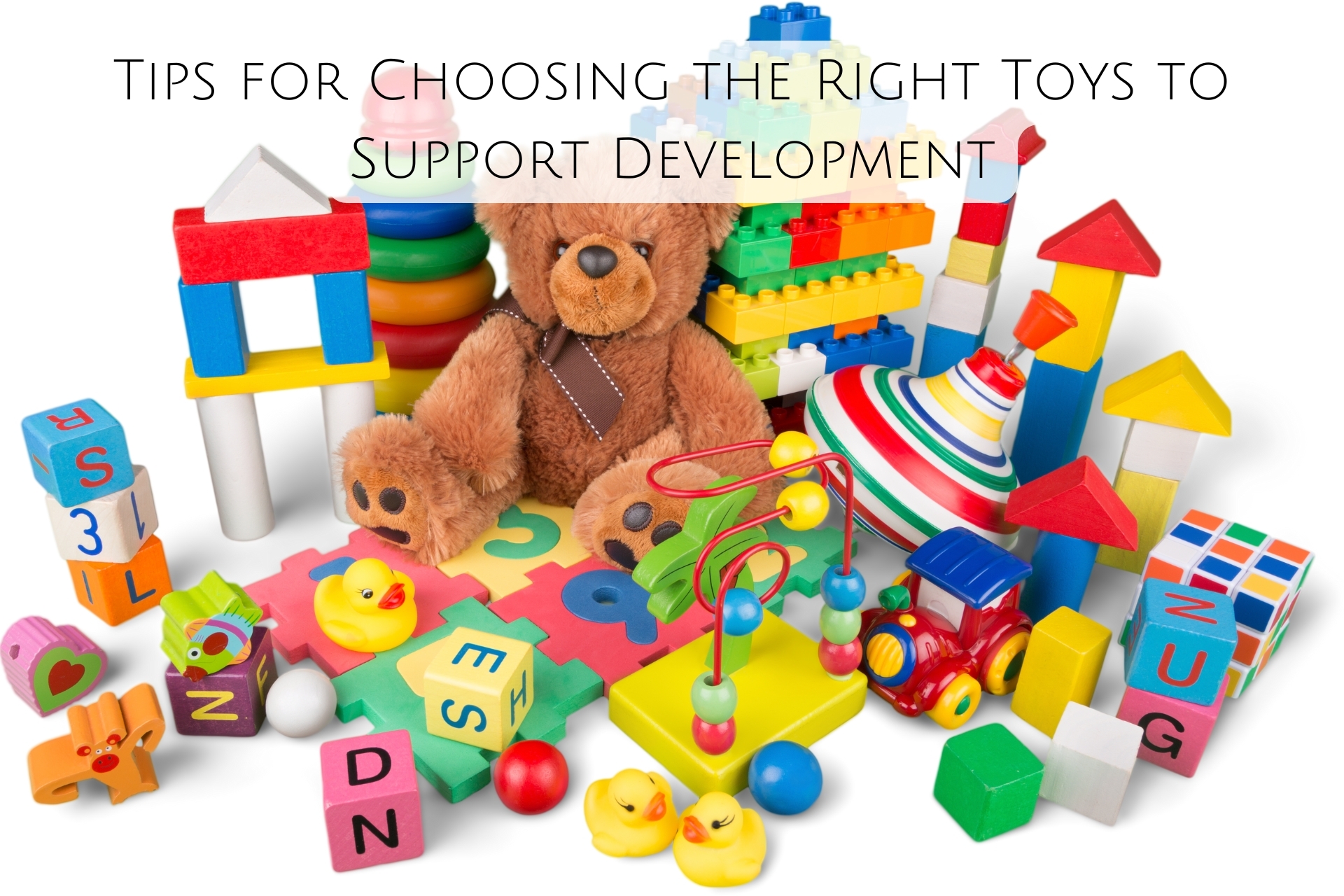
Choosing the right toys involves more than just finding what’s trendy or popular. Here are some tips for selecting toys that can support healthy development:
- Select Toys That Encourage Open-Ended Play: Toys that can be used in various ways, like building blocks or art supplies, encourage creativity and problem-solving.
- Prioritize Age-Appropriate Toys: Choose toys suited to a child’s developmental stage to ensure safety and engagement.
- Encourage a Mix of Toy Types: Providing a range of toys—educational, physical, pretend play, and creative—supports well-rounded growth.
- Look for Toys that Promote Interaction: Toys that encourage group play foster social skills, helping children learn to share, collaborate, and communicate.
Conclusion: The Lasting Impact of Play and Toys on Development: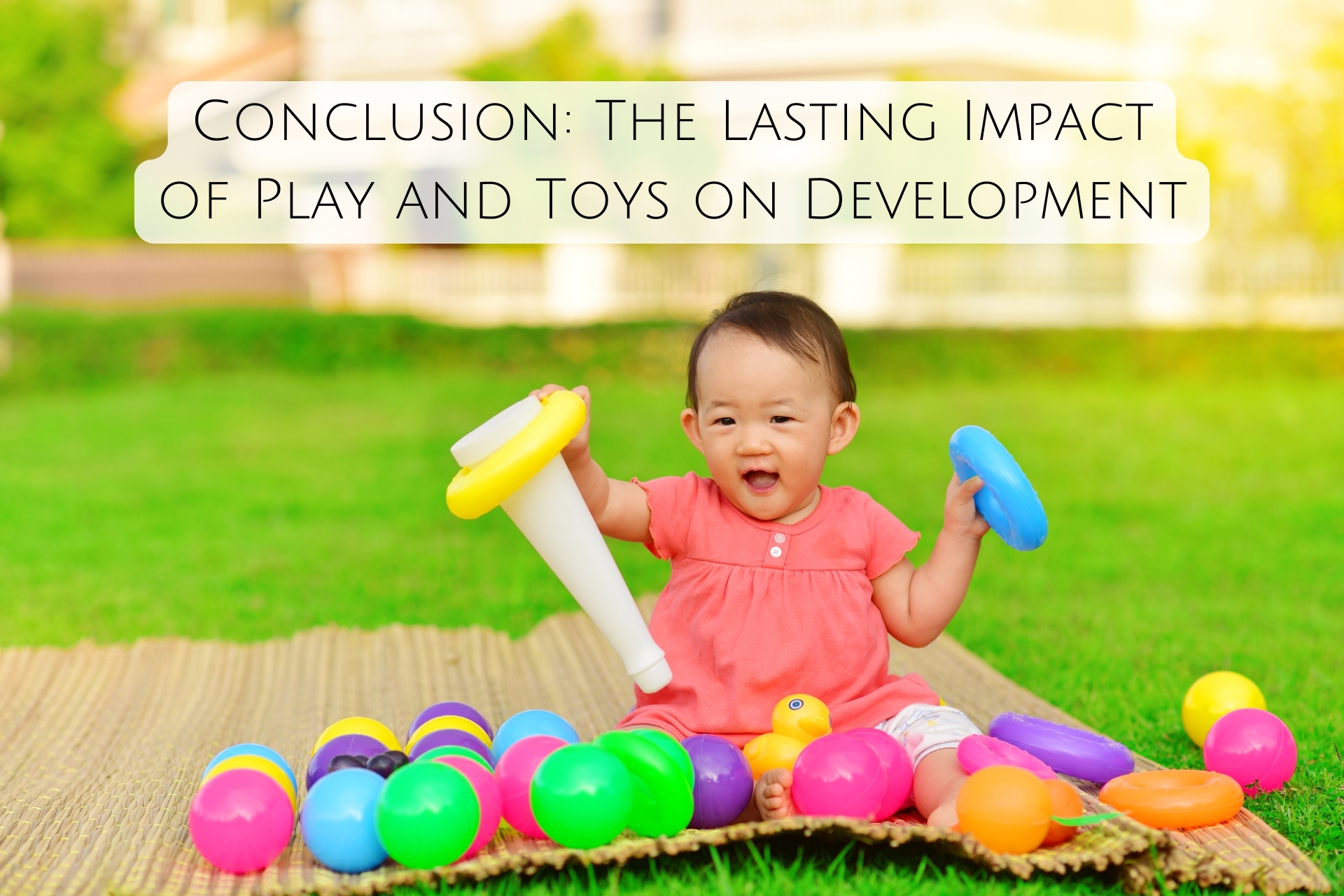
Toys are more than tools for keeping children entertained; they are catalysts for learning, growth, and emotional exploration. From building cognitive skills with educational toys to developing social and emotional skills through pretend play, the toys children engage with shaping their abilities, personalities, and relationships. Thoughtfully choosing toys can foster a child’s curiosity, resilience, empathy, and creativity—qualities that last a lifetime.
Understanding the psychology of play and the value of diverse toy types can empower parents and educators to select toys that inspire growth and joy, providing children with a foundation for lifelong learning and development.
Knowledge Hub

Smart Homes Begin in the Kitchen: How Smart Appliances Are Transforming Indian Cooking
Introduction: The evolution of technology has significantly transformed various aspects of everyday...


Your Kitchen Deserves an Upgrade: Must-Have Kitchen Gadgets for Modern Cooks
Introduction: Upgrading your kitchen with new gadgets can turn routine meals into creative adventur...

The Future of Outdoor Recreation: Smart Tools and Gadgets
Outdoor recreation has long been an integral part of human culture, offering opportunities to connec...

The Digital Home: Organizing Your Virtual Space for a Stress-Free Life
In today’s world, much of our lives happen in the digital realm. We manage work, personal tasks, and...

The Importance of Regular Maintenance: How It Affects Replacement Parts Longevity
In the world of machinery, appliances, and vehicles, the longevity of equipment largely depends on h...