
The Power of Textures: Mixing Materials in Home Accessories
In interior design, texture transforms, bringing depth, warmth, and character to a space. Textures in home accessories go beyond aesthetic appeal—they create a sensory experience that can make rooms feel more inviting, luxurious, or even adventurous. Mixing materials in home accessories, like throws, pillows, lamps, and decor items, opens up new dimensions in design, helping to personalize spaces and connect with your unique style. Here’s how you can master the art of mixing textures and materials in home accessories for an impactful, harmonious design.
Understanding Texture as a Design Element:
Texture refers to how a material feels and how its appearance creates a tactile response. For instance, soft textures like velvet and linen evoke comfort, while rougher ones like jute or wood suggest a more rugged, natural vibe. Mixing textures can help establish a mood within your room. Sleek, smooth surfaces—think glass, polished metals, or ceramic—bring a modern feel, while natural, woven materials offer warmth and an organic quality.
Textures often work in synergy with colors and shapes to complete the ambiance of a space. Think of texture as the final brushstroke that brings your design to life.
Balancing Contrasting Materials: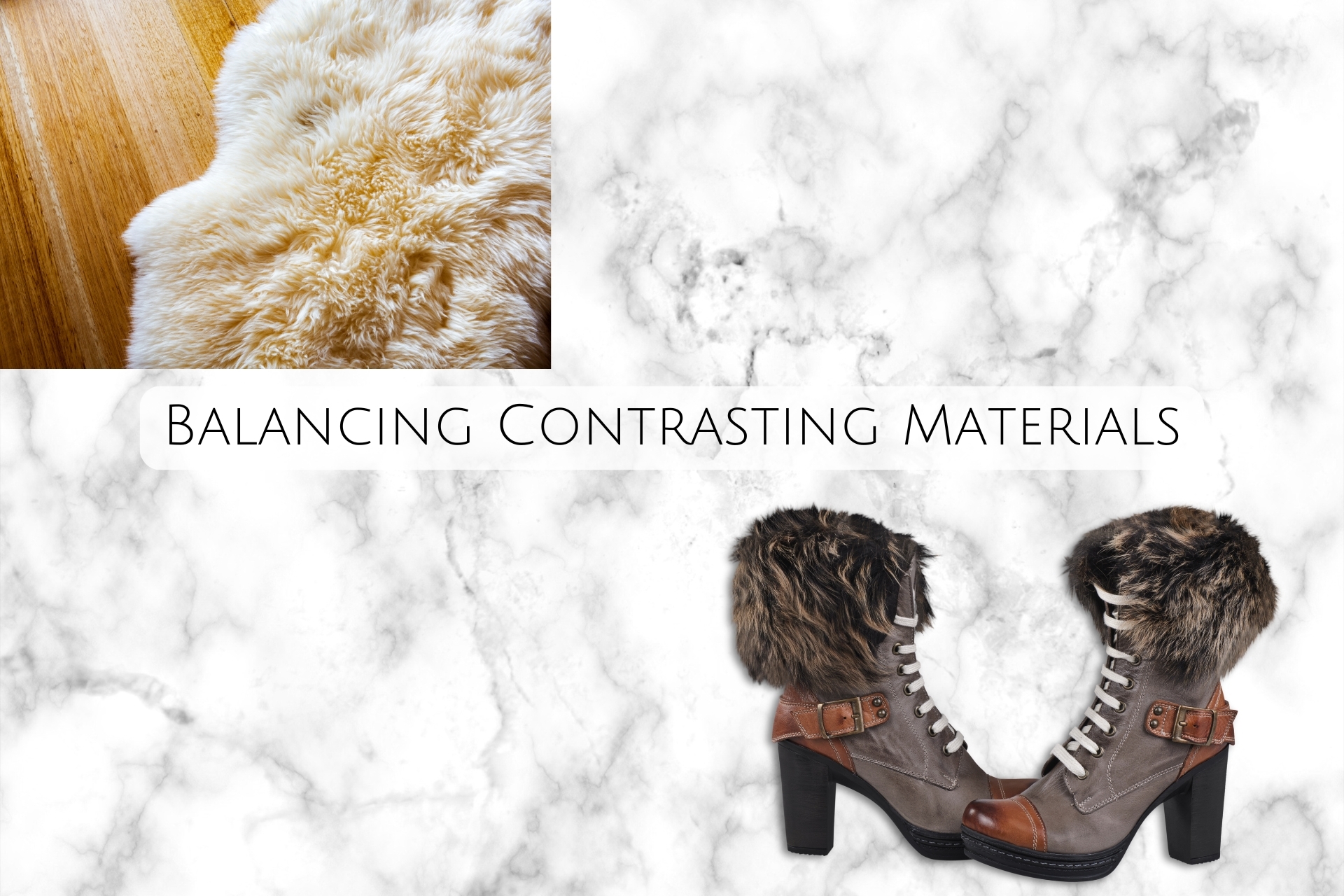
Creating a well-balanced look with mixed textures starts by pairing contrasting materials. For example, place a soft, knitted throw on a leather couch to soften its look, or add a glass vase to a wood table to create an elegant contrast. Combining metals with natural materials like stone, wood, or linen can create a harmonious balance between luxury and nature. Here are some favorite material pairings:
- Leather & Fur: Perfect for adding richness and warmth in living rooms or dens.
- Marble & Metal: Often used in modern and contemporary designs, this pairing feels sleek and luxurious.
- Wood & Wool: Great for cozy or rustic spaces; wood adds warmth, and wool brings softness.
Using Layering for Visual Depth: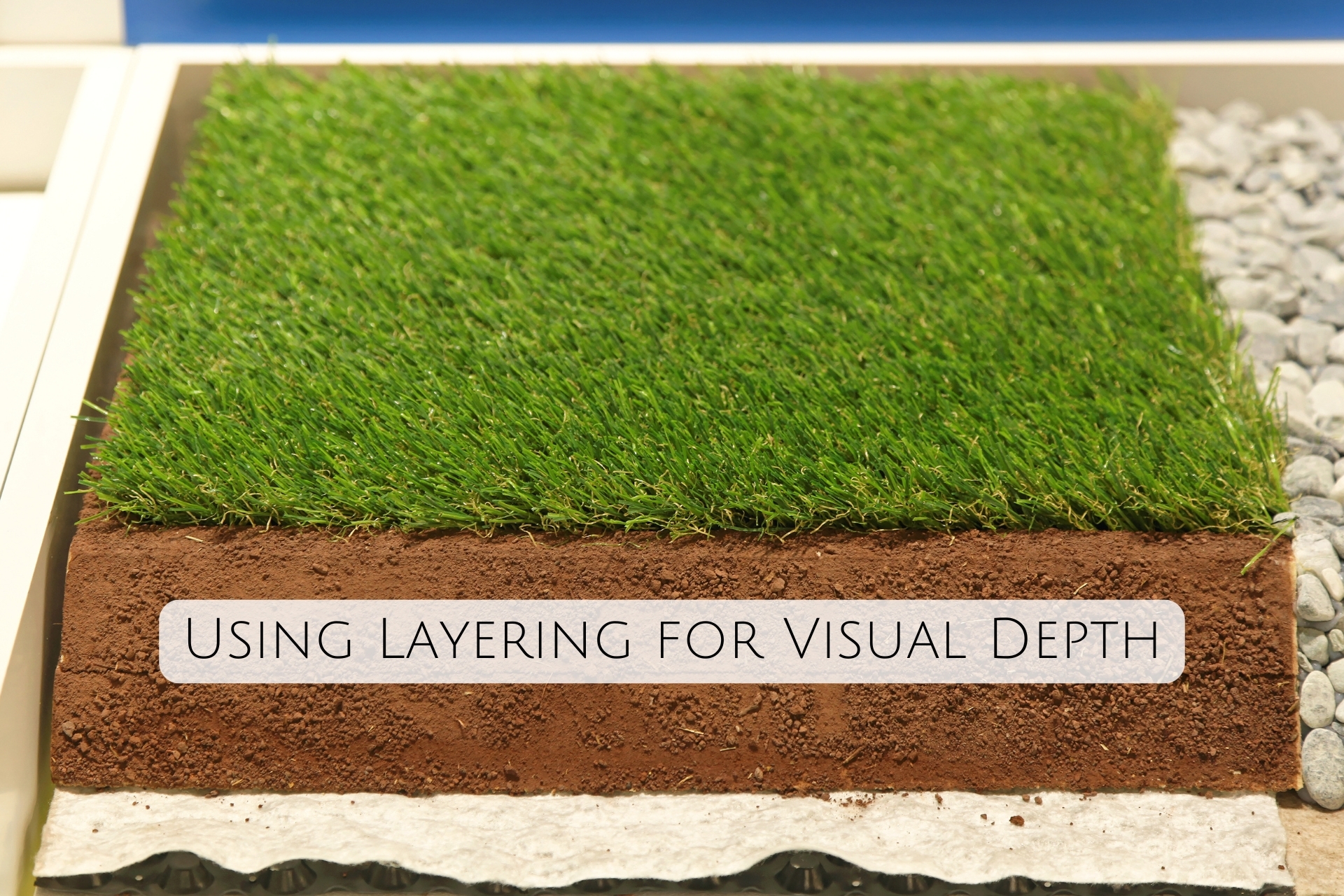
Layering textures is one of the simplest ways to add visual interest. Start with a base texture, like a soft area rug, and build up with contrasting accessories throw pillows in mixed fabrics, layered with a blanket or two of different textures and thicknesses. In this way, you add dimension to a space without overwhelming it. When layering, try to follow a color scheme so that the textures do the talking without competing for attention.
Experimenting with Raw and Refined Finishes:
Mixing raw, earthy materials with refined finishes can create a dynamic and balanced look. For example, distressed wood and polished metal can add a sense of history and modernity at once. A rough stone bowl placed alongside a glossy ceramic accessory can bring both grounding and elegance to the design. The beauty of this mix lies in its ability to make spaces feel curated yet comfortably lived-in.
Choosing Textured Accessories for Key Areas:
- Living Room: Try a mix of soft fabrics like velvet, wool, or cotton in pillows and throws. Add in metal and glass accents in side tables or lighting for contrast.
- Bedroom: Layer natural fibers like cotton and linen in bed linens, add a plush headboard for depth, and finish with small metal or wood decor accents.
- Kitchen & Dining: Balance wood cutting boards or ceramic vases with metal fixtures or glass.
Creating a Harmonious Flow of Textures:
When mixing textures, aim for a cohesive design by creating a flow from one room to another. Repeating certain textures or materials can help to visually link different spaces, creating a unified look even when different materials are used. If your living room has hints of brass, try incorporating brass or gold tones in other areas of the house to create visual consistency.
Tips for Getting Started with Texture Mixing: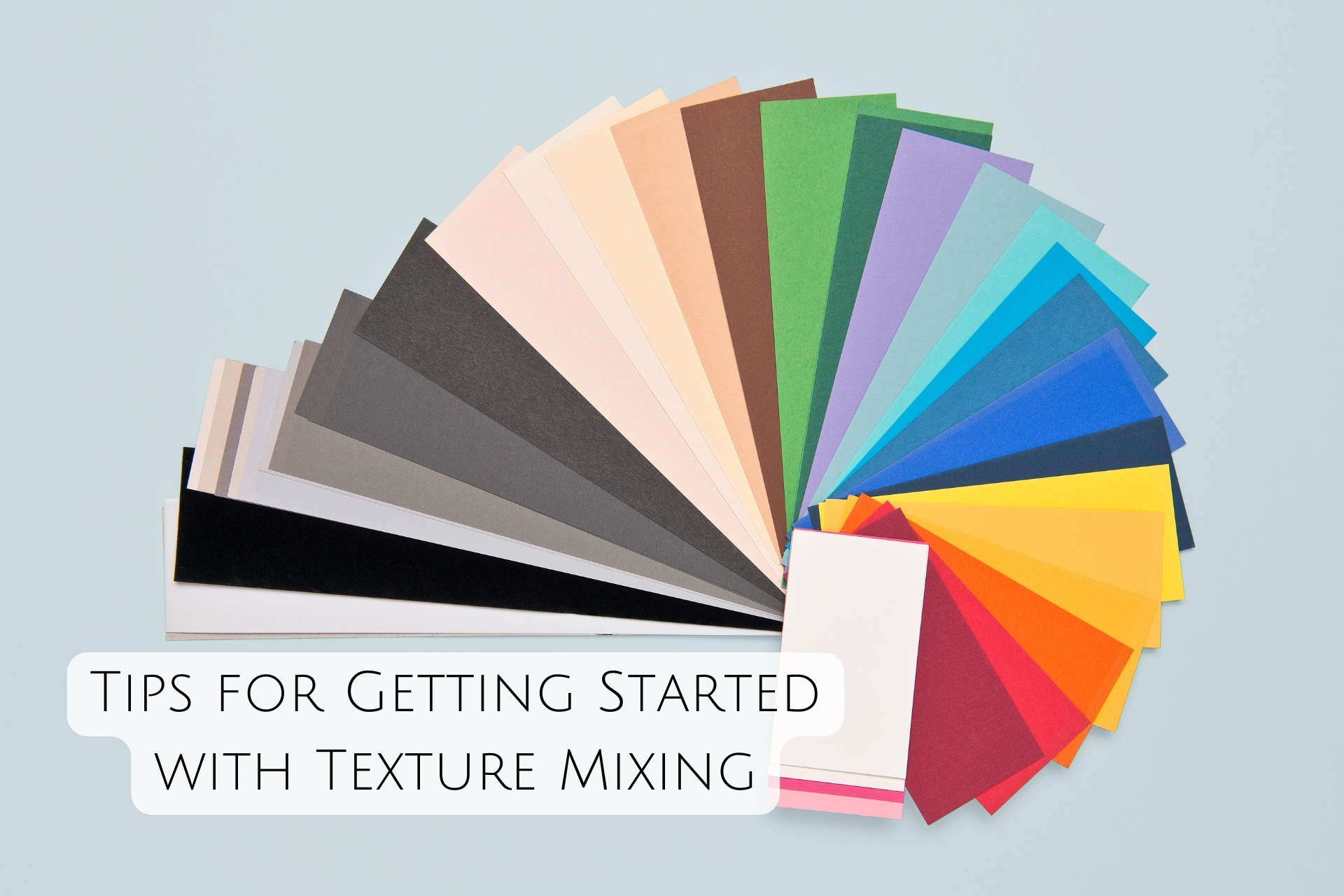
- Start Small: If you’re new to mixing textures, try introducing a few textured throw pillows or a single area rug with a new material.
- Stick to a Color Palette: To avoid visual clutter, use a color palette that ties the textures together.
- Experiment with DIY Projects: For a personal touch, consider DIY projects to add texture, like painting a textured wall or adding decorative trim to plain cushions.
Key Textural Combinations: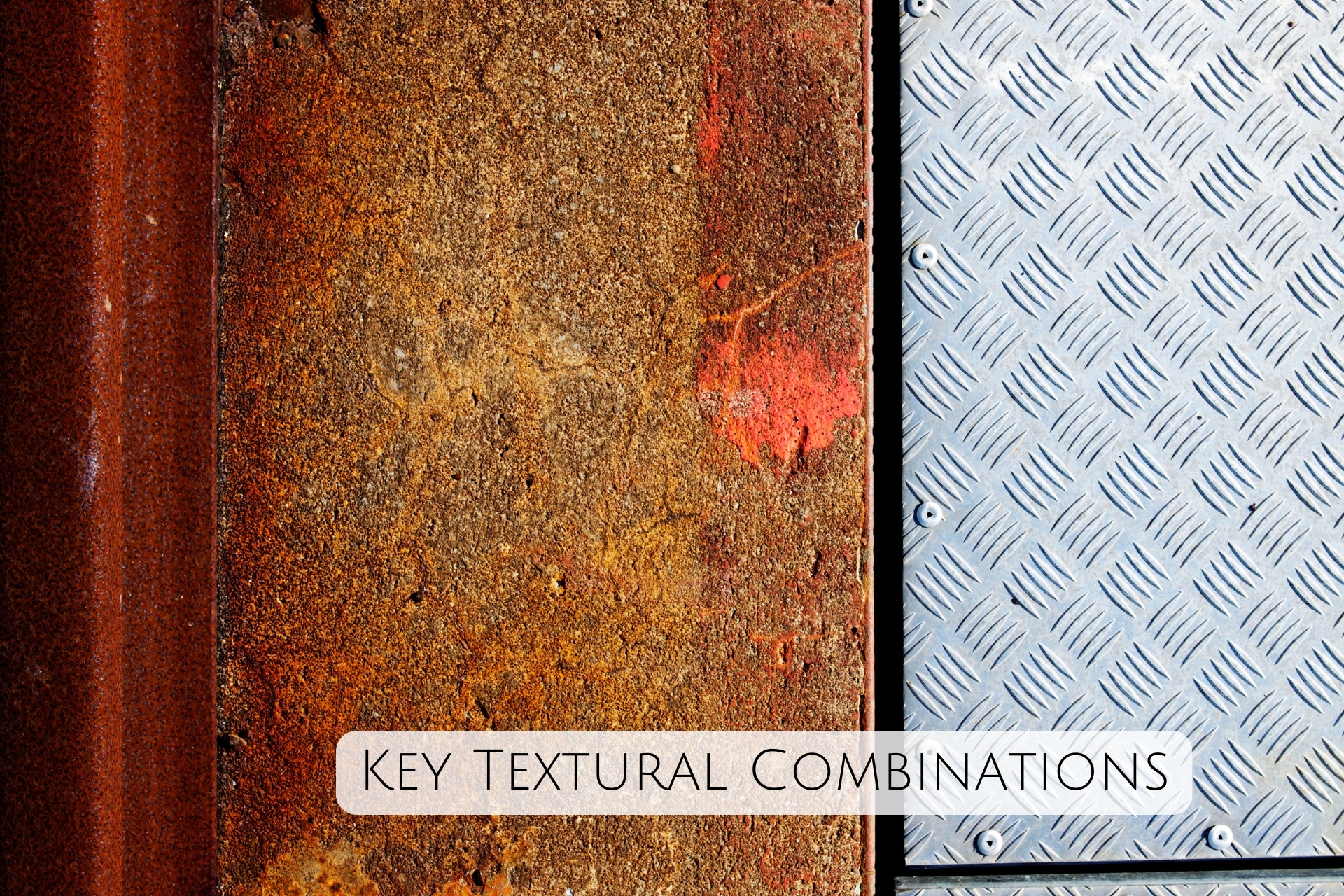
- Natural and Industrial:
- Pairing: Combine the warmth of natural materials like wood and rattan with the cool, sleek look of metal and glass.
- Example: A rustic wooden coffee table paired with a sleek metal lamp and glass vases.
- Modern and Traditional:
- Pairing: Blend contemporary elements with classic textures like velvet and linen.
- Example: A modern leather sofa paired with a velvet throw pillow and a traditional wooden coffee table.
- Organic and Geometric:
- Pairing: Contrast the fluidity of organic shapes with the precision of geometric patterns.
- Example: A ceramic vase with organic curves paired with a geometric throw blanket.
Final Thoughts:
Mixing textures in home accessories is an art form that can transform a flat design into an engaging, multi-dimensional space. The right balance of soft, rough, shiny, and matte finishes can make your home feel both sophisticated and comfortable. So, next time you’re styling your home, look for opportunities to layer in contrasting materials to achieve a design that truly reflects your personality and style.
Knowledge Hub

Smart Homes Begin in the Kitchen: How Smart Appliances Are Transforming Indian Cooking
Introduction: The evolution of technology has significantly transformed various aspects of everyday...


Your Kitchen Deserves an Upgrade: Must-Have Kitchen Gadgets for Modern Cooks
Introduction: Upgrading your kitchen with new gadgets can turn routine meals into creative adventur...

The Future of Outdoor Recreation: Smart Tools and Gadgets
Outdoor recreation has long been an integral part of human culture, offering opportunities to connec...

The Digital Home: Organizing Your Virtual Space for a Stress-Free Life
In today’s world, much of our lives happen in the digital realm. We manage work, personal tasks, and...

The Importance of Regular Maintenance: How It Affects Replacement Parts Longevity
In the world of machinery, appliances, and vehicles, the longevity of equipment largely depends on h...