
The Importance of Regular Maintenance: How It Affects Replacement Parts Longevity
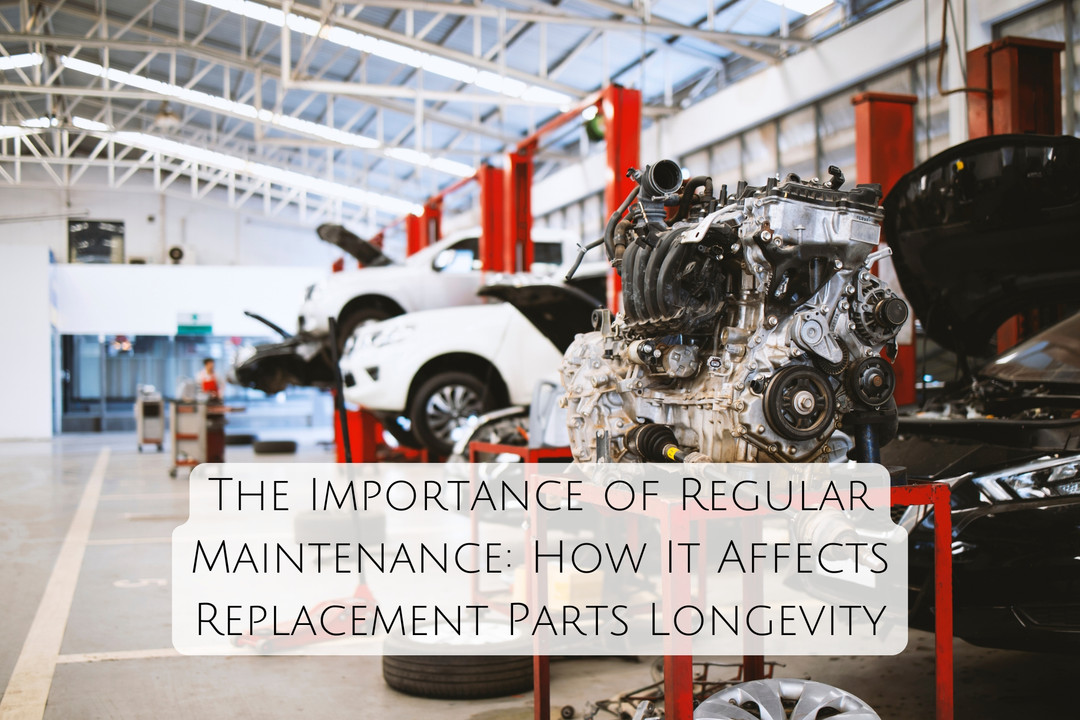
In the world of machinery, appliances, and vehicles, the longevity of equipment largely depends on how well it’s maintained. Regular maintenance is one of the most crucial factors that determine the lifespan of replacement parts. By understanding the connection between regular maintenance and the longevity of replacement parts, you can ensure that your investments last longer, perform better, and continue to operate efficiently.
What Happens During Regular Maintenance? 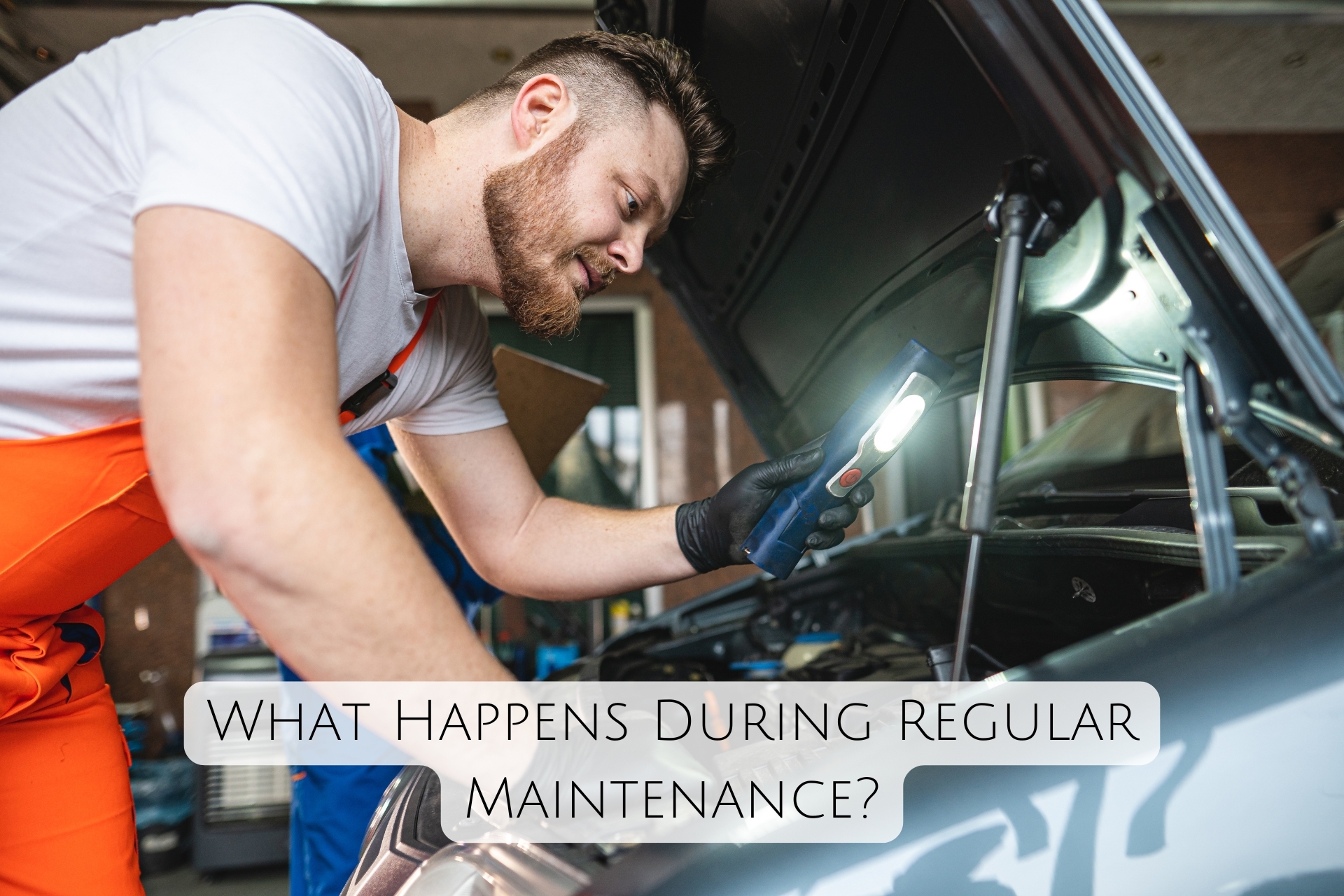
Regular maintenance refers to a schedule of routine tasks designed to keep a system running smoothly. These tasks typically include lubrication, cleaning, tightening, adjustments, inspections, and replacing worn-out parts before they fail. Whether you're maintaining your car, industrial machinery, home appliances, or even computer equipment, each system requires specific care to function optimally.
For instance, a vehicle requires oil changes, brake inspections, tire rotations, and fluid checks. Home appliances like refrigerators, washers, and HVAC systems also benefit from periodic cleaning, filter replacements, and part lubrication. Regular servicing helps identify potential issues early, reducing the likelihood of major breakdowns and extending the life of replacement parts.
How Regular Maintenance Affects Replacement Parts :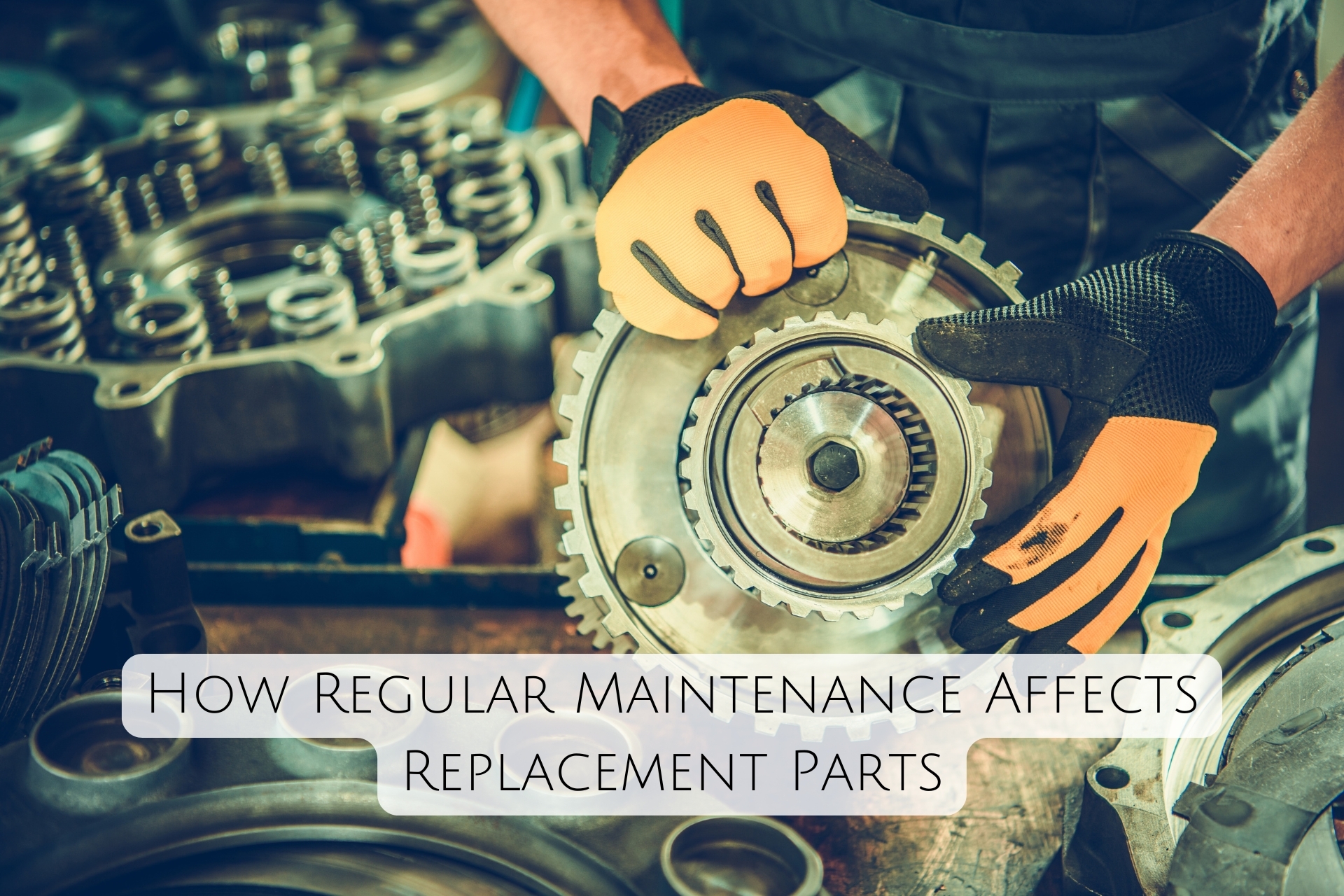
Regular maintenance influences the longevity of replacement parts in several important ways:
1. Prevents Premature Wear and Tear :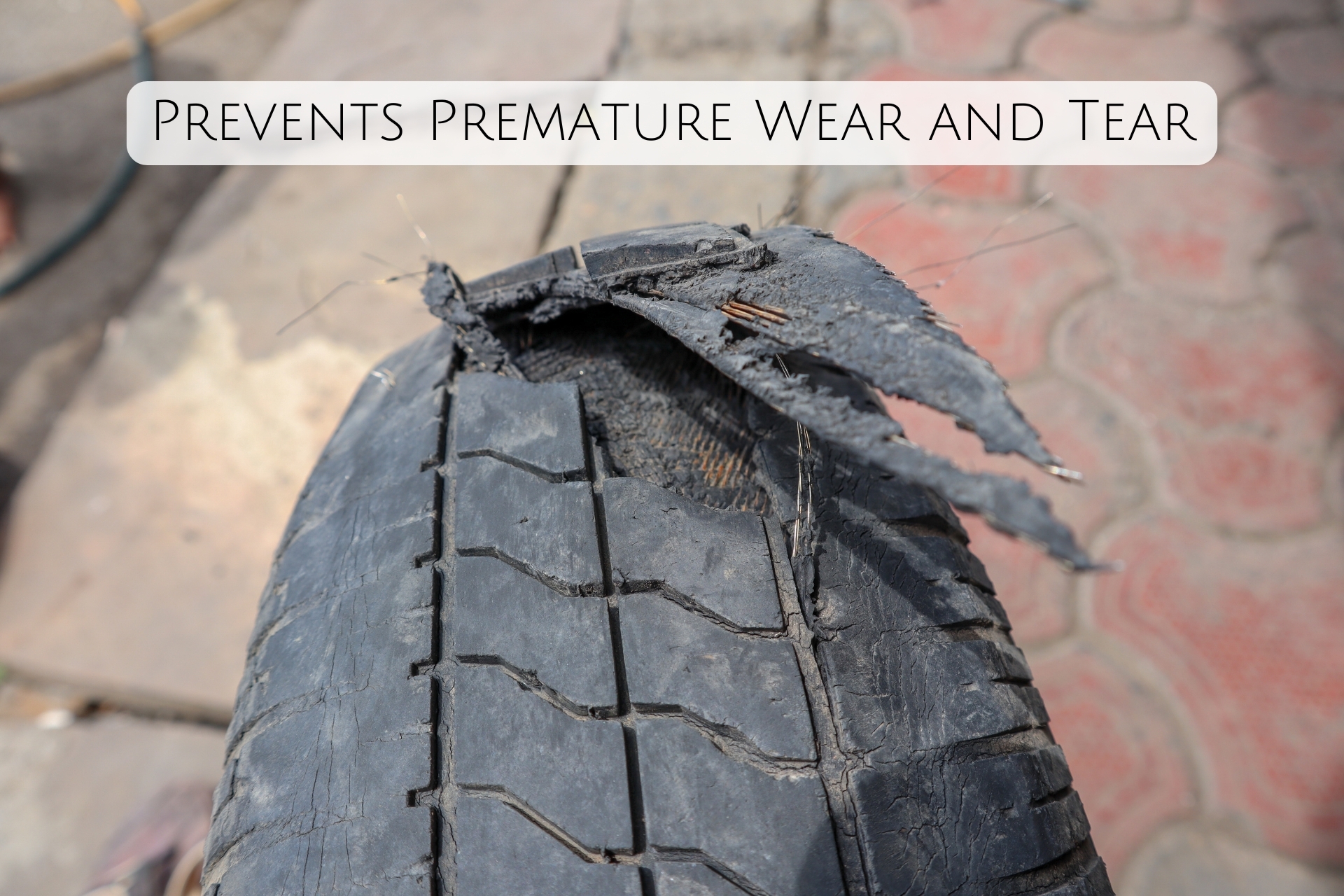
Every machine or system has moving parts that are subject to friction and stress. Over time, these parts naturally wear down due to constant use. Without maintenance, parts like belts, bearings, and seals can degrade quickly, leading to breakdowns or failure. Regularly cleaning, lubricating, and adjusting parts helps reduce friction, minimizing wear and extending the lifespan of these components.
For example, in automotive maintenance, the oil in an engine serves as both a lubricant and a coolant.
2. Early Detection of Issues :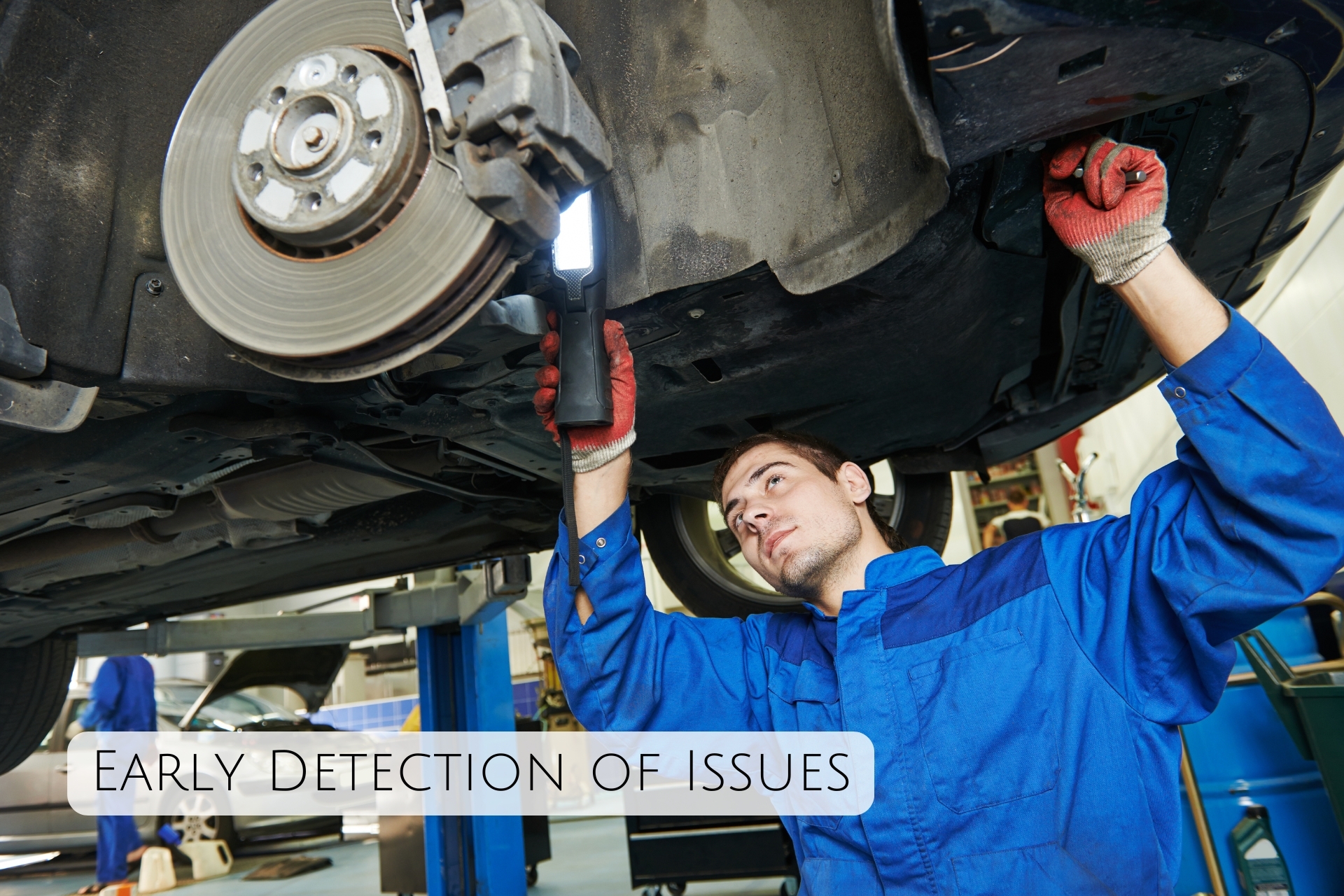
Routine maintenance allows for early detection of potential problems. By catching these issues early through inspections or monitoring, you can replace parts before they cause further damage to surrounding components.
For instance, if a car’s brakes are inspected regularly, technicians can identify worn-out brake pads and replace them before the brakes wear down to the metal. Without regular checks, worn brake pads can damage the rotors, resulting in more expensive repairs.
3. Ensures Efficient Operation:
Proper maintenance ensures that all parts in a system operate at peak efficiency. When parts are clean, well-lubricated, and functioning as they should, they don't have to work harder than necessary, which reduces strain on the system and other components. By ensuring that all parts are running efficiently, regular maintenance can help prevent overworking any one component, which leads to fewer breakdowns and extends the life of replacement parts.
4. Reduces Stress on Components: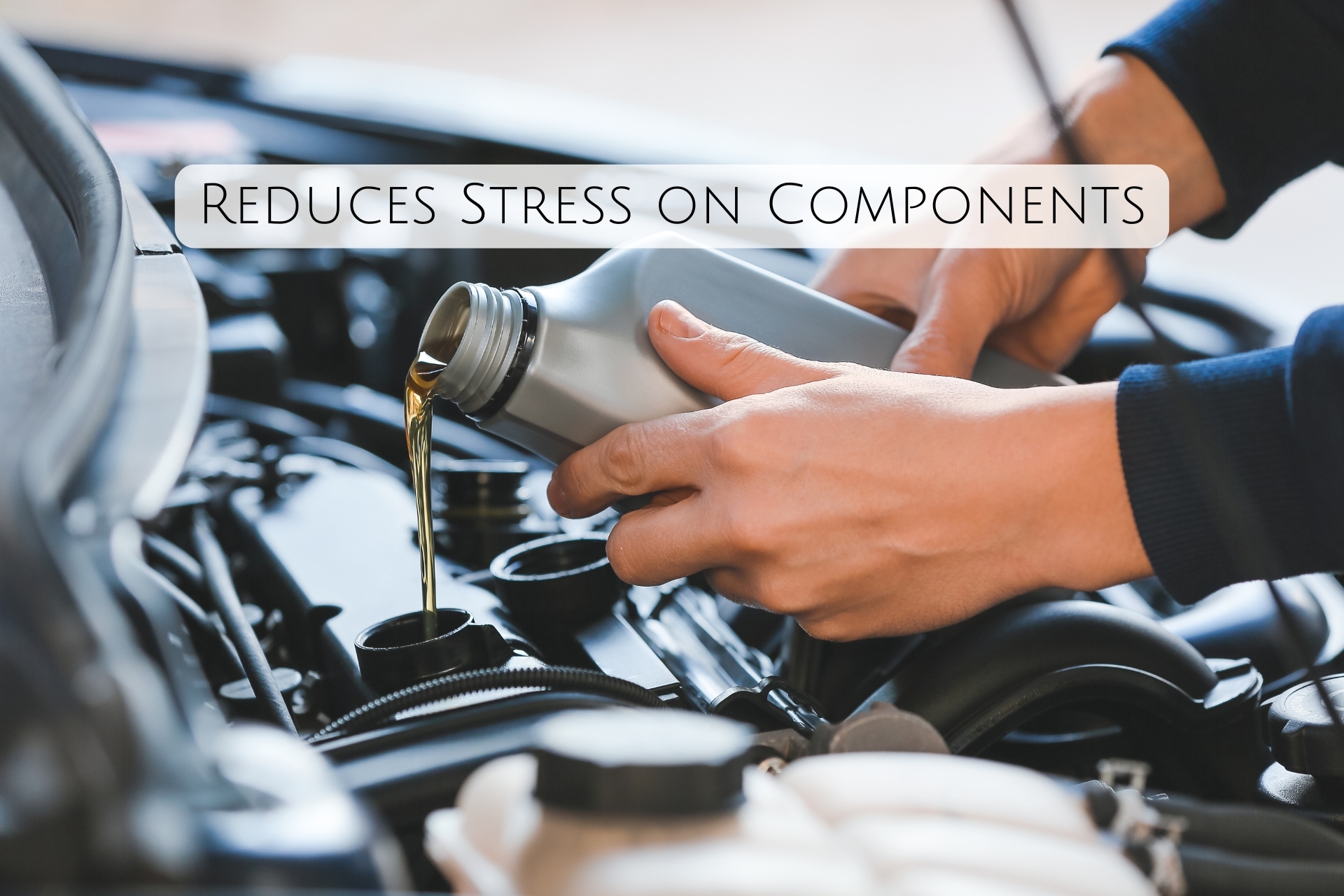
If systems are not maintained, individual components can begin to bear the brunt of wear and tear, leading to faster deterioration. Regularly changing filters and cleaning components reduces this additional stress, allowing parts to perform better and last longer.
Another example is the engine of a car, where things like low oil levels or dirty spark plugs can cause additional strain on the engine, forcing other components to compensate. Maintenance tasks such as oil changes and spark plug replacements can relieve that strain and prolong the engine’s longevity.
5. Increases Overall System Reliability: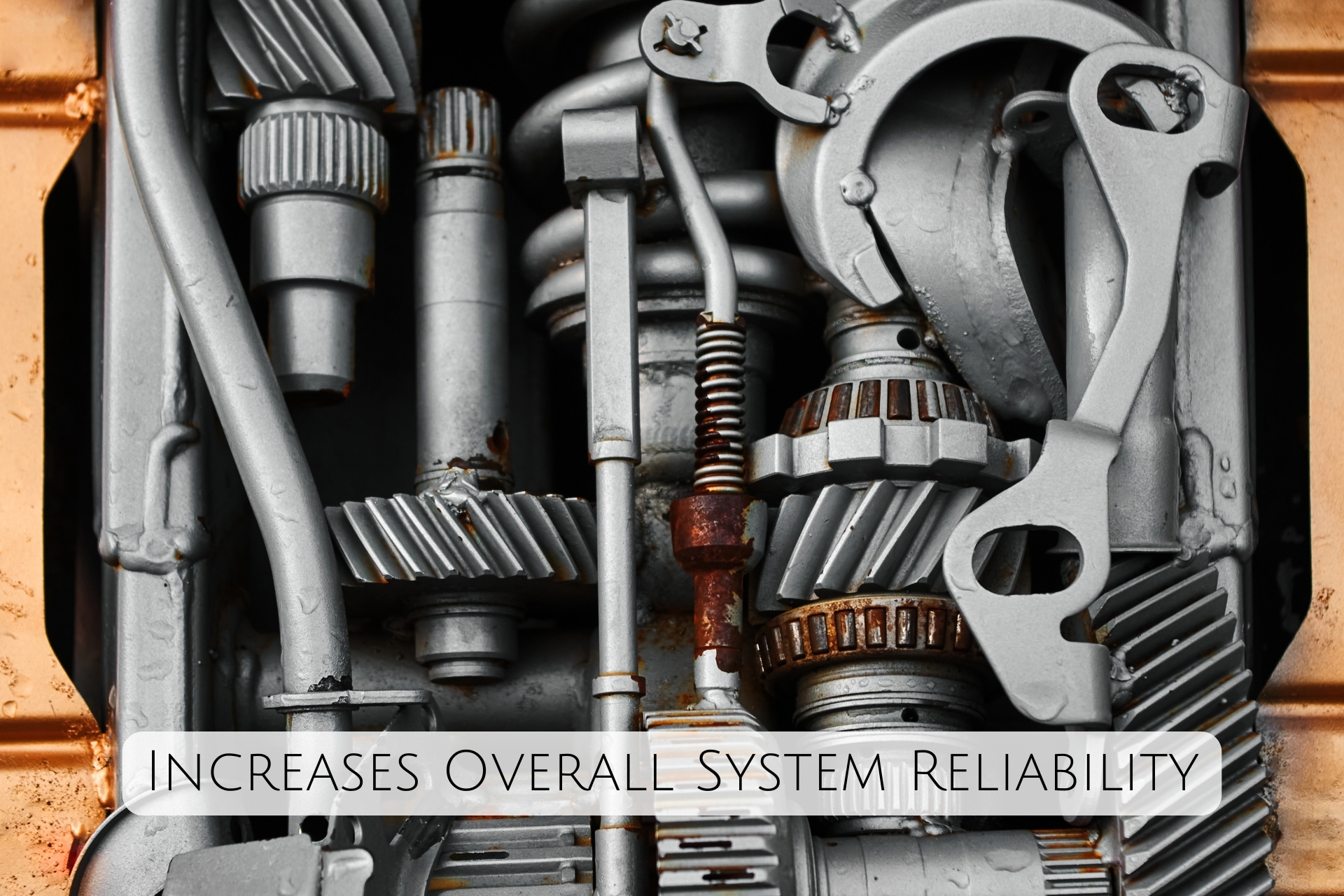
Systems that receive regular maintenance are more reliable, reducing the likelihood of unexpected failures and costly emergency repairs. When you routinely inspect parts and replace those that are showing signs of wear, you are increasing the overall reliability of your equipment. This is particularly important for systems that are critical to business operations, such as industrial machinery or transportation vehicles, where an unexpected breakdown can lead to significant downtime.
For example, a factory’s conveyor system requires regular maintenance to ensure that all belts, rollers, and motors are in good working order. Routine servicing ensures that the system can operate consistently without failure, saving time and money by preventing breakdowns that could halt production.
6. Extends the Life of Both Original and Replacement Parts: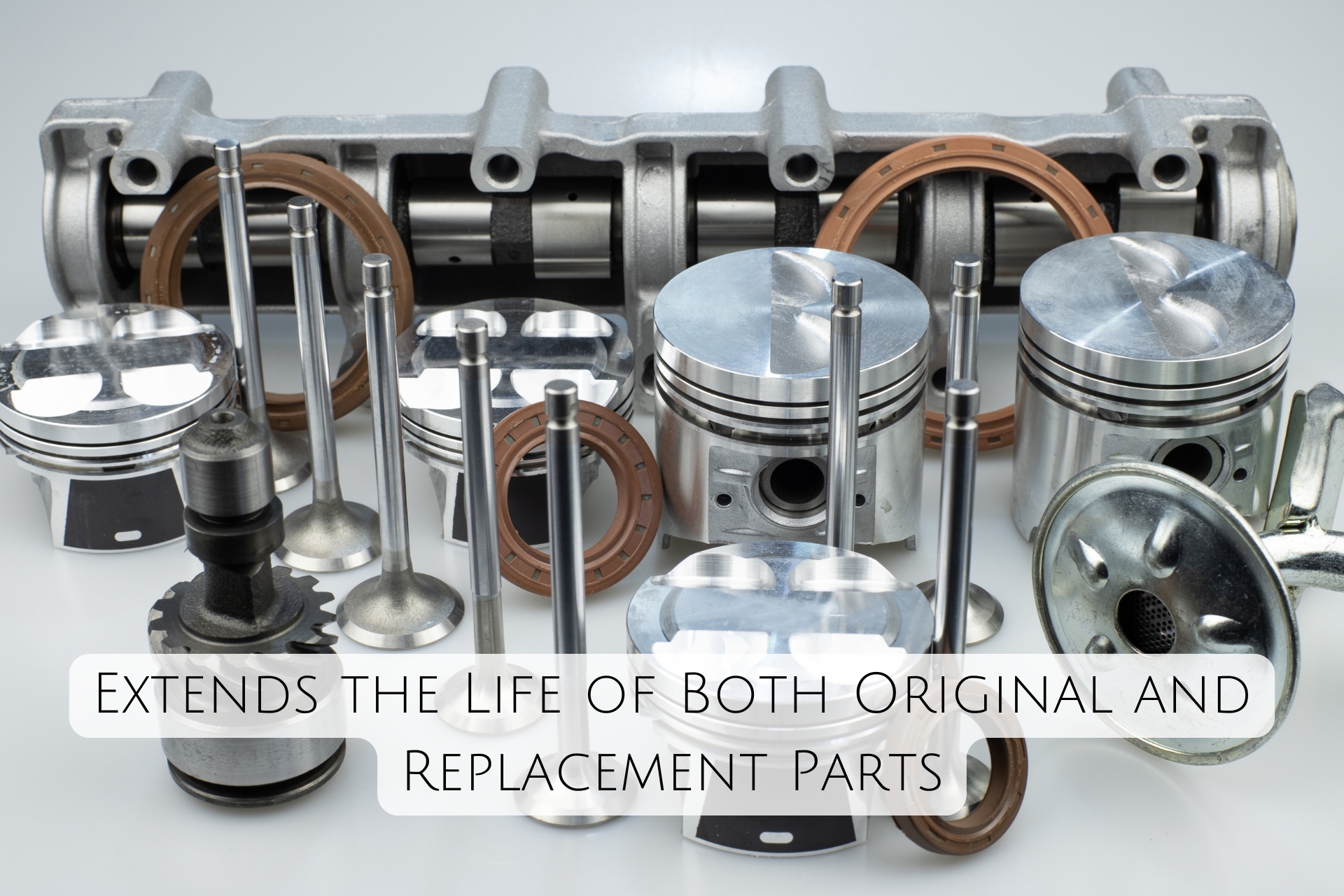
The goal of regular maintenance is to help both the original and replacement parts in a system last longer. For example, a car’s timing belt is designed to last a certain number of miles, but if it’s not regularly inspected and replaced, it may fail earlier than expected. In contrast, regular checks and timely replacement can allow the new timing belt to last for its full lifespan.
Similarly, the longevity of replacement parts like filters, gaskets, and seals can be enhanced through regular checks. If these components are replaced or maintained as part of a larger system maintenance routine, they are less likely to fail prematurely due to neglect or accumulated wear.
7. Protects Warranty and Insurance Coverage:
Many manufacturers provide warranties for their products, but these warranties often require proof that the system has been properly maintained. Regular maintenance helps ensure that warranties remain valid and that you can take full advantage of any coverage if parts need to be replaced. In addition, insurance policies often require evidence that regular maintenance has been performed, especially for high-value equipment like cars or industrial machinery.
Key Tips for Extending Replacement Parts Longevity:
- Follow Manufacturer’s Maintenance Schedule: Always refer to the manufacturer’s manual for recommended maintenance intervals. These schedules are designed based on years of research and testing, ensuring optimal care for your equipment. Following these guidelines is the best way to ensure longevity.
- Use High-Quality Parts: When replacement parts are necessary, it’s essential to use high-quality components.
- Stay Ahead with Preventative Maintenance: Regular inspections and servicing help identify potential issues before they become major problems. This proactive approach helps to replace parts before they fail, reducing the risk of sudden, costly repairs.
- Keep Accurate Maintenance Records: Maintaining a detailed log of all maintenance activities, including part replacements and inspections, can help you track the system’s performance over time. This documentation is also beneficial for warranties and insurance purposes.
- Consult Professionals When Needed: While DIY maintenance is beneficial, certain systems require expert attention. Having a professional technician conduct inspections ensures that all parts are functioning correctly and that small issues are caught early.
- Don’t Overlook Small Issues: Addressing minor problems quickly can prevent them from turning into expensive repairs.
Conclusion: The Long-Term Benefits of Regular Maintenance: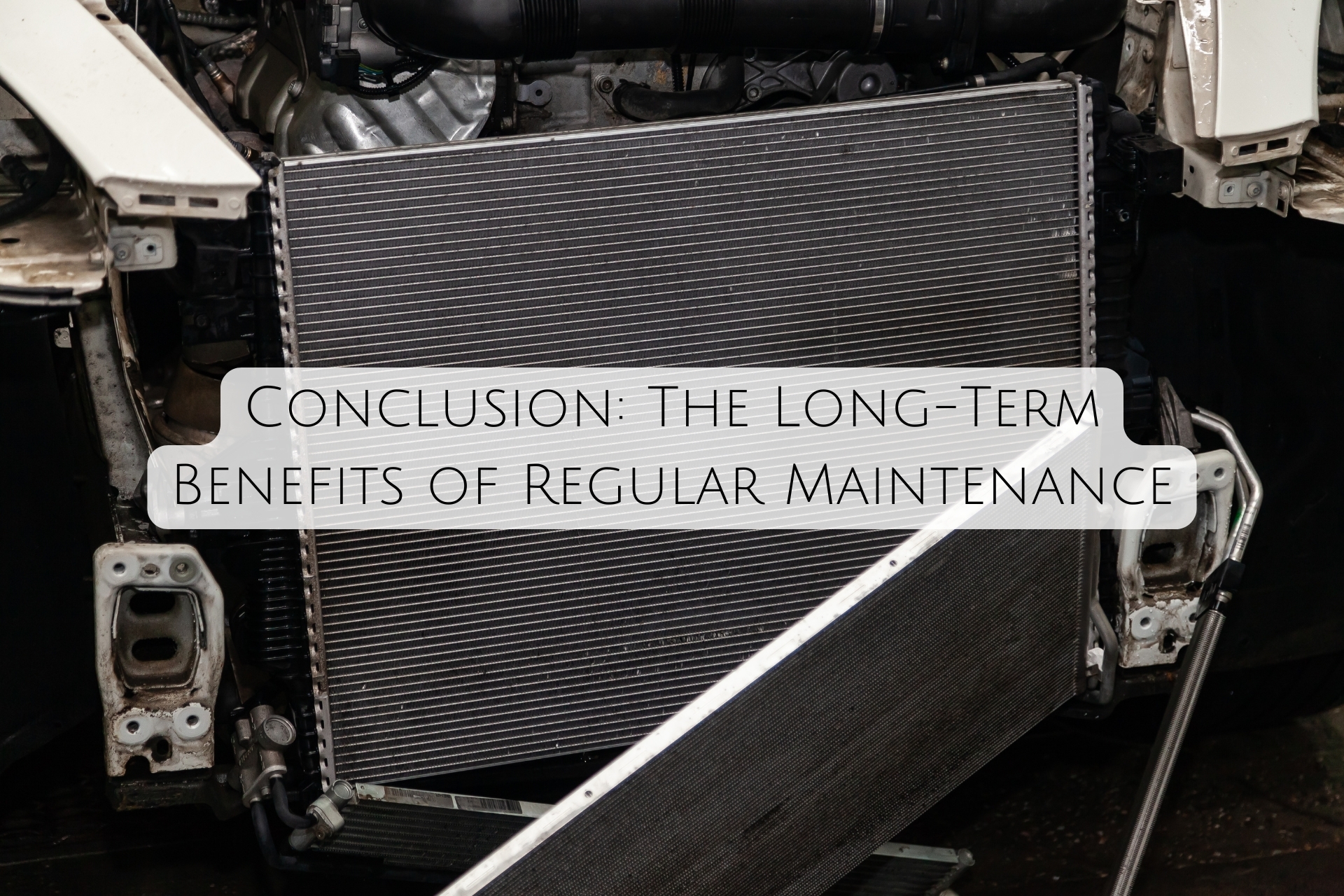
Regular maintenance plays a critical role in the longevity of both original and replacement parts. By keeping systems running smoothly and identifying potential issues early, you not only prevent costly breakdowns but also extend the life of your equipment, vehicles, and appliances. The investment in routine maintenance is always worth it, as it saves money in the long term by reducing the need for premature replacements and preventing unexpected failures.
Proper maintenance ensures that your systems are safe, reliable, and efficient, providing peace of mind and maximizing the value of your investments. So, whether it’s your car, home appliances, or industrial machinery, make regular maintenance a priority to keep everything running at its best for years to come.
Knowledge Hub

Your Kitchen Deserves an Upgrade: Must-Have Kitchen Gadgets for Modern Cooks
Introduction: Upgrading your kitchen with new gadgets can turn routine meals into creative adventur...

The Future of Outdoor Recreation: Smart Tools and Gadgets
Outdoor recreation has long been an integral part of human culture, offering opportunities to connec...

The Digital Home: Organizing Your Virtual Space for a Stress-Free Life
In today’s world, much of our lives happen in the digital realm. We manage work, personal tasks, and...
The Importance of Regular Maintenance: How It Affects Replacement Parts Longevity
In the world of machinery, appliances, and vehicles, the longevity of equipment largely depends on h...
The Interconnection of Hydraulics, Pneumatics, and Plumbing: Understanding Fluid Power Systems
Fluid power systems are a cornerstone of modern technology, playing a crucial role in various indust...
The Evolution of Scanners: From Drum Scanners to Portable Handheld Devices
The journey of scanning technology is a fascinating one, marked by decades of innovation and adaptat...