
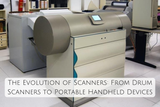
The Evolution of Scanners: From Drum Scanners to Portable Handheld Devices
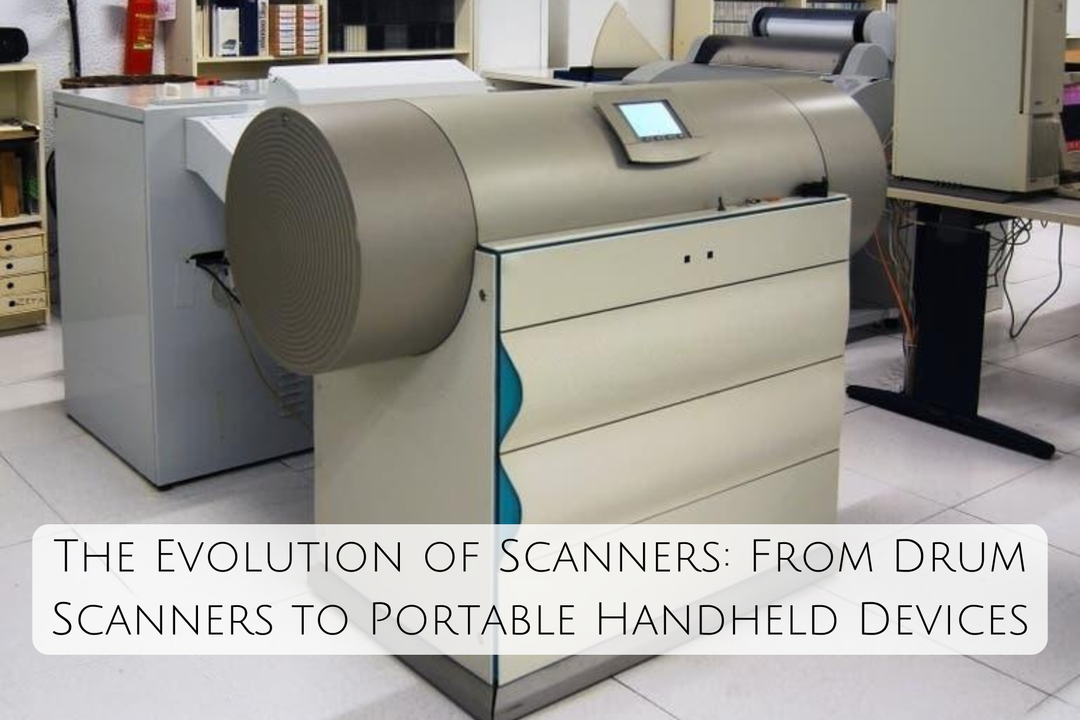
The journey of scanning technology is a fascinating one, marked by decades of innovation and adaptation to meet the demands of evolving industries and consumer needs. From the early days of drum scanners, massive devices that required highly specialized operators, to today’s sleek, handheld devices and smartphone scanning apps, scanners have transformed not only in design but also in the range of their applications. This evolution has been driven by advancements in optics, digital imaging, miniaturization, and software technology, reflecting society's increasing demand for efficiency, portability, and accessibility. Here’s an in-depth look at how scanners have transformed, starting from drum scanners and moving through various stages to the latest portable devices.
Drum Scanners: The Birth of High-Resolution Scanning Technology: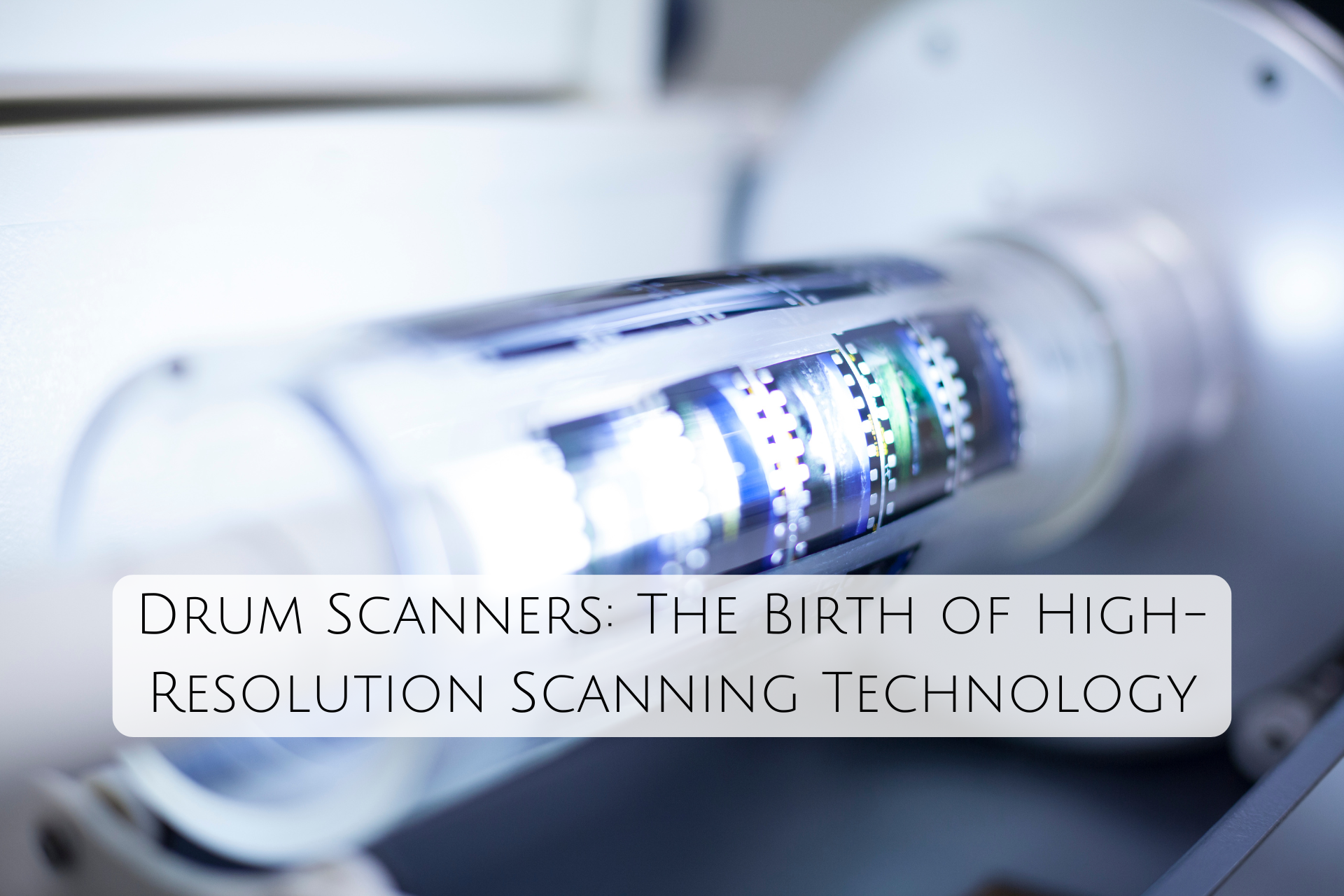
The story of scanning technology begins in the 1950s with the invention of drum scanners. These devices were highly sophisticated, capable of capturing images with extreme precision, making them the go-to choice for high-end professional settings such as publishing houses, print shops, and advertising agencies.
- Technology and Design: Drum scanners work by securing an image or transparency to a rotating drum, where it is illuminated by a powerful light source. Photomultiplier tubes (PMTs) then detect the light reflected from the image and convert it into digital signals. This process, while complex, yields scans of exceptional quality and clarity, capable of capturing minute details with remarkable accuracy. The PMTs were extremely sensitive, making drum scanners ideal for capturing a wide range of color and tonal information.
- Applications: Drum scanners were primarily used in professional industries that demanded high-resolution images, such as fine art reproduction, commercial printing, and photography. Given their ability to produce scans with up to 10,000 DPI (dots per inch), drum scanners were indispensable for tasks that required detail and precision, especially in the printing and publishing sectors.
- Limitations: Despite their quality, drum scanners were large, expensive, and required skilled operators to function.
Flatbed Scanners: Ushering in the Era of Accessibility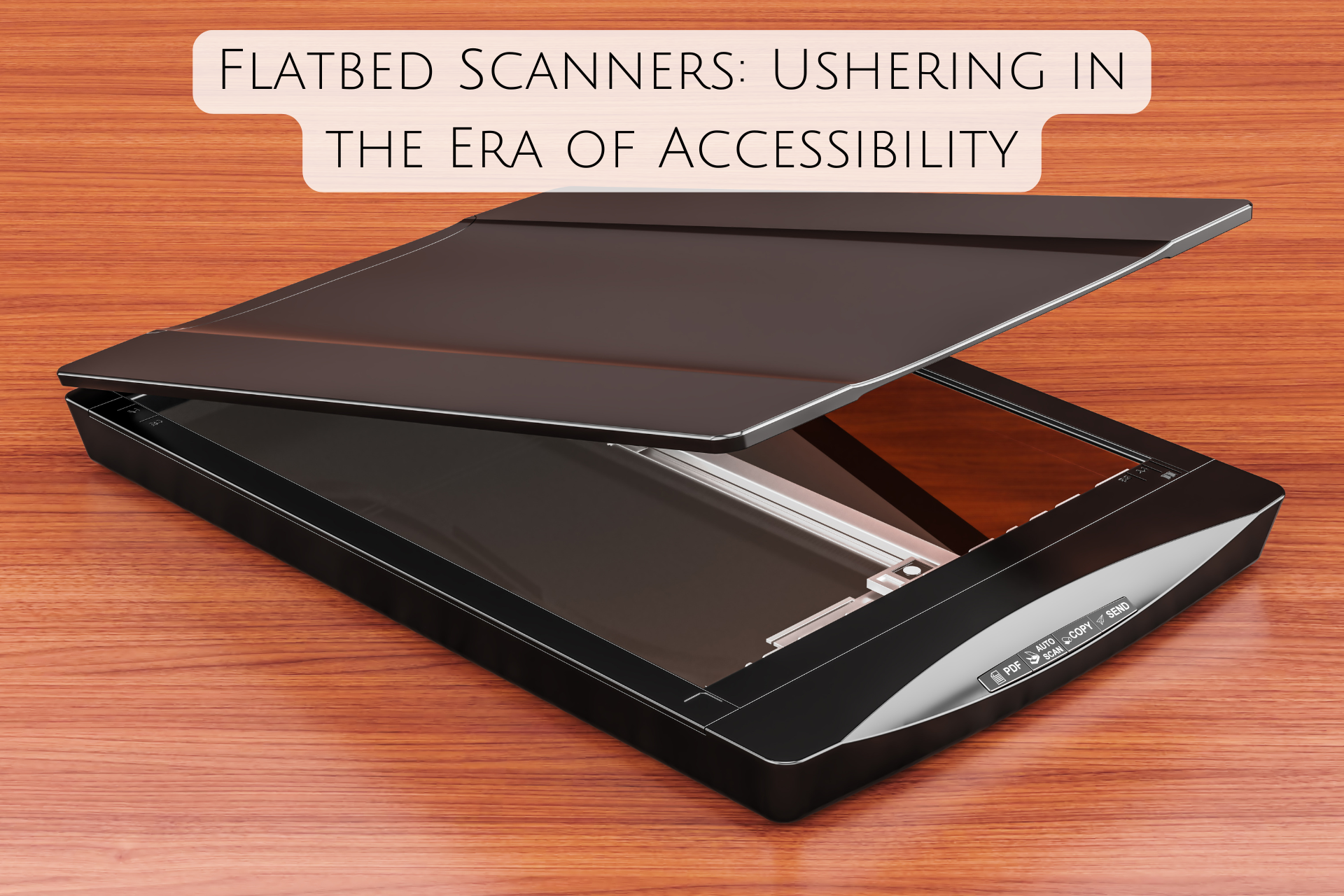
The introduction of flatbed scanners in the 1980s marked a major milestone in making scanning technology more accessible to the general public. Unlike drum scanners, which required a learning curve, flatbed scanners were easy to use and far more affordable, allowing businesses, schools, and homes to adopt scanning for a wide range of applications.
- Technology and Design: Flatbed scanners feature a glass scanning surface where users can place a document or image. Beneath the glass, a scanning head equipped with either CCD (charge-coupled device) or CIS (contact image sensor) moves across the image, capturing it strip by strip. This design makes flatbed scanners versatile, as they can accommodate not only documents but also books, magazines, and photographs.
- Applications: Flatbed scanners quickly became popular in offices and homes for tasks such as archiving documents, creating digital backups, scanning photographs, and even converting printed materials to digital formats for editing. Many flatbed scanners incorporated features such as automatic document feeders (ADFs) for scanning multiple pages and duplex scanning for double-sided documents, which made them even more appealing to businesses.
- Advantages and Limitations: Flatbed scanners brought the power of scanning to a much broader audience, offering a blend of good image quality, affordability, and ease of use. While their resolution was suitable for most applications, they couldn’t compete with the high-quality output of drum scanners, especially for tasks demanding extreme precision.
Sheet-Fed and Document Scanners: Speeding Up High-Volume Tasks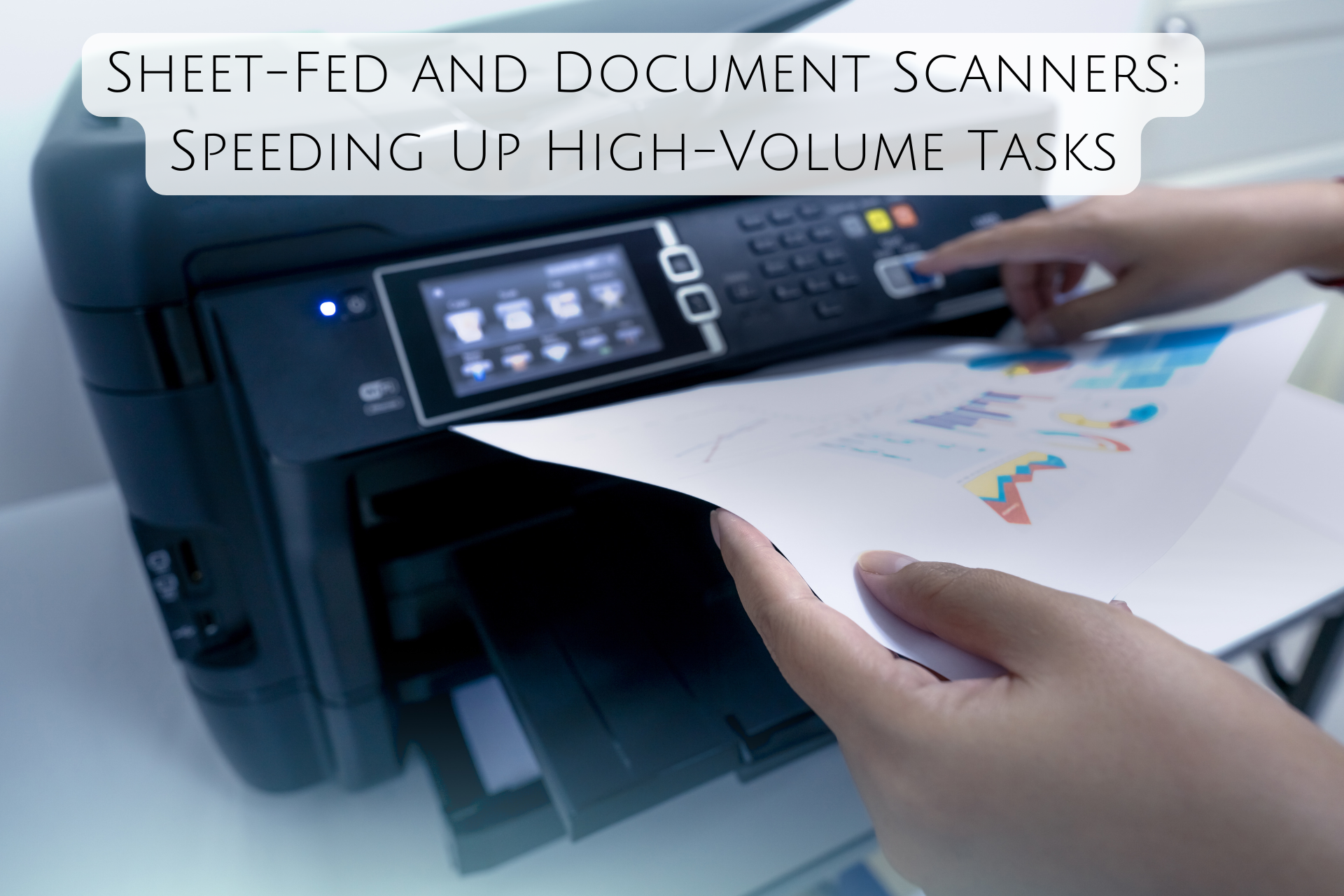
With the shift toward digital archiving and the growing need for paperless offices, sheet-fed and document scanners gained traction in the 1990s and early 2000s. Designed specifically to handle large volumes of documents quickly and efficiently, these scanners became essential tools in business environments.
- Technology and Design: Sheet-fed scanners differ from flatbed scanners in that they pull paper through a stationary scanning head rather than moving the head across a stationary image. Equipped with an ADF, these scanners can process large stacks of paper without requiring manual intervention, making them ideal for high-volume environments. Duplex scanning technology also allows both sides of a page to be scanned simultaneously.
- Applications: Document scanners are commonly used in industries where bulk document processing is required, such as banking, healthcare, and government. They are ideal for digitizing contracts, forms, and records, helping organizations streamline workflows, reduce storage costs, and improve information accessibility.
- Advantages and Limitations: Sheet-fed scanners are faster than flatbed scanners and handle large volumes efficiently, making them perfect for document-heavy workflows.
Film and Slide Scanners: Meeting the Needs of Image Enthusiasts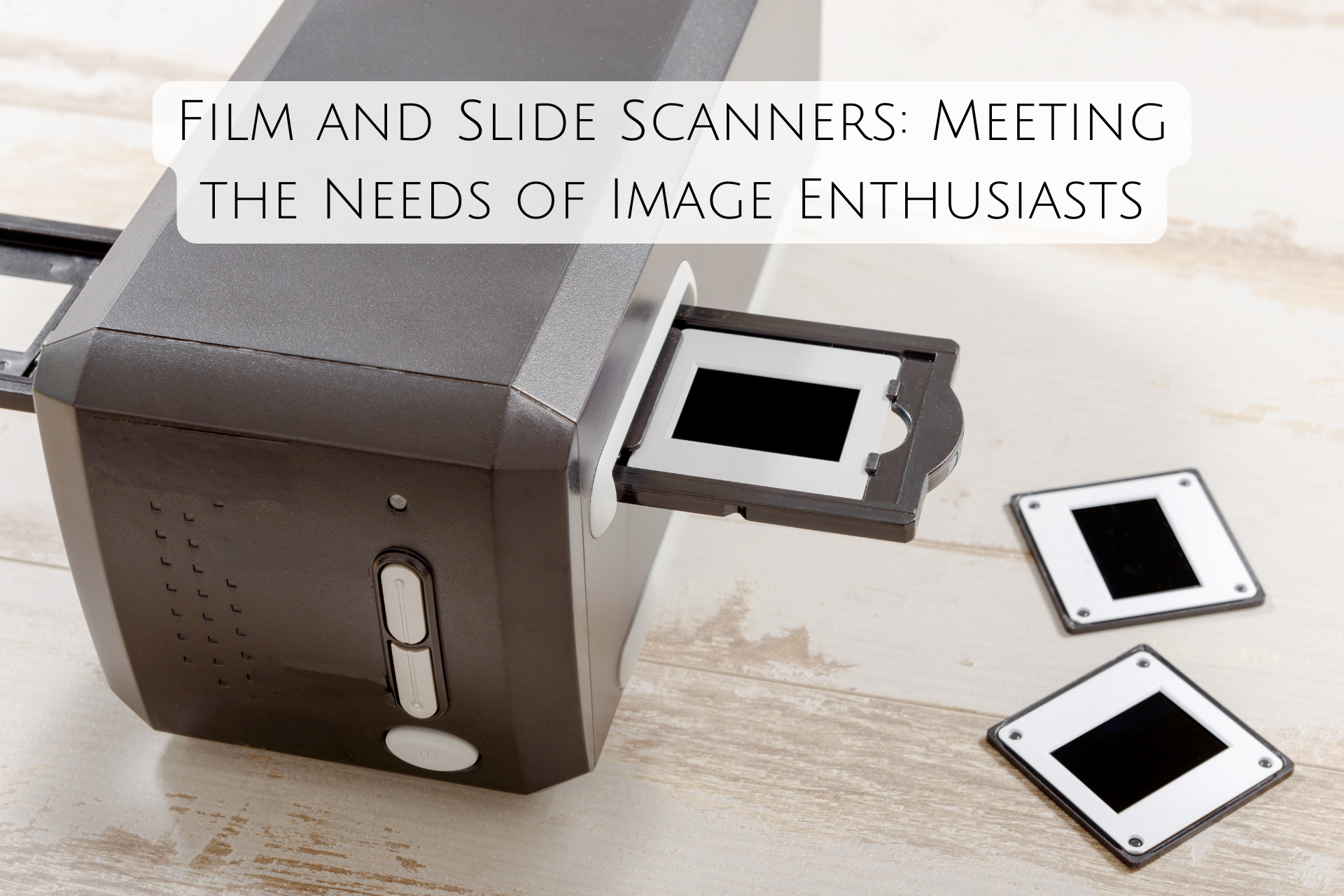
For photographers, artists, and film enthusiasts, film and slide scanners became an invaluable tool. Emerging alongside flatbed and document scanners, these devices were designed specifically to convert film negatives and slides into high-quality digital images, preserving the details of traditional film photography.
- Technology and Design: Film and slide scanners typically use high-resolution sensors and specialized adapters to capture film media, including 35mm slides, negatives, and even larger film formats. Advanced models feature technologies like color correction, dust removal, and grain reduction, ensuring that the resulting images are clear and vibrant.
- Applications: Film and slide scanners found a niche audience among photographers, artists, and preservationists. They enabled users to digitize film for archiving, editing, and sharing, allowing film photographers to work within digital workflows without losing the distinct look of film.
- Advantages and Limitations: Film and slide scanners offer unparalleled quality for scanning film media.
Portable and Handheld Scanners: Scanning on the Move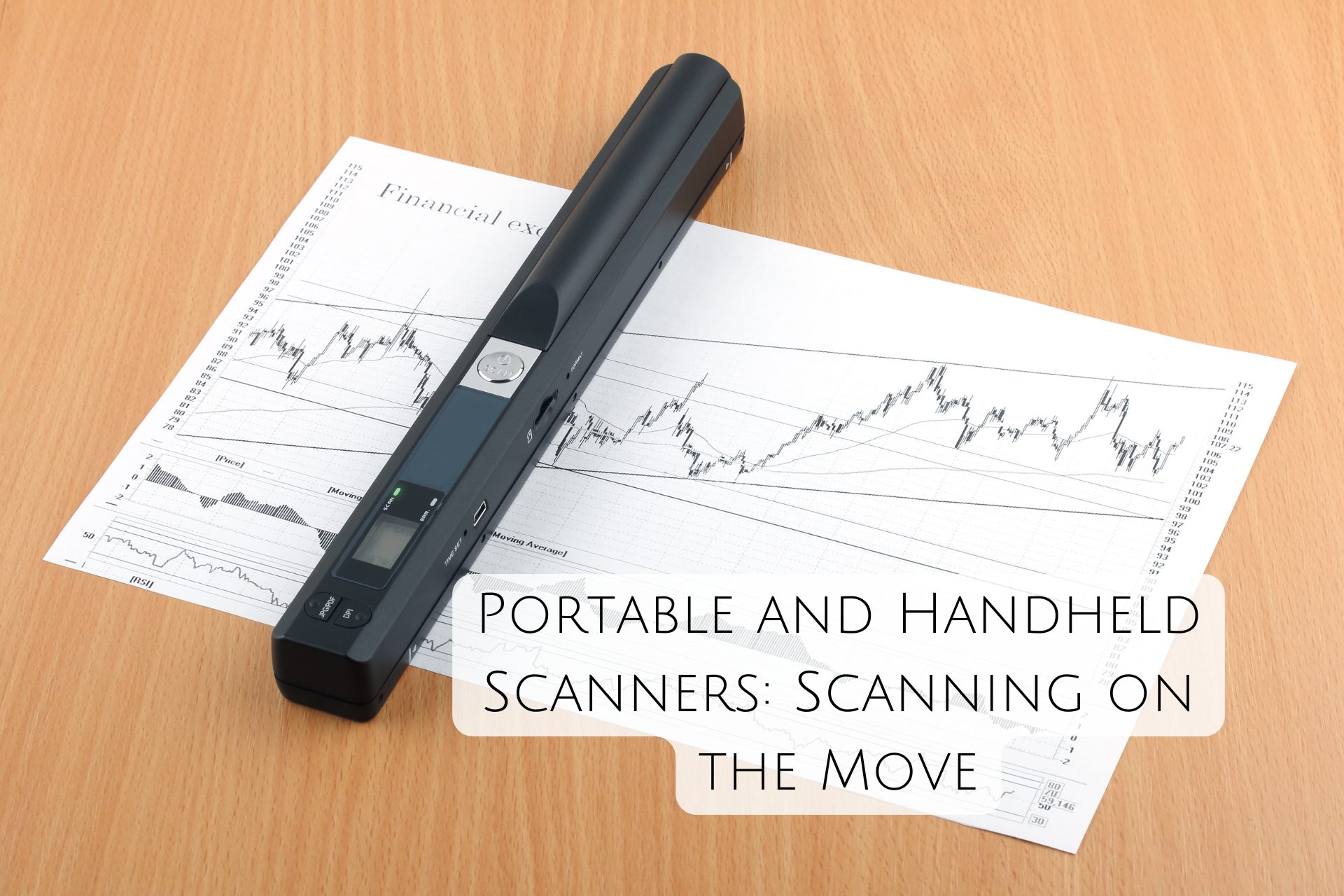
The 2000s marked a major leap in scanning technology with the advent of portable and handheld scanners. Thanks to advancements in miniaturization and wireless technology, these devices allowed users to take scanning capabilities on the go, making them ideal for mobile professionals, students, and anyone needing quick document capture.
- Technology and Design: Portable scanners are compact, lightweight, and typically battery-operated, with many models featuring Wi-Fi or Bluetooth connectivity to transfer scans directly to a smartphone or computer. Handheld scanners are designed to be swiped over a document, capturing images through a linear sensor that aligns and stitches them digitally. Many also come equipped with OCR (Optical Character Recognition) software, converting scanned text into editable digital text.
- Applications: These devices have become popular with students, researchers, business travelers, and field workers who need to digitize documents, receipts, notes, and even books quickly and easily. Portable scanners are particularly useful for scanning documents on-site, such as during meetings or at research libraries, without needing a traditional flatbed scanner.
- Advantages and Limitations: Portable scanners offer unmatched convenience, providing easy and quick scanning on the go.
Smartphone Scanning Apps: Scanning Reaches the Mainstream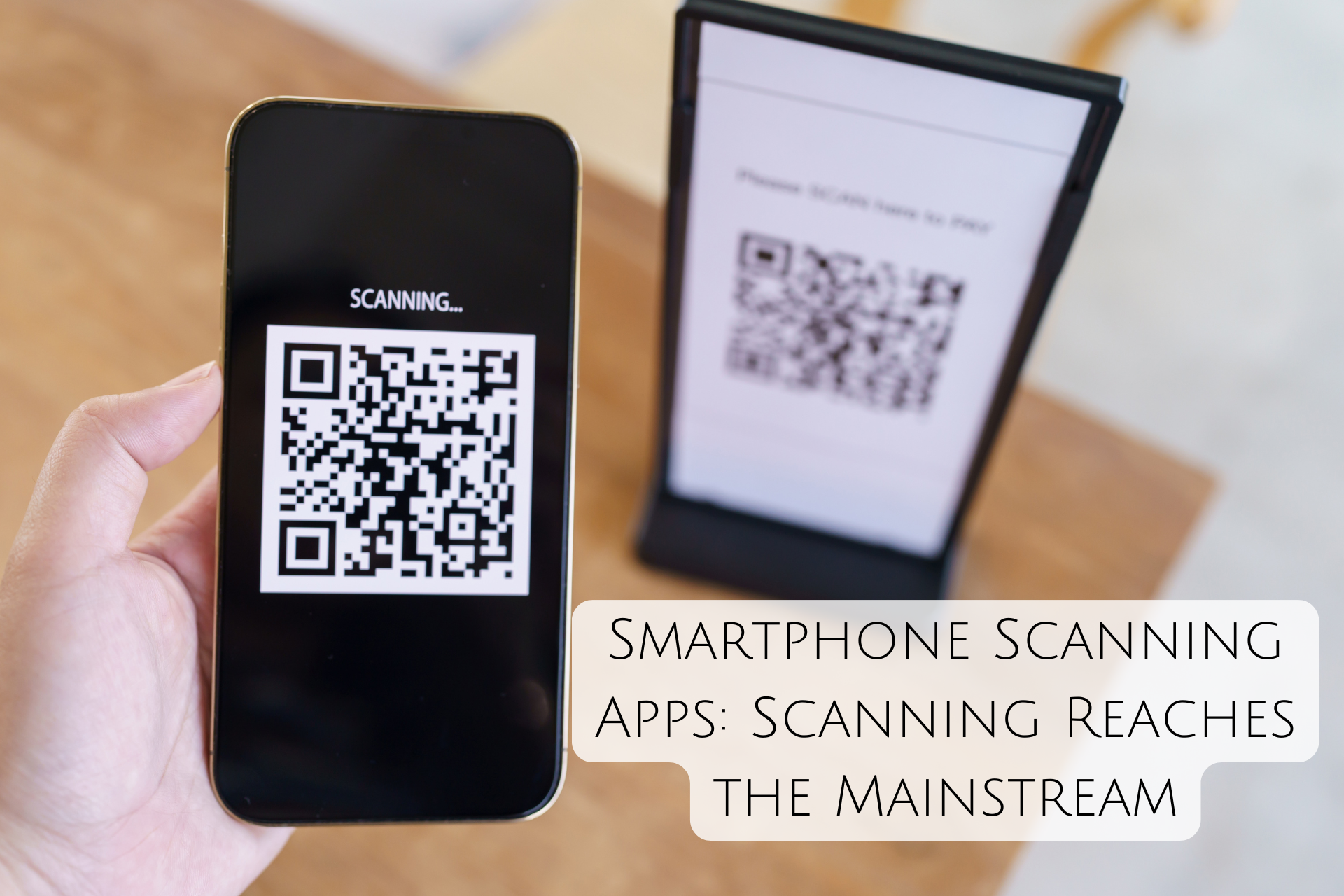
With the rise of smartphones, scanning has become more accessible than ever. Smartphone scanning apps now allow users to turn their phones into high-functioning scanning devices, empowering everyday users to digitize documents with a few taps.
- Technology and Design: Scanning apps use the smartphone camera to capture an image, while algorithms apply adjustments like edge detection, perspective correction, and OCR. Apps like Adobe Scan, CamScanner, and Microsoft Office Lens have popularized this trend, providing a convenient, low-cost alternative to traditional scanners.
- Applications: Smartphone scanners are ideal for everyday tasks, from scanning documents and receipts to capturing notes and even whiteboard content during meetings. They are particularly useful for remote workers, students, and individuals who need to scan occasionally but don’t require a dedicated device.
- Advantages and Limitations: Smartphone scanning apps provide unmatched convenience and portability, as well as excellent functionality for general document scanning.
The Future of Scanning Technology
The evolution of scanners from massive, complex drum models to pocket-sized smartphone apps reflects a broader trend toward compact, efficient, and user-friendly technology. Looking ahead, future developments in AI and machine learning may allow scanners to automatically improve image quality, enhance OCR accuracy, and even recognize document types and suggest relevant workflows. Innovations in 3D scanning and augmented reality could also open up new applications, allowing users to capture physical objects in digital form for applications in industries like retail, real estate, and education.
Scanners have come a long way, adapting to meet the needs of modern users and reflecting society’s shift towards a digital, on-the-go lifestyle. As technology continues to advance, it’s likely that scanning will become even more integrated into our daily lives, making it easier than ever to digitize, organize, and share information.
Knowledge Hub

Your Kitchen Deserves an Upgrade: Must-Have Kitchen Gadgets for Modern Cooks
Introduction: Upgrading your kitchen with new gadgets can turn routine meals into creative adventur...

The Future of Outdoor Recreation: Smart Tools and Gadgets
Outdoor recreation has long been an integral part of human culture, offering opportunities to connec...

The Digital Home: Organizing Your Virtual Space for a Stress-Free Life
In today’s world, much of our lives happen in the digital realm. We manage work, personal tasks, and...
The Importance of Regular Maintenance: How It Affects Replacement Parts Longevity
In the world of machinery, appliances, and vehicles, the longevity of equipment largely depends on h...
The Interconnection of Hydraulics, Pneumatics, and Plumbing: Understanding Fluid Power Systems
Fluid power systems are a cornerstone of modern technology, playing a crucial role in various indust...
The Evolution of Scanners: From Drum Scanners to Portable Handheld Devices
The journey of scanning technology is a fascinating one, marked by decades of innovation and adaptat...