
The Evolution of Art Supplies: A Journey Through Time and Technology

Art has been an integral part of human expression for thousands of years, and so too have the tools we use to create it. From primitive pigments to advanced digital technologies, the evolution of art supplies reflects not only changes in artistic styles but also advancements in technology and materials. In this blog, we will explore the fascinating journey of art supplies through history, highlighting key developments and innovations that have shaped the way artists create today.
Ancient Beginnings: Natural Materials: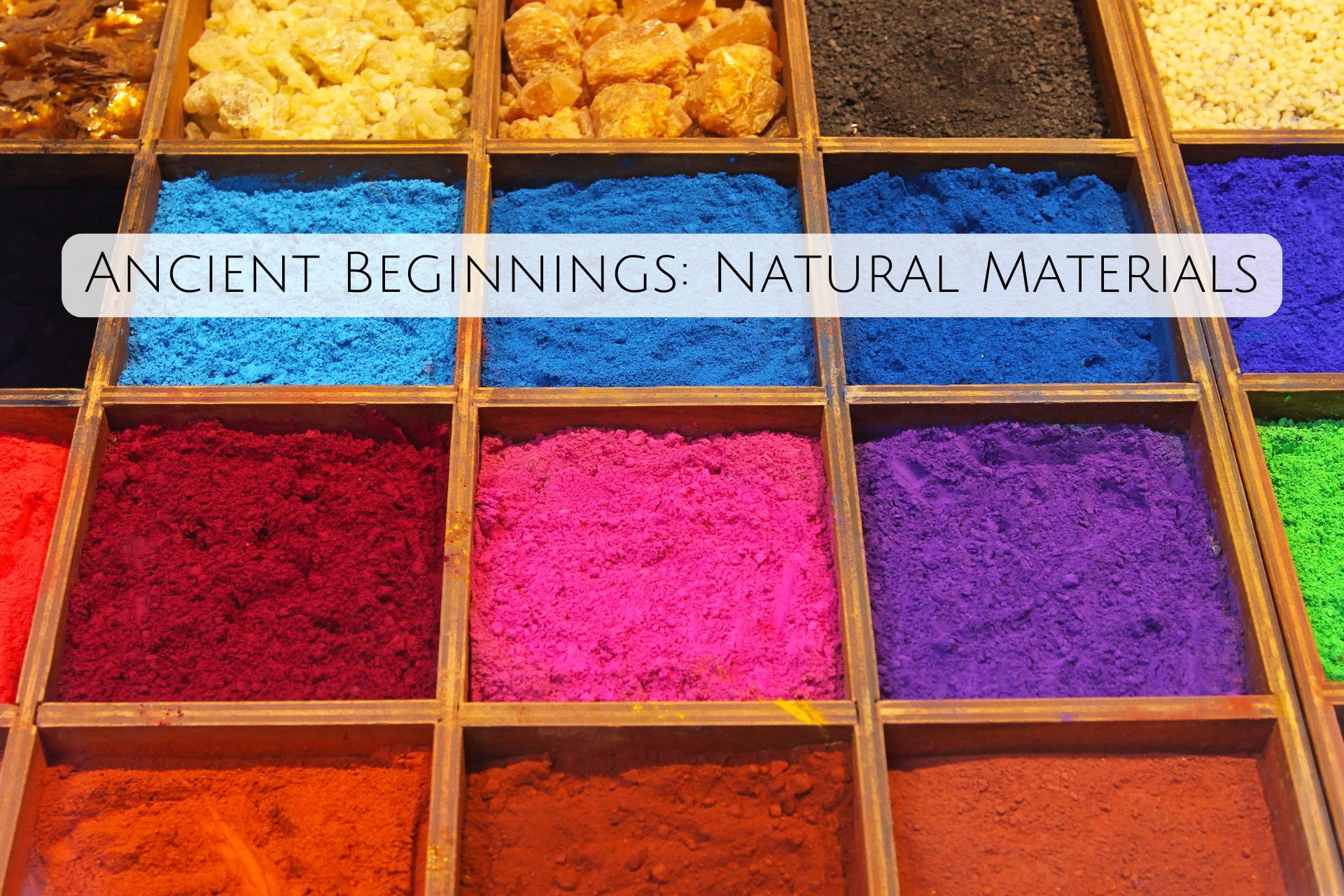
- Primitive Pigments:
The story of art supplies begins in prehistoric times when early humans used natural materials to create pigments. Earth pigments, such as ochres, charcoal, and minerals, were ground and mixed with water or animal fat to produce colors for cave paintings. These early tools laid the foundation for the artistic expressions of our ancestors. - Tools for Application:
Early artists used rudimentary tools like sticks, brushes made from animal hair, and even their fingers to apply pigments. The discovery of these basic tools marked the beginning of the relationship between artists and their materials.
The Rise of Writing Instruments:
- Ancient Egypt and Mesopotamia:
As civilizations advanced, so did art supplies. In ancient Egypt, scribes used reed pens to write on papyrus, while in Mesopotamia, clay tablets were inscribed with styluses. These early writing instruments were crucial for documenting history, culture, and artistic expression. - Quills and Inks:
By the Middle Ages, quills made from feathers became the standard writing instrument in Europe. Coupled with inks derived from natural sources like carbon black and plant extracts, these tools allowed for more refined and intricate drawings and manuscripts.
The Renaissance: Innovation and Expansion: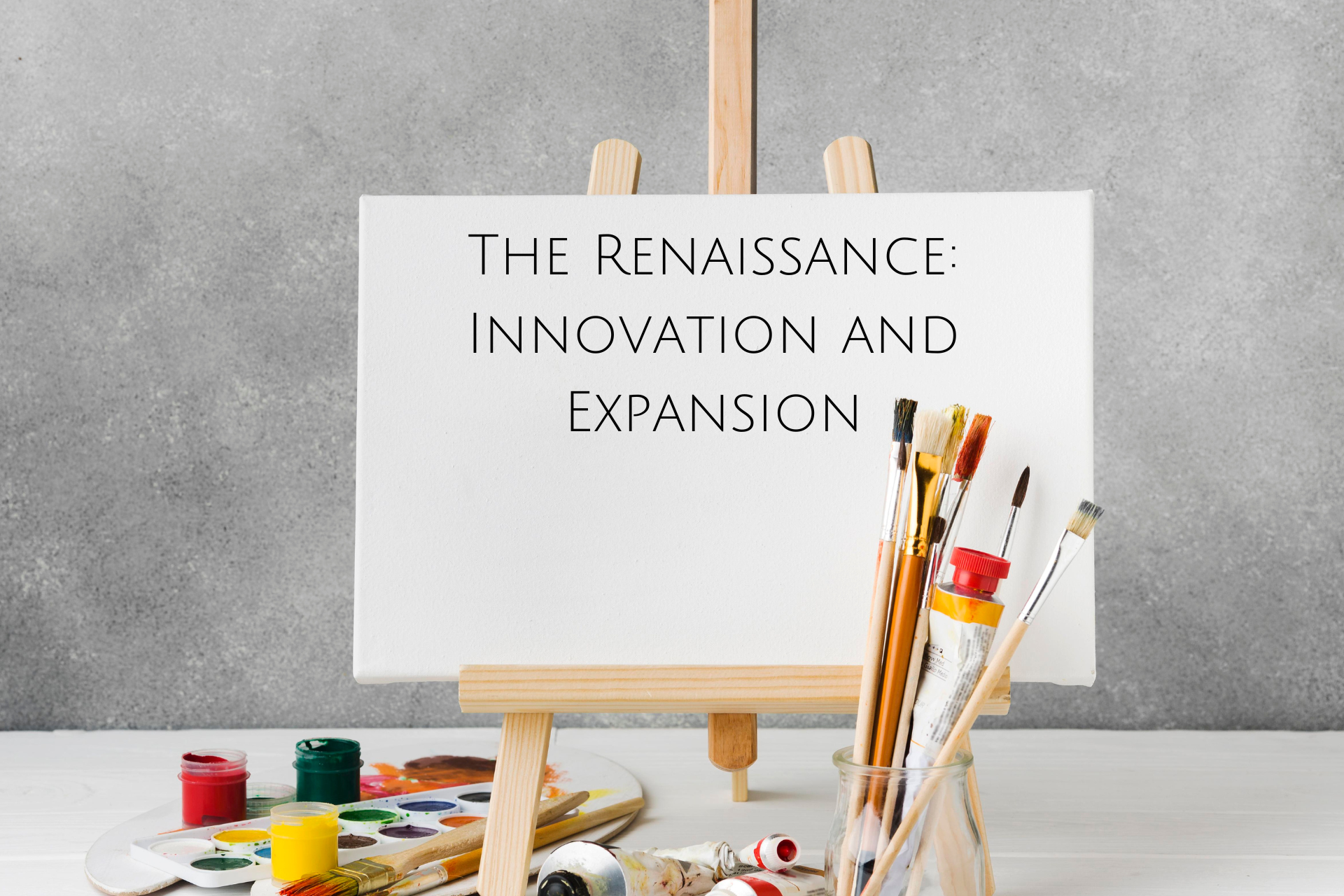
- Oil Paints:
The Renaissance marked a significant turning point in the evolution of art supplies. Artists like Jan van Eyck popularized oil paints, which offered greater versatility and depth of color than traditional egg tempera. This innovation allowed for more detailed and realistic representations in art. - Canvas and Easels:
The introduction of canvas as a painting surface transformed the art world. Easels became standard tools for painters, providing a stable platform to create larger works. This period also saw the development of a wider range of brushes, allowing for various techniques and textures.
The Industrial Revolution: Mass Production and Accessibility:
- Commercially Available Paints:
The Industrial Revolution brought about significant changes in the production of art supplies. Factories began to manufacture paints, making them more affordable and accessible to a broader audience. Tube paints were introduced in the mid-19th century, allowing artists to work en plein air (outdoors) without the need for labor-intensive preparations. - Synthetic Pigments:
The 19th century also saw the emergence of synthetic pigments, which expanded the color palette available to artists. These new pigments were often brighter and more stable than their natural counterparts, further enhancing artistic expression.
The 20th Century: Modernism and Innovation:
- Acrylic Paints:
The introduction of acrylic paints in the mid-20th century revolutionized the art world. Fast-drying and versatile, acrylics quickly gained popularity among artists for their ability to mimic both watercolor and oil paints. This innovation opened new avenues for experimentation in art. - Digital Art Supplies:
As technology advanced, so did art supplies. The rise of digital technology introduced tools like graphic tablets and software programs, enabling artists to create digitally. This shift allowed for new forms of artistic expression and accessibility, breaking down barriers for artists worldwide.
The Present and Future: Sustainability and New Materials:
- Eco-Friendly Art Supplies:
In recent years, there has been a growing emphasis on sustainability within the art supply industry. Many companies now produce eco-friendly paints, brushes, and papers made from recycled or natural materials. This shift reflects a broader awareness of environmental impact and the importance of sustainable practices in all areas of life. - Innovative Technologies:
The future of art supplies looks promising, with advancements in technology continually shaping the artistic landscape. Virtual reality (VR) and augmented reality (AR) are beginning to influence how artists create and interact with their work, opening up exciting possibilities for immersive art experiences.
Conclusion:
The evolution of art supplies is a testament to human creativity and innovation. From the earliest pigments used by our ancestors to the advanced digital tools available today, each development has expanded the possibilities for artistic expression. As we move forward, it is essential to embrace both tradition and innovation, ensuring that artists have the tools they need to continue pushing the boundaries of their creativity. Whether through natural materials, industrial advancements, or digital technologies, the journey of art supplies will undoubtedly continue to evolve, inspiring future generations of artists along the way.
Knowledge Hub

The Future of Outdoor Recreation: Smart Tools and Gadgets
Outdoor recreation has long been an integral part of human culture, offering opportunities to connec...

The Digital Home: Organizing Your Virtual Space for a Stress-Free Life
In today’s world, much of our lives happen in the digital realm. We manage work, personal tasks, and...

The Importance of Regular Maintenance: How It Affects Replacement Parts Longevity
In the world of machinery, appliances, and vehicles, the longevity of equipment largely depends on h...

The Interconnection of Hydraulics, Pneumatics, and Plumbing: Understanding Fluid Power Systems
Fluid power systems are a cornerstone of modern technology, playing a crucial role in various indust...
The Evolution of Scanners: From Drum Scanners to Portable Handheld Devices
The journey of scanning technology is a fascinating one, marked by decades of innovation and adaptat...

The Power of Textures: Mixing Materials in Home Accessories
In interior design, texture transforms, bringing depth, warmth, and character to a space. Textures i...